


Aftermarket


 Representative Photo, actual item may vary

Aftermarket HYU28310-2G710#F Intake Manifold Assembly for 2.4L SULEV Engines
 Representative Photo, actual item may vary
 Representative Photo, actual item may vary

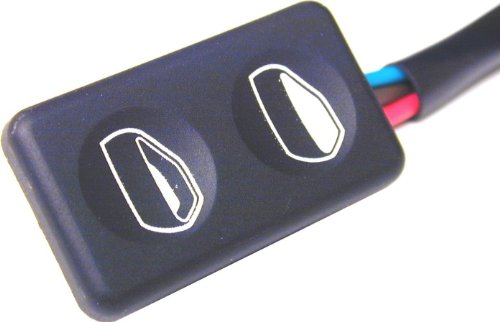
Aftermarket 928-613-182-01 Power Seat Switch Vertical Longitudinal Control
 Representative Photo, actual item may vary
 Representative Photo, actual item may vary
 Representative Photo, actual item may vary
 Representative Photo, actual item may vary

Aftermarket BMW61319354047-F Combination Switch Assembly with Clock Spring

Aftermarket LARLR057235#F Fuel Pump Assembly for Land Rover Range Rover Evoque
 Representative Photo, actual item may vary
 Representative Photo, actual item may vary
 Representative Photo, actual item may vary
Aftermarket MBZ2712030902#F Turbocharger Coolant Line for Mercedes-Benz
 Representative Photo, actual item may vary
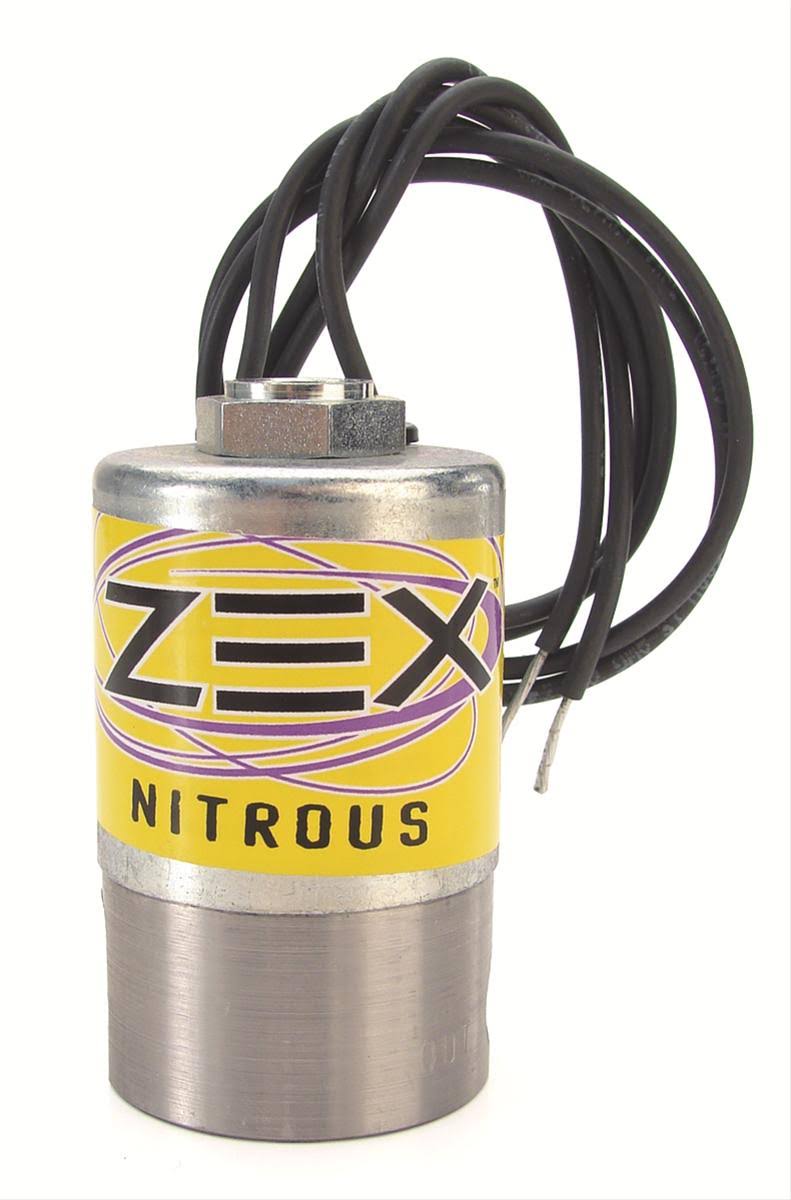 Representative Photo, actual item may vary

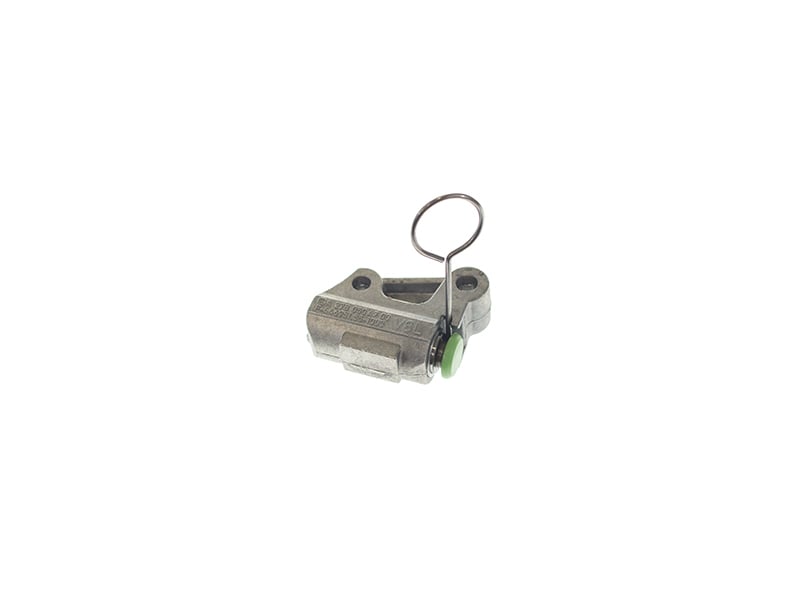 Representative Photo, actual item may vary
Aftermarket TOY1354031021/Q#F Timing Chain Tensioner for Toyota Engines

 Representative Photo, actual item may vary
 Representative Photo, actual item may vary
 Representative Photo, actual item may vary


 Representative Photo, actual item may vary
 Representative Photo, actual item may vary
 Representative Photo, actual item may vary

Aftermarket BMW64119216222#F Blower Motor Housing Cover with Filter for BMW
 Representative Photo, actual item may vary
 Representative Photo, actual item may vary
 Representative Photo, actual item may vary
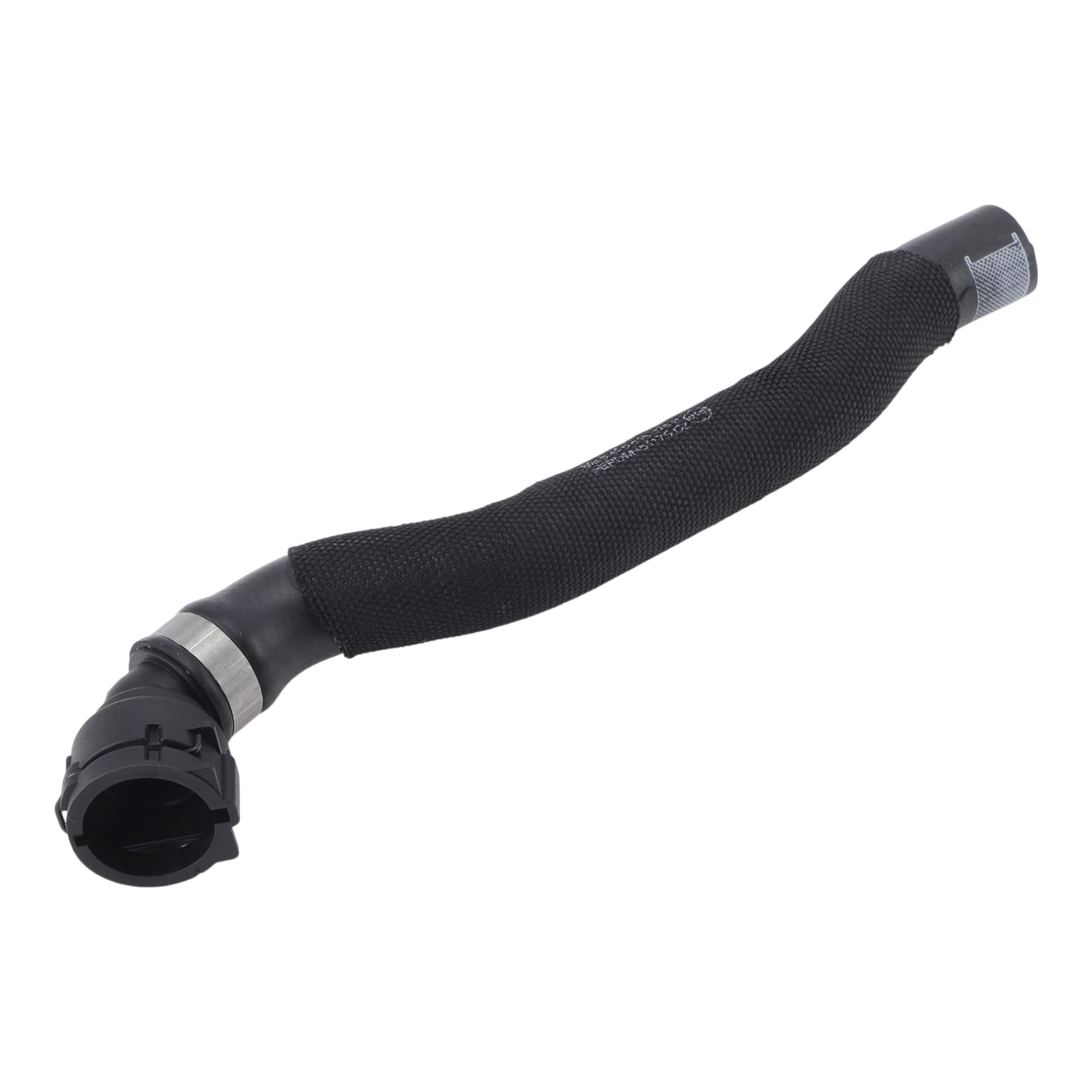
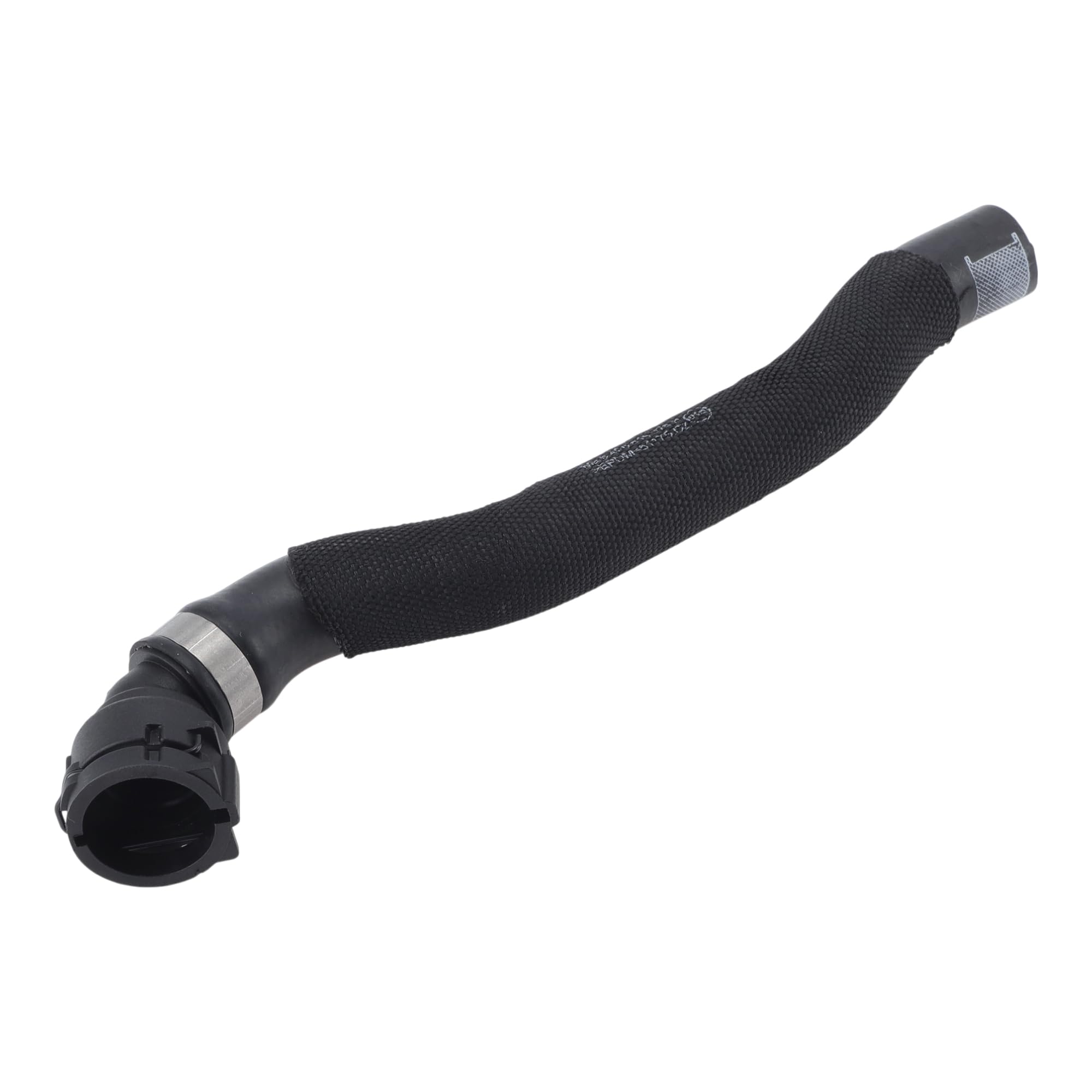
Aftermarket BMW17127548224#F Expansion Tank Hose for BMW Cooling System
 Representative Photo, actual item may vary

 Representative Photo, actual item may vary

 Representative Photo, actual item may vary


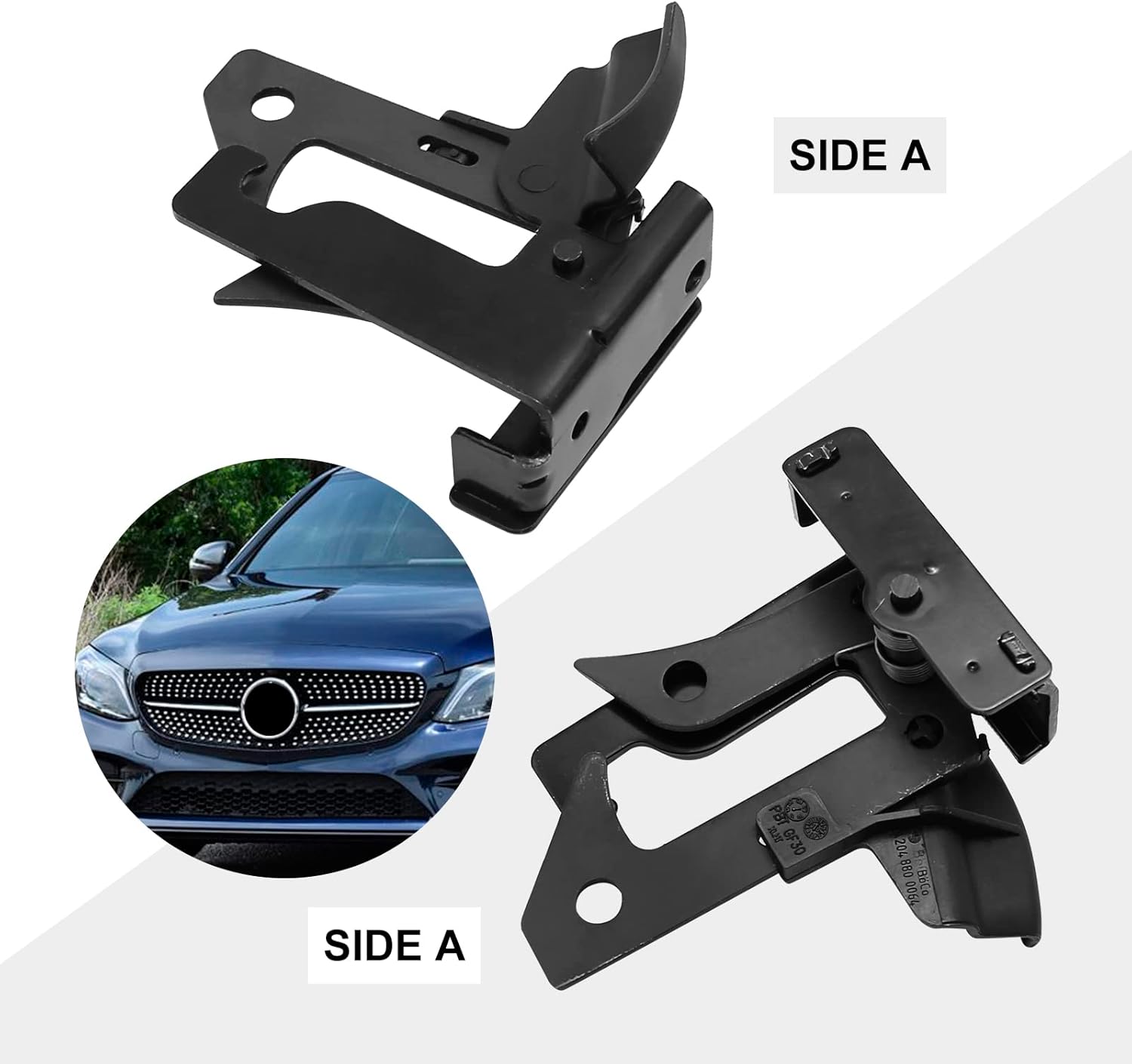 Representative Photo, actual item may vary

 Representative Photo, actual item may vary

 Representative Photo, actual item may vary
Aftermarket TOY85330-10290#F Windshield Washer Pump for Toyota Vehicles

Aftermarket MBZ2128800064#F Hood Safety Catch Latch Lock for Mercedes-Benz W212

Aftermarket JEP4884495AK Intake Manifold with Flow Control Valve 1.8L 2.0L 2.4L
 Representative Photo, actual item may vary
Aftermarket TOY1352131041#F Timing Crankshaft Sprocket for Toyota Engines
 Representative Photo, actual item may vary

 Representative Photo, actual item may vary

 Representative Photo, actual item may vary

Aftermarket BMW16117271162# Electric Fuel Pump Repair Kit for E65/E66 7-Series
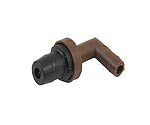 Representative Photo, actual item may vary
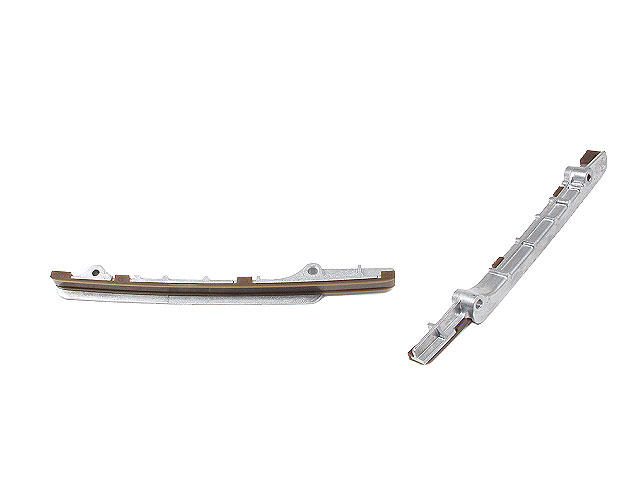 Representative Photo, actual item may vary
Aftermarket TOY1356237010/Q#F Timing Chain Guide Rail for Toyota Engines
 Representative Photo, actual item may vary
Aftermarket MBZ2760501847#F Timing Camshaft Sprocket for Mercedes-Benz

 Representative Photo, actual item may vary


Aftermarket TOY52161-16010#F Bumper Cover Push-Type Retainer Clip for Toyota
What Are Aftermarket Auto Parts?
The term aftermarket refers to replacement parts and accessories manufactured by third-party suppliers rather than the original vehicle manufacturer (OEM). Aftermarket components are engineered to meet or exceed OEM specifications, giving drivers and technicians a cost-effective path to keeping vehicles running safely and efficiently. From everyday maintenance items to performance upgrades, the aftermarket parts sector is one of the largest and most diverse segments of the automotive industry.
Why Choose Aftermarket Replacement Parts?
Aftermarket parts offer several practical advantages. Because they are produced by independent manufacturers who specialize in specific component types, quality can be highly competitive with OEM parts — and pricing is typically more accessible. For high-wear items that need periodic replacement, such as sensors, suspension components, and protective shielding, aftermarket options give vehicle owners flexibility without sacrificing reliability.
When shopping for aftermarket parts, it pays to focus on the specific component's fit, material quality, and warranty coverage. Always verify compatibility with your year, make, and model before purchasing.
Popular Aftermarket Part Categories
The aftermarket parts catalog spans virtually every system on a modern vehicle. Among the most commonly replaced components are engine sensors like the Mass Air Flow Sensor, which is critical for measuring the volume of air entering the engine and ensuring the proper air-fuel mixture. A failing MAF sensor can trigger check-engine lights, cause rough idling, and hurt fuel economy — making a quality replacement one of the most impactful repairs a driver can make.
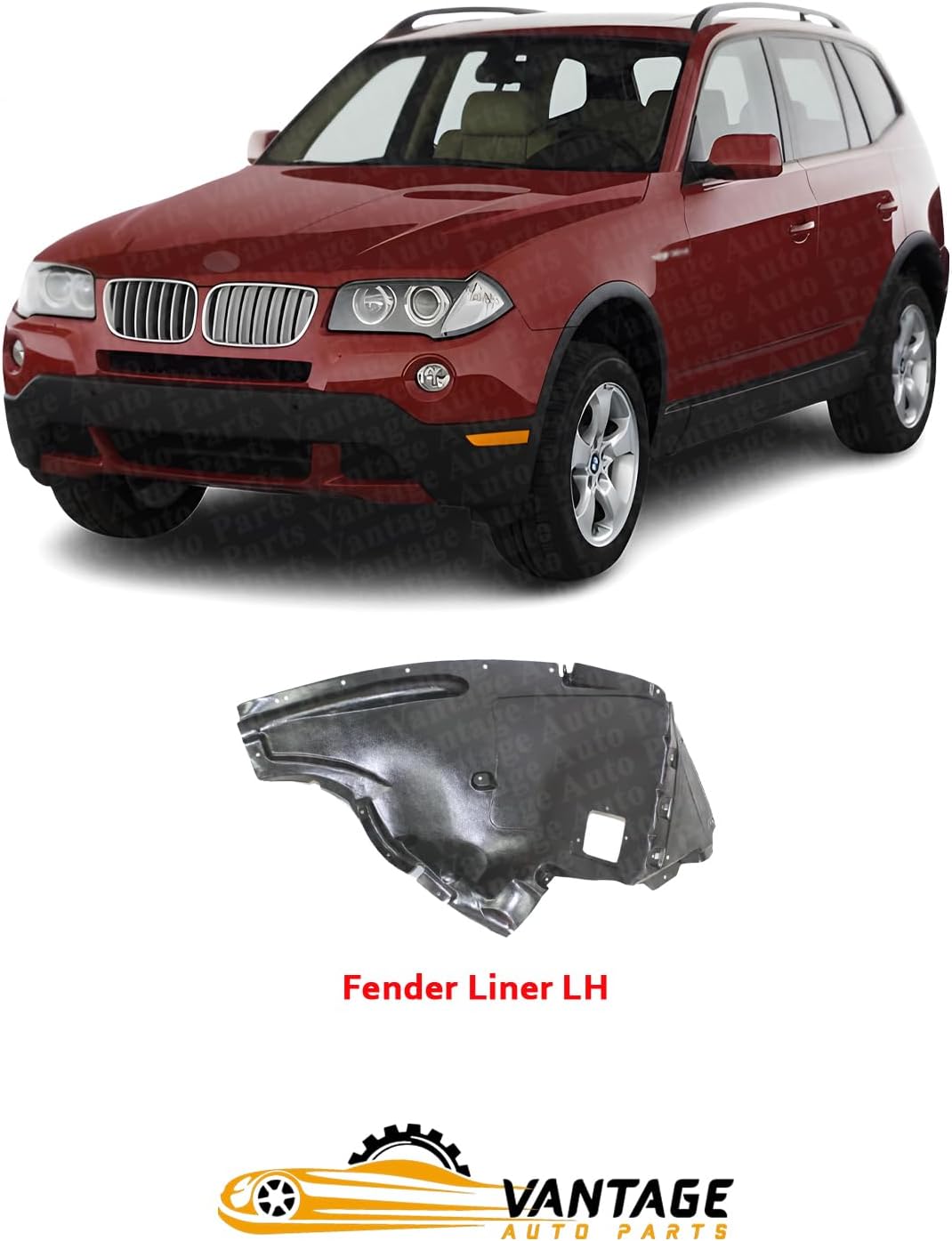
Underneath the vehicle, protective components like the Undercar Shield guard the engine bay, transmission, and fuel lines from road debris, water, and corrosion. These plastic or composite panels are often damaged by road hazards and need straightforward replacement to maintain proper airflow and protection.
Handling and safety depend heavily on suspension geometry, and the Suspension Ball Joint is a key pivot point connecting the steering knuckle to the control arm. Worn ball joints produce clunking noises, uneven tire wear, and imprecise steering — symptoms that demand prompt attention. Aftermarket ball joints are widely available for virtually every domestic and import vehicle platform.
The catalog also extends to Electronics Parts & Accessories — covering everything from wiring harnesses to connectors and sensor components — as well as small-but-essential trim hardware like the Wheel Cover Clip, which secures hubcaps and wheel covers firmly in place and prevents road vibration from rattling them loose.
Shopping Tips for Aftermarket Components
- Verify fitment: Always use a vehicle fitment guide to confirm the part matches your exact year, make, model, and engine.
- Check warranty terms: Reputable aftermarket parts typically carry at least a limited warranty against defects in materials and workmanship.
- Consider the application: Standard-replacement parts suit daily drivers; performance-spec aftermarket components are available for enthusiast builds.
- Inspect packaging and markings: Quality aftermarket parts usually include part numbers, certifications, and installation instructions.