


Aftermarket



Aftermarket MBZ2214701790#F Fuel Tank Sender Assembly for Mercedes-Benz

Aftermarket MBZ2730900382#F Air Intake Hose for Mercedes-Benz CLA GLA Series
 Representative Photo, actual item may vary
 Representative Photo, actual item may vary
 Representative Photo, actual item may vary

 Representative Photo, actual item may vary

Aftermarket MBZ2740141100#F Upper Oil Pan Aluminum for Mercedes-Benz 2.0L Engine
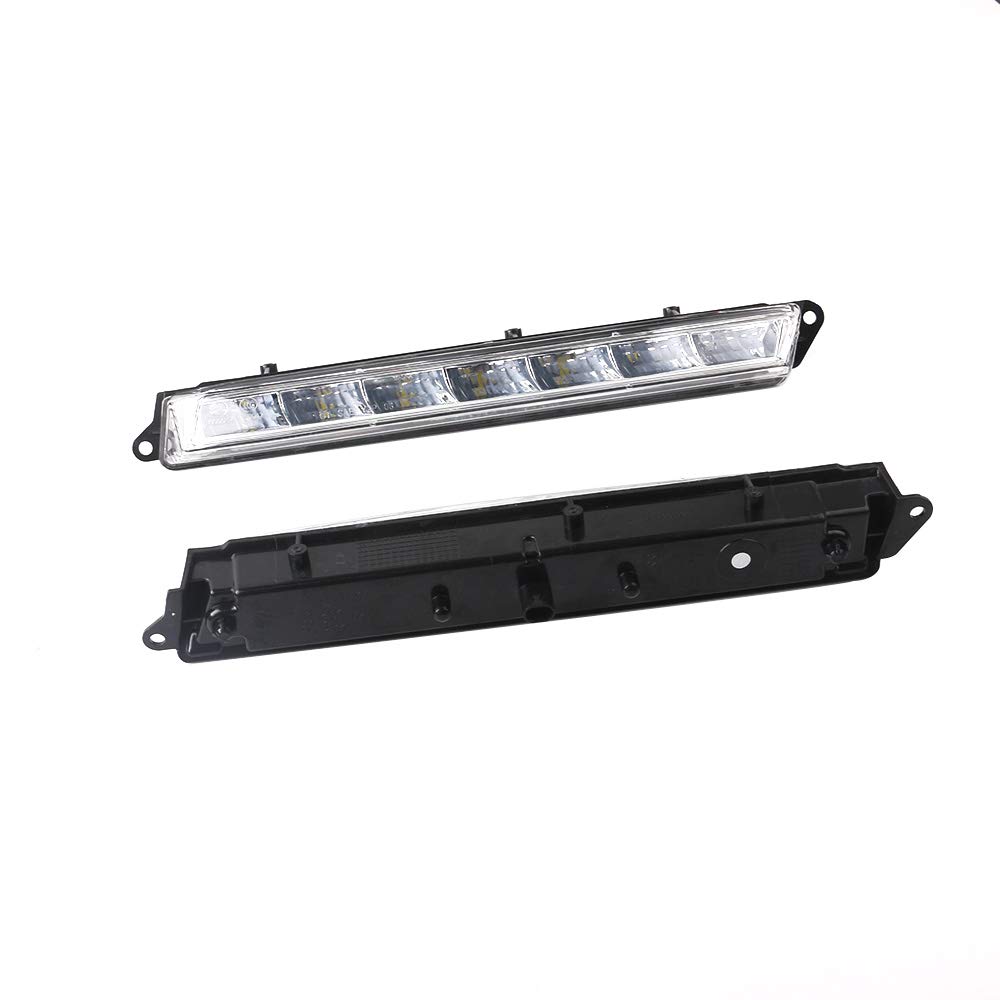 Representative Photo, actual item may vary
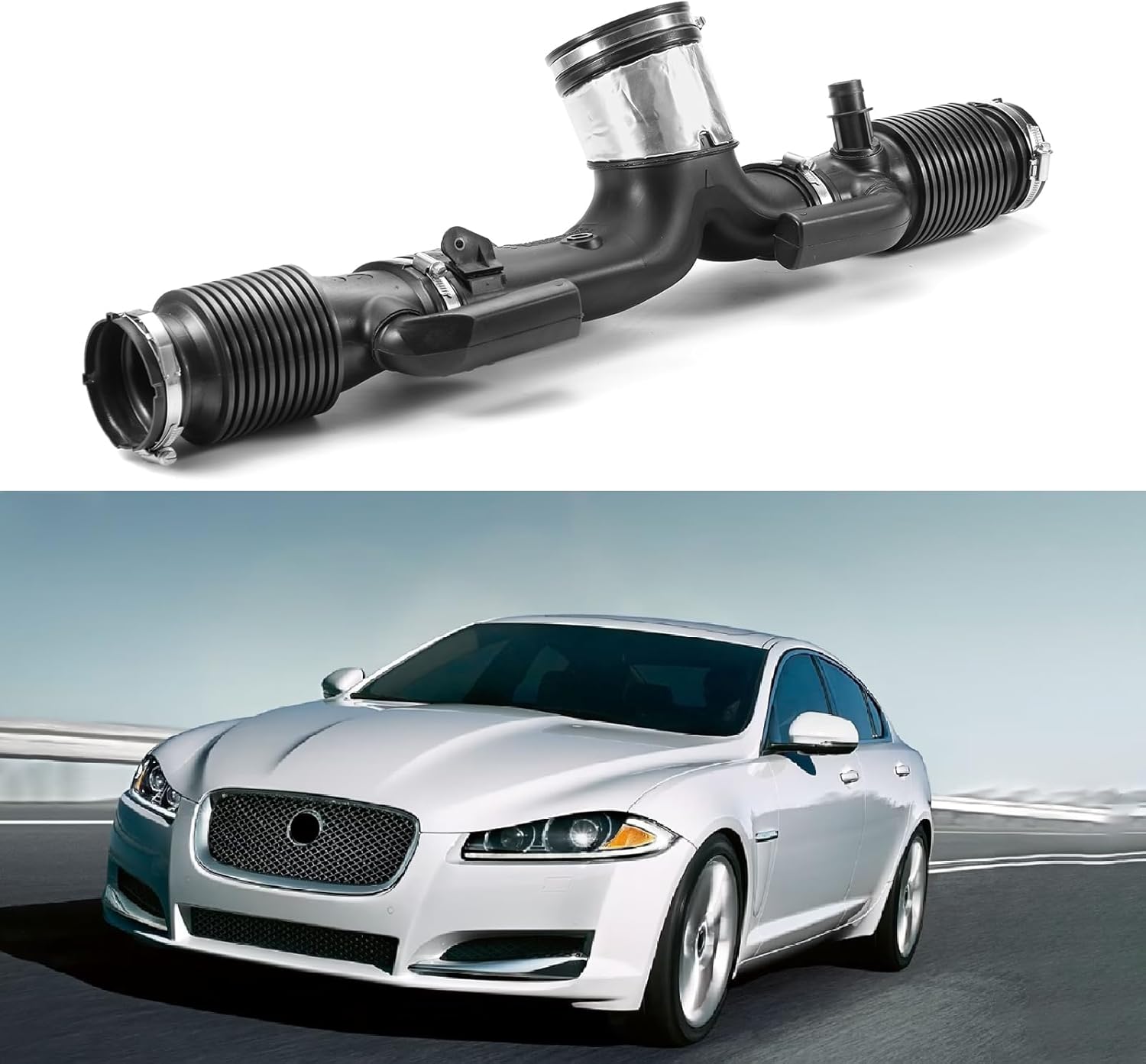 Representative Photo, actual item may vary
 Representative Photo, actual item may vary
 Representative Photo, actual item may vary
Aftermarket 951-423-023-04 Accelerator Cable Porsche 944 Throttle Cable Replacement

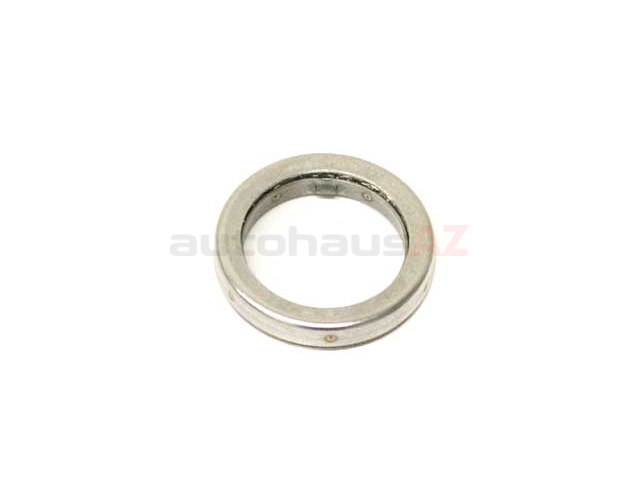 Representative Photo, actual item may vary

 Representative Photo, actual item may vary
Aftermarket 997-613-105-03-A05 Hood and Trunk Lid Release Switch Assembly


 Representative Photo, actual item may vary


Aftermarket 111-947-111 E Interior Dome Light Assembly for VW Beetle & Type 3
 Representative Photo, actual item may vary

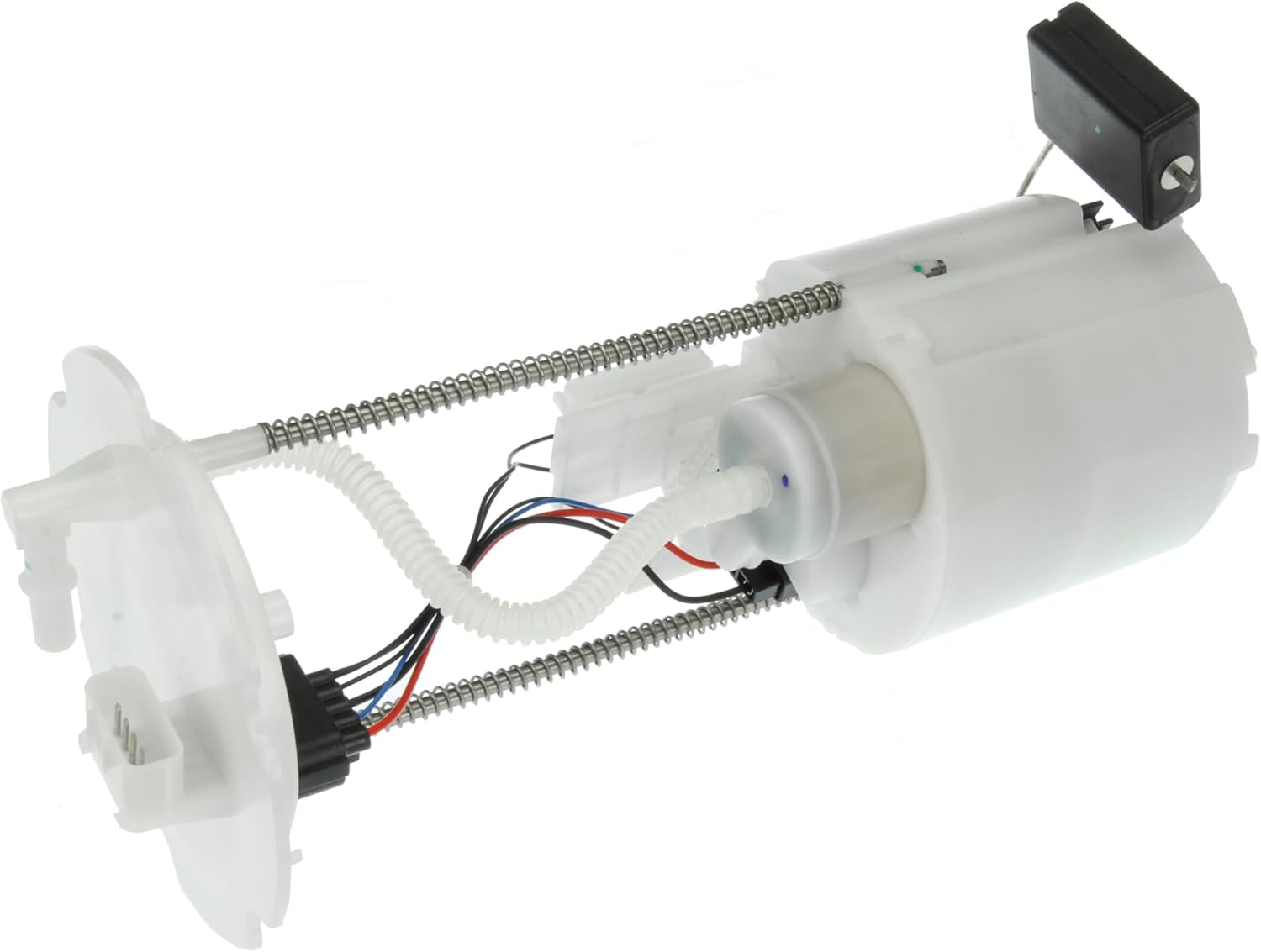 Representative Photo, actual item may vary
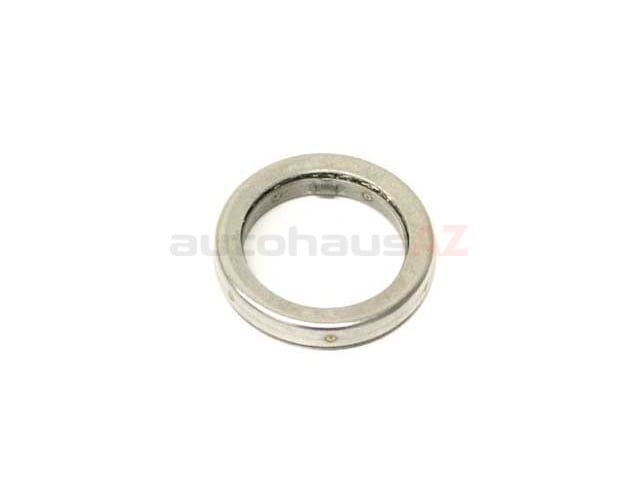 Representative Photo, actual item may vary
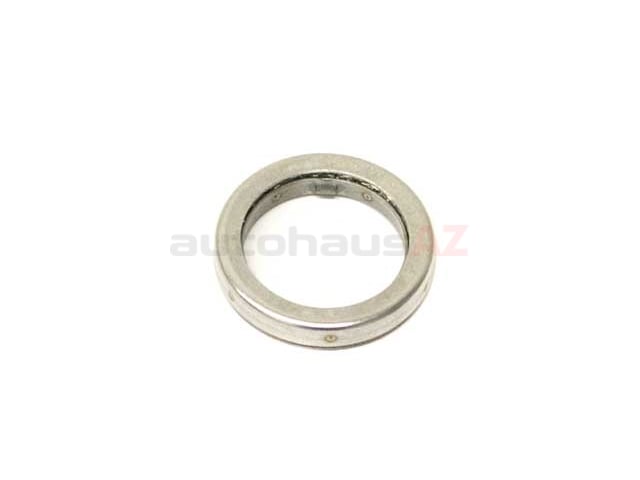 Representative Photo, actual item may vary
 Representative Photo, actual item may vary
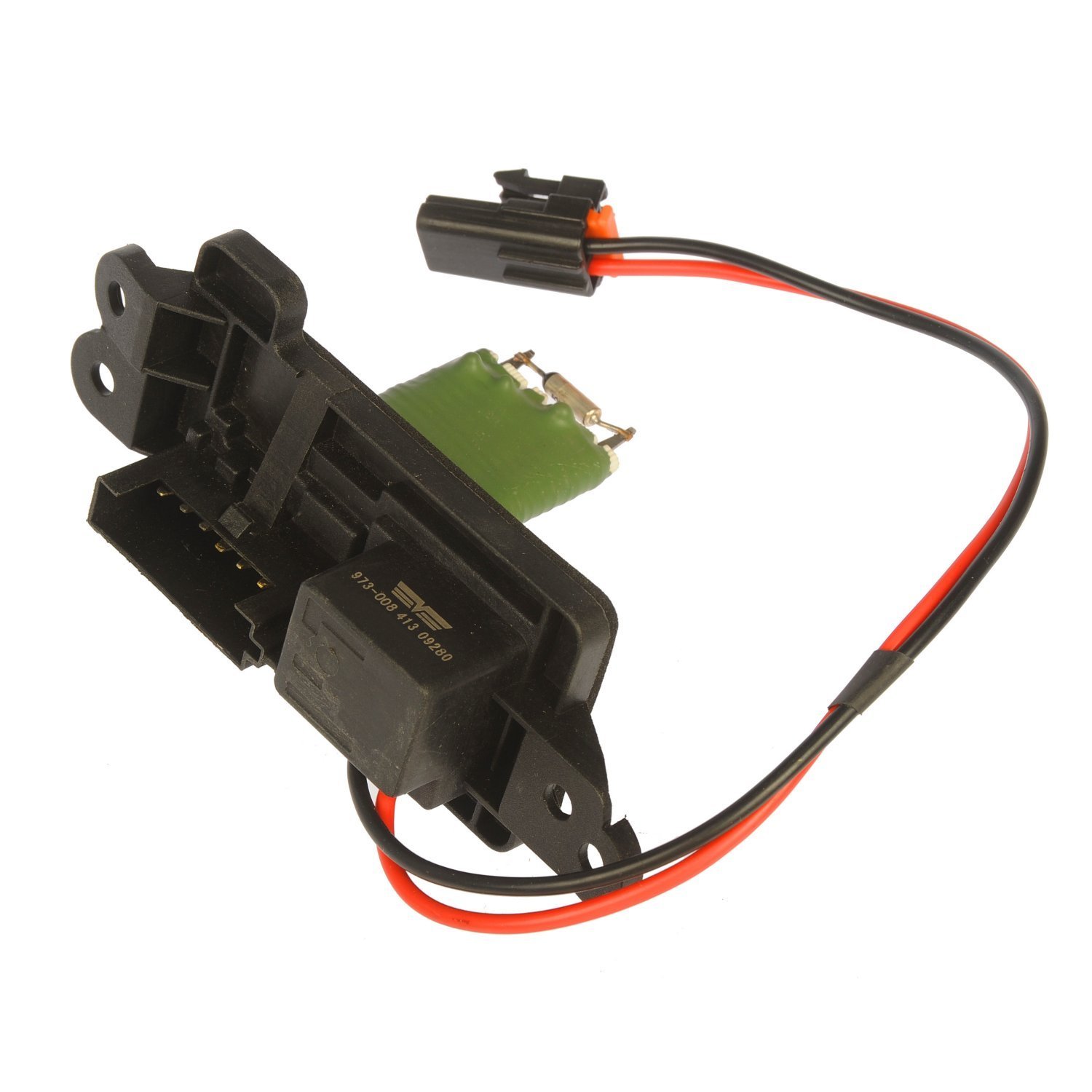 Representative Photo, actual item may vary

Aftermarket 616-08-811-1 Round Cartridge Air Filter for Zenith 32 NDIX Carburetor


 Representative Photo, actual item may vary

 Representative Photo, actual item may vary
Aftermarket 04E 145 875 F Turbocharger Intercooler Pipe Adapter EA211 1.4T
 Representative Photo, actual item may vary
Aftermarket 04E 103 600 J Lower Engine Oil Pan with Drain Plug and Gasket
 Representative Photo, actual item may vary


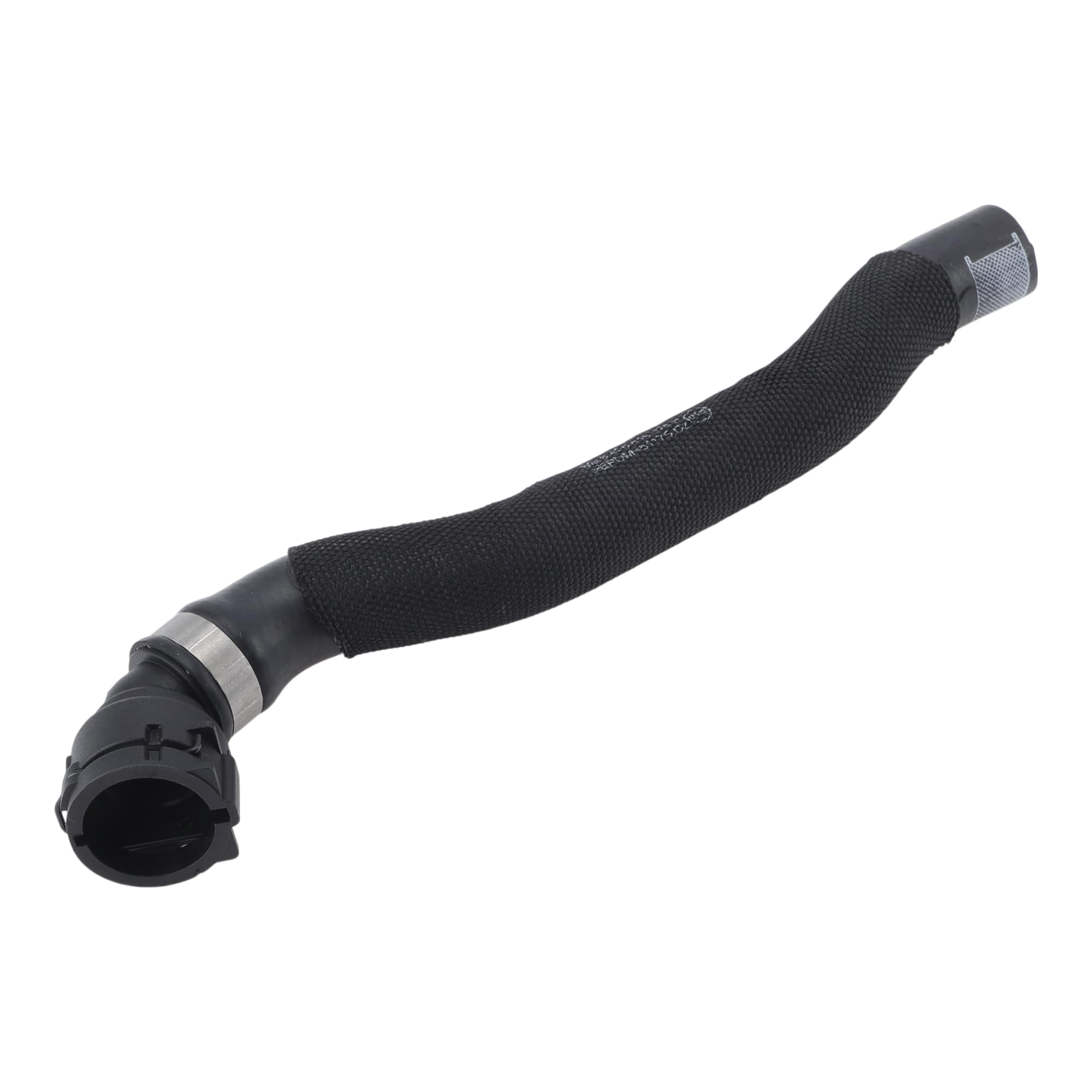 Representative Photo, actual item may vary

 Representative Photo, actual item may vary


 Representative Photo, actual item may vary
 Representative Photo, actual item may vary
Aftermarket LARLR081538#F Wheel Hub Assembly for Land Rover Range Rover Discovery Defender


Aftermarket 113-919-049 D Fuel Tank Sending Unit for VW Beetle Ghia Thing


 Representative Photo, actual item may vary

 Representative Photo, actual item may vary
What Are Aftermarket Auto Parts?
The term aftermarket refers to replacement parts and accessories manufactured by third-party suppliers rather than the original vehicle manufacturer (OEM). Aftermarket components are engineered to meet or exceed OEM specifications, giving drivers and technicians a cost-effective path to keeping vehicles running safely and efficiently. From everyday maintenance items to performance upgrades, the aftermarket parts sector is one of the largest and most diverse segments of the automotive industry.
Why Choose Aftermarket Replacement Parts?
Aftermarket parts offer several practical advantages. Because they are produced by independent manufacturers who specialize in specific component types, quality can be highly competitive with OEM parts — and pricing is typically more accessible. For high-wear items that need periodic replacement, such as sensors, suspension components, and protective shielding, aftermarket options give vehicle owners flexibility without sacrificing reliability.
When shopping for aftermarket parts, it pays to focus on the specific component's fit, material quality, and warranty coverage. Always verify compatibility with your year, make, and model before purchasing.
Popular Aftermarket Part Categories
The aftermarket parts catalog spans virtually every system on a modern vehicle. Among the most commonly replaced components are engine sensors like the Mass Air Flow Sensor, which is critical for measuring the volume of air entering the engine and ensuring the proper air-fuel mixture. A failing MAF sensor can trigger check-engine lights, cause rough idling, and hurt fuel economy — making a quality replacement one of the most impactful repairs a driver can make.
Underneath the vehicle, protective components like the Undercar Shield guard the engine bay, transmission, and fuel lines from road debris, water, and corrosion. These plastic or composite panels are often damaged by road hazards and need straightforward replacement to maintain proper airflow and protection.
Handling and safety depend heavily on suspension geometry, and the Suspension Ball Joint is a key pivot point connecting the steering knuckle to the control arm. Worn ball joints produce clunking noises, uneven tire wear, and imprecise steering — symptoms that demand prompt attention. Aftermarket ball joints are widely available for virtually every domestic and import vehicle platform.
The catalog also extends to Electronics Parts & Accessories — covering everything from wiring harnesses to connectors and sensor components — as well as small-but-essential trim hardware like the Wheel Cover Clip, which secures hubcaps and wheel covers firmly in place and prevents road vibration from rattling them loose.
Shopping Tips for Aftermarket Components
- Verify fitment: Always use a vehicle fitment guide to confirm the part matches your exact year, make, model, and engine.
- Check warranty terms: Reputable aftermarket parts typically carry at least a limited warranty against defects in materials and workmanship.
- Consider the application: Standard-replacement parts suit daily drivers; performance-spec aftermarket components are available for enthusiast builds.
- Inspect packaging and markings: Quality aftermarket parts usually include part numbers, certifications, and installation instructions.