


Battery Terminal Protector




 Representative Photo, actual item may vary

 Representative Photo, actual item may vary


 Representative Photo, actual item may vary


 Representative Photo, actual item may vary



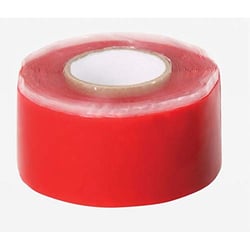

 Representative Photo, actual item may vary







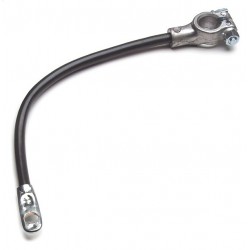 Representative Photo, actual item may vary
 Representative Photo, actual item may vary





Quickcar Racing Products 57-602 Battery Disconnect Terminal Boot Covers (Pair, Black)



- 1
- 2
What Is a Battery Terminal Protector?
A battery terminal protector is a simple but surprisingly effective weapon against one of the most common causes of electrical trouble on any vehicle: corrosion. The white or blue-green crust that builds up on battery terminals over time isn't just unsightly — it actively resists the flow of electrical current, leading to sluggish starts, unreliable accessories, and premature battery failure. Battery terminal protectors — whether in the form of felt anti-corrosion washers, protective sprays, or sealant compounds — create a barrier between the metal terminal and the corrosive gases that a charging battery naturally vents.
Why It Matters for Your Vehicle's Electrical System
Modern vehicles rely on clean, uninterrupted electrical connections more than ever. From engine management computers and fuel injectors to infotainment systems and advanced driver assistance features, virtually every system on your car depends on the battery delivering consistent voltage. Even a thin layer of terminal corrosion can introduce enough resistance to cause intermittent faults, dim lighting, or a no-start condition. A small investment in terminal protection can save you from a much larger repair bill — or an unexpected roadside breakdown.
Terminal protectors are especially important in climates with high humidity, coastal salt air, or extreme temperature swings, all of which accelerate the electrochemical reactions that cause corrosion. They're equally valuable for seasonal equipment — boats, ATVs, lawn tractors, and RVs — that may sit unused for extended periods.
Types of Battery Terminal Protectors
- Felt Anti-Corrosion Washers: Thin, oil-impregnated discs that sit between the cable clamp and the terminal post, neutralizing corrosive battery gases before they can attack the metal.
- Protective Sprays & Coatings: Aerosol or brush-on compounds that seal terminal connections after they've been cleaned and tightened, forming a moisture-resistant film.
- Corrosion Inhibitor Gels & Greases: Heavy-duty compounds packed into terminal connectors or applied by hand, offering longer-lasting protection in harsh environments.
- Terminal Caps & Boots: Physical covers that shield the terminal from contamination and accidental short circuits.
Top Brands in Battery Terminal Protection
Pico Wiring is a well-regarded name in automotive electrical components, offering a focused selection of terminal protectors designed to fit standard top-post and side-post batteries. Their products are popular with both professional installers and serious DIYers who need reliable, no-fuss corrosion prevention.
Wire (East Penn Mfg Co) — the consumer and professional brand arm of East Penn Manufacturing, one of North America's largest battery manufacturers — brings deep expertise in battery chemistry and terminal engineering to their terminal protection products. That insider knowledge translates into solutions that are purpose-built for the demands of battery maintenance.
Standard Motor Products carries the widest selection in this category, with an extensive lineup of terminal protectors and related hardware covering a huge range of vehicle applications. Their broad catalog makes it easy to find the right fit for virtually any car, truck, or SUV.
NOCO Genius is best known for its advanced battery chargers and jump starters, but the brand also offers battery maintenance accessories including terminal protection products that complement their charging ecosystem perfectly.
Permatex is a trusted name in chemical solutions for automotive maintenance, and their battery terminal protection compounds and sprays reflect the same formulation expertise found across their full line of sealants, adhesives, and lubricants.
Tips for Using Battery Terminal Protectors
For best results, always start with clean terminals. Use a wire brush or a dedicated battery terminal cleaner to remove any existing corrosion before applying a protector — sealing over buildup will trap moisture rather than repel it. Reapply spray-type protectors after any service that requires disconnecting the battery, and inspect felt washers annually or whenever the battery is replaced.