


Sunroof Seal


Genuine Porsche 944-564-623-02 Sunroof Seal Body Section


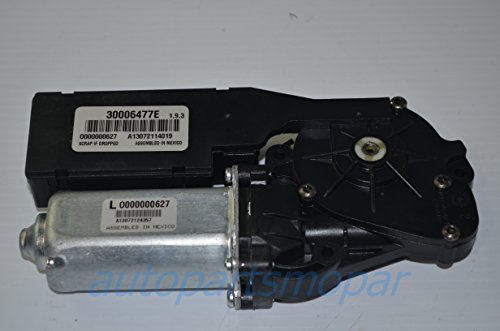 Representative Photo, actual item may vary



Genuine Porsche 911-564-193-00 Sunroof Seal Rear Section

Genuine Porsche 911-564-191-00 Sunroof Seal Long Section Front Felt Velvet


 Representative Photo, actual item may vary

 Representative Photo, actual item may vary


 Representative Photo, actual item may vary

 Representative Photo, actual item may vary


URO 54-12-1-906-999 Sunroof Seal Weatherstrip for BMW E30

Genuine BMW 54-10-7-245-551 Sunroof Seal Weatherstrip Gasket


Genuine BMW 54-12-8-165-954 Sunroof Sealing Gasket for E36

 Representative Photo, actual item may vary

 Representative Photo, actual item may vary
Keystone TO1250132 Rear Fender Seal - Driver or Passenger Side Rubber


 Representative Photo, actual item may vary


 Representative Photo, actual item may vary
Genuine BMW 54 10 7 430 946 Sunroof Surrounding Seal 4300mm Panoramic Roof
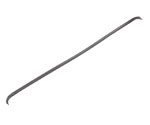 Representative Photo, actual item may vary
 Representative Photo, actual item may vary

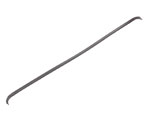 Representative Photo, actual item may vary

 Representative Photo, actual item may vary
 Representative Photo, actual item may vary
What Is a Sunroof Seal and Why Does It Matter?
A sunroof seal — sometimes called a sunroof gasket or sunroof weatherstrip — is the rubber or foam perimeter seal that runs along the edge of your vehicle's sunroof or moonroof panel. Its primary job is to form a watertight, airtight barrier between the glass panel and the roof structure, preventing rain, road spray, wind noise, and outside air from penetrating the cabin. Without a properly functioning seal, even a small gap can allow water to drip onto headliners, soak interior trim, and promote mold or rust behind the scenes.
Signs Your Sunroof Seal Needs Replacing
Sunroof seals are made from rubber or EPDM compounds that endure constant UV exposure, temperature swings, and mechanical flexing every time the panel opens or closes. Over time these materials harden, crack, compress, or pull away from their mounting channels. Common warning signs include:
- Water leaks into the cabin during rain or a car wash
- Increased wind noise or whistling at highway speeds
- Visible cracking, shrinkage, or tearing along the seal's edge
- Debris or leaves trapped under the seal, causing distortion
- A sunroof that no longer closes flush against the roof
Addressing a worn seal promptly is far less costly than repairing water-damaged headliners, electrical components, or corroded body panels — all of which can result from a neglected leak.
Choosing the Right Sunroof Seal
Fit is everything when it comes to sunroof seals. Because sunroof designs vary widely by make, model, year, and even production trim level, it is critical to match the replacement seal to your exact vehicle specifications. OEM-style seals replicate the original profile, durometer (rubber hardness), and attachment method — whether that's an adhesive-backed strip, a clip-in channel design, or a molded frame gasket. Aftermarket options can offer comparable quality at a different price point, but confirming compatibility before purchase is essential.
Top Sunroof Seal Brands
Genuine Porsche sunroof seals are OEM-direct components produced to the exacting tolerances Porsche specifies for its vehicles. For Porsche owners, using factory-sourced seals ensures the correct rubber compound, profile geometry, and fitment that aftermarket alternatives may not always replicate.
ACDelco is General Motors' own parts division, bringing decades of OEM engineering expertise to a wide range of body sealing components. ACDelco sunroof seals are designed to meet GM's original specifications, making them a trusted choice for Chevrolet, Buick, GMC, and Cadillac owners seeking a reliable factory-grade replacement.
URO Parts specializes in replacement components for European vehicles — particularly brands like BMW, Mercedes-Benz, Volvo, and Saab — where quality rubber seals can otherwise carry steep dealership prices. URO offers a practical middle ground: parts engineered to restore OEM function without the OEM price tag.
Fairchild has a long-standing reputation in the automotive sealing industry, producing weatherstrips and gaskets for a broad spectrum of domestic and import vehicles. Their seals are known for consistent material quality and precise channel fit, making them a dependable choice for body shop professionals and DIY restorers alike.
Installation Tips
Before installing a new sunroof seal, thoroughly clean the mounting channel with a mild solvent to remove old adhesive, dirt, and oxidized rubber residue. Starting at a corner and working evenly around the perimeter helps prevent bunching or gaps. On adhesive-backed seals, applying gentle heat from a heat gun softens the material and improves conformance to curved channels.