


Radiator Insulator



Crown Automotive 52079884AA Lower Radiator Isolator, Left or Right


Prothane 7-1717-BL C5 Corvette Radiator Isolator Kit Black Polyurethane 4-Piece







Prothane 7-1713 Radiator Support Insulator Kit Chevy/GMC Small Block 1988-1998

Prothane 7-1714 Polyurethane Radiator Insulator Kit Big Block Chevy Truck


Prothane 7-1714-BL Radiator Support Insulator Kit Chevy Truck Big Block 88-98

Prothane 7-1718 Radiator Support Isolator Kit 1984-1989 C4 Corvette





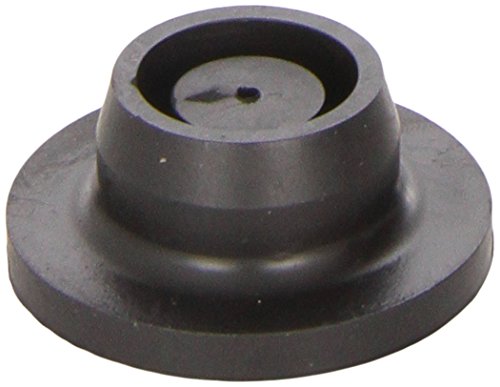 Representative Photo, actual item may vary


 Representative Photo, actual item may vary

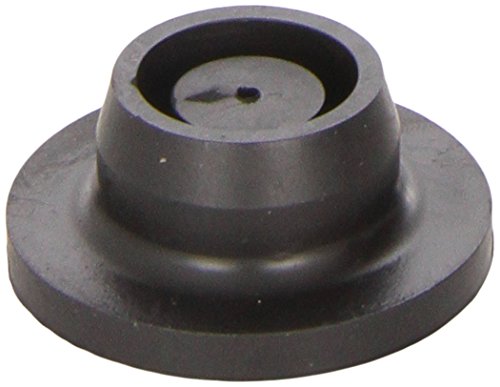 Representative Photo, actual item may vary


What Is a Radiator Insulator and Why Does It Matter?
A radiator insulator — also called a radiator isolator or isolator pad — is a small but critically important component in your vehicle's cooling system. Its job is to cushion and secure the radiator within the engine bay, preventing it from shifting, rattling, or contacting surrounding components during normal driving. These pads and bushings sit between the radiator and its mounting brackets or chassis supports, absorbing the constant vibration and shock that comes with everyday driving.
It's easy to overlook these modest components, but their role is anything but minor. Radiator insulators hold the radiator in place when a vehicle travels over bumps and rough terrain, protecting neighboring parts from collision. When they wear out or fail, the radiator can rattle under the hood and collide with surrounding components, possibly causing cracks and coolant leaks. Left unchecked, a loose radiator can contribute to overheating and even engine damage — a far more costly repair than a simple insulator replacement.
Material Matters: Rubber vs. Polyurethane
Factory radiator insulators are typically made of rubber, which works well but degrades over time when exposed to heat, engine fluids, and age. Many enthusiasts and everyday drivers opt for polyurethane replacements, which offer greater durability and resistance to the chemical environment under the hood. Polyurethane insulators are not as soft as rubber, meaning they keep the radiator more securely in place, though with slightly less vibration absorption. For most street-driven vehicles, the added security is well worth the trade-off.
Top Brands in Radiator Insulators
Energy Suspension is a leading brand in this category, and for good reason. Widely recognized as a world leader in performance polyurethane components, Energy Suspension produces radiator isolator pad sets using their proprietary Hyper-Flex™ material. Their insulators are engineered to outlast OEM rubber parts and install in the same manner as the factory pieces — making them a popular upgrade for classic GM trucks and muscle cars.
Crown Automotive is a trusted name in OEM-quality replacement parts, particularly for Jeep and Chrysler vehicles. Their radiator insulators are designed to meet original factory specifications, making them an ideal choice for drivers who want a straightforward, correct-fit replacement without guesswork.
Prothane is another well-respected polyurethane specialist offering radiator isolator bushings for a range of classic and performance vehicles. Like Energy Suspension, Prothane's parts are molded from durable poly that resists heat and chemical exposure — and their black bushings even incorporate a small amount of graphite to help with self-lubrication during installation.
Scott Drake rounds out the lineup with a strong selection of radiator insulators aimed squarely at Ford enthusiasts, particularly Mustang restorers. Scott Drake specializes in Ford restoration parts, and their radiator insulators are designed to match original factory appearance and fit for classic-era Mustangs and other Ford models.
When to Replace Your Radiator Insulator
- You notice the radiator rattling or moving inside the engine bay
- Visible cracking, crumbling, or compression of the rubber or polyurethane pads
- After removing and reinstalling the radiator during a cooling system service
- Your vehicle has high mileage and the cooling system has never been fully inspected
Replacing radiator insulators is typically a straightforward DIY job requiring only basic hand tools. Given the low cost of the parts compared to the potential damage from a loose radiator, it's a maintenance step well worth staying on top of.