


Pressure Reducing Valves

Sensus 496-20-1/2 Gas Pressure Regulator with Internal Relief Valve 1/2" NPT


Resideo by Honeywell FK06-101-DUS-LF PRV Filter Combination 3/4" Sweat Lead Free


Xylem-Bell & Gossett B7-12 3/4" NPT Pressure Reducing Valve Lead-Free Brass 12 PSI



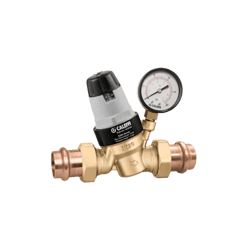


 Representative Photo, actual item may vary

Resideo by HoneyWell Dialset Low Lead Pressure Regulating Valve Double Union Sweat


Resideo by Honeywell DS06-102-LF 1" Dialset Low Lead Pressure Regulating Valve Union Body
 Representative Photo, actual item may vary
Resideo by Honeywell DS06-100-LF 1/2" Dial-Set Pressure Reducing Valve 25-90 PSI

Caleffi 535370HA 535H Series Pressure Reducing Valve 1-1/4" NPT Female ASSE 1003

Caleffi 535351HA PresCal Pressure Reducing Valve 3/4" NPT with Gauge ASSE 1003
Caleffi 535341HA 535H Series Pressure Reducing Valve 1/2" NPT Female with Gauge
 Representative Photo, actual item may vary
 Representative Photo, actual item may vary
Xylem-Bell & Gossett 110196LF B7-12 3/4" NPT Pressure Reducing Valve 12 PSI Lead-Free Brass
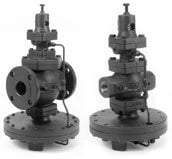
Armstrong International GP-2000-1.5-15/200 Externally Piloted Pressure Reducing Valve 1.5 Inch
 Representative Photo, actual item may vary
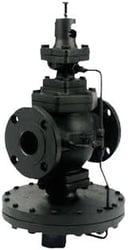
Armstrong International GP-2000-1 1/4-321 Steam Pressure Reducing Valve with 3-21 PSI Pilot

Armstrong International GD-30-1-7/60 1" Direct-Acting Pressure Reducing Valve 7-60 PSI

Armstrong International GP2000-075-3-21 3/4" NPT Pressure Reducing Valve 3-21 PSI
 Representative Photo, actual item may vary
Armstrong International GP2000-050-3/21 1/2" Pressure Reducing Main Valve with 3-21 PSI Spring
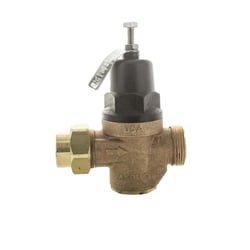


Conbraco 36C-104-02 Water Pressure Reducing Valve 3/4" Union x FNPT 10-35 PSI
Conbraco 36-104-02 Water Pressure Reducing Valve 3/4" Union x FNPT 10-35 PSI with Bypass


Xylem-Bell & Gossett 110195LF Model 7 Pressure Reducing Valve 3/4" NPT Brass 45 PSI
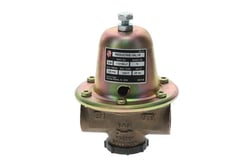
Xylem-Bell & Gossett 110194LF Model #6 Pressure Reducing Valve 1/2" NPT Brass Lead-Free




Xylem-Bell & Gossett 110197LF F-3 Dual Unit Combination Valve 1/2" NPT 12 PSI/30 PSI Lead Free
 Representative Photo, actual item may vary
Xylem-Bell & Gossett 110192LF FB-38 1/2" Lead-Free Fast Fill Pressure Reducing Valve 12 PSI

Xylem-Bell & Gossett 110190LF B-38 Pressure Reducing Valve 1/2" NPT 12 PSI Lead-Free Brass

 Representative Photo, actual item may vary
Resideo by Honeywell DS06-103-DUS-LF 1.25" Pressure Reducing Valve with Double Union Sweat

Resideo DS06-102-DUT-LF 1" DialSet Pressure Regulating Valve Double Union NPT Low Lead

Siemens Building Technology 201-1000 Pressure Reducing Valve Single-Stage Compressed Air

 Representative Photo, actual item may vary


 Representative Photo, actual item may vary
Fisher R92BLPX0012 Control Pilot Repair Kit for 92B Pressure Reducing Valves

Resideo by Honeywell DS05-102-LF 1" Lead Free Pressure Regulating Valve DN25 NPT

Pietro Fiorentini 31152-3BP 1" Balanced Pressure Regulator Valve with 5" Diaphragm

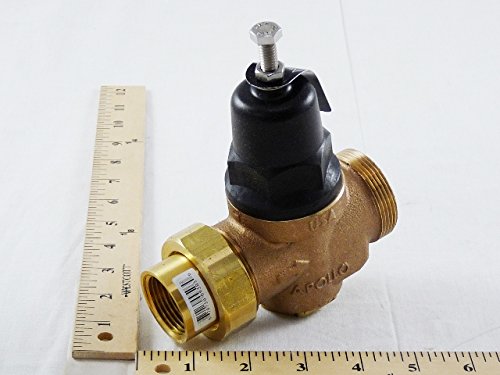 Representative Photo, actual item may vary
Conbraco 36CLF-104-01 3/4" Single Union NPT Pressure Reducing Valve 25-75 PSI

Honeywell PP902D1007 Pneumatic Pressure Reducing Valve & Filter Station for Dual Pressure Systems

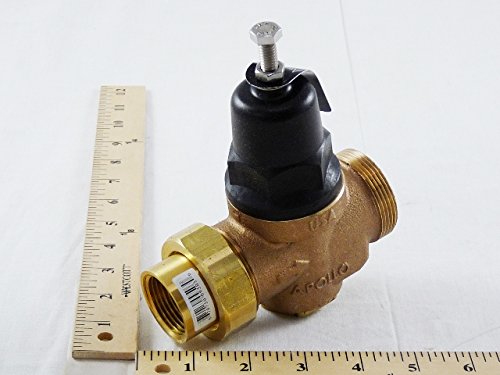 Representative Photo, actual item may vary
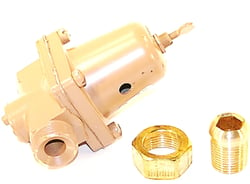
Conbraco 35-503-01 Bronze Fast Fill Feed Water Pressure Regulator 1/2 Inch Union
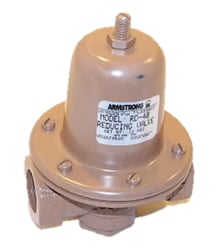
 Representative Photo, actual item may vary
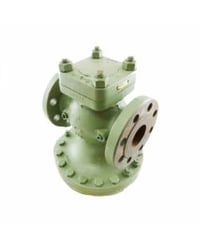
Spence Engineering Company D550 Type D Pressure Reducing Pilot 5-50 PSI Cast Iron



- 1
- 2
What Are Pressure Reducing Valves?
A pressure reducing valve (PRV) — sometimes called a pressure regulating valve — is one of the most important yet overlooked components in a residential or commercial plumbing system. Installed on the main water supply line, a PRV automatically reduces the incoming supply pressure from the municipal main to a safe, steady level before it reaches your pipes, fixtures, and appliances. Without one, excessively high water pressure can silently damage everything from faucets and showerheads to water heaters, dishwashers, and washing machines over time.
Why Water Pressure Regulation Matters
Municipal water supply pressures can vary dramatically and often arrive at a building well above the safe range for residential plumbing systems. Most household plumbing is designed to operate comfortably between 40 and 80 PSI. Sustained pressure above that threshold accelerates wear on pipe joints, causes water hammer, shortens the lifespan of appliances, and can even void manufacturers' warranties. A quality PRV maintains a constant outlet pressure across a wide range of fluctuating inlet supply pressures, acting as a silent guardian for your entire plumbing infrastructure.
Key Considerations When Choosing a Pressure Reducing Valve
- Connection Size & Type: PRVs are available in common sizes such as 1/2", 3/4", and 1" NPT or push-to-connect fittings. Match the valve to your supply line diameter for proper flow.
- Inlet Pressure Range: Make sure the valve is rated to handle your incoming supply pressure. Some models handle up to 250 PSI or higher on the inlet side.
- Adjustability: Look for valves with an accessible adjustment mechanism — dial-set designs allow you to fine-tune the outlet pressure without the need for additional gauges.
- Material & Certifications: Brass and bronze bodies offer excellent durability and corrosion resistance. For potable water applications, look for compliance with NSF/ANSI 61 and NSF/ANSI 372 (lead-free standards), as well as ASSE 1003 or IAPMO listings.
- Application Type: Residential PRVs differ from industrial-grade steam and fluid control regulators. Know whether you need a valve for domestic water, irrigation, steam distribution, or industrial process control before purchasing.
Top Brands in Pressure Reducing Valves
Resideo by Honeywell is a leading name in residential and commercial water pressure regulation. Their valve lineup — including the popular DialSet series — features brass and bronze bodies with stainless steel internal components, and models are compliant with NSF/ANSI 61 and NSF/ANSI 372 for safe use in potable water systems. The DialSet design includes a built-in adjustment dial that eliminates the need for a separate pressure gauge during setup, making installation straightforward for both professionals and experienced DIYers.
Spence Engineering Company brings a deep industrial heritage to the pressure reducing valve category. Founded in 1926, Spence pioneered the normally closed, external pilot-operated packless pressure regulator — a design that remains the foundation of their product line today. Their pilot-operated E Main valves are engineered for steam distribution, process control, and district heating systems, and are available in sizes from 3/8" to 12" in cast iron and cast steel bodies, making them a go-to solution for demanding institutional and industrial applications.
Installation & Maintenance Tips
PRVs should typically be installed on the main cold water supply line, after the main shutoff valve and before any branch lines. Many professionals recommend pairing a PRV with a thermal expansion tank when the system is closed, since reducing pressure without allowing for thermal expansion can create excess stress in water heaters. Regularly checking the outlet pressure with a gauge and inspecting the internal strainer screen for debris will help ensure years of reliable service.