


 HVAC Control Valves & Actuators
2,955
 Furnace & A/C Control Boards
1,027
 Damper Actuators & Accessories
848
 Globe & Control Valves
782
 Temperature & Pressure Controls
590
 HVAC Sensors & Probes
532
 Furnace & Boiler Pressure Switches
490
 Temperature Sensors & Thermistors
470
 Ball & Motorized Ball Valves
440
 Boiler Control Boards & Modules
331
 Furnace Limit & Safety Switches
262
 Programmable & Smart Thermostats
261
 Line Voltage Thermostats
227
 Valve Repair Kits & Valve Parts
220
 Non-Programmable & Mechanical Thermostats
208
 Thermostat & Control Parts & Accessories
205
 Pressure Sensors & Transducers
193
 Thermostat Accessories & Subbases
191
 Zone Dampers & Zone Control Panels
128
 Pneumatic Thermostats
113
 Humidity Sensors & Humidistats
92


 Representative Photo, actual item may vary
 Representative Photo, actual item may vary


KMC Controls CTC-1621-103 2-Pipe Direct Acting Vertical Thermostat 55-85°F


KMC Controls CSC-3025-10 Pneumatic VAV Reset Volume Controller Universal 0-2" Range

KMC Controls CSC-3021-10 Pneumatic Reset Volume Controller for VAV Systems
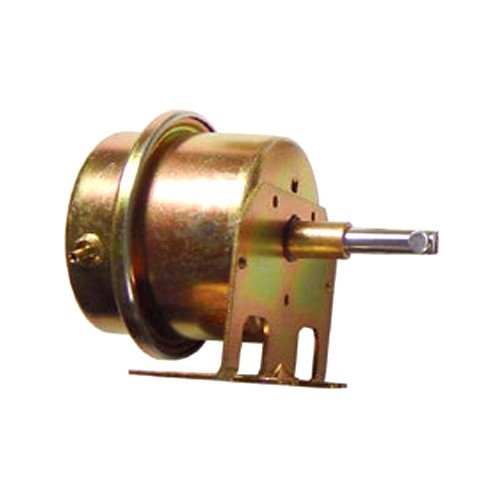 Representative Photo, actual item may vary
 Representative Photo, actual item may vary


KMC Controls BAC-4001CW0002 BACnet AppStat Controller 2H/3C Rooftop Split Systems


KMC Controls CSC-3011-10 Pneumatic Reset Volume Controller 0-1 Inch 8 PSIG


KMC Controls CSC-2004 Pneumatic VAV Reset Volume Controller Reverse Acting Normally Closed

 Representative Photo, actual item may vary
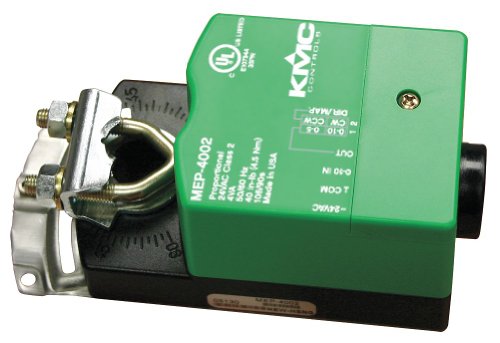 Representative Photo, actual item may vary
KMC Controls MEP-4501 Direct-Coupled HVAC Actuator 24V Tri-State Non-Failsafe 45 in-lb
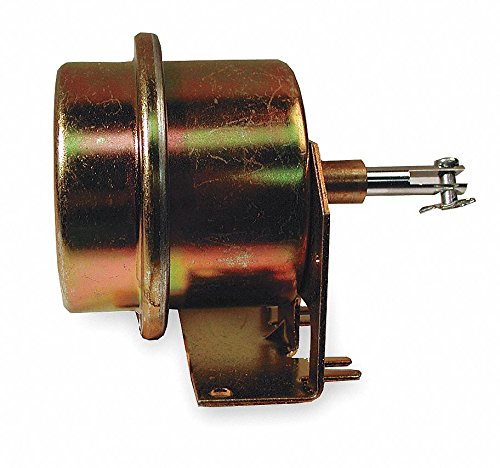 Representative Photo, actual item may vary
KMC Controls MEP-4252V 24V 25 lb-in Spring Return Actuator with 2-10 VDC Control
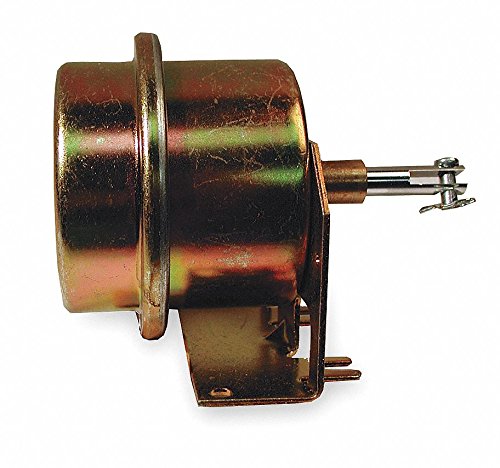 Representative Photo, actual item may vary


KMC Controls MEP-3504 120V Spring Return Normally Open 2-Position Valve Actuator

 Representative Photo, actual item may vary
 Representative Photo, actual item may vary


KMC Controls MCP-1140-5520 Pneumatic Damper Actuator 4 Inch Stroke 8-13 PSI Clevis Mount

KMC Controls MCP-1130-5520 3" Pneumatic Damper Actuator 8-13 PSI Post Mount with Clevis

KMC Controls MCP-1130-3520 Pneumatic Damper Actuator 3" Stroke 5-10 PSI with Clevis

KMC Controls MCP-1040-5211 Pneumatic Damper Actuator 4" Stroke 8-13 PSI Right Angle Mount

KMC Controls MCP-1040-5208 Right Angle Actuator 4 Inch Stroke 8-13 PSI Ball Joint
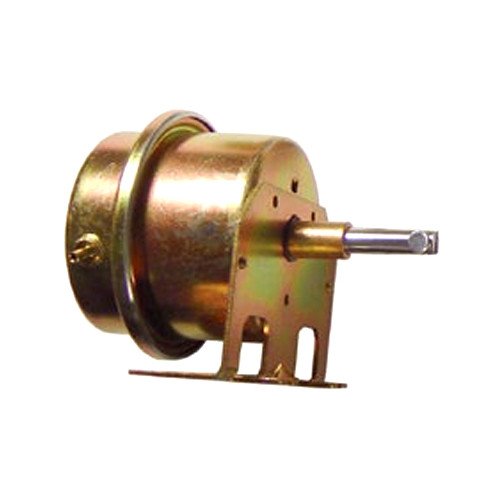 Representative Photo, actual item may vary
KMC Controls MCP-1040-1211 Damper Actuator 4" Stroke with Positioner and 1/2" Crank Arm
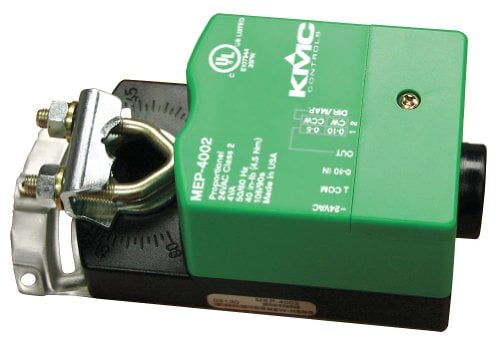 Representative Photo, actual item may vary
KMC Controls MCP-1030-5111 3-Inch Stroke Spring Return HVAC Damper Actuator

KMC Controls MCP-1030-3108 Pneumatic Damper Actuator 3" Stroke 5-10 PSI Bracket Mount Ball Joint

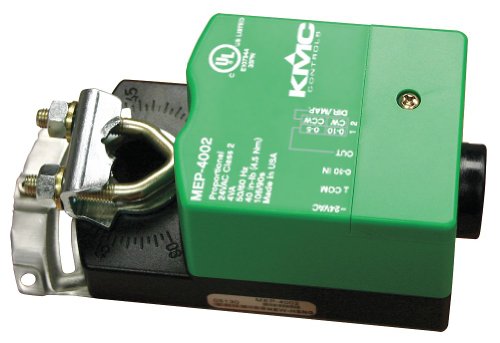 Representative Photo, actual item may vary
KMC Controls MCP-1020-8311 Pneumatic Actuator 2" Stroke 4-8 PSI 1/2" C-Arm
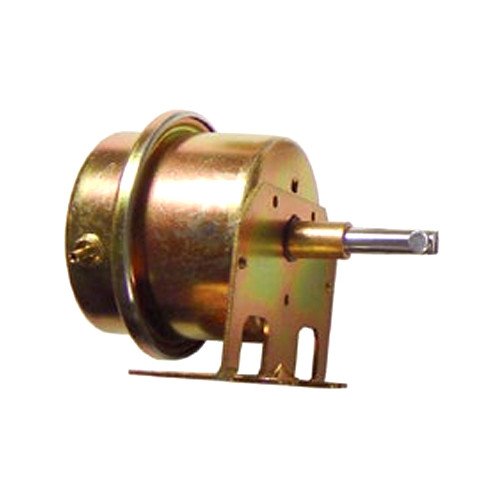 Representative Photo, actual item may vary
KMC Controls MCP-1020-8308 Damper Actuator 2 Inch Stroke 4-8# Spring Return

KMC Controls MCP-1020-5308 2" Pneumatic Damper Actuator 8-13 PSI Right Angle Bracket
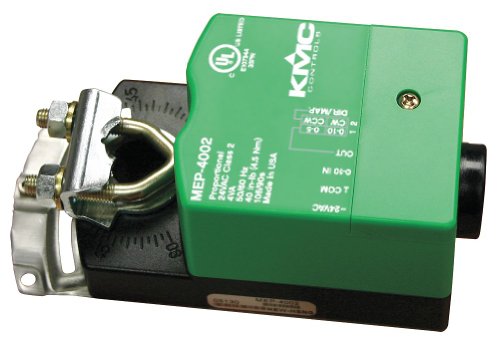 Representative Photo, actual item may vary
KMC Controls MCP-1020-3311 2-Inch Stroke Actuator 5/10 lb Spring Return with Linkage
 Representative Photo, actual item may vary
 Representative Photo, actual item may vary
KMC Controls MEP-3501 24V Spring Return Normally Closed 2-Position Zone Valve Actuator


KMC Controls MCP-8031-8101 Pneumatic VAV Actuator 3-8 PSI Linear 1-11/16" Stroke
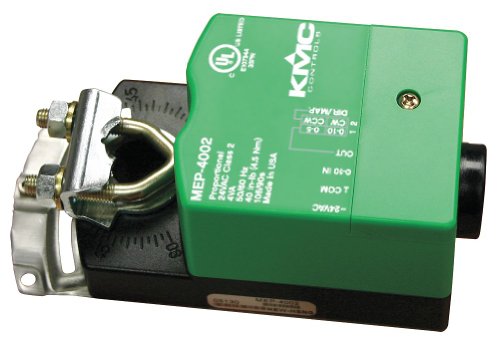 Representative Photo, actual item may vary

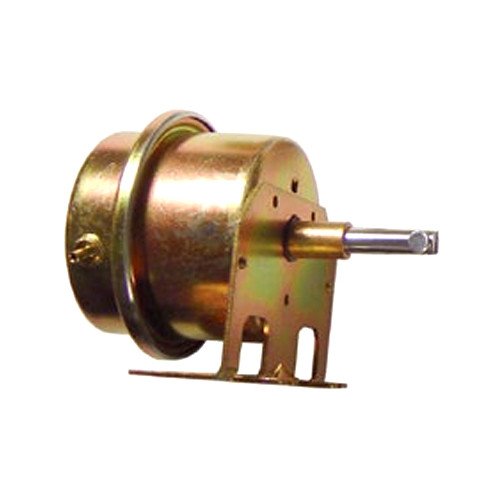 Representative Photo, actual item may vary
KMC Controls MEP-5071 Tri-State Damper Actuator 24VAC 50 in-lb 60°/min Non-Failsafe

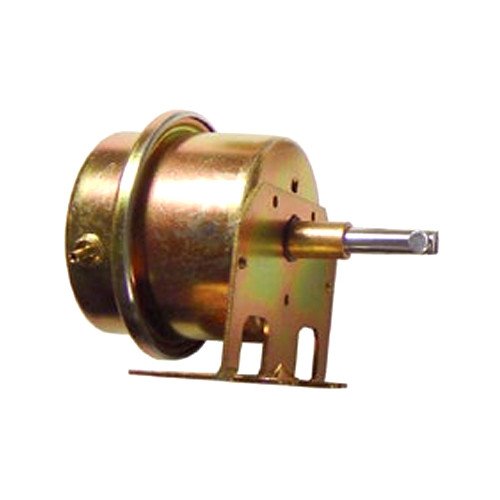 Representative Photo, actual item may vary
KMC Controls MEP-4552V 24VAC 45 lb-in Spring Return Actuator with 2-10VDC Control

Why Thermostats, Controls & Valves Are Essential to Your Vehicle
Few systems in your vehicle are as quietly important as the network of thermostats, controls, and valves that govern engine temperature. Acting as the gatekeeper for your car's cooling system, these components make split-second decisions about coolant flow that can mean the difference between optimal performance and catastrophic engine failure. Understanding what they do — and why they matter — is the first step to keeping your vehicle running reliably for years to come.
How Engine Thermostats Work
A thermostat is a key component of the engine's cooling system that regulates coolant flow based on engine temperature. It remains closed when the engine is cold, allowing it to warm up quickly, and opens as the engine reaches optimal operating temperature to let coolant circulate to the radiator. This seemingly simple action has profound effects on engine health and efficiency.
During normal use, the thermostat is never in the fully closed or fully open position — it depends on the condition of the engine and gradually nears either state to control coolant flow. Most thermostats open at 180–195°F and use a wax-filled mechanism that expands with heat to operate. This purely mechanical response is remarkably reliable, though modern vehicles increasingly use electronically controlled variants for even greater precision.
The Broader Category: Controls & Valves
The thermostat is just one piece of a larger puzzle. The Thermostats, Controls & Valves category encompasses a wide range of components that regulate fluid flow, temperature, and pressure throughout your vehicle's systems. These include:
- Coolant control valves — designed to control the distribution and flow of coolant, managing heat transfer between the engine, radiator, and heater core.
- Bypass thermostats — direct coolant flow through a bypass when the engine is cold and redirect it to the radiator once warmed up.
- Electronic and map-controlled thermostats — used in advanced cooling systems to maintain optimized cooling based on changing driving conditions, offering a significant improvement in accuracy over purely mechanical types.
- Temperature sensors and switches — monitoring components that feed data to the engine control unit, enabling intelligent management of cooling and heating circuits.
- Heater control valves — regulate how much hot coolant flows into the cabin heater core, directly affecting interior comfort and defrost performance.
Why These Parts Matter for Performance and Longevity
Maintaining proper engine temperature improves fuel efficiency, reduces engine wear caused by temperature fluctuations, and supports emission control by ensuring consistent combustion temperature. Conversely, common failure modes include a thermostat getting stuck open — causing poor heating — or stuck closed, which causes overheating. Either condition places unnecessary stress on the entire cooling system and can lead to costly repairs.
The main engine coolant is often used to cool one or more additional heat exchangers or radiators, such as a transmission oil cooler, a fuel cooler, or an air-charge cooler, making this category relevant well beyond just the primary engine cooling circuit.
What to Consider When Shopping This Category
When selecting a thermostat, control, or valve, always match the component's temperature rating to your vehicle manufacturer's specification. Thermostats are designed to meet manufacturer's specifications for temperature ratings, which is critical for optimal engine performance. Also consider whether your application calls for a conventional mechanical unit or a more advanced electronically controlled design, especially in late-model vehicles with precision thermal management systems. Finally, plan to replace your thermostat every 100,000 miles or when you notice temperature regulation problems to stay ahead of potential failures.