


Engine Oil Strainer Cover
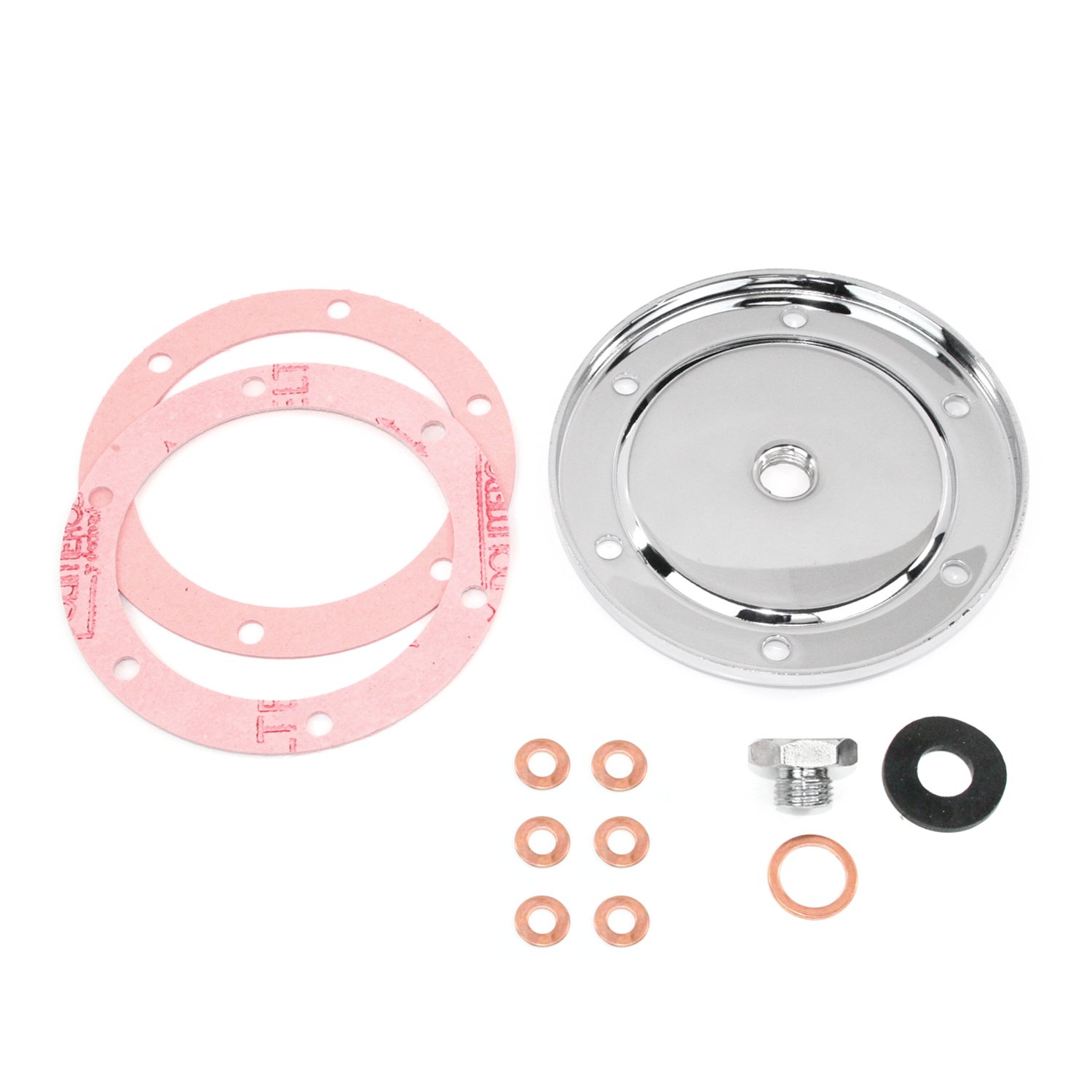 Representative Photo, actual item may vary


IAP Performance AC115200 Chrome Oil Strainer Cover Kit for Air-Cooled VW Beetle


What Is an Engine Oil Strainer Cover?
The engine oil strainer cover is a precision-fit component seated within the cylinder block's lower assembly, enclosing and protecting the oil strainer — the critical mesh screen that guards the entrance to your engine's oil pump. While it may be one of the less-discussed parts of the lubrication system, its role in maintaining engine health is substantial. Without a properly sealed strainer cover, the entire oil filtration process is compromised before it even begins.
How the Oil Strainer System Works
Engine oil lubrication begins at the bottom of the block. Engine oil strainer covers work in concert with the strainer itself — a mesh screen positioned at the oil pump inlet, typically located inside or just above the oil pan. The oil strainer is a mesh screen positioned at the inlet of the oil pump, and its primary job is to trap metal particles, sludge, dirt, and other contaminants before oil enters the pump and circulates throughout the engine. The strainer cover seals and protects this assembly against the cylinder block, ensuring that pressurized oil travels along the correct path through the engine's oil passages.
The strainer acts as the first line of defense — any debris larger than the mesh openings gets caught here, preventing damage to the pump's internal gears and the precision-fit bearing surfaces that depend on clean oil. When this screen becomes clogged, the pump has to work harder to pull oil through, reducing the volume of oil that reaches critical engine components like the crankshaft bearings, camshaft, and valve lifters. A compromised or missing strainer cover allows unfiltered oil, air, or debris to bypass the strainer entirely, defeating the whole system.
Why the Strainer Cover Matters for Engine Health
A restricted or damaged strainer means the engine receives inadequate oil pressure and flow to key bearing surfaces, allowing metal-on-metal contact that causes accelerated wear. Crankshaft main bearings, rod bearings, and camshaft journals are especially vulnerable; prolonged operation with low oil pressure can cause them to wear to the point of failure, potentially resulting in a seized engine or catastrophic internal damage.
Signs of a failing oil strainer system may include reduced oil pressure, increased engine temperature, and unusual noises. Prompt attention to these signs can prevent more severe damage and costly repairs. Since the strainer cover plays a direct role in sealing this assembly against the cylinder block, any crack, warp, or seal failure can introduce these exact problems — even if the strainer mesh itself remains clean and intact.
When to Replace the Engine Oil Strainer Cover
The oil strainer cover is typically replaced during major engine service, oil pan removal, or any time the lower cylinder block is disassembled. It is also common practice to replace the cover when addressing persistent oil pressure complaints, sludge buildup, or after an engine rebuild. Regular maintenance of the oil strainer assembly is essential to ensure effective operation, including periodic cleaning or replacement depending on operating conditions.
If a cover was replaced incorrectly — over-tightened, under-tightened, or installed without proper surface preparation — it can fail prematurely. The gasket must be torqued to manufacturer specification; too much force crushes the material and causes leaks, while too little leaves gaps. Always consult your vehicle's service manual for the correct torque values and gasket requirements specific to your engine.
Choosing the Right Engine Oil Strainer Cover
Because the oil strainer cover interfaces directly with precision-machined surfaces on the cylinder block, fit and material quality are paramount. OEM-equivalent covers are generally recommended to ensure correct sealing surface geometry and material compatibility with your engine's operating temperatures and oil chemistry. Many covers are sold as kits that include the necessary gaskets or O-rings — making it straightforward to restore the full integrity of the strainer assembly in a single service.