


Engine Oil Temperature Sensor





Genuine Porsche 930-606-915-00 Cylinder Head Temperature Sensor







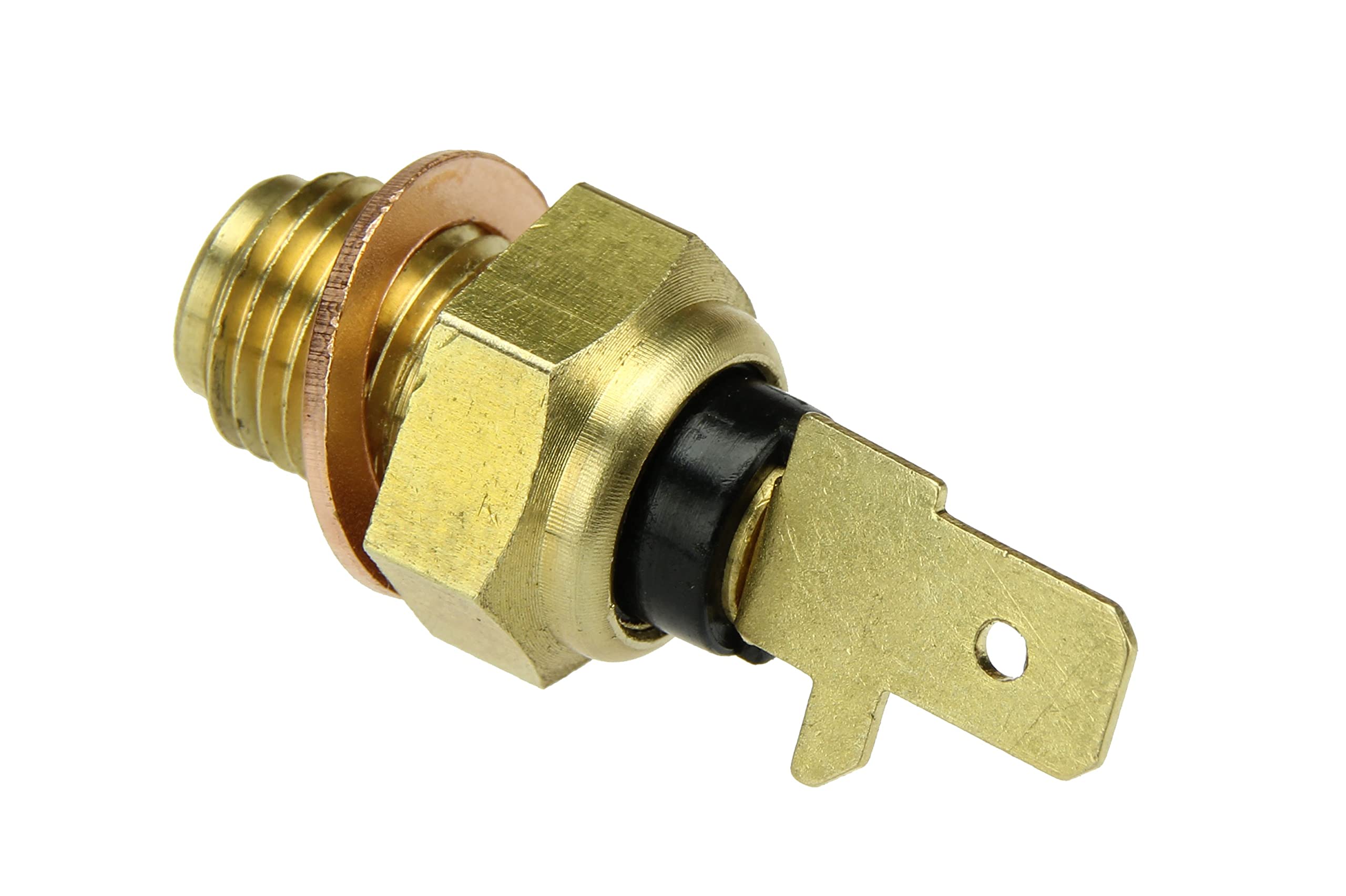 Representative Photo, actual item may vary

 Representative Photo, actual item may vary






 Representative Photo, actual item may vary


Dorman 904-7549 Engine Oil Temperature Sensor for Ford and International


 Representative Photo, actual item may vary
 Representative Photo, actual item may vary



 Representative Photo, actual item may vary

What Is an Engine Oil Temperature Sensor?
The engine oil temperature sensor (EOT or OTS) is a small but critical component that monitors the thermal state of your engine's lubricating oil and relays that data to the Engine or Powertrain Control Module (ECM/PCM). While it may not get the same attention as filters or spark plugs, its role in protecting your engine is substantial.
Engine oil temperature sensors work through a semiconductor measuring resistor — typically a negative temperature coefficient (NTC) element — housed within a probe that contacts the oil directly. This resistor exhibits high resistance at low temperatures, which decreases as temperature rises, giving the ECM a precise, real-time reading of oil thermal state.
Why the EOT Sensor Matters
Engine oil does more than lubricate — it also carries heat away from friction surfaces. The viscosity of that oil changes dramatically with temperature, and your engine's control systems depend on knowing that viscosity to function correctly. The ECM uses EOT data to calculate oil viscosity under operating conditions, which is critical for systems like variable valve timing and cylinder deactivation, both of which require minimum viscosity levels to operate properly.
On diesel engines, the EOT sensor plays an even more active role: if oil temperature is too low, the ECM will command the glow plugs to activate and warm the combustion chamber before ignition. The sensor also feeds into injection timing calculations and fuel quality assessments, making it integral to efficient diesel operation.
Vehicles with turbocharged or supercharged engines, high-performance gasoline engines, and light-duty diesel trucks are especially likely to be equipped with a dedicated oil temperature sensor rather than relying on inferred measurements from coolant or intake air temperatures.
Signs of a Failing Oil Temperature Sensor
- OBD-II diagnostic trouble codes P0195–P0199 or P0298
- Erratic or missing oil temperature gauge readings
- Drivability issues related to incorrect injection timing or glow plug behavior
- Illuminated check engine light alongside other temperature-related codes
Common failure causes include corroded connector pins, damaged sensor harnesses, loose wiring connections, or — less commonly — low oil level that causes inaccurate readings.
Top Brands for Engine Oil Temperature Sensors
When replacing an EOT sensor, matching the OEM specification is almost always the right call. Genuine OEM sensors are manufactured to the exact tolerances required by your vehicle's ECM, ensuring accurate signal output and plug-and-play fitment with no recalibration needed.
For Porsche owners, Genuine Porsche sensors deliver the precision engineering that high-performance Porsche engines demand — particularly important in turbocharged platforms where thermal management is tightly integrated into engine management strategy.
Similarly, Genuine Mercedes oil temperature sensors are engineered to meet the rigorous standards of Mercedes-Benz powertrains, including those with advanced cylinder deactivation and variable camshaft timing systems that rely on accurate viscosity data.
For motorsport and performance data acquisition applications, Racepak brings a different dimension to oil temperature monitoring. Their V-Net oil temperature sensors integrate with Racepak data loggers and dashes, transmitting real-time oil temperature data alongside other channels over a single smart network cable — ideal for competitive builds where every degree matters.