


Racepak


Racepak 250-DS-IQ3D IQ3D Drag Logger Dash Display with V-Net Data Recording


Racepak Aluminum Low Flow Meter Fuel System Water / Methanol Injection Module

Racepak Stainless Steel Flow Meter Fitting Water / Methanol Injection Module


Racepak Aluminum Turbine Flow Meter Fitting Water / Methanol Injection Module


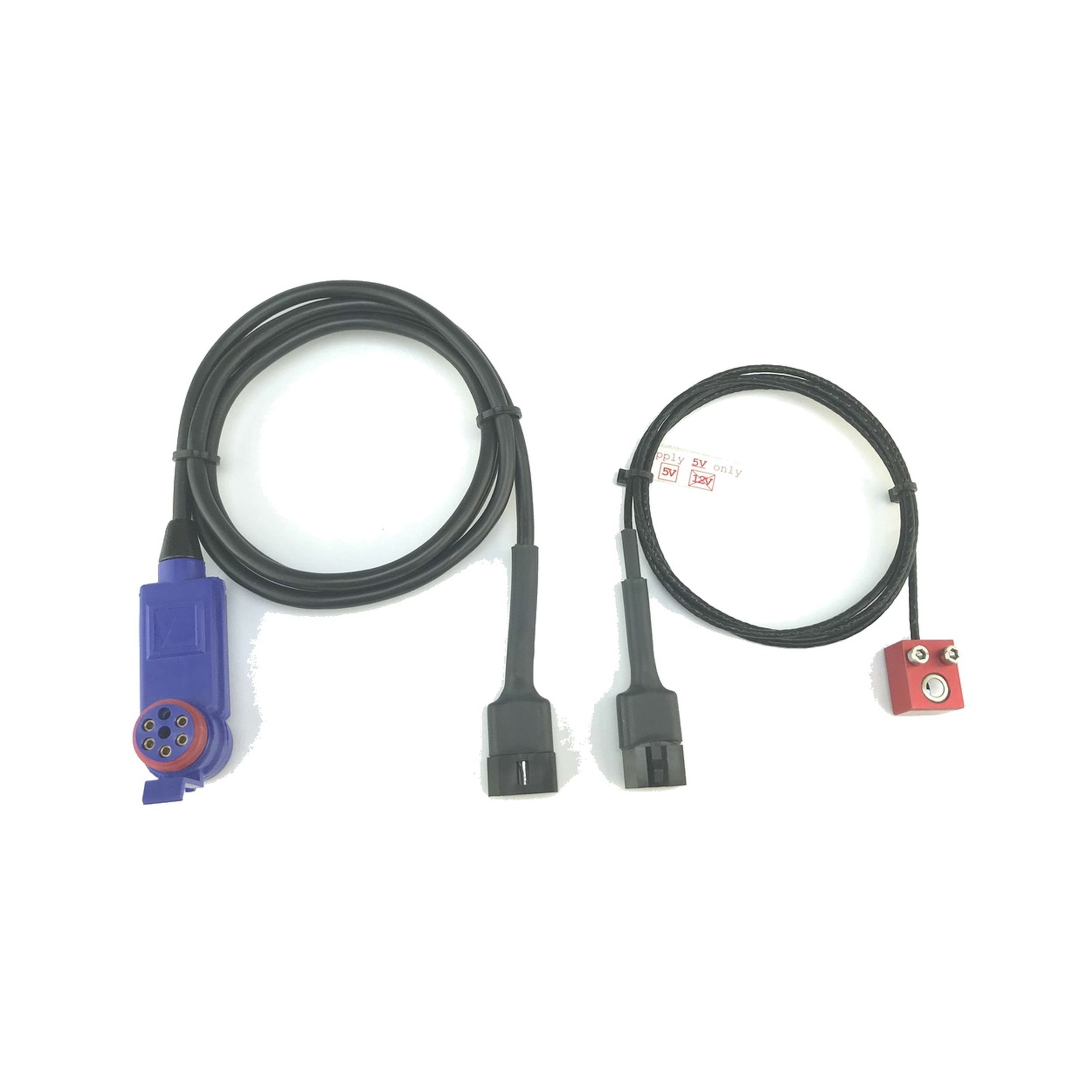 Representative Photo, actual item may vary


Racepak 250-KT-IQ3SGPS IQ3S Street Dash Digital Display Bundle with GPS


 Representative Photo, actual item may vary
Racepak 89912-D075 Vantage CL1 4-Magnet Split Collar 0.75 Inch ID Jackshaft RPM Sensor

Racepak 220-VP-PT-NP300 V-NET Nozzle Pressure Sensor for Supercharged Applications


Racepak 230-VM-EFITECH EFI Technology Interface Module for V-Net System


Racepak: The Gold Standard in Motorsports Data Acquisition
For serious racers, data is everything. Knowing precisely what your engine, drivetrain, and chassis are doing at every moment on the track is the difference between winning and guessing. Since 1985, Racepak — founded under Competition Systems, Inc. (CSI) and headquartered in Rancho Santa Margarita, California — has been engineering the instruments that give racers that edge. From grassroots sportsman drag racers to professional circle track and offshore powerboat teams, Racepak has built a reputation as a leader in motorsports data acquisition technology.
What began as a single data recorder has evolved into a comprehensive ecosystem of hardware, software, and sensors. Today, Racepak's lineup spans digital dash displays, data loggers, GPS modules, and a wide array of precision sensors, all centered around their proprietary V-Net (CAN bus) architecture. This modular design means racers can start with a core system and expand their monitoring capabilities incrementally — adding channels and sensors as their programs grow — without replacing their entire setup.
Data Loggers and Acquisition Systems Built for Every Level
At the heart of any Racepak setup is the data logging unit. From the budget-conscious Sportsman Data Logger — purpose-built for sportsman drag racers — to the professional-grade V300SD and V500 series used in Pro Stock and Pro Modified competition, there is a Racepak logger for every level of the sport. The IQ3 family combines a full-featured display dash with integrated data logging, making it ideal for drag racing, circle track, and tractor pulling applications alike. All units are compatible with Racepak's Datalink II software, which delivers professional-level analysis tools in a format accessible enough for the weekend racer.
Expanding the capabilities of these core units is made simple through Racepak's data acquisition modules. These V-Net compatible modules allow racers to plug in additional sensor inputs — from transmission pressure to air/fuel ratio to nitrous fuel pressure — without complex wiring modifications. The modular approach is a defining feature of the Racepak ecosystem, enabling scalable, race-day-ready builds across a broad spectrum of motorsports disciplines.
Sensors and Connectivity That Close the Loop
Accurate data starts with accurate sensors. Racepak's vehicle speed sensors use hall-effect technology with driveshaft-mounted magnet collars to deliver precise speed and RPM data to the data logger — critical inputs for calculating reaction time, 60-foot times, and overall elapsed time analysis. Keeping the engine healthy during competition is equally important, and Racepak's engine oil pressure sensors integrate seamlessly into the V-Net system, giving drivers and crews real-time visibility into one of the most critical engine health parameters on the car.
Tying all of these components together is a range of purpose-built data logging unit cables. Racepak's V-Net 5-pin cables are manufactured from high-quality wire with pre-terminated connectors, ensuring reliable signal transmission and quick installation or removal at the track. Having the right cable in the right place is often what separates clean, professional data from corrupted or incomplete run files.
From the Strip to the Road Course and Beyond
Racepak's influence extends well beyond drag racing. Their GPS-based G2X system, first introduced in the early 2000s, brought professional-level lap timing and dynamics data to road racing, circle track, and even offshore powerboat racing. The platform has since expanded to include land speed, tractor pulling, and industrial applications — a testament to the versatility and reliability of Racepak's engineering. Whether you're chasing tenths on a quarter-mile strip or analyzing corner entry speed on a road course, Racepak provides the tools to turn raw data into faster lap times.