


HVAC Temperature Valve Actuator
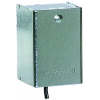 Representative Photo, actual item may vary

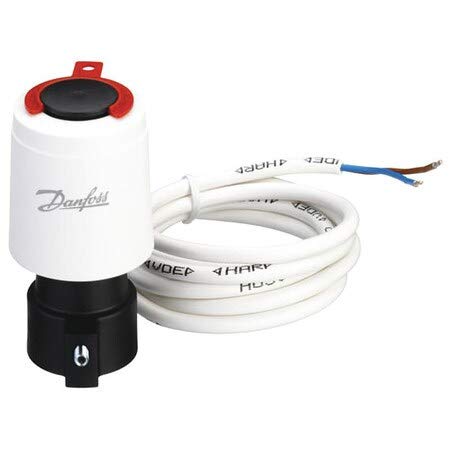 Representative Photo, actual item may vary

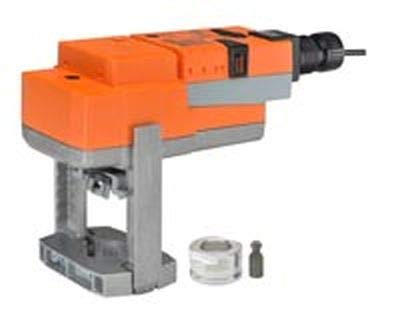 Representative Photo, actual item may vary
Belimo G315B-G+NFB24-SRX1 Globe Valve with Actuator Cv - 1/2 3-Way 2.2 24V

 Representative Photo, actual item may vary
Siemens 373-03000 Flowrite 2-Way Valve Assembly 1/2" 1.0 Cv Linear Stainless Steel

 Representative Photo, actual item may vary

 Representative Photo, actual item may vary

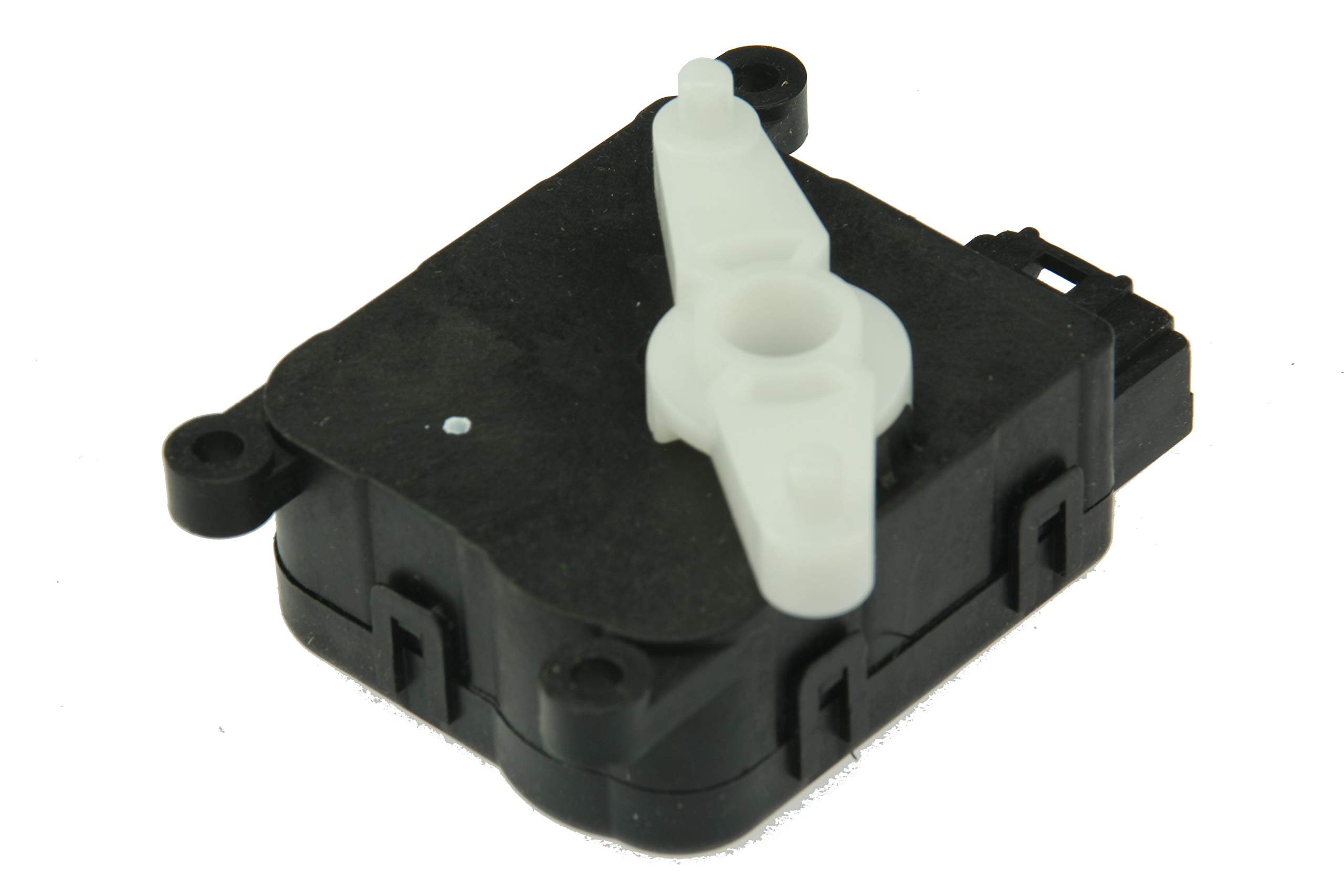 Representative Photo, actual item may vary


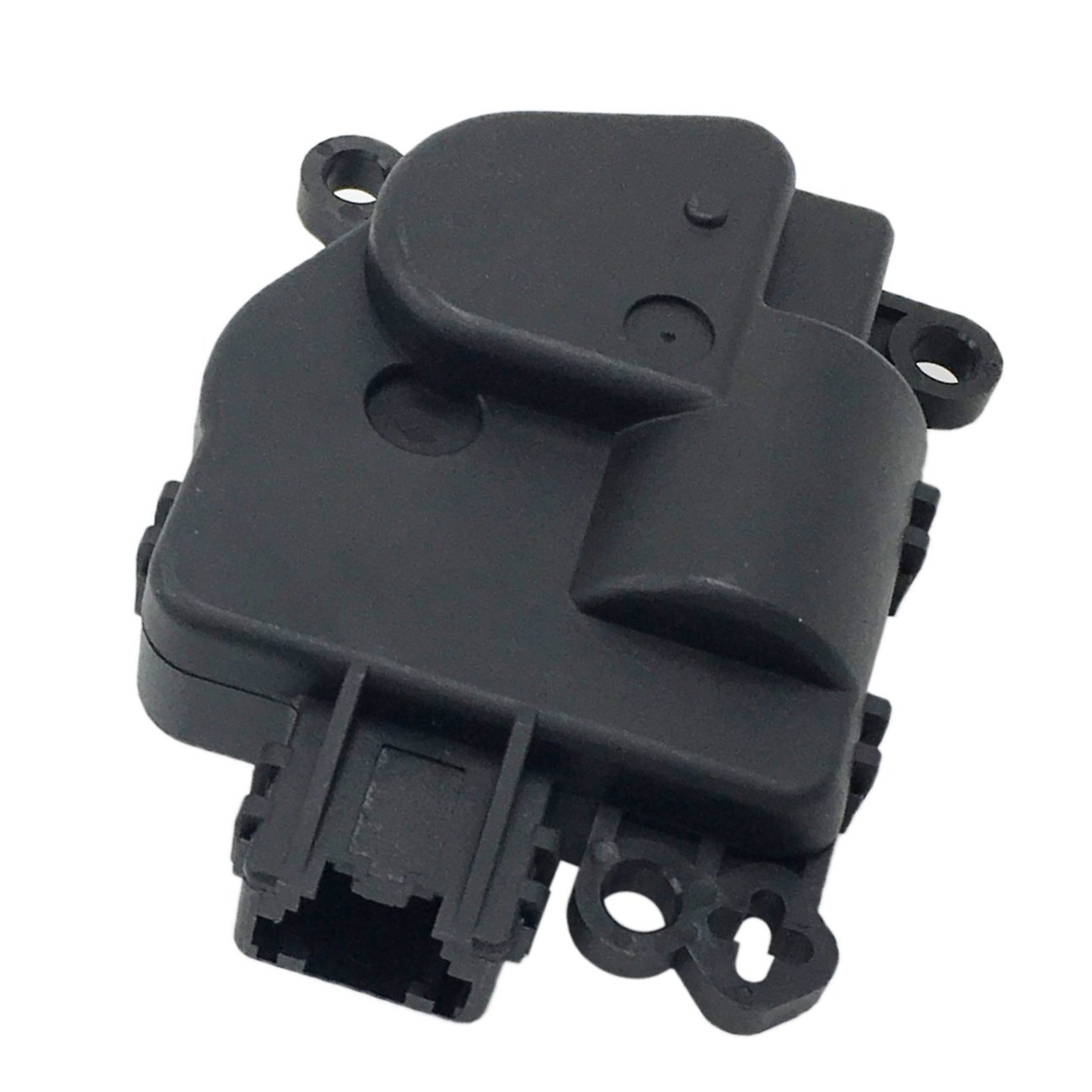 Representative Photo, actual item may vary
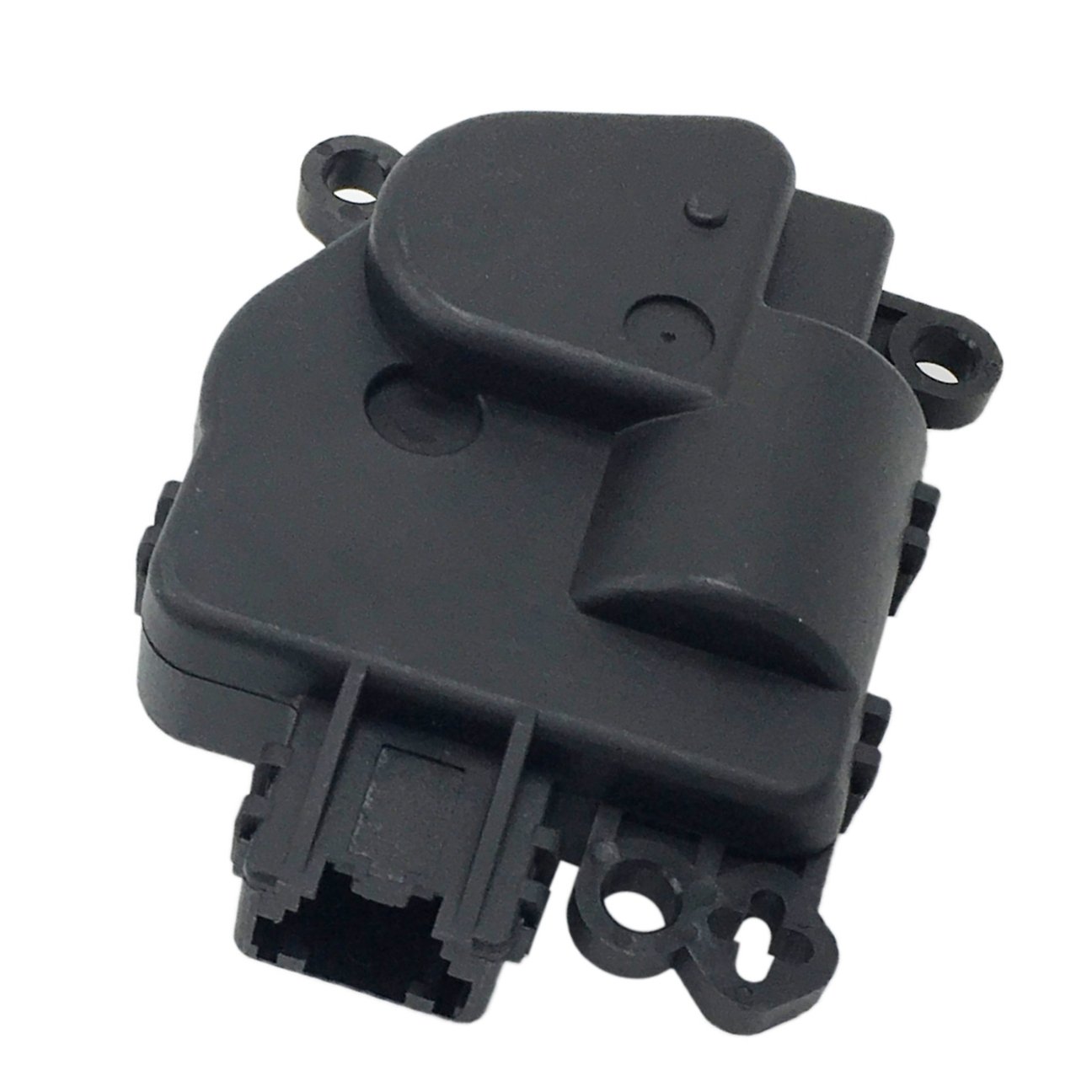 Representative Photo, actual item may vary
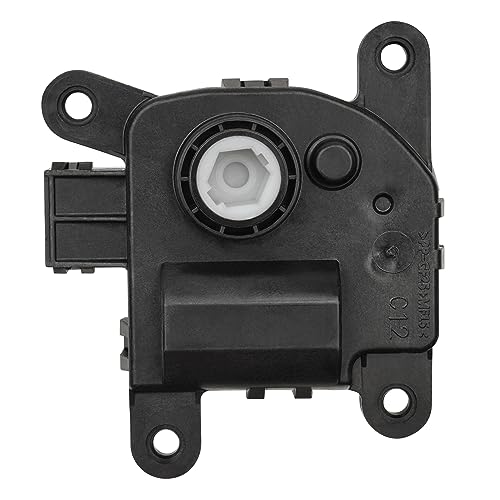 Representative Photo, actual item may vary

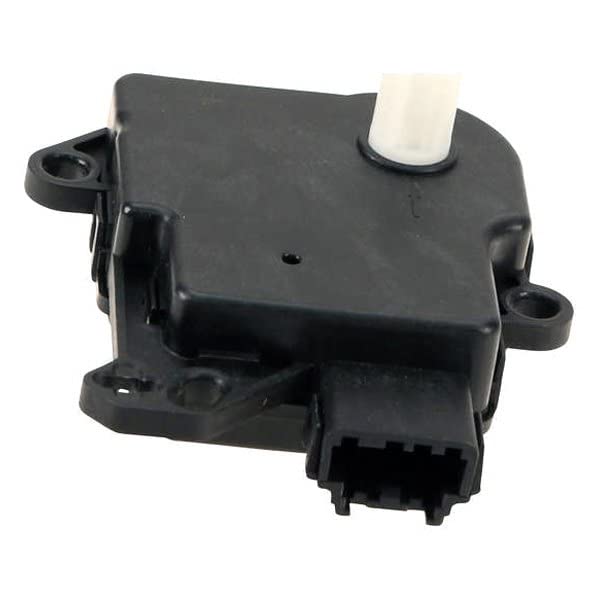 Representative Photo, actual item may vary

 Representative Photo, actual item may vary
 Representative Photo, actual item may vary
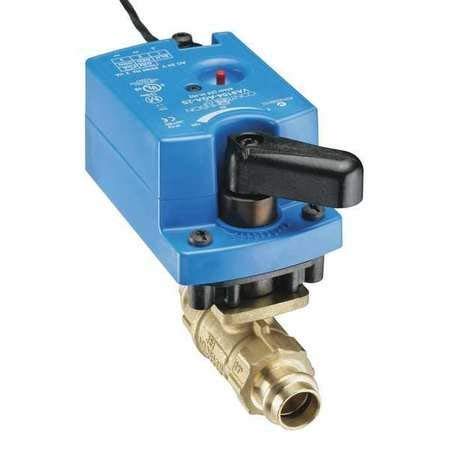 Representative Photo, actual item may vary

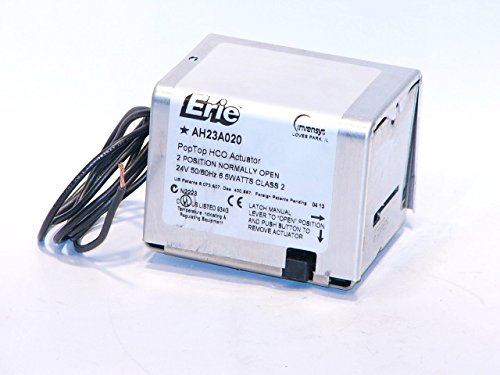 Representative Photo, actual item may vary
Erie by Schneider Electric AG14D030 208V Normally Closed PopTop Zone Valve Actuator with Cord

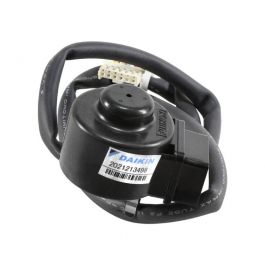 Representative Photo, actual item may vary
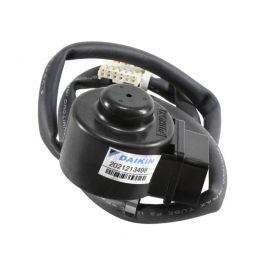 Representative Photo, actual item may vary
Daikin-McQuay 300046993 General Purpose Valve Actuator - 2-Position 120V 50/60Hz
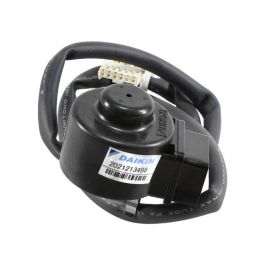 Representative Photo, actual item may vary
Daikin-McQuay 300046992 General Purpose Valve Actuator - 2-Position 24V 50/60Hz
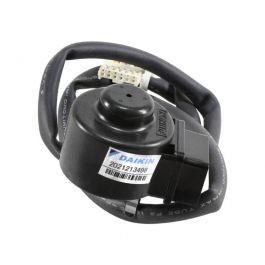 Representative Photo, actual item may vary
Daikin-McQuay 300046991 General Purpose Valve Actuator - 2-Position 24V 50/60Hz
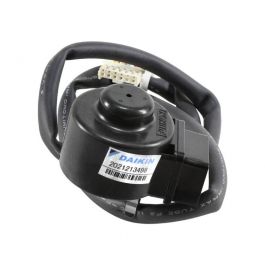 Representative Photo, actual item may vary
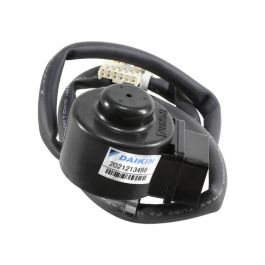 Representative Photo, actual item may vary
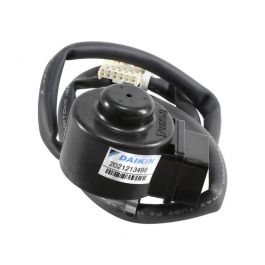 Representative Photo, actual item may vary
Daikin-McQuay 106233805 Two-Position Valve Actuator 277V 50/60Hz Normally Closed
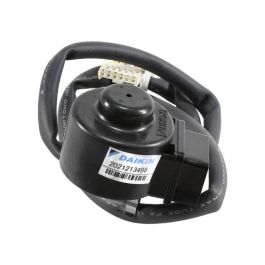 Representative Photo, actual item may vary
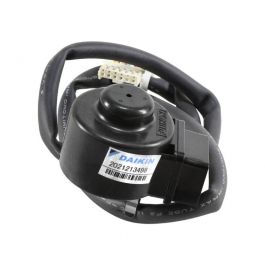 Representative Photo, actual item may vary
Daikin-McQuay 106233703 High Voltage Valve Actuator - 2-Position 208V 50/60Hz
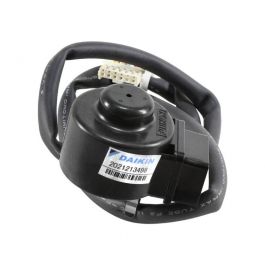 Representative Photo, actual item may vary
Daikin-McQuay 106233701 2-Position High Actuator for Hydronic Valve 24V 50/60Hz
 Representative Photo, actual item may vary
Lochinvar 100171920 K2 Motorized 3-Way Bypass Valve Kit for Low Temperature Protection

What Is an HVAC Temperature Valve Actuator?
An HVAC temperature valve actuator is the electromechanical workhorse behind modern climate control. It converts a control signal — electric, pneumatic, or digital — into precise mechanical movement, opening or closing a valve to regulate the flow of hot or chilled water through heating and cooling coils. Without a functioning actuator, a building automation system has no way to physically respond to temperature demands, leaving occupants uncomfortable and energy bills unchecked.
At their core, these devices receive a command from a thermostat or building automation controller and translate it into valve stem movement — modulating flow anywhere from fully closed to fully open, or anywhere in between. Whether a facility is managing a single zone or a multi-story chilled-water distribution network, the temperature valve actuator is the critical link between a digital setpoint and real-world comfort.
Why Temperature Valve Actuators Matter
In hydronic HVAC systems, hot or chilled water circulates through coils inside air handling units and fan coil units. The actuator governs exactly how much of that fluid passes through the coil at any given moment, directly determining how much heating or cooling is delivered to a space. A well-matched, properly functioning actuator means tighter temperature control, faster response to occupancy changes, and measurable energy savings. A worn or failed actuator, by contrast, can result in runaway heating, inability to cool, or chronic over-conditioning — all costly outcomes.
Key considerations when shopping for a replacement or upgrade include control signal type (on/off, floating, or 0–10V modulating), torque rating to match the valve size and pressure class, spring-return vs. non-spring-return for fail-safe behavior during power outages, and voltage requirements (typically 24 VAC). Protocol compatibility with BACnet, LON, or proprietary building automation systems is increasingly important in smart-building retrofits.
Top Brands in HVAC Temperature Valve Actuators
Belimo is widely regarded as the global market leader in HVAC valve actuation. The Swiss manufacturer's actuators feature brushless DC motors with overload protection, a comprehensive torque range from 5 Nm to 160 Nm, and advanced products like their Energy Valve — a combined actuator, flow sensor, and temperature sensor that measures and optimizes coil-level energy consumption. Belimo's standardized wiring nomenclature and universal clamp design make installation and cross-referencing straightforward for contractors and facility technicians alike.
Erie by Schneider Electric brings decades of proven performance in hydronic zone control. Their motorized valves and actuators are engineered to start, stop, or divert flow for individual room or area comfort control, and the brand is particularly known for its patented "PopTop" actuator technology — a design that revolutionized serviceability in the zone valve market. Erie's line covers 2-way and 3-way configurations with on/off, floating, and modulating control options.
Schneider Electric (Barber Colman) extends the broader Schneider Electric building automation portfolio with a deep catalog of rotary and linear valve actuators designed for commercial HVAC applications. Their actuators are known for compatibility with a wide range of control systems and offer both proportional and two-position on/off control depending on the model.
KMC Controls has been designing and manufacturing HVAC control and building automation products since 1969. Their electronic actuators are engineered for seamless integration into open, BACnet-based building automation systems, and the company's membership in the U.S. Green Building Council underscores their commitment to products that support LEED-certified, energy-efficient facilities.
Finding the Right Actuator
Selecting the correct temperature valve actuator requires matching several parameters: the valve body's connection type and shaft diameter, the required close-off pressure rating, the torque needed to operate the valve reliably across its full range, and the control input expected by your building automation system. When in doubt, cross-referencing the existing actuator's model number — or using manufacturer retrofit tools — helps ensure a drop-in replacement that restores full system performance without modification.