


 Multi Purpose Relay
725
 Accessory Power Relay
212
 Overload Protection Relay
144
 Micro Plug Relay
40
 Turn Signal Relay
38
 Headlight Relay
37
 Wiring Relay
27
 Horn Relay
26
 Main Relay
20
 Dual Battery Solenoid Relay
19
 Multi Purpose Relay Kit
19
 Auxiliary Battery Relay
12
 Relay Box
11
 Accessory Fuse / Relay Wiring Kit
10
 Computer Control Relay
9
 Electronic Load Detector
9
 Warning Buzzer Relay
9
 Overdrive Relay
8
 Selector Lever Lighting Relay
8
 Anti-Theft Relay
7
 Refrigerator Relay
7
 Daytime Running Light Relay
6
 Comfort Control Relay
5
 Fog Light Relay
5
 Powertrain Control Module Relay
5
 Back Up Light Relay
4
 Cruise Control Relay
4
 Hazard Warning Relay
4
 Accessory Delay Relay
3
 Automatic Headlight Control Relay
3
 Emergency Vehicle Light Relay
3
 Trunk Lid Release Relay
3
 Circuit Opening Relay
2
 Convertible Top Relay
2
 Door Lock Relay
2
 Door Window Relay
2
 Heated Seat Relay
2
 Instrument Panel Cluster Relay
2
 Load Leveler Relay
2
 Odometer Relay
2
 Relay Box Bracket
2
 Sunroof Relay
2
 Trailer Tow Relay
2
 Transmission Control Relay
2
 4WD Actuator Relay
1
 Air Bag Relay
1
 Auto Shut Down Relay
1
 Body Wiring Harness Relay
1
 Brake Light Relay
1
 Cornering Light Relay
1
 Headlight Motor Relay
1
 Heated Mirror Relay
1
 Interior Light Relay
1
 Oxygen Sensor Relay
1
 Refrigerator Control Relay
1
 Speaker Relay
1
 Tail Light Relay
1
 Unused Accessory Relay
1
 Vent Control Relay
1
 Warning Light Relay
1


TE Connectivity KUP-14A15-24 General Purpose Relay 24VAC Coil 3PDT 240VAC Socket Mount

 Representative Photo, actual item may vary
Omron G2R-1-S-AC24(S) SPDT General Purpose Relay 10A 24VAC Socket Mount


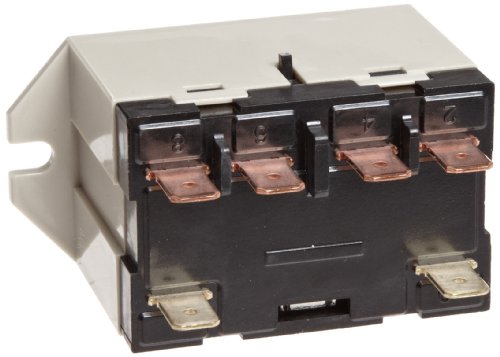
TE Connectivity T92S7A22-24 Potter & Brumfield Power Relay DPST-NO 24VAC 30A Panel Mount


 Representative Photo, actual item may vary


TE Connectivity T92P7A22-240 General Purpose Power Relay DPST-NO 240VAC 30A Panel Mount


TE Connectivity T92P7A22-120 General Purpose Power Relay DPST-NO 30A 120VAC

TE Connectivity T92S11A22-24 Two Pole 30A PCB/Panel Mount Relay 24VDC Coil
 Representative Photo, actual item may vary
 Representative Photo, actual item may vary

Omron G7L-2A-TUBJ-CBAC24 General Purpose Relay with Test Button 24VAC DPST-NO

Omron G7L-2A-TUB-CBAC24 General Purpose Relay DPST-NO 24VAC QuickConnect


Omron G7L-1A-TUB-CB-120V General Purpose Power Relay SPST-NO - 30A 120VAC

Omron G7L-1A-T-CB-AC120 General Purpose Power Relay SPST-NO - 30A 120VAC

Omron G7L-2A-TUBCB120VAC Power Relay DPST-NO 25A 120VAC Quick-Connect


Functional Devices RIBM2401SB 20 Amp SPST Power Relay with Override 24V/120V Coil





TE Connectivity T9AS1D12-24 Potter & Brumfield Power Relay SPST-NO 24VDC 30A


 Representative Photo, actual item may vary

 Representative Photo, actual item may vary

 Representative Photo, actual item may vary
 Representative Photo, actual item may vary
 Representative Photo, actual item may vary

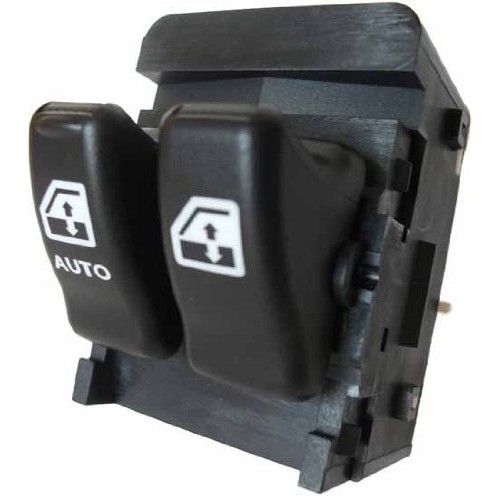 Representative Photo, actual item may vary


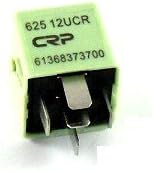 Representative Photo, actual item may vary

What Are Automotive Relays and Why Do They Matter?
A relay is essentially a switch that is operated electrically rather than mechanically. The ones most commonly found in automotive applications are electro-mechanical relays that work by activating an electromagnet to pull a set of contacts to make or break a circuit. Automotive relays are small but essential components that protect switches from high current damage, control electrical flow, and ensure your vehicle's systems run safely and efficiently.
The most common application of automotive relays is to switch a high current circuit using a low current circuit — coming into play when an in-line switch does not have the capacity to handle the current required. By managing how and when high currents flow, relays help protect sensitive parts of your car's electrical system. Instead of exposing your dashboard controls or small wires to large amounts of power, relays take the load and direct the energy safely, helping prevent overheating or damage to important components.
Modern cars are full of automated systems controlled by the Powertrain Control Module (PCM). Relays help the PCM control features like the fuel pump, ignition system, and radiator fan without the computer handling high power directly — allowing the vehicle to run smarter, more efficiently, and with better safety.
Types of Automotive Relays
The use of relays in automotive applications dates back to the early 20th century, when they were first introduced to control lighting systems. Over the years, relay technology has evolved to accommodate the increasing complexity of vehicle electrical systems. Modern relays are designed to be more compact, reliable, and efficient, with advancements in materials and manufacturing techniques.
Today's vehicles rely on a wide range of relay types, each engineered for a specific purpose. The Multi-Purpose Relay is the most versatile and widely used, serving countless circuits throughout the vehicle. Automatic Headlight Control Relays manage the timing and switching of exterior lighting systems. Anti-Theft Relays are critical safety components that interrupt circuits — such as the ignition or starter — to prevent unauthorized vehicle operation. Dual Battery Solenoid Relays are found in trucks, RVs, and work vehicles, isolating auxiliary batteries from the primary battery to prevent drain. Odometer Relays play a specialized role in instrument cluster and mileage-tracking circuits.
More specialized relay designs include glow plug relays — which provide power to glow plugs in diesel engines — fuel injection relays that control electrically activated injectors based on ECU signals, and timer relays used in circuits like heated rear windows.
Top Brands in Automotive Relays
Choosing a quality relay from a reputable manufacturer is essential for long-term reliability. Here are the leading brands available:
- Standard Motor Products — Established in 1919 and traded on the NYSE, Standard Motor Products is an independent manufacturer, distributor, and marketer of replacement parts for motor vehicles in the automotive aftermarket industry. Standard® offers over 10,000 engine, multi-function, and driver-operated switches and relays tested for reliability and top performance.
- Dayco — Dayco is a global leader in the research, design, manufacture, and distribution of essential engine drive systems and aftermarket services for automotive, truck, construction, agriculture, and industrial applications. Dayco is both an OEM and aftermarket supplier, partnering with global automotive and industrial manufacturers to produce high-quality products for light-duty, heavy-duty, off-highway, and recreational vehicles.
- Motorcraft — Ford's factory-authorized parts brand, Motorcraft relays are engineered to meet OEM specifications, making them a go-to choice for Ford, Lincoln, and Mercury owners seeking precise fit and factory-level reliability.
- Hella — A global automotive supplier with deep expertise in vehicle electronics and lighting, Hella relays are widely trusted by OEMs and aftermarket technicians alike for their precision engineering and consistent performance.
- Genuine — Genuine OEM relays are sourced directly from the original vehicle manufacturers, ensuring an exact match in form, fit, and function for the most accurate replacement possible.
What to Consider When Buying a Relay
An automotive relay is an electromagnetic switch that allows the transmission of an electrical signal or high current flow from the battery to the receiver — such as dipped headlights, indicators, or other actuators. They are divided by voltage (12V or 24V) and by current intensity (30A, 40A, 60A, and 70A). Always verify that the replacement relay matches the original's specifications for voltage, current rating, and terminal configuration, and consult your vehicle's service manual or a trusted parts lookup to confirm compatibility before purchasing.