


Computer Control Relay
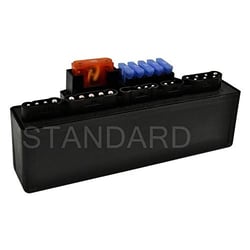


Standard Motor Products RY708 Intermotor Computer Control Relay


 Representative Photo, actual item may vary

 Representative Photo, actual item may vary
 Representative Photo, actual item may vary

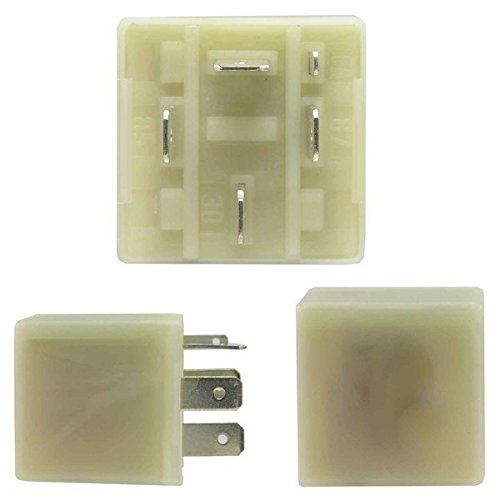 Representative Photo, actual item may vary

What Is a Computer Control Relay?
The computer control relay — often called the ECM relay, PCM relay, or electronic control relay — is one of the most critical electrical components in any modern vehicle. Its sole job is to supply battery voltage to your vehicle's onboard computer, whether that's the Engine Control Module (ECM), the Powertrain Control Module (PCM), or a related control unit. Without it, the brain of your vehicle simply cannot function.
The ECM and PCM are responsible for an enormous range of engine and drivetrain operations. The ECM monitors and adjusts the fuel injection systems, engine timing, exhaust gas recirculation, emissions controls, and the ignition system. Because the computer requires a reliable power source to dispatch all of these commands, the relay that feeds it power sits at the very top of the electrical priority chain.
How Does a Computer Control Relay Work?
Like all automotive relays, a computer control relay uses a low-current control signal to close a high-current circuit. When you turn the ignition key to the "on" position, a small signal energizes the relay's internal coil, which magnetically closes a set of contacts and delivers battery voltage directly to the ECM or PCM. When the ignition is switched off, the relay opens and cuts power to the module, preventing unnecessary battery drain.
This design is intentional and important. Sensitive computer modules cannot safely handle the kind of high-current switching that raw battery connections would demand. The relay acts as a protected intermediary — allowing the ignition switch and control circuits to remain low-current while ensuring the computer gets clean, stable power on demand.
Symptoms of a Failing Computer Control Relay
Because the computer control relay powers your vehicle's central command unit, a failure can manifest in dramatic and sometimes confusing ways. Common warning signs include:
- Engine cranks but won't start — the ECM/PCM isn't receiving power to command fuel and ignition.
- No power at all when the key is inserted — dash lights, warning chimes, and all computer-controlled functions may go dark.
- Intermittent stalling or hard starts — a relay with failing contacts may cut out under load or vibration.
- Parasitic battery drain — if the relay shorts closed, it can leave continuous power on the ECM even with the engine off, slowly killing the battery.
- Check Engine light with OBD-II codes — fault codes such as P0685 or P0688 specifically point to the ECM/PCM power relay control circuit.
What to Look for When Replacing a Computer Control Relay
Choosing the correct replacement computer control relay is not a decision to take lightly. Using a relay with mismatched amperage ratings or incorrect pin configurations can cause voltage spikes, damage sensitive computer circuits, or lead to premature failure of the new part. Always match the replacement relay by exact part number and vehicle application. The relay is typically located in the under-hood fuse and relay box — sometimes labeled "PCM Relay" or "ECU Relay" — and can be inspected for carbon buildup on the contacts or corrosion at the socket terminals.
It's also worth checking the health of your battery and charging system before condemning the relay. A weak battery or failing alternator can drop voltage below the PCM's minimum threshold, triggering relay-related fault codes even when the relay itself is functional. A thorough diagnosis that rules out wiring issues and connector corrosion will save time and money.
Why Quality Matters
Modern vehicles rely on a continuous, stable power supply to their control modules. A computer control relay that cycles on and off intermittently — or fails entirely — can disable the fuel system, ignition system, and dozens of computer-managed subsystems simultaneously. Investing in a quality, vehicle-specific replacement relay is the most reliable way to restore full engine management capability and get back on the road with confidence.