


Chevrolet V3500 Sensors
39 Sensors for Chevrolet V3500 from Walker Products, Delphi and ACDelco. Pick your year to see exact fit.







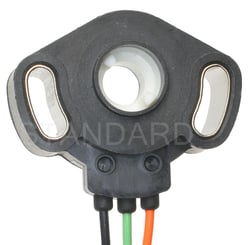


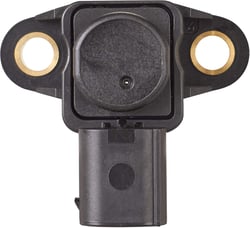
Granatelli Motor Sports 80064619 High Performance Mass Airflow Sensor for 4.6L/5.0L/5.4L Ford

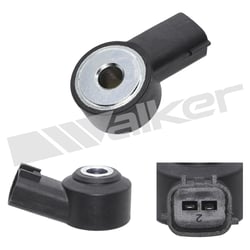

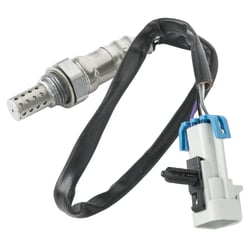
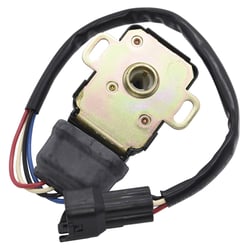


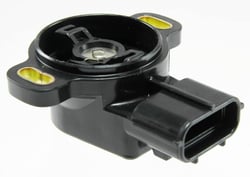


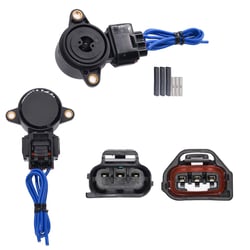


Standard Motor Products TH42 Temperature Sensor Connector Pigtail




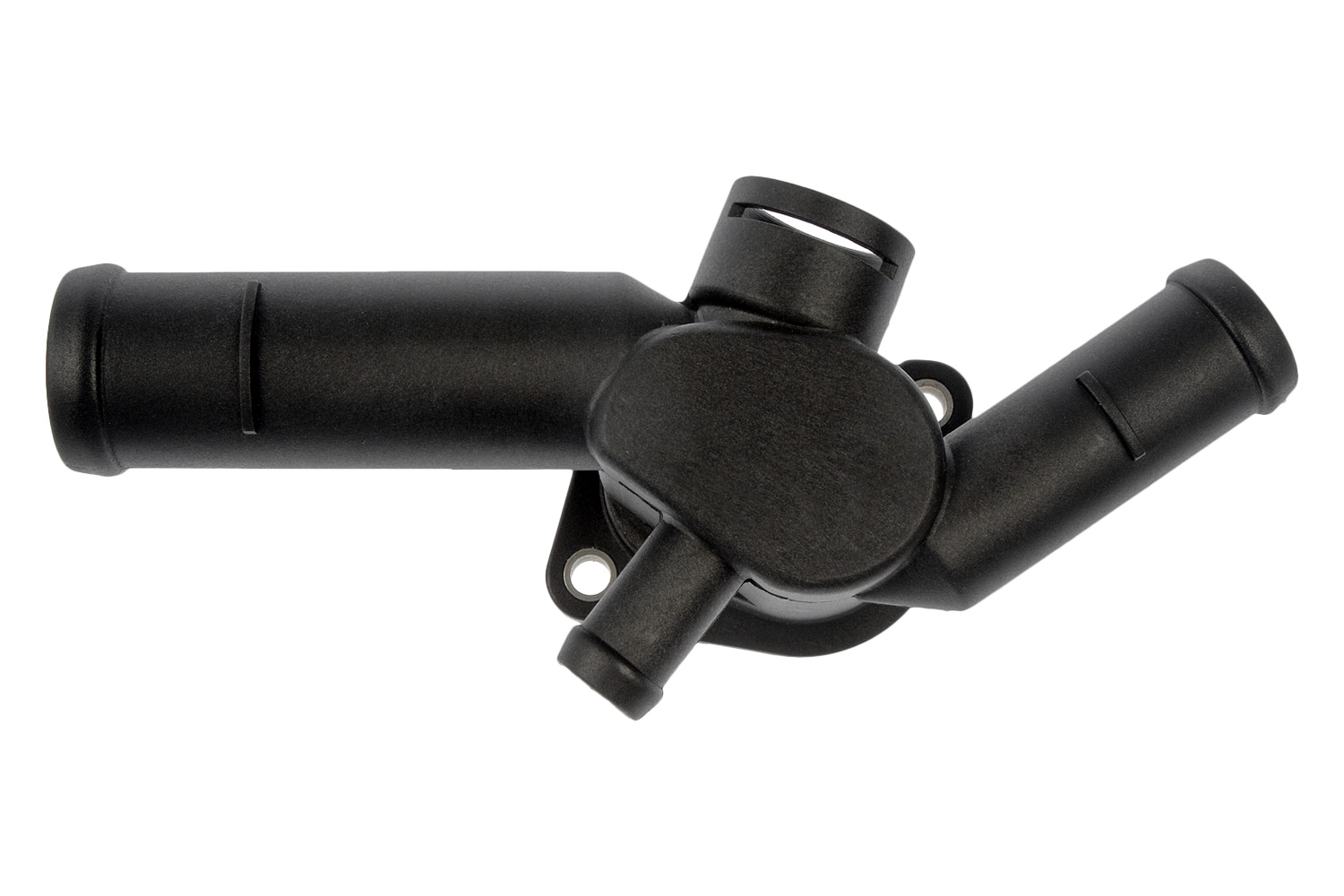 Representative Photo, actual item may vary


Walker Products 250-21001 Oxygen Sensor Direct Fit Narrow-Band


- 1
- 2
What Are Automotive Sensors and Why Do They Matter?
Modern vehicles are rolling data centers. Automotive sensors serve as the nervous system of your engine and emissions controls, continuously feeding critical data to the engine control module (ECM) so it can keep performance, fuel economy, and emissions in tight check. Modern car engines rely on anywhere from 15 to 30 sensors to keep everything running properly, and in total there are over 70 sensors distributed throughout a complete vehicle. When even one sensor fails or drifts out of spec, the consequences ripple outward — triggering a check engine light, raising fuel consumption, or allowing harmful emissions to go unchecked.
Key Sensor Types and What They Do
Understanding the major sensor families helps you diagnose problems faster and make smarter purchasing decisions. The most performance-critical sensors include:
- Mass Air Flow (MAF) Sensors — The MAF sensor is a crucial part of a vehicle's fuel injection system, measuring the volume of air entering the intake and sending its readings to the ECU to determine the correct amount of fuel for optimal combustion. A faulty MAF delivers too much or too little fuel to the combustion chamber, causing poor performance — and if the engine struggles to start, stalls, or falters while accelerating, the MAF sensor may be to blame.
- Oxygen (O2) Sensors — Oxygen sensors measure your air-fuel mixture from the exhaust and the catalytic converter's effectiveness, with one sensor measuring the air makeup before the catalytic converter and one after. If there's not enough of a drop in emissions, the sensor alerts the ECM and triggers a check engine light.
- Air/Fuel Ratio Sensors — A more sophisticated evolution of the traditional O2 sensor, air/fuel ratio sensors measure the amount of oxygen in the exhaust gases with greater precision, enabling tighter fuel trims and lower emissions — especially on modern direct-injection and hybrid powertrains.
- Nitrogen Oxide (NOx) Sensors — The NOx sensor measures the NOx volume in the exhaust gases, playing a key role in diesel emissions compliance and SCR (selective catalytic reduction) system management. These sensors are especially common on modern diesel trucks and European-spec vehicles.
- Throttle Position Sensors (TPS) — The throttle position sensor tells the ECM exactly how open the throttle is, so that if there's a problem between the pedal and the throttle, the engine won't dump excess fuel in and cause damage from a sticky throttle. If your car fails or struggles to accelerate, idles rough, or stalls, a faulty throttle position sensor may be the culprit.
Top Brands in Automotive Sensors
Sensor quality varies enormously by brand — precision manufacturing and OE-grade materials make a measurable difference in longevity and accuracy. The most trusted names in the category include:
- Bosch — One of the original inventors of the automotive oxygen sensor, Bosch has a long history of producing high-quality automotive components and has garnered trust among automakers and vehicle owners alike. Bosch's sensor lineup spans virtually every sensor type and application, making it one of the broadest-coverage brands on the market.
- ACDelco — ACDelco is the primary source of General Motors original equipment, with parts that function precisely and fit exactly because they are engineered, designed, backed, and tested by General Motors. ACDelco sensors are particularly well-regarded for GM vehicle applications.
- DENSO — If your car was built by Toyota, Lexus, Honda, or Subaru, DENSO is likely the company that built the original sensor in your engine right now — widely considered the gold standard for Japanese vehicles, with sensors designed to communicate perfectly with the sensitive ECUs found in these vehicles. DENSO's "First Time Fit" design ensures connectors and harness lengths are identical to factory specs.
- Motorcraft — Ford's factory-authorized parts brand, Motorcraft sensors are engineered specifically for Ford, Lincoln, and Mercury vehicles, delivering OE fit and calibration right out of the box — no adaptation or reprogramming required.
- Standard Motor Products — With one of the widest aftermarket coverage catalogs in the industry, Standard Motor Products supplies sensors across a massive range of domestic and import vehicles, making it a reliable go-to for hard-to-find applications.
What to Consider When Buying a Sensor
Before purchasing a replacement sensor, verify the part number against your vehicle's year, make, model, and engine code. OE-equivalent sensors from established brands will use the same connector, harness length, and calibration as your original part, minimizing installation complexity. For emissions-related sensors like O2 and NOx units, quality matters significantly — a poorly calibrated sensor can cause the ECM to run the engine rich or lean, shortening the life of the catalytic converter and hurting fuel economy over time.