


Fuel Injection Pressure Sensor

Airtex Automotive Division 5S7283 Injection Control Pressure Sensor








Mishimoto MMPS-F2D-05 Injector Control Pressure Sensor for Ford 6.0L Powerstroke

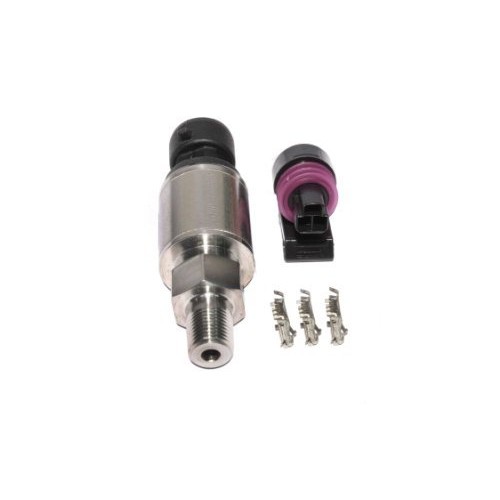 Representative Photo, actual item may vary


Walker Products 1006-1003 Heavy Duty Fuel Injection Pressure Sensor


 Representative Photo, actual item may vary


Dorman 904-7508 Diesel Injection Control Pressure Sensor for IC Corporation/International




Genuine BMW 13-53-7-787-167 Fuel Pressure Sensor High Pressure Rail Sensor


Speedmaster PCE651.1005 EFI Sensor Kit for Downdraft Intake Manifold Throttle Body Motor



 Representative Photo, actual item may vary

 Representative Photo, actual item may vary



OE Aftermarket 3ICP0000 Injection Control Pressure Sensor for 1994-2003 Ford 7.3L Powerstroke
 Representative Photo, actual item may vary




Holley EFI 554-202 Street Sensor Kit with MAP, Coolant, Pressure & Air Temp Sensors


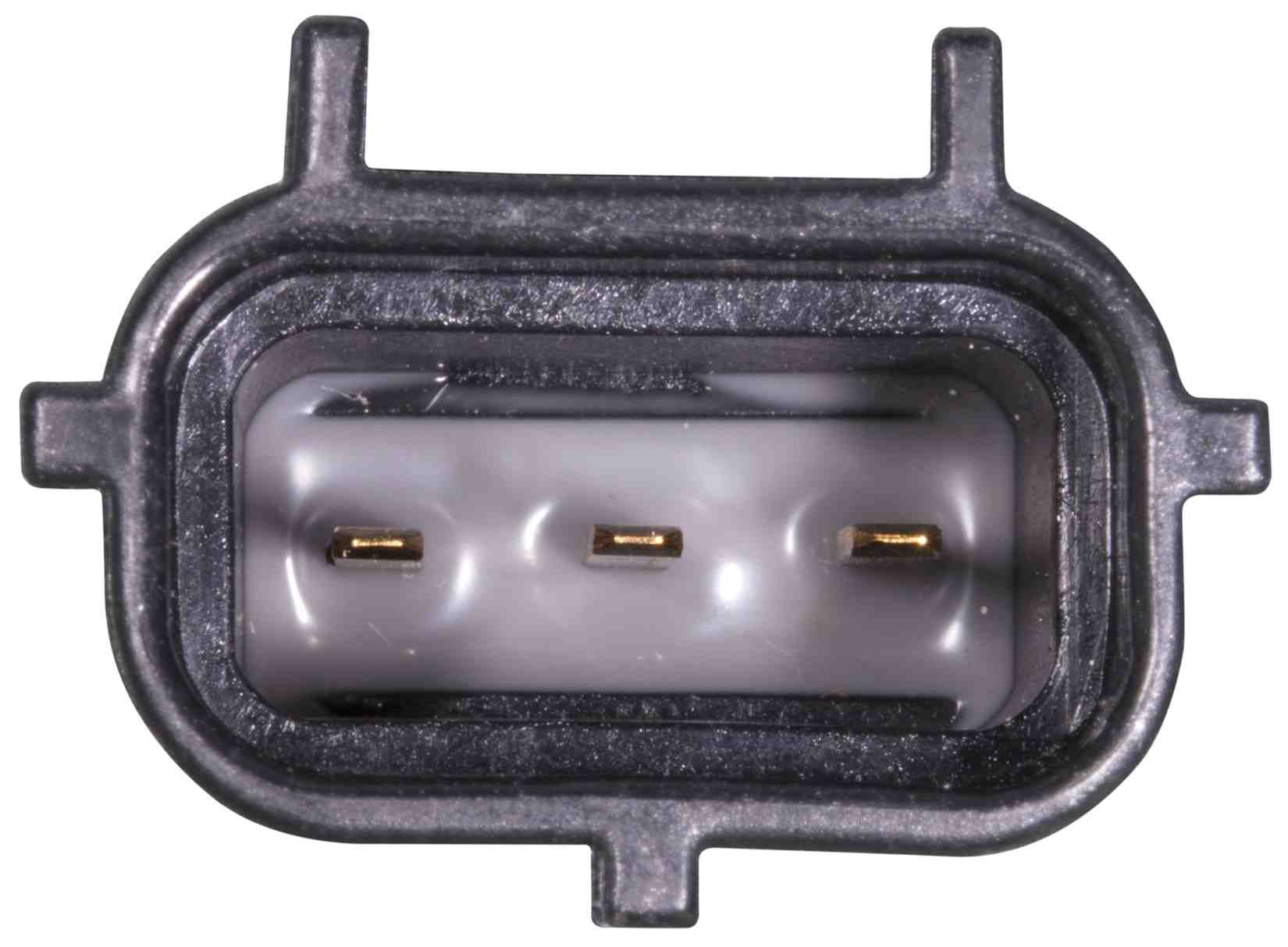 Representative Photo, actual item may vary
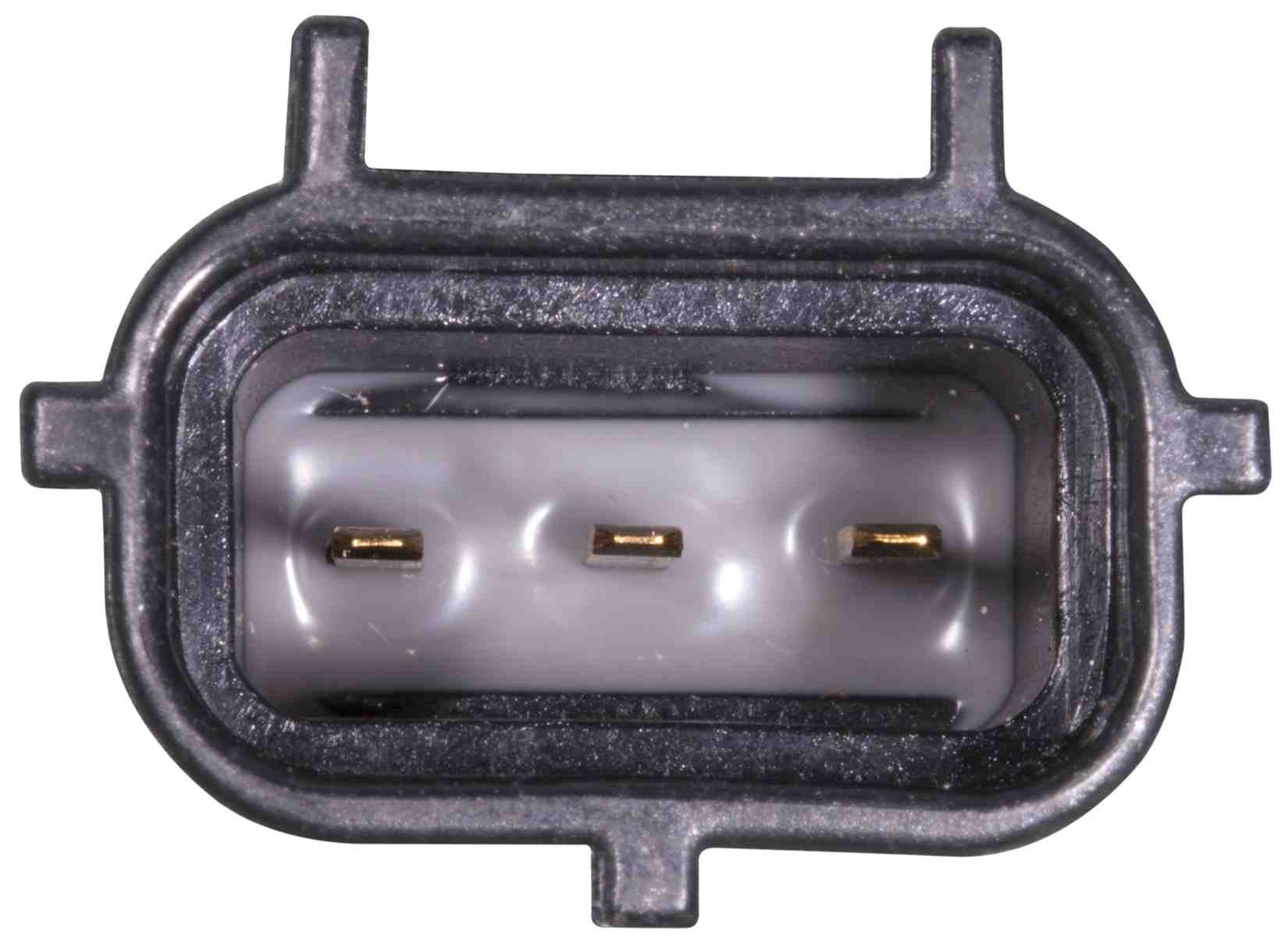 Representative Photo, actual item may vary
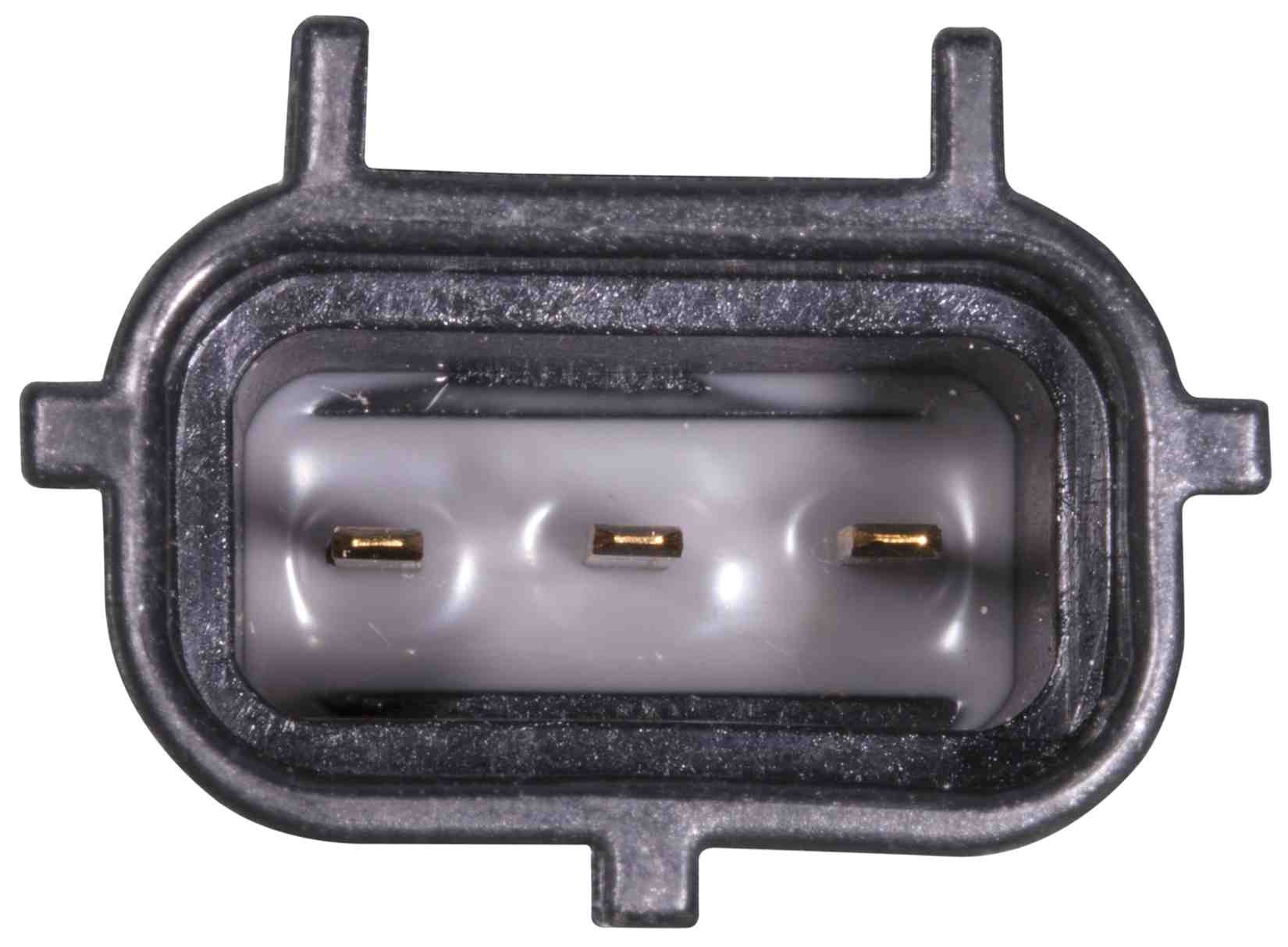 Representative Photo, actual item may vary

What Is a Fuel Injection Pressure Sensor?
Fuel injection pressure sensors — also called fuel rail pressure sensors or EFI pressure sensors — are compact but critical components in modern engine management. Fuel injection pressure sensors measure the pressure of fuel inside the fuel rail and convert that data into an electrical signal sent directly to the engine control unit (ECU) or powertrain control module (PCM). The ECU then uses this real-time information to adjust fuel injection timing, duration, and fuel pump speed for precise fuel delivery under every driving condition.
How Do Fuel Injection Pressure Sensors Work?
Modern fuel injection pressure sensors rely on piezo-resistive technology — a tiny element that changes its electrical resistance in response to physical pressure changes. As fuel pressure rises or falls inside the rail, the sensor detects that shift and translates it into a voltage signal that travels back to the ECU. This closed-loop feedback loop happens continuously, allowing the engine management system to maintain optimal fuel-air mixture whether the engine is at idle, under hard acceleration, or cruising at highway speeds.
Fuel injection pressure sensors serve multiple fuel system architectures. In traditional multi-port fuel injection (MPFI) systems, the sensor measures the differential pressure between the fuel rail and intake manifold vacuum. In gasoline direct injection (GDI) and common-rail diesel systems, it monitors much higher operating pressures — sometimes thousands of PSI — to ensure precise metering directly into the combustion chamber.
Why the Fuel Injection Pressure Sensor Matters
A failing or inaccurate fuel injection pressure sensor can trigger a cascade of drivability problems: rough or surging idle, hesitation during acceleration, hard starts, misfires, reduced fuel economy, and an illuminated Check Engine light. Common OBD-II diagnostic trouble codes associated with sensor failure include P0190 through P0194. Without accurate pressure feedback, the ECU is essentially operating blind — unable to maintain the correct fuel delivery for efficient combustion or emissions compliance.
What to Look for When Shopping
- OE fitment: Connector type, thread size, pressure range, and electrical output must match your vehicle's factory specifications.
- Application type: Replacement sensors for stock vehicles differ from performance sensors designed for aftermarket EFI systems.
- Build quality: Look for sensors rated to handle extreme temperatures, pressure spikes, and vibration — particularly important in diesel and forced-induction applications.
- System compatibility: Performance EFI platforms often require sensors calibrated specifically for their ECU, so verify compatibility before purchasing.
Top Brands for Fuel Injection Pressure Sensors
When it comes to performance and custom EFI builds, Holley EFI is a go-to choice. Holley's pressure sensor transducers are engineered as plug-and-play solutions for their Avenger, HP, Dominator, and Terminator ECU platforms, with offerings spanning 0–100 PSI, 0–200 PSI, and up to 1,600 PSI stainless units for demanding applications.
For OE replacement applications across a broad range of gasoline and diesel vehicles, Walker Products is one of the industry's most trusted names. Having supplied the automotive industry since 1946, Walker engineers its fuel rail pressure sensors to meet or exceed OEM fit, form, and function standards — with direct-fit designs that require no modifications and are built to withstand high temperatures, vibration, and fuel system pressures.
MSD brings its deep roots in ignition and engine management to the fuel injection pressure sensor segment, offering solutions well-suited to performance-oriented builds where precise fuel system data is essential for maximizing power output. Meanwhile, NTK Oxygen Sensors — a brand recognized globally for sensor accuracy and durability — rounds out the lineup with precision-engineered options for drivers who demand reliable, factory-grade performance.