


Cruise Control Switch


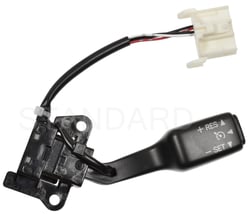


Standard Motor Products CCA1102 Cruise Control Switch with Lever





ACDelco D1596F GM Original Equipment Cruise Control Release Switch




Airtex 1S5850 Cruise Control Release Switch Clutch Pedal Mounted
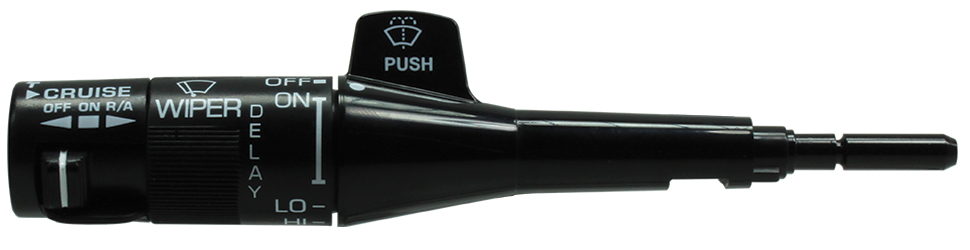 Representative Photo, actual item may vary

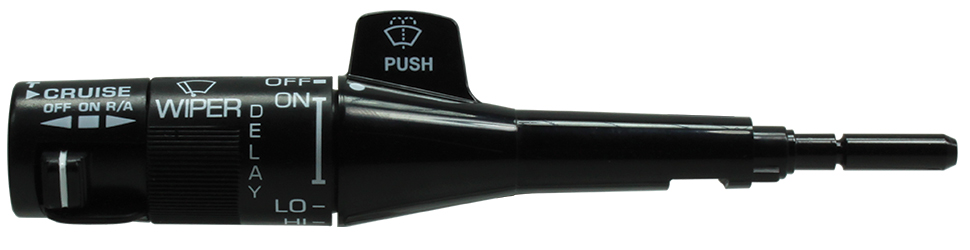 Representative Photo, actual item may vary
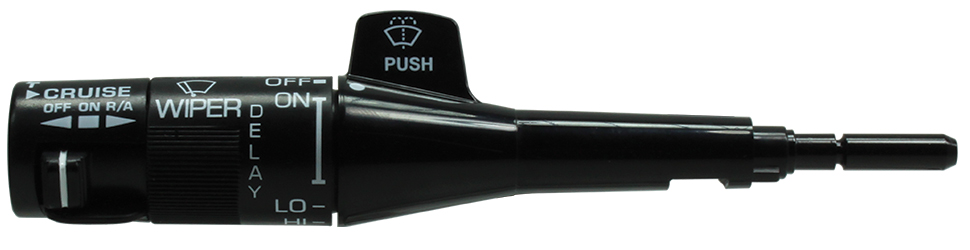 Representative Photo, actual item may vary
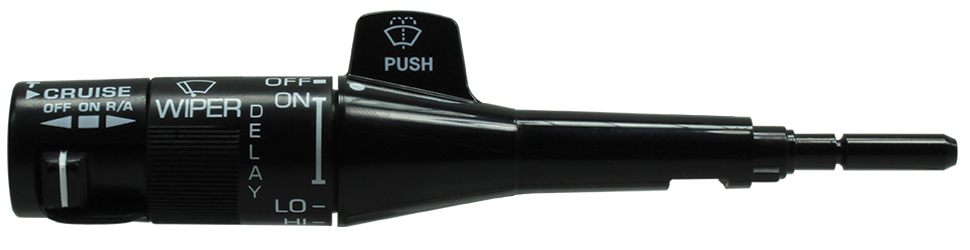 Representative Photo, actual item may vary
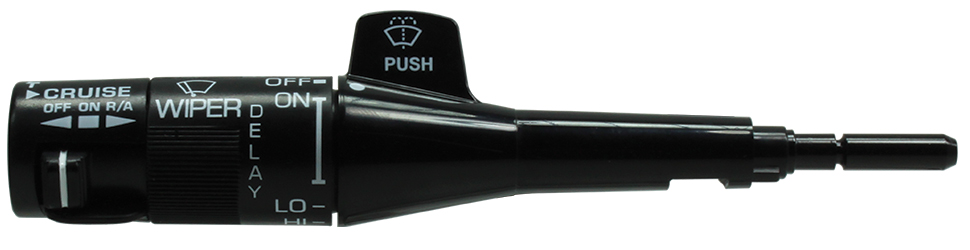 Representative Photo, actual item may vary
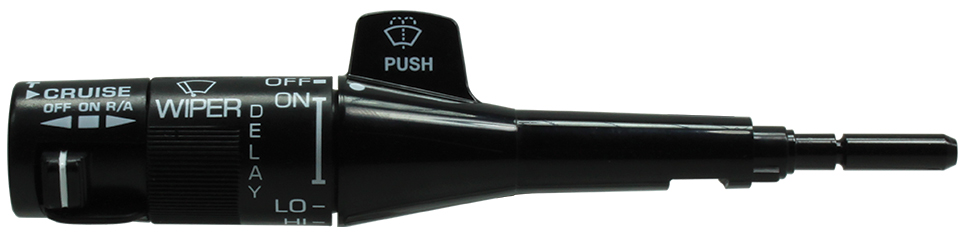 Representative Photo, actual item may vary
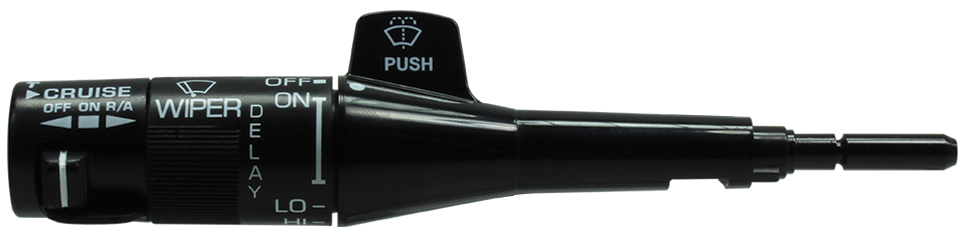 Representative Photo, actual item may vary
 Representative Photo, actual item may vary
Rostra Precision Controls 64-0296 Headlight Switch, Lever Type, 16 Blade Terminals
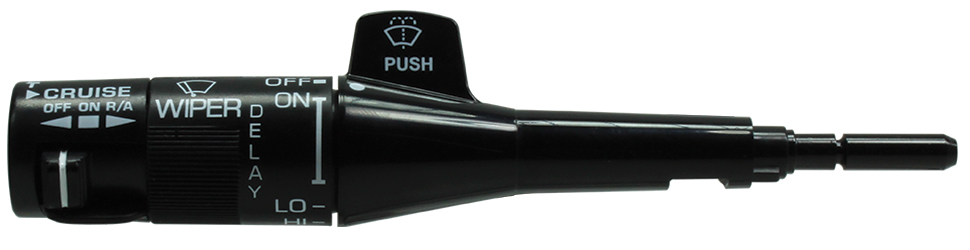 Representative Photo, actual item may vary
 Representative Photo, actual item may vary

 Representative Photo, actual item may vary
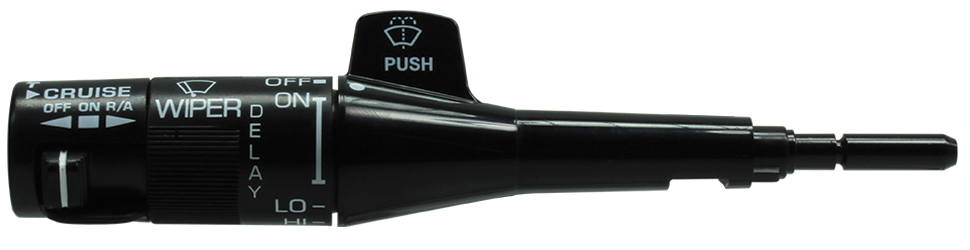 Representative Photo, actual item may vary
 Representative Photo, actual item may vary
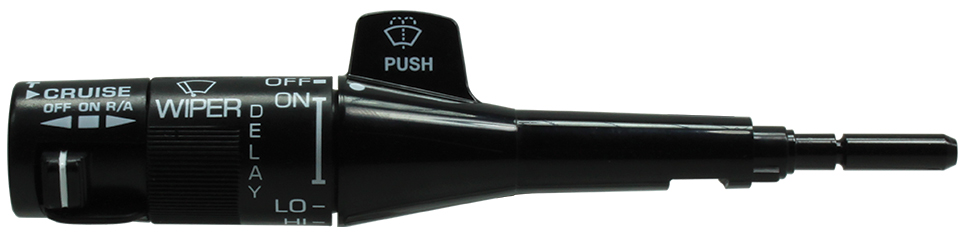 Representative Photo, actual item may vary
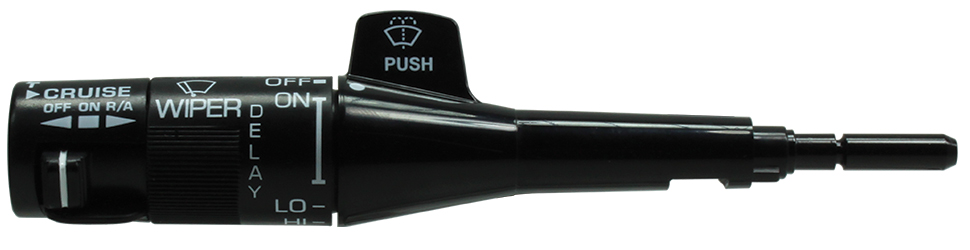 Representative Photo, actual item may vary
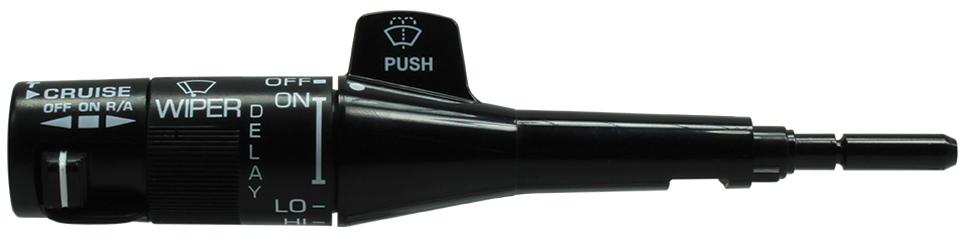 Representative Photo, actual item may vary
Rostra Precision Controls 66-0434 Aftermarket Cruise Control Replacement Switch

 Representative Photo, actual item may vary

 Representative Photo, actual item may vary
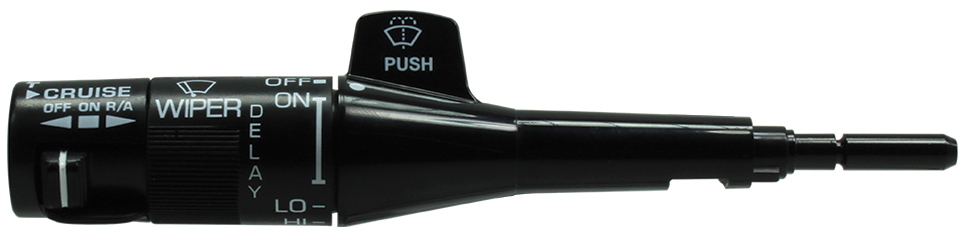 Representative Photo, actual item may vary
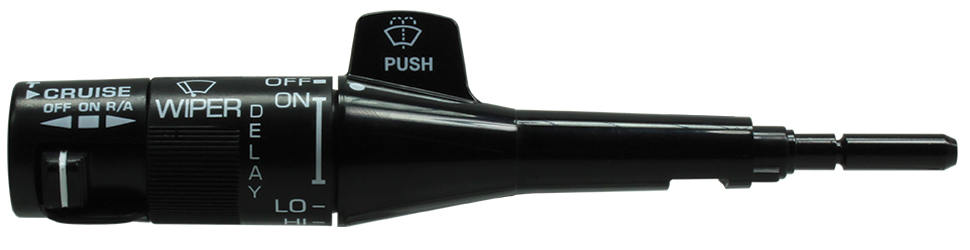 Representative Photo, actual item may vary
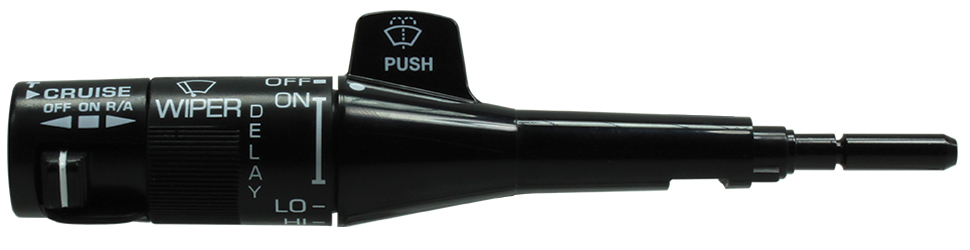 Representative Photo, actual item may vary
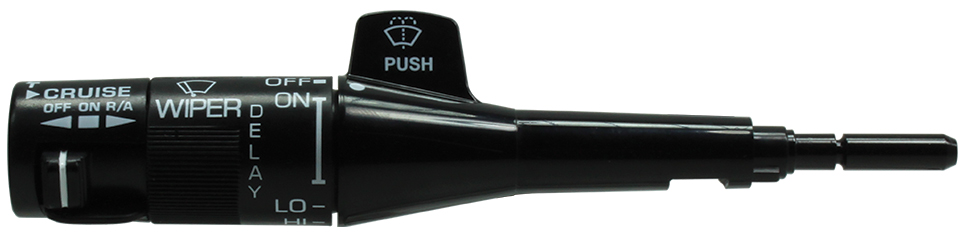 Representative Photo, actual item may vary
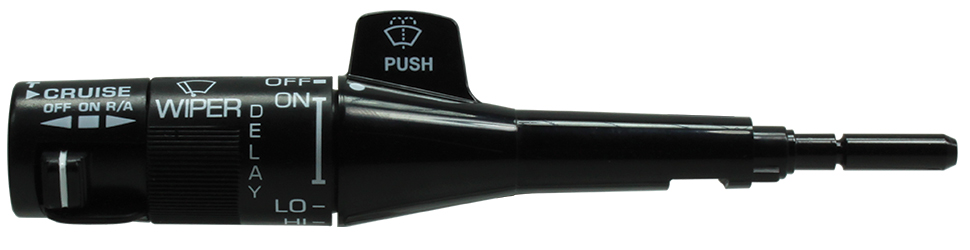 Representative Photo, actual item may vary
 Representative Photo, actual item may vary
 Representative Photo, actual item may vary
 Representative Photo, actual item may vary
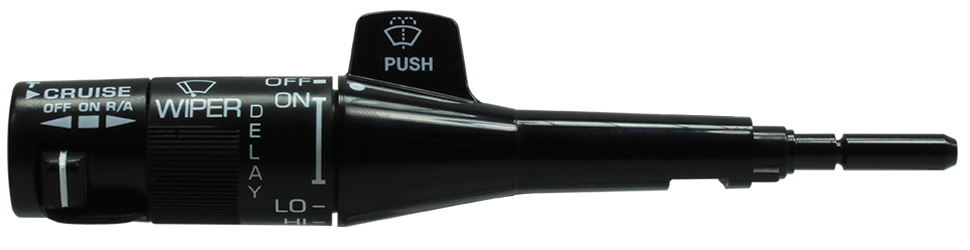 Representative Photo, actual item may vary

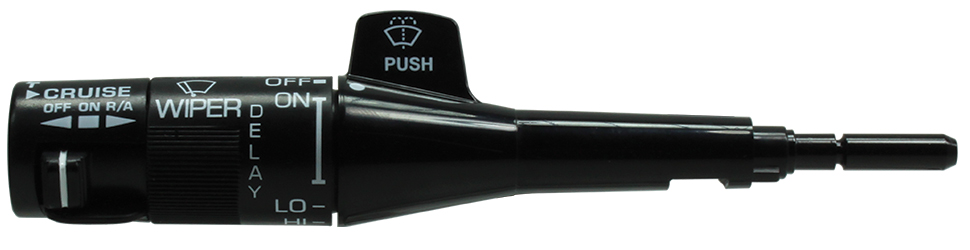 Representative Photo, actual item may vary
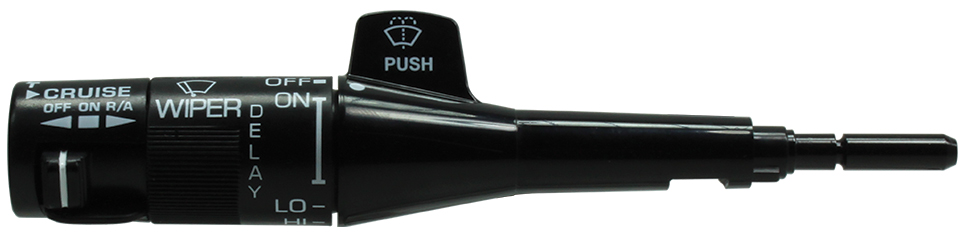 Representative Photo, actual item may vary
 Representative Photo, actual item may vary
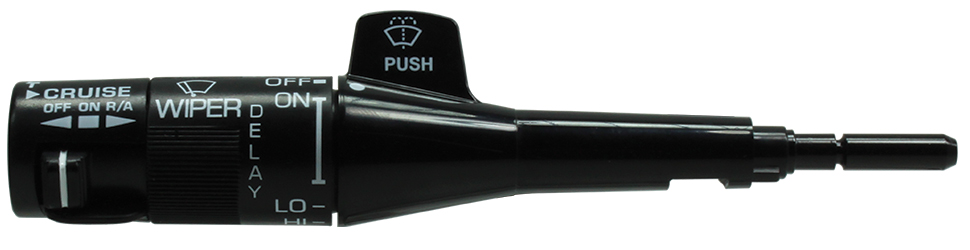 Representative Photo, actual item may vary
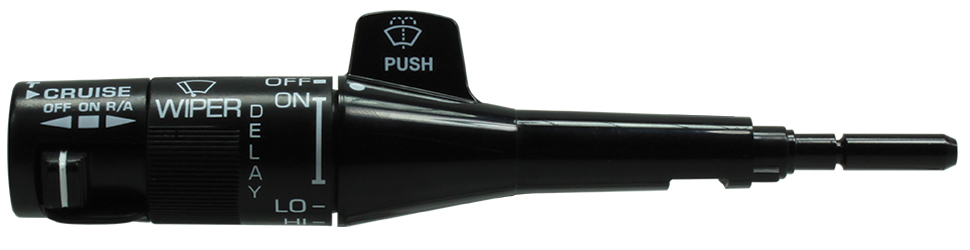 Representative Photo, actual item may vary
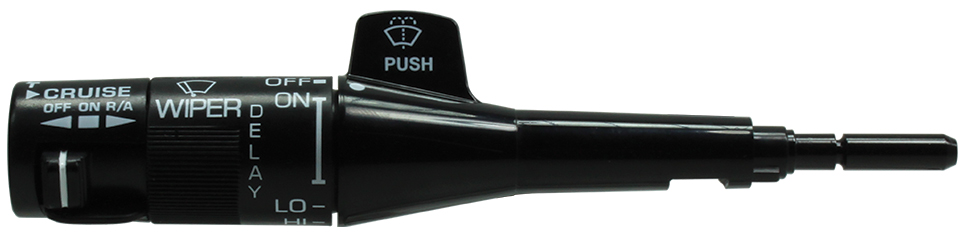 Representative Photo, actual item may vary
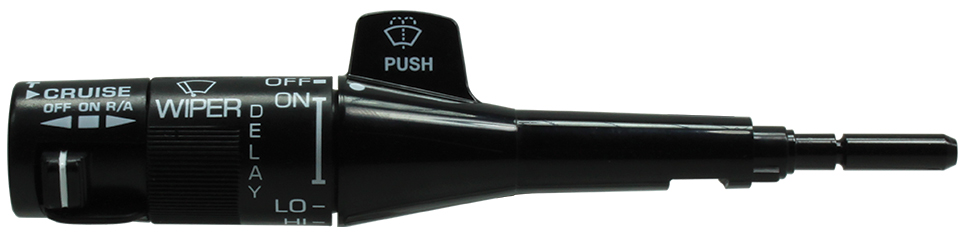 Representative Photo, actual item may vary
What Is a Cruise Control Switch?
Cruise control switches are the primary interface between driver and vehicle speed-management system. At the heart of every cruise control system lies the switch itself — a seemingly small component that carries significant responsibility. Cruise control switches allow drivers to set a desired speed, resume a previously set speed, coast, and disengage the system, all without taking hands off the wheel or eyes off the road.
Modern cruise control systems rely on a switch assembly that typically houses five core functions: On/Off, Set, Resume (RES), Coast, and Cancel. Many of today's switches are integrated directly into the steering wheel, allowing thumb or fingertip access to all functions while keeping full grip on the wheel — a safety improvement that evolved from earlier dash-mounted and column-lever designs.
Types of Cruise Control Switches
Cruise control switches fall into a few distinct categories depending on vehicle make, model, and era:
- Steering wheel-mounted button switches — The most common configuration in modern vehicles, featuring clearly labeled individual buttons for each function. These are ergonomically placed at the outer edge of the steering wheel for easy thumb access.
- Column-mounted lever switches — Common in older vehicles and some trucks, where cruise control is incorporated into a stalk alongside turn signals, headlights, or wipers. These multi-function combination levers consolidate several controls into one unit.
- Brake and clutch deactivation (release) switches — These secondary switches serve as a critical safety backup, cutting cruise control engagement when the brake pedal (or clutch pedal on manual transmissions) is depressed.
Why Cruise Control Switch Replacement Matters
A faulty cruise control switch can prevent the entire system from functioning — even if the underlying cruise control module and actuator are perfectly healthy. Symptoms of a failing switch include cruise control that won't engage, won't hold the set speed, fails to resume after braking, or loses the coast function. On OBD-II equipped vehicles, a fault code such as P0568 can indicate a power or circuit issue with the switch itself.
Because steering wheel-mounted switches sit near the airbag assembly, proper care and procedure during replacement is essential. Disconnecting the battery and consulting your vehicle's service manual before beginning work helps prevent accidental airbag deployment — the most common and costly complication of steering wheel switch service.
When shopping for a replacement, prioritizing OEM-specification parts pays dividends in longevity. High-quality switches are built to withstand hundreds of thousands of activation cycles over a service life of 10 or more years, while economy-grade alternatives often develop contact problems in as little as two to three years.
Top Brands in Cruise Control Switches
Facet is a well-regarded Italian manufacturer with roots going back to 1946, offering a catalog of over 4,500 automotive parts including sensors, ignition components, and switches. Facet is particularly noted for its strong coverage of European, Japanese, and Korean vehicle applications — making their cruise control switches a trusted choice for BMW, Mercedes-Benz, Volkswagen, Audi, Volvo, and MINI owners seeking OEM-quality replacements backed by a limited lifetime warranty.