


Air Brake Relay Valve
 Representative Photo, actual item may vary


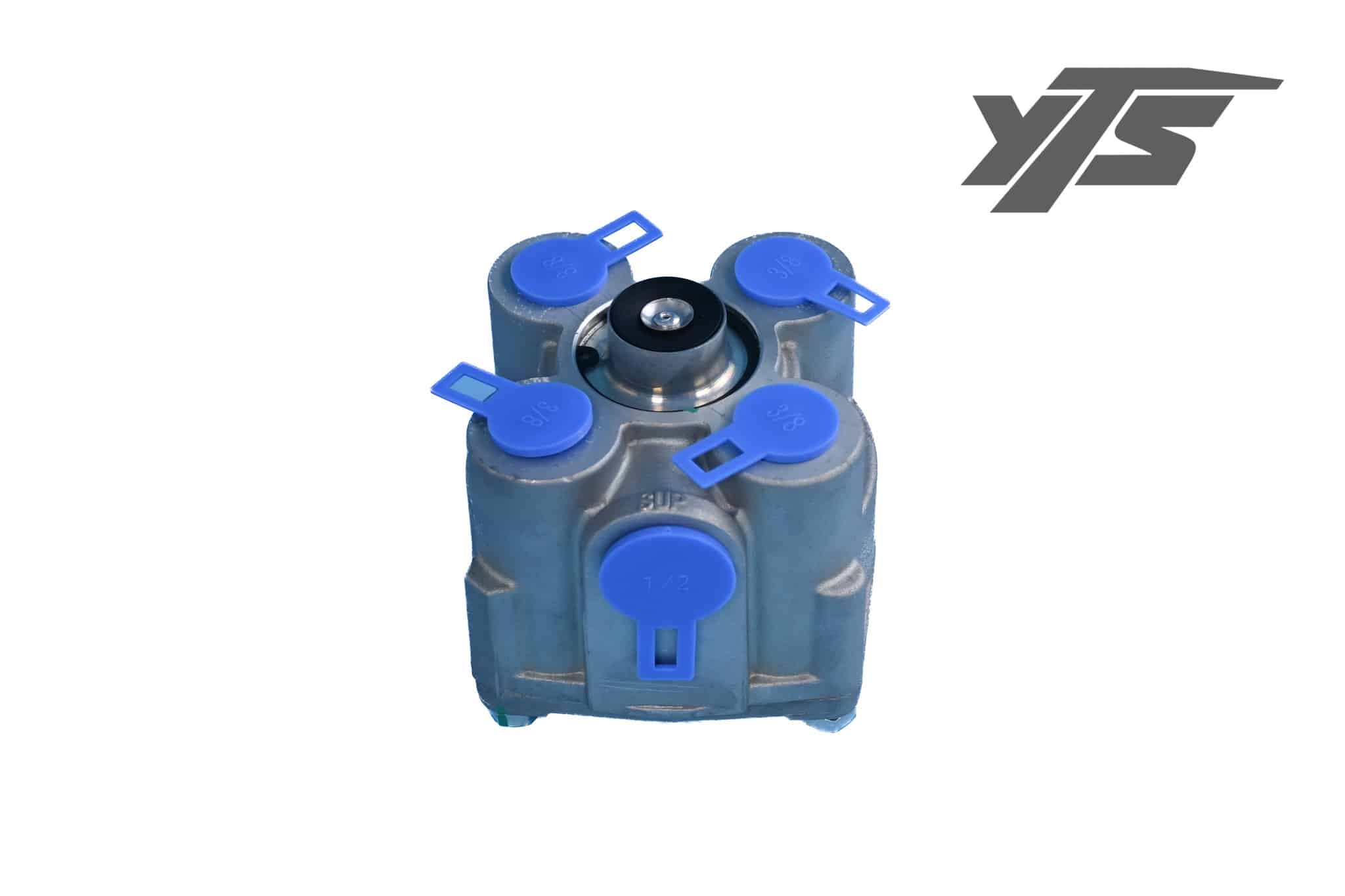 Representative Photo, actual item may vary


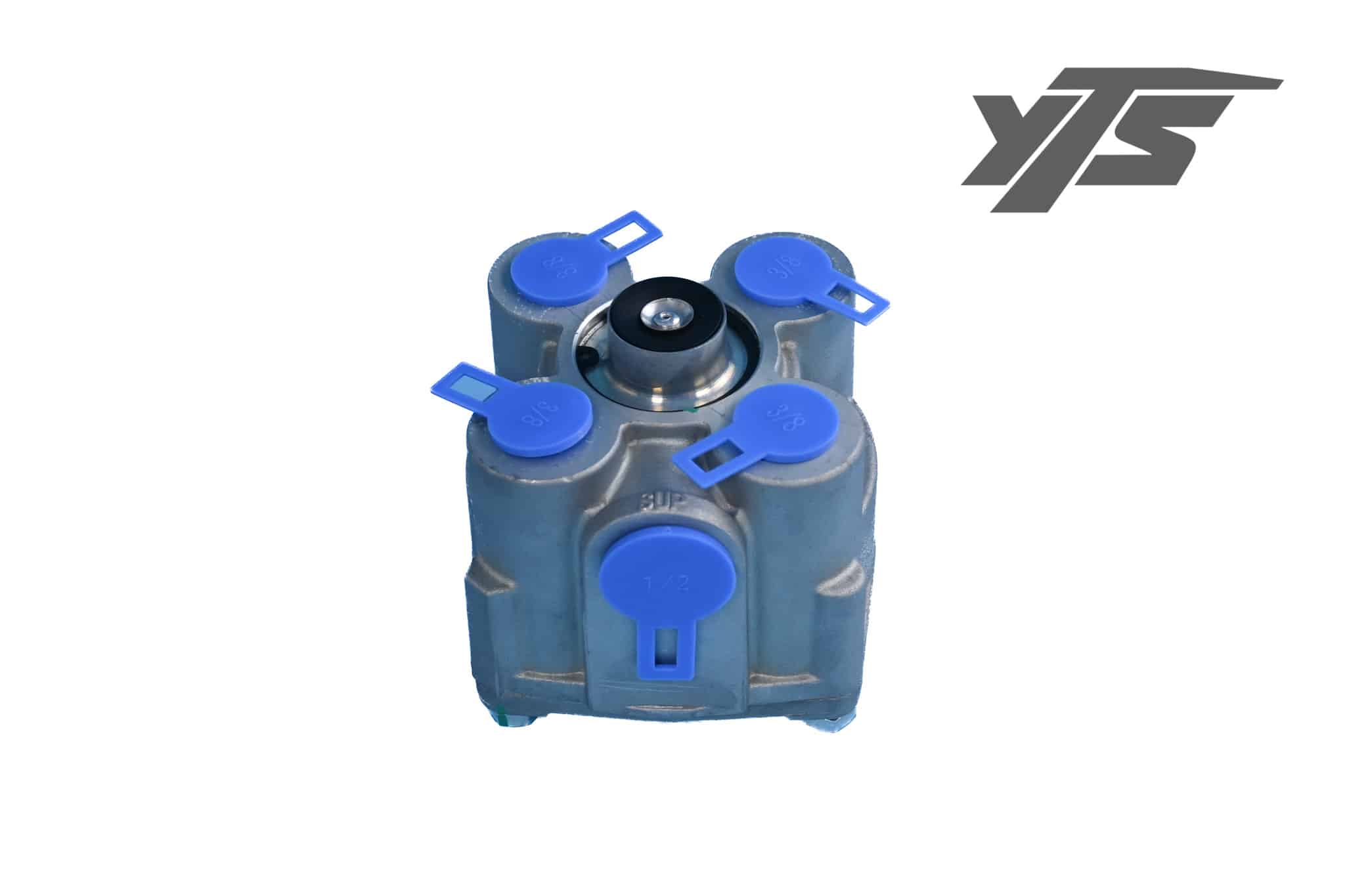 Representative Photo, actual item may vary


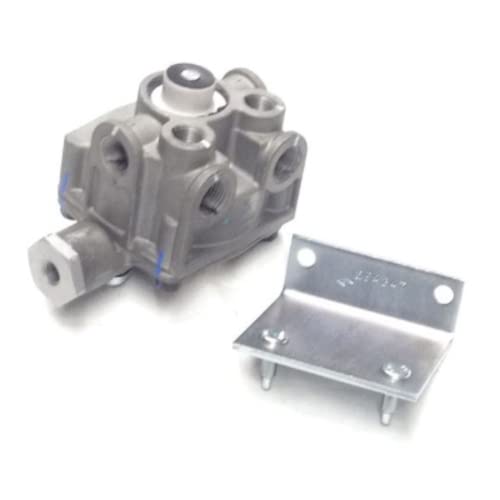 Representative Photo, actual item may vary


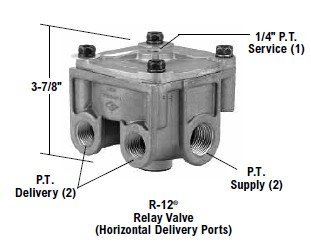 Representative Photo, actual item may vary

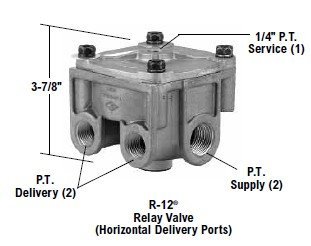 Representative Photo, actual item may vary


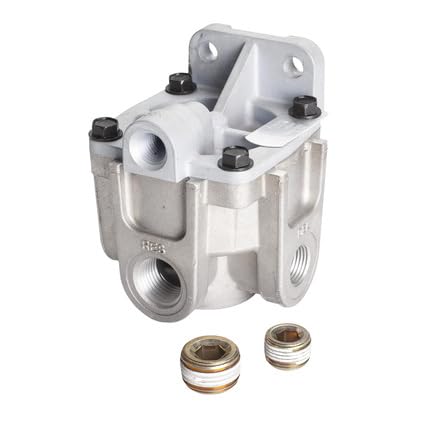 Representative Photo, actual item may vary
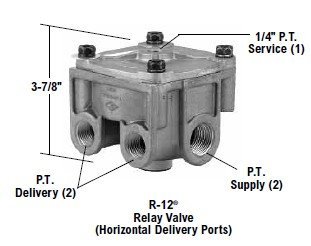 Representative Photo, actual item may vary


What Is an Air Brake Relay Valve?
Air brake relay valves are among the most critical safety components in any heavy-duty commercial vehicle's braking system. Air brake relay valves serve a deceptively simple but vital purpose: they act as pneumatic amplifiers, allowing a small control signal from the brake pedal to rapidly direct large volumes of air from a nearby reservoir directly to the brake chambers. This eliminates the need for high-volume air to travel long distances through brake lines — a delay that, on a loaded 80,000-lb. tractor-trailer, could mean the difference between a safe stop and a dangerous one.
How Relay Valves Work
When a driver presses the brake pedal, a control signal travels to the relay valve, which opens and draws air from a local reservoir to fill the brake chambers. The relay valve is typically mounted close to the axle it serves — on or near an air tank — so that large volumes of compressed air travel only a short distance to the brake chambers. This dramatically reduces brake application lag. Equally important is the release function: when the driver lifts off the pedal, the relay valve exhausts air from the brake chambers back through the system, resetting the brakes and preparing them for the next application.
In a dual-circuit system, relay valves also help synchronize brake application across multiple axles, promoting balanced braking performance and vehicle stability. On tractor-trailer combinations, relay valves in the trailer receive a control signal from the tractor and source their air supply locally from the trailer's own reservoir — eliminating long pneumatic delays across the entire length of the rig.
Signs of a Failing Relay Valve
Because relay valves handle a safety-critical function, recognizing early warning signs of failure is essential for fleet operators and owner-operators alike. Common symptoms of a worn or faulty relay valve include:
- Brakes that are slow to engage or release
- Poor or mushy brake pedal response
- Uneven brake wear across axles
- Audible air leaks near the valve body
- Excessive pressure drop during brake application
When replacing a relay valve, it is important to match the crack pressure rating of the original unit — the threshold at which the valve begins to open and direct air to the chambers. Using a valve with the wrong crack pressure can upset brake balance and affect stopping performance.
Top Brands in Air Brake Relay Valves
When it comes to sourcing a replacement relay valve, brand matters. Two manufacturers have established a long track record of quality and reliability in this category:
Bendix Brakes is the dominant name in North American heavy-duty air brake systems. Bendix offers a comprehensive lineup of relay valves — including the widely specified R-6™, R-12™, R-12DC®, and R-14™ — engineered to meet and exceed federal safety standards. Their valves are designed to fit OEM mounting locations and feature serviceable cartridge-style inlet/exhaust components for easier maintenance in the field.
Haldex brings a global perspective to air brake valve technology, supplying the commercial vehicle industry with a broad range of relay valves suited for both tractor and trailer applications. Known for their air controls product line — which includes valves, ABS, and EBS components — Haldex relay valves are engineered for consistent performance across diverse operating conditions.