


Damper Actuators & Accessories
 Representative Photo, actual item may vary


Honeywell 27520Q Push Rod 5/16 Inch Diameter 8 Inch Length for HVAC Damper Actuators
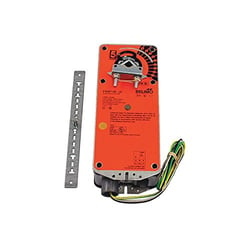

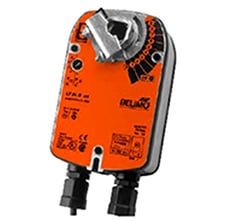
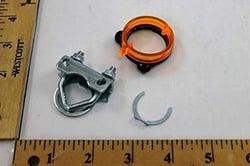
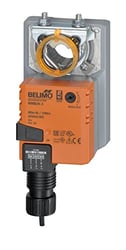
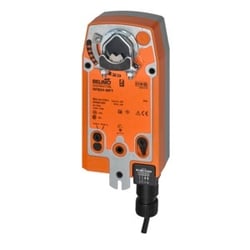
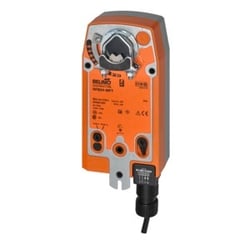
Belimo NFB24-S Spring Return Damper Actuator 24V 90 in-lb On/Off with Auxiliary Switch
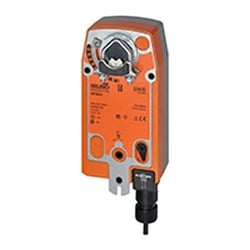
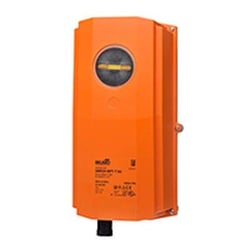
Belimo NFB24-MFT 24V Spring Return Modulating Damper Actuator, 90 in-lb, MFT
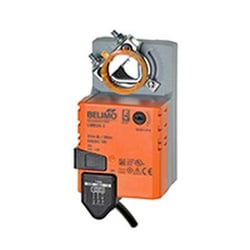
 Representative Photo, actual item may vary
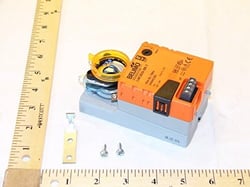
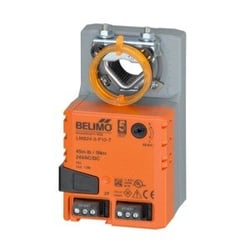
Belimo LMB24-3-P10-T 24V Damper Actuator 45 in-lb On/Off/Floating Control
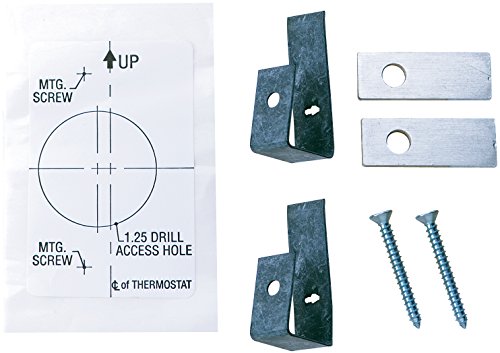 Representative Photo, actual item may vary
 Representative Photo, actual item may vary
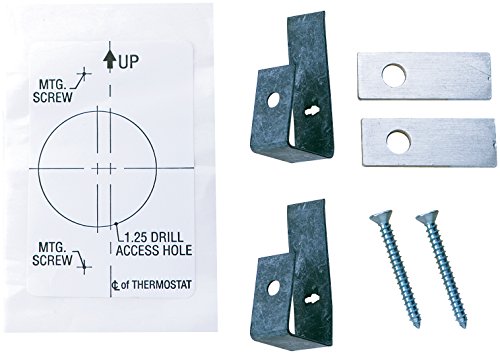 Representative Photo, actual item may vary
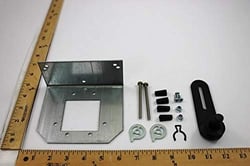
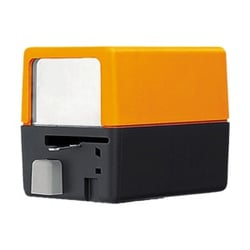
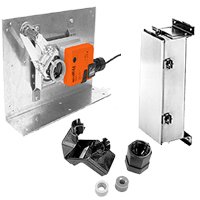




Honeywell M9484F1007 24V Non-Spring Return Normally Closed Damper Actuator with 2 Auxiliary Switches

Honeywell M9184A1019 24VAC Modulating Damper Actuator 150 lb-in 60 Second


Johnson Controls M9208-GGC-3 Electric Spring-Return Damper Actuator 24VAC 0-10VDC


Johnson Controls MP8000-6325 Diaphragm and Seal Kit for MP82/MP83 Pneumatic Actuators

Johnson Controls M9220-BGC-3 Spring Return Damper Actuator 24V 177 lb-in On/Off with 2 Auxiliary Switches


Johnson Controls VA9203-GGB-2Z Proportional Electric Spring-Return Actuator 24VAC SPDT


 Representative Photo, actual item may vary


Honeywell MS4103F1225 Fire/Smoke Damper Actuator 27 lb-in Spring Return 120-230V U-Bolt


Johnson Controls M9000-400 Jackshaft Linkage Adapter Kit for HVAC Damper Actuators


Siemens 331-2988 No.6 Pneumatic Damper Actuator 8-13 PSI High Temp Pivot Mount

 Representative Photo, actual item may vary
Siemens Building Technology 333-071 High Temperature Diaphragm Kit for Pneumatic Actuators
 Representative Photo, actual item may vary
Belimo B249+AFRB24-SR 2-Inch Spring Return Actuator with 2-Way Control Valve


 Representative Photo, actual item may vary


Johnson Controls M9220-HGC-3 Electric Spring-Return Damper Actuator 24VAC Proportional Control
 Representative Photo, actual item may vary
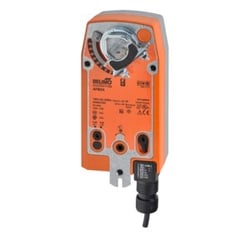
Belimo AFBUP-S 24-240V Spring Return Damper Actuator 180 in-lb Torque with Auxiliary Switch
 Representative Photo, actual item may vary
 Representative Photo, actual item may vary
What Are Damper Actuators and Why Do They Matter?
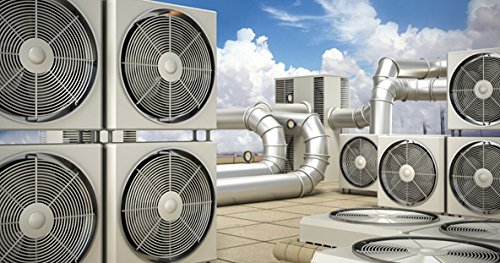
Damper actuators — sometimes called damper motors — are among the most critical components in any HVAC system. The damper actuator is the HVAC component used to control the opening and closing of the damper. Think of it this way: a damper is a plate or gate that can be opened or closed to control airflow, and the actuator is the component that provides the necessary force to move it, enabling precise control over airflow. Without a properly functioning actuator, a building's ventilation system loses the ability to respond intelligently to changing conditions.
In HVAC systems, damper actuators help control temperature and air quality by regulating the amount of air that flows through the system. By adjusting the damper's position, the system can control the mixture of fresh and recycled air, maintain the desired temperature, and even control humidity. This precision has real consequences: roughly 80% of the digital signals transported to HVAC systems are received by the actuator, making it one of the most critical components of the entire system.
Types of Damper Actuators
Damper actuators are categorized primarily by their power source and control mechanism. Understanding these distinctions is key to choosing the right part for any installation or replacement job:
- Electric Actuators: Electric actuators are the most prevalent type in modern HVAC systems, offering versatility and compatibility with digital control systems. They operate using an electric motor to drive a gear train, which in turn rotates the damper shaft.
- Spring-Return (Fail-Safe) Actuators: Spring-return actuators perform their activities with the use of a spring to complete the activity when there is a loss of power — on power failure, the actuator will automatically revert to a fully closed or open position thanks to the mechanical spring function.
- On/Off Actuators: These actuators provide simple two-position control — fully open or fully closed — and are commonly used for basic zone control or exhaust fan applications where intermediate damper positions are not required.
- Modulating Actuators: Modulating actuators continuously adjust the motor's operation based on the analog input signal to maintain precise airflow.
- Pneumatic & Hydraulic Actuators: Pneumatic actuators are often simpler and can be more robust in certain industrial applications, while hydraulic actuators are known to withstand harsh conditions, making them a great option for demanding industrial use.
Key Applications
Damper actuators are integral to zone control: in multi-zone HVAC systems, actuators on zone dampers direct conditioned air to specific areas, allowing individual temperature control and reducing energy waste in unoccupied zones. They are also essential in Variable Air Volume (VAV) systems, air handling units, economizers, fan coil units, and life safety applications such as fire and smoke damper control.
What to Consider When Shopping
Choosing the right damper actuator means matching several key specifications to the application at hand. Torque range is an important factor, as airflow resistance, damper size, and system pressure can all change the torque required to ensure consistent operation. You'll also need to evaluate control signal type (on/off, floating point, or modulating), voltage requirements, spring-return vs. non-spring-return design, and compatibility with your building management system (BMS). Accessories such as mounting brackets, shaft adapters, linkage kits, and auxiliary switches are often needed to complete an installation — making it important to shop a source with a comprehensive selection.
Top Brands in Damper Actuators & Accessories
The damper actuator market is led by a handful of manufacturers with deep HVAC expertise. Here's what sets the top names apart:
- Belimo: Belimo damper actuators are designed for use in a wide variety of HVAC applications ensuring performance, reliability, and lower power consumption. With a comprehensive torque range suited for damper sizes as small as 4-inch round and the ability to direct-mount on standard damper shafts or jackshafts, Belimo actuators are suited for control dampers, air handlers, economizer units, VAV terminal units, fan coil units, fan shutters, and unit ventilators.
- Siemens Building Technology: Compatibility with third-party manufacturers and digital technologies like BIM makes Siemens HVAC applications reliable, flexible, and future-proof. The Siemens OpenAir line features self-centering shaft adapters and high torque for large commercial dampers.
- Honeywell: Honeywell is a globally recognized name in building controls, offering a broad range of electric and pneumatic damper actuators with modulating, floating, and on/off control — making them a go-to for both new installations and legacy system replacements.
- Schneider Electric (Barber Colman): The Barber Colman line under Schneider Electric offers dependable two-position control for various HVAC applications, ensuring precise airflow regulation and contributing to overall system efficiency. Equipped with spring return mechanisms, these actuators ensure dampers revert to their default position upon power loss, enhancing system reliability.
- Johnson Controls: Johnson Controls brings decades of building automation expertise to its damper actuator lineup, offering pneumatic and electric models that integrate seamlessly with its broader suite of building management systems and controls infrastructure.