


Drive Shaft Sensor
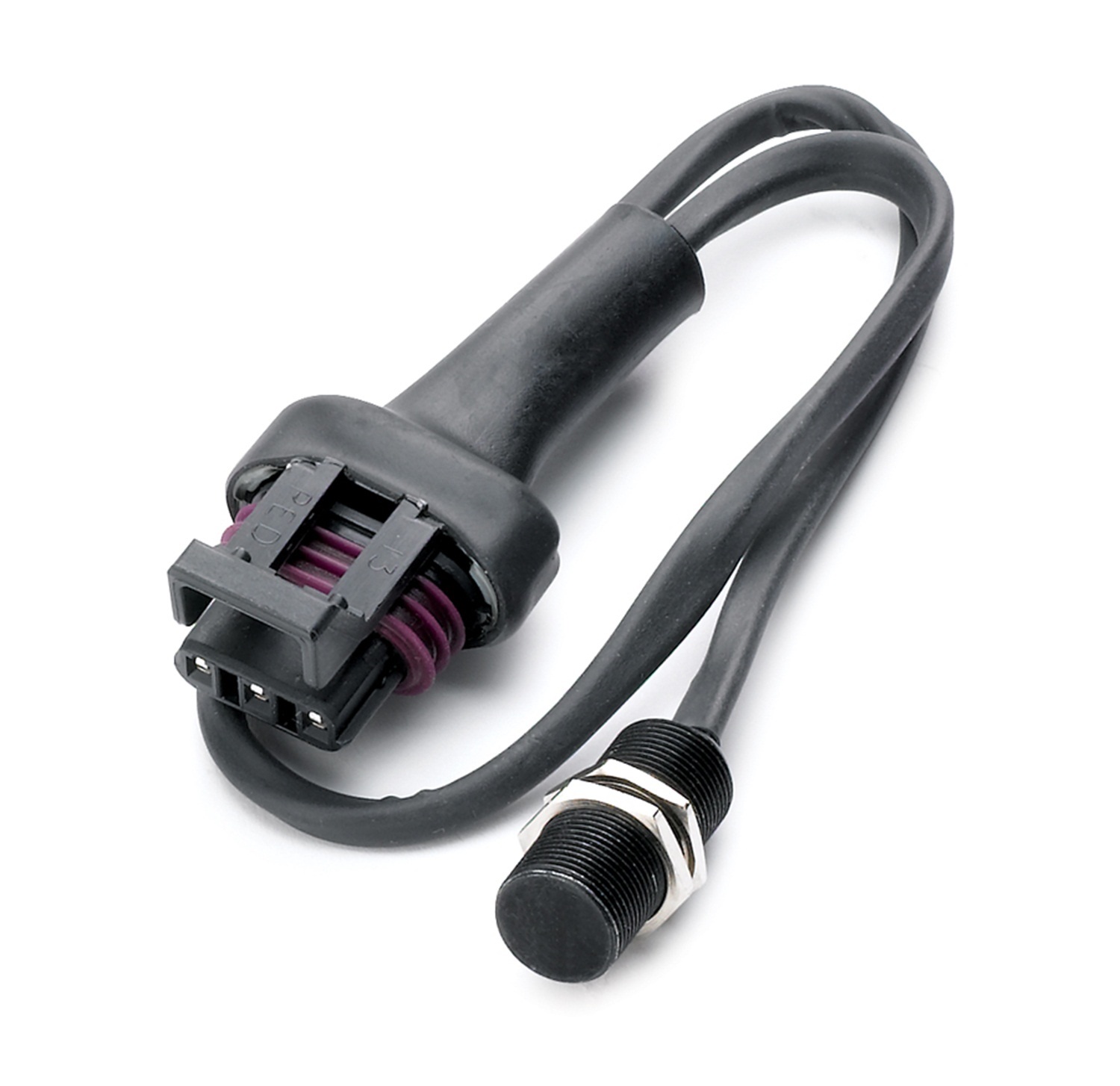 Representative Photo, actual item may vary


Strange Engineering U1613-8 8-Magnet Computer Pickup Collar for 28-Spline Axles

 Representative Photo, actual item may vary





What Is a Drive Shaft Sensor?
Drive shaft sensors — sometimes called driveshaft speed sensors or propshaft sensors — are precision components that monitor the rotational speed and position of the driveshaft. The driveshaft is the critical link that connects the transmission or transfer case to the differential, transferring engine power to the wheels. By reading pulses from magnets or toothed rings mounted to the rotating shaft, these sensors provide real-time RPM data to a vehicle's control systems or data acquisition equipment.
How Drive Shaft Sensors Work
Most driveshaft sensors rely on either magnetic (Hall effect) or contact-closure technology to detect movement. A magnet-triggered sensor reads the passing of embedded magnets in a split collar or ring mounted to the shaft. Each pass generates an electrical pulse, and the frequency of those pulses is translated into an accurate RPM or speed value. The number of magnets or trigger teeth used directly affects resolution — more pulses per revolution means finer, faster detection of speed changes, which is especially valuable in high-performance and racing applications where tire slip must be caught and corrected in milliseconds.
Why Drive Shaft Sensors Matter
In street vehicles, driveshaft speed data feeds into systems like traction control, electronic stability programs, and anti-lock braking systems, helping maintain vehicle stability and safety under a wide range of driving conditions. In a motorsports context, accurate driveshaft RPM is one of the most critical inputs a racer can have. Knowing exactly what the driveshaft is doing at every moment of a pass helps teams understand clutch slip, transmission ratios, and power delivery — all of which translate directly to elapsed times on the track.
Key Considerations When Shopping Drive Shaft Sensors
- Sensor Type: Hall effect sensors offer active, reliable switching across a wide RPM range, while contact-closure sensors are a simpler, cost-effective option for lower-resolution applications.
- Thread Pitch & Mounting: Most racing driveshaft sensors use a standard 5/16" fine thread pitch, but always verify compatibility with your chassis and sensor bracket.
- Compatibility: Ensure the sensor matches your data logger, ECU, or traction control system — connector type and signal output both matter.
- Magnet Count / Trigger Ring: Higher trigger counts (more magnets or teeth) yield higher resolution data, enabling faster response from traction control and more detailed data logs.
- Material & Durability: Aluminum-bodied sensors handle heat and vibration better in demanding race environments; plastic-body sensors suit lighter-duty or budget-conscious builds.
Top Brands in Drive Shaft Sensors
Racepak is the benchmark name in motorsports data acquisition, and their drive shaft sensor lineup reflects that pedigree. Founded by engineers with deep motorsports backgrounds, Racepak offers both Hall effect and contact-closure driveshaft sensors designed to integrate seamlessly with their industry-leading data loggers — from the V300SD and V500SD to drag racing staples like the IQ3 Drag and Pro-series recorders. Whether you're chasing tenths on a drag strip or dialing in a circle track car, Racepak's driveshaft sensors deliver the reliable, high-resolution RPM signal that serious data-driven racers depend on.