


Tires & Tubes

Cooper 172007015 Work Series RHT II 215/75R17.5 135/133L Load H Trailer Tire



Journey WVS6902156517R10DTAP Vision WVS690 Marine Heavy Hauler DTAP Trailer Tire ST215/65R17




Westlake 1347774 CR960A ST Radial Trailer Tire 235/85R16 132/127L Load Range G 14-Ply



Double Coin 1077258016 RT500 All Steel Trailer Tire 235/80R16 129/125L G 14 Ply


TransEagle TA27 ST Radial All Steel Trailer Tire 205/75R15 115/110N Load Range G 14-Ply


Forerunner 46234E0001 QH503 Boat Trailer Tire 20.5X8.00-10 Load Range E 10-Ply





Advanta 1954103866 AV3200 ST235/85R16 All Steel Trailer Tire 132/127N G 14 Ply


Greenball TDS1623580G Tow-Master XD Special Trailer Radial Tire ST235/80R16 Load Range G 14 Ply


Trailer Master TMST23 ST PRO Steel Belted Radial Trailer Tire ST205/75R14 109/104N Load Range E


Castle Rock HZCR205RD150 ST205/75R15 Load Range D 8-Ply Radial Trailer Tire


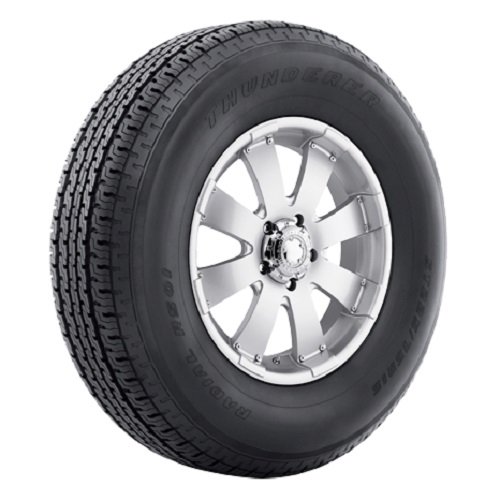 Representative Photo, actual item may vary
Thunderer TH0509 Radial R501 Steel Belted Trailer Tire 205/75R15 107/102M Load Range D 8 Ply


Atturo ST300-I022902 Special Trailer Radial Tire ST225/75R15 117/112M Load Range E



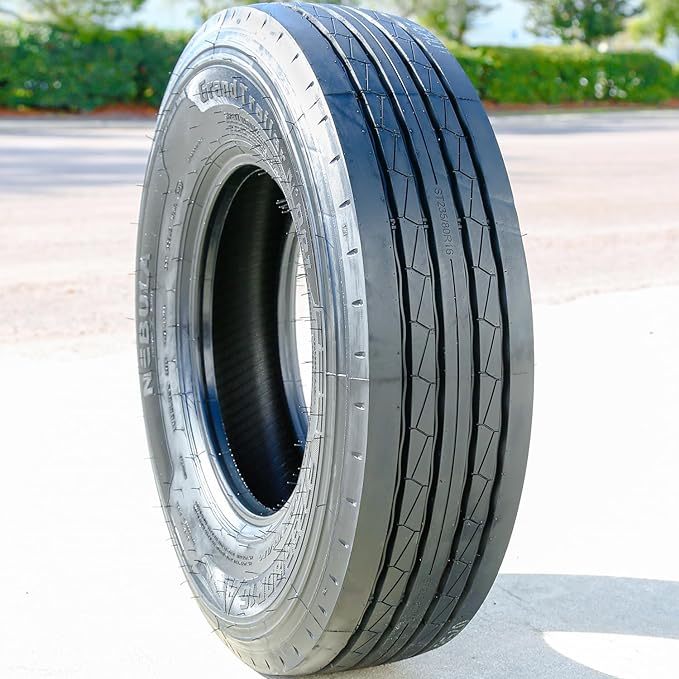 Representative Photo, actual item may vary
Nebula NBST69256-TH ST Radial N' 001 ST215/75R14 108/103L Load Range D Trailer Tire

Transporter TR311396 ST Radial Trailer Tire Load Range G 225/90R16 Tires & Tubes


Why Trailer Tires Are a Category All Their Own
When it comes to trailering, the tires beneath your rig are one of the most safety-critical components you can choose — yet they're often an afterthought. Trailer tires are not interchangeable with passenger car or light truck tires. They are purpose-built to do something fundamentally different: carry heavy, non-driven loads over long distances while keeping the trailer stable and predictable behind the tow vehicle.
Trailer-specific tires — typically designated ST (Special Trailer) — feature stronger sidewalls engineered to resist the lateral forces and swaying that occur during towing. They also carry a significantly higher load index than comparably sized passenger tires, making them the correct choice for utility trailers, boat trailers, horse trailers, travel trailers, and fifth-wheel rigs alike.
Radial vs. Bias-Ply: Choosing the Right Construction
The two main trailer tire constructions each serve different needs. Radial tires have steel belts running across the tread, which delivers better stability, longer tread life, reduced rolling resistance, and improved heat resistance — making them well-suited for highway towing and long-distance hauls. Bias-ply tires are built with crisscrossed nylon layers that create stiffer, more rigid sidewalls, giving them added durability on rough terrain, farm applications, and off-road use where puncture resistance matters more than ride smoothness.
For most boat trailer owners and campers spending the majority of their time on highways, radial construction is typically the preferred choice. If you're hauling construction equipment, agricultural implements, or livestock over unpaved terrain, bias-ply tires may be the more practical option.
Key Factors When Shopping for Trailer Tires
- Load Range: Load range is indicated by a letter (C, D, E, F, and higher), with higher letters denoting greater load-carrying capacity. Always choose a tire whose load range meets or exceeds your trailer's rated weight.
- Speed Rating: Most trailer tires are rated for around 65–75 mph. Exceeding the speed rating causes heat buildup that can lead to blowout — always stay within the rated limit.
- Tire Size: Follow your trailer manufacturer's specifications exactly. Never downsize a trailer tire to save money, as this compromises your safety margin.
- Tread Pattern: Ribbed highway tread works best for smooth road hauling; more aggressive lug patterns are better for off-road or farm trailer use.
- Inflation: Maintaining correct tire pressure is crucial. Underinflation leads to overheating and premature failure, while overinflation can cause uneven wear and a rougher ride.
Don't Forget the Tubes
While most modern trailer tires are tubeless, inner tubes remain an important part of the trailering world. Older rim designs, certain bias-ply tires, and tube-type (TT) designated tires still require inner tubes. A quality tube ensures consistent air pressure, helps prevent flats, and can extend the service life of your trailer tires — especially on trailers that see intermittent use or spend time in storage between seasons. Always match the tube size precisely to the tire size marked on your tire's sidewall, and verify that the valve stem type is compatible with your rim.
Top Brands for Trailer Tires & Tubes
For decades, Firestone has been one of the most recognized names in commercial and trailer tires. Backed by Bridgestone's engineering capabilities, Firestone's trailer tire lineup is designed for durable, long-haul performance — with features like five-rib tread designs for even wear and low-rolling-resistance construction for fuel efficiency.
Continental brings over a century of tire engineering expertise to the trailer market, offering vocation-specific designs focused on maximizing mileage, efficiency, and longevity. Continental's trailer tire technology incorporates advanced casing designs and tread compounds engineered to reduce operating costs for both commercial fleets and serious trailering enthusiasts.