


Pipe to Compression Fitting





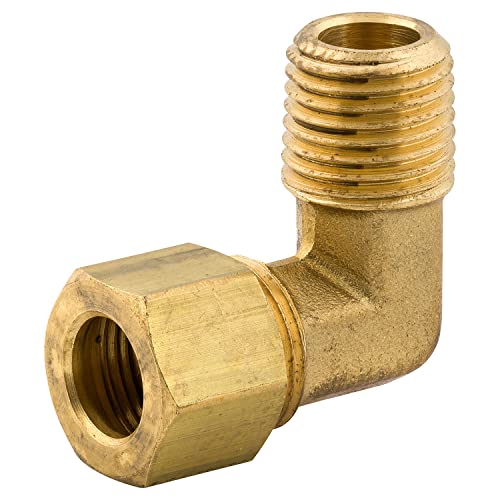 Representative Photo, actual item may vary

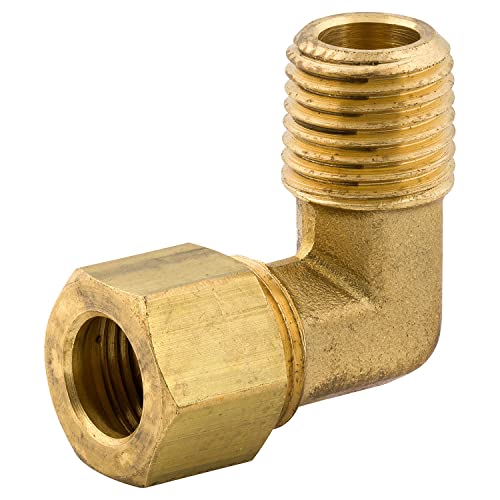 Representative Photo, actual item may vary
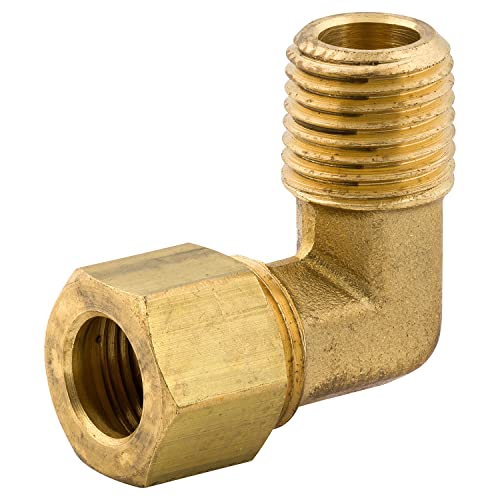 Representative Photo, actual item may vary
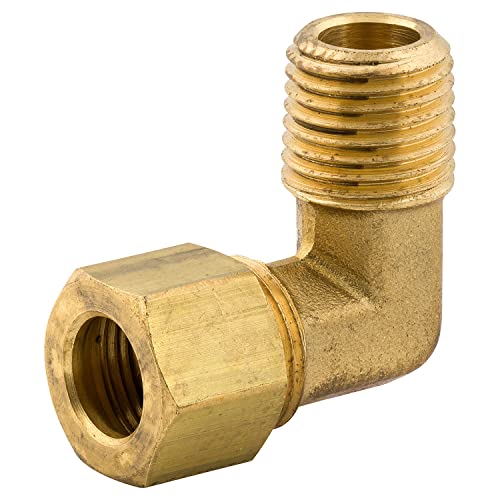 Representative Photo, actual item may vary


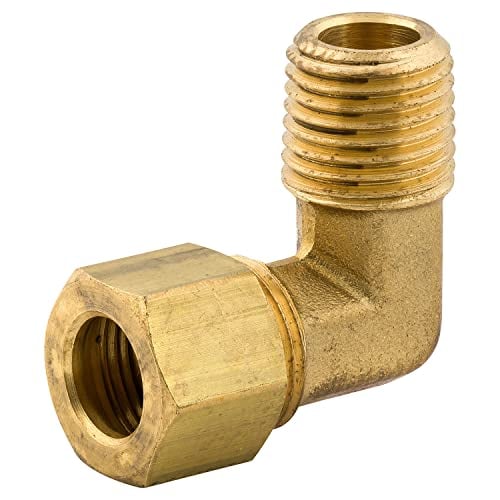 Representative Photo, actual item may vary


Anderson Metals 7040450606 Lead-Free Brass Compression Tee 3/8 x 3/8 x 3/8 Inch




Schneider Electric B-137 1/4" Barb x 1/4" Compression Adapter Pneumatic Fitting 50-Pack



American Grease Stick CF-33B Brass Compression Elbow Fitting 3/8" Tube x 1/4" NPT Male
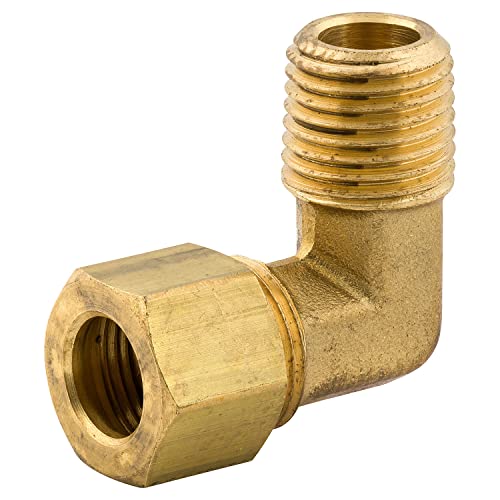 Representative Photo, actual item may vary

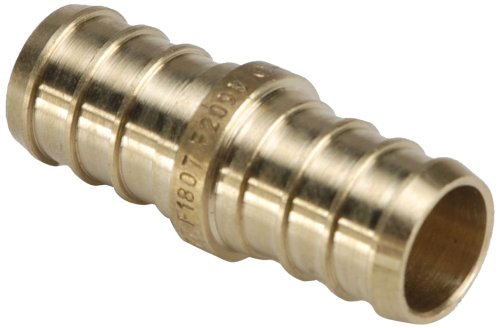 Representative Photo, actual item may vary
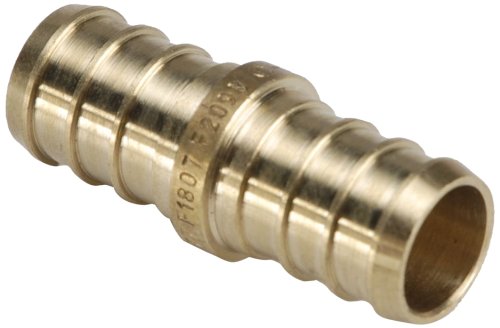 Representative Photo, actual item may vary


 Representative Photo, actual item may vary

 Representative Photo, actual item may vary
Winwholesale Commercial 017133U305 Compression Donut for Plumbing Connections


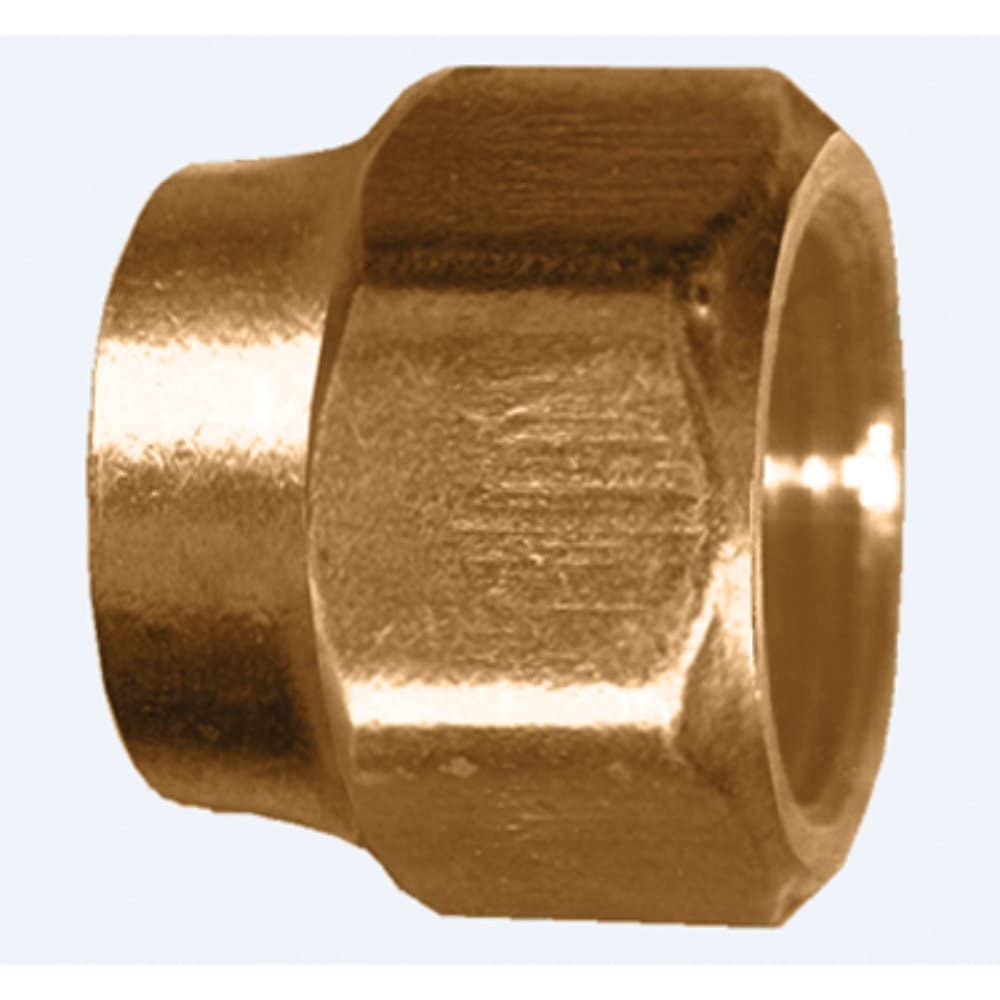 Representative Photo, actual item may vary


American Grease Stick CF-11B Brass Compression Union Fitting 3/16" Tube x 1/8" NPT Male
What Are Pipe to Compression Fittings?
When it comes to making secure, leak-free connections between threaded pipe ends and compression-style tubing, pipe to compression fittings are the unsung heroes of automotive and mechanical service work. These specialized adapters bridge two distinct connection types — the tapered or parallel threads found on NPT pipe fittings and the ferrule-based sealing mechanism of compression-style tubing connections — into a single, reliable joint.
Pipe to compression fittings consist of three core components: a fitting body with a threaded pipe end, a compression nut, and a compression ring (also called a ferrule or sleeve). When the nut is tightened, the ferrule is compressed between the nut and the fitting body, clamping tightly around the tubing and forming a seal that keeps fluids and gases contained under pressure. Critically, no soldering, welding, or flaring of the tubing is required — making these fittings a practical choice for repairs and installations in confined spaces or situations where heat cannot be used safely.
Where Are They Used in Automotive Applications?
In the automotive world, pipe to compression fittings appear wherever threaded system ports need to mate cleanly with small-diameter soft tubing. Common applications include lubrication lines, air lines, oil lines, vacuum lines, and low-pressure water or fuel circuits. They are typically used with copper, brass, or aluminum tubing and are well-suited for low-to-medium pressure service — connecting components like valves, manifolds, sensors, and fluid reservoirs to the lines that feed them.
It's worth noting that standard compression-style fittings are not approved for use on brake lines, where double-flare or inverted-flare fittings are required to meet safety standards. Always confirm the appropriate fitting type for your specific application before installation.
Key Considerations When Shopping
- Thread Type and Size: Match the pipe-thread end (NPT, SAE, or other standard) precisely to the port you're connecting to. Mismatched threads will not seal properly.
- Tubing Material and Diameter: Confirm the tubing outer diameter and material (copper, brass, aluminum, or nylon) to select a compatible ferrule and nut size.
- Pressure Rating: Different fittings are rated for different working pressures. Standard brass compression fittings typically handle low-to-medium pressure applications; high-pressure variants are available for more demanding systems.
- Material: Brass is the most common material for automotive compression fittings thanks to its excellent corrosion resistance, machinability, and compatibility with a wide range of fluids.
- Avoid Overtightening: The ferrule seals the joint, not the threads — and overtightening is the most common cause of fitting failure. Follow manufacturer guidelines on nut rotation for a proper, leak-free assembly.
Top Brands in Pipe to Compression Fittings
When it comes to pipe to compression fittings for automotive use, American Grease Stick (AGS) stands out as a trusted name. Founded in 1931, AGS has grown into the world's leading independent aftermarket manufacturer of brake, fuel, and transmission lines — and their compression fitting lineup reflects that same commitment to quality. AGS offers a broad range of brass pipe to compression fittings, including straight unions, 90-degree unions, tees, and adapter configurations, covering a wide variety of SAE tubing sizes for air, oil, water, and fuel line service.