


Suspension Control Arm Bracket





Sherman 160-49LR Upper Control Arm Mounting Bracket Right Hand Mopar B-Body E-Body


TeraFlex 1447700 Lower LCG Long Arm Upgrade Kit for 97-06 Jeep TJ Wrangler 3-5 Inch Lift


Competition Engineering Clevis Mount Bracket Four-Link Suspension Assembly


Artec Industries TJ3011 Dana 30 Heavy Duty Lower Control Arm Brackets with CAM Slot and Horseshoe


 Representative Photo, actual item may vary








BMR Suspension CAB001 Rear Lower Control Arm Relocation Brackets Weld-On

BMR Suspension CAB002R Rear Lower Control Arm Relocation Brackets - Red Powdercoat

Artec Industries JK2022 Rear Frame Upper Control Arm 3-Link Bracket for 07-18 Jeep Wrangler JK

TeraFlex 1938125 Front Control Arm Sport Frame Bracket Kit for Jeep JL Wrangler JT Gladiator


TeraFlex 1938225 Rear Upper Control Arm Extended-Travel Axle Bracket Kit for Jeep Gladiator JT


Artec Industries BR1035 Adjustable Inner Frame Bracket 0 Degree Front Driver/Rear Passenger


Carli Suspension CS-DLA3-DROP Long Arm Frame Drop Brackets for 2003-2012 RAM 2500/3500 4x4

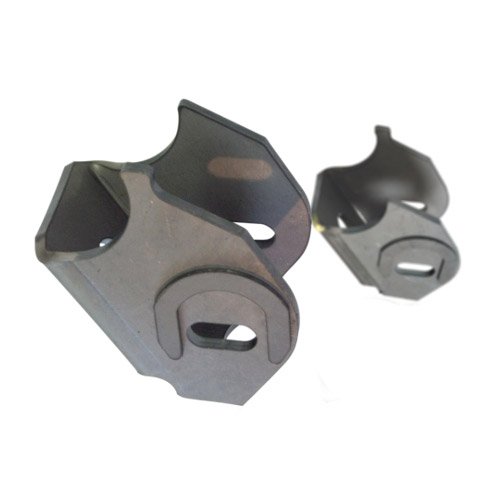 Representative Photo, actual item may vary
Artec Industries JL4596 Heavy Duty Front Lower Control Arm Frame Bracket for Jeep JL/JT
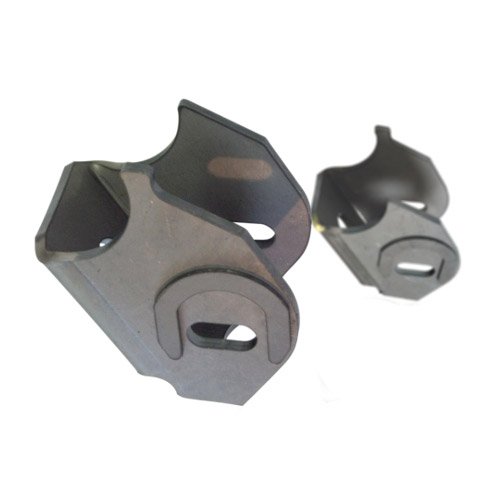 Representative Photo, actual item may vary
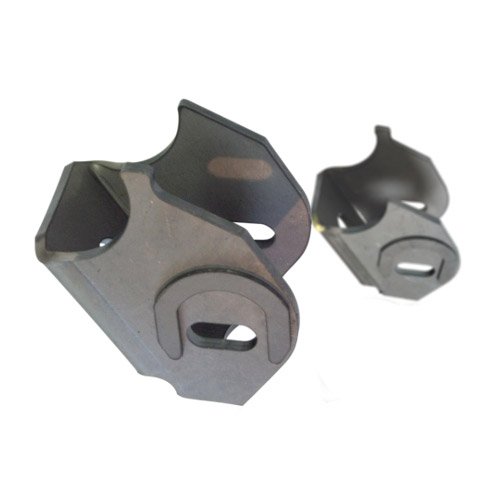 Representative Photo, actual item may vary
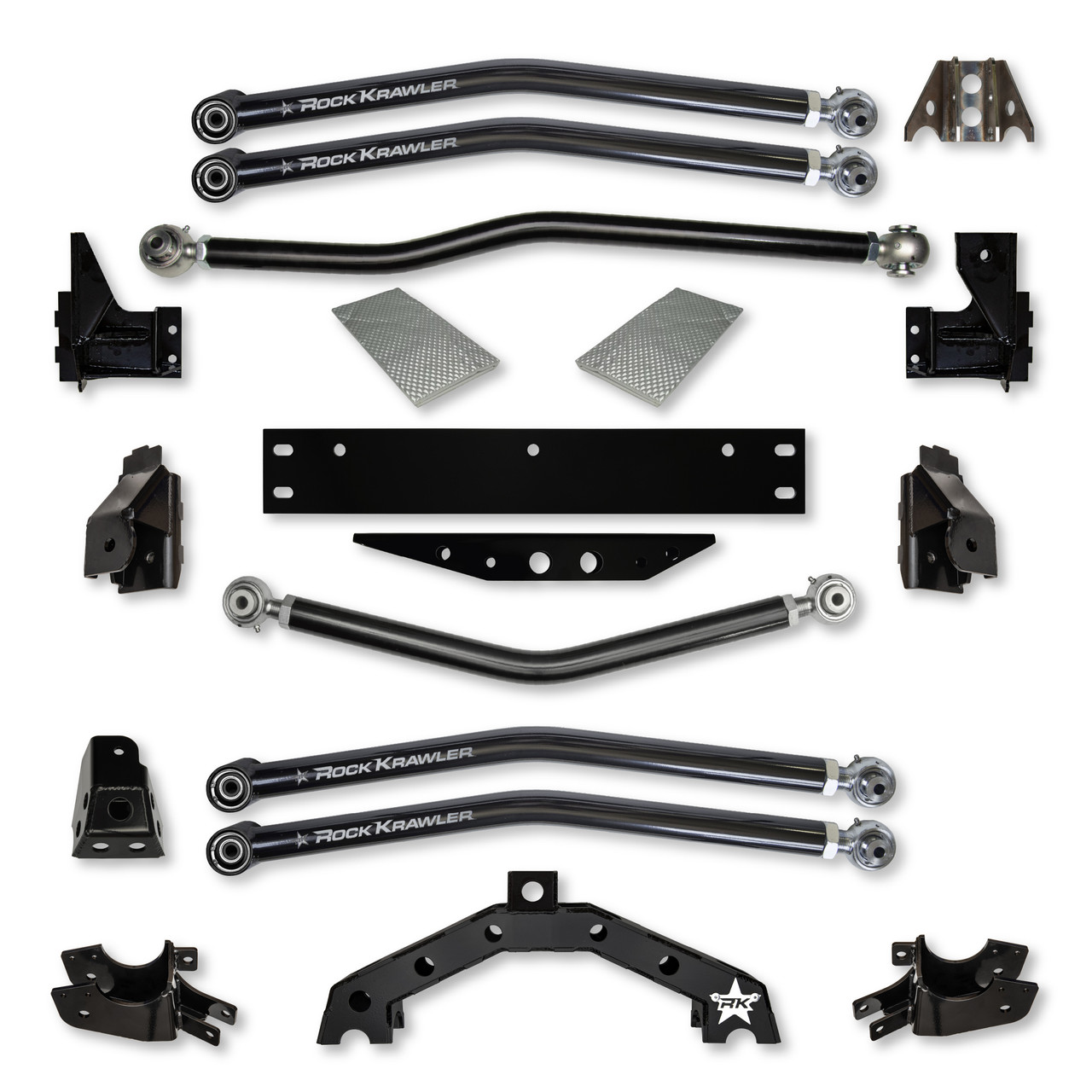 Representative Photo, actual item may vary
Rock Krawler Suspension RK07553B Jeep JL Axle Lower Control Arm Mount Bracket


Artec Industries BR1125 Weld-On Upper Control Arm Brackets for Jeep TJ Low Profile Truss

Artec Industries BR1122 Weld-On Upper Control Arm Brackets for Jeep TJ Low Profile Truss

Artec Industries TJ3024 TJ Front Axle Upper Control Arm Brackets with Daystar Bushings

Artec Industries BR1077 Lower Link Axle Brackets 0 Degree 3.5 Inch Diameter Pair

Artec Industries TJ3025 TJ Front Axle Upper Control Arm Brackets with Johnny Joints

Artec Industries BR1124 Weld-On Upper Control Arm Brackets for Low Profile Front Truss - Currie Johnny Joint 7/16"
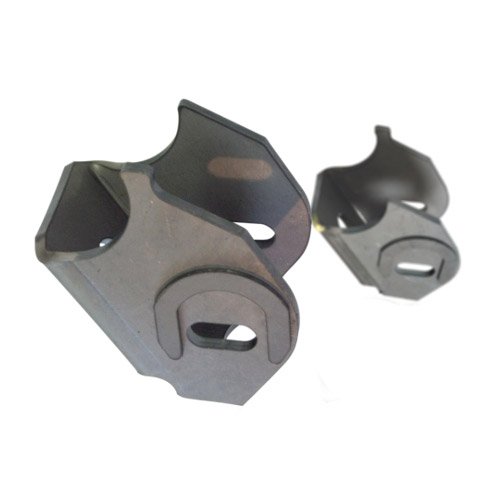 Representative Photo, actual item may vary
Artec Industries BR1137 JK Rear Lower Control Arm Brackets with Integrated Skid Plates

Artec Industries BR1123 Weld-On Upper Control Arm Brackets for Low Profile Front Truss

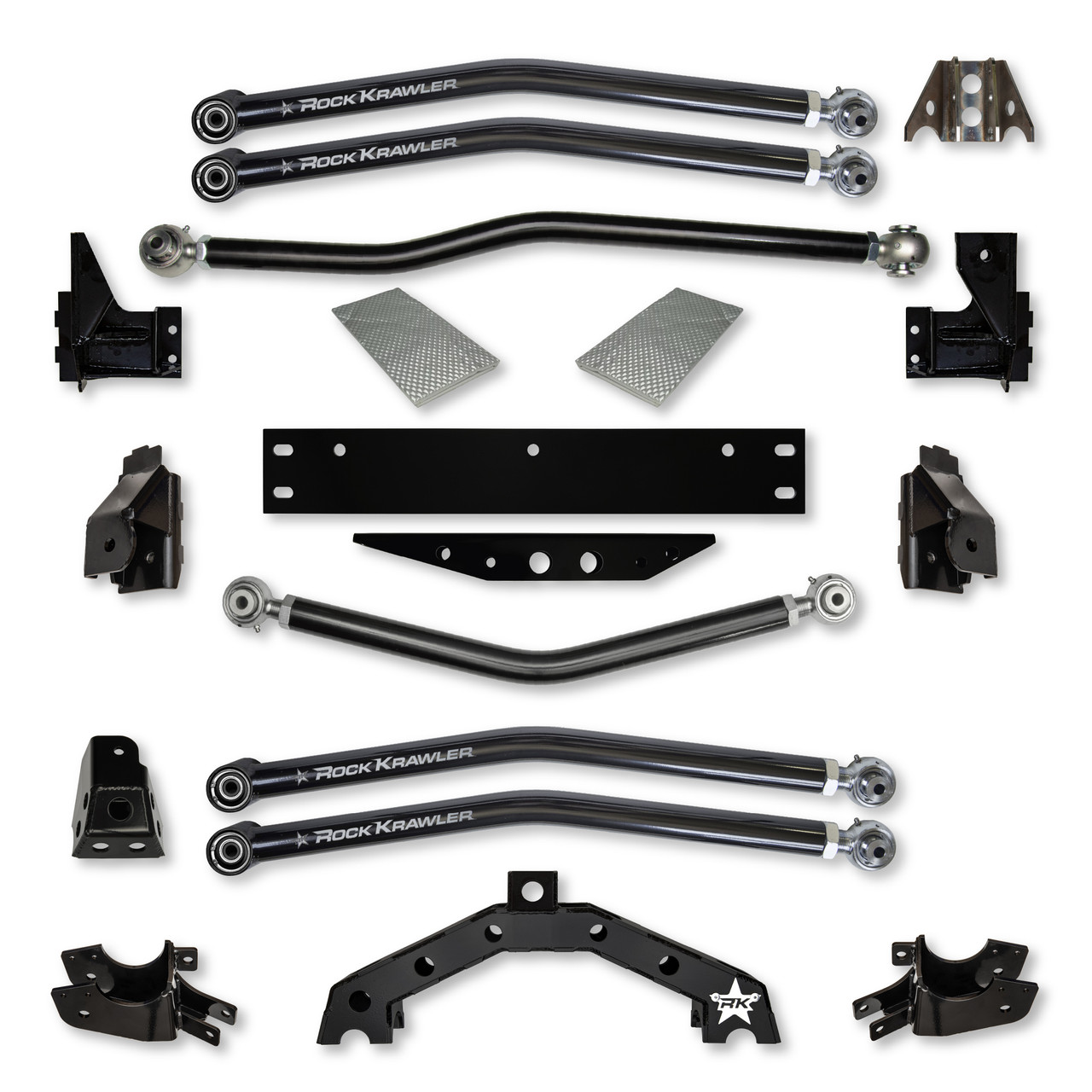 Representative Photo, actual item may vary
Rock Krawler Suspension RK07685 Rear Upper Conversion Kit with 6 Inch Stretch for Dana 35/44


UMI Performance 4012-R Lower Control Arm Relocation Brackets for GM 10/12-Bolt Rear Ends

What Is a Suspension Control Arm Bracket?
Tucked underneath your vehicle and largely out of sight, the suspension control arm bracket is one of the hardest-working pieces of hardware in your entire chassis. A control arm bracket serves as the critical mounting point where the control arm anchors to the vehicle's frame or subframe — the fixed foundation from which the entire suspension geometry is defined. Without a solid, properly positioned bracket, even the best control arms in the world cannot do their job correctly.
To understand why brackets matter, it helps to appreciate what control arms actually do. Control arms are the direct link between a vehicle's wheel assemblies and its frame, allowing the wheels to move up and down with road surface changes while keeping them in proper alignment. As one of the core components of a suspension system, they permit the wheels to travel vertically without compromising steering geometry — a balancing act that depends entirely on precise angles and mounting positions. The bracket is what establishes and maintains those angles.
Why Control Arm Brackets Matter
On a stock vehicle, the factory control arm brackets are engineered to place the control arms at specific angles that optimize handling, caster, and anti-squat characteristics. These geometry relationships are carefully calculated for the vehicle as it sits at ride height. The moment you alter that ride height — by installing a lift kit, for example — those factory angles are disturbed. Control arm brackets, particularly geometry correction brackets, are designed to restore the control arm to its intended factory angle even after a suspension lift, addressing issues like road wandering, caster loss, and excessive brake dive that commonly follow aftermarket lift installations.
Beyond lifted vehicles, performance applications also call for aftermarket control arm brackets. Relocation brackets can shift the mounting position of a control arm to correct the lower control arm angle, adjusting rear suspension geometry to improve anti-squat characteristics and traction — critical considerations for performance street cars and drag racers.
What to Consider When Shopping
- Application fit: Control arm brackets are highly vehicle-specific. Always confirm your year, make, and model before purchasing.
- Material and construction: Quality brackets are typically made from sturdy steel or aluminum to withstand the constant stresses of suspension movement. Look for CNC-laser-cut steel, welded one-piece designs, and durable finishes like powder coat or E-coat for corrosion resistance.
- Lift range compatibility: Geometry correction brackets are typically rated for a specific lift range — commonly 2 to 4 inches. Verify that your lift height falls within the bracket's design window.
- Installation style: Bolt-on designs that use existing factory mounting holes are generally preferred for ease of installation and reversibility, requiring no welding or drilling.
Top Brands in Suspension Control Arm Brackets
BMR Suspension is widely regarded as a leader in high-performance suspension and chassis products for American muscle vehicles, including Mustang, Camaro, and F-Body platforms. Their control arm relocation brackets — available in bolt-on designs for a variety of Ford and GM applications — are CNC-laser-cut from heavy-gauge steel and finished in a durable powder coat. BMR's brackets are engineered specifically to correct lower control arm angle and improve rear suspension geometry for both street driving and competition.
Rancho Suspension brings its off-road expertise to the control arm bracket category through their RockGEAR line, offering geometry correction brackets primarily targeted at Jeep Wrangler and Gladiator owners running 2- to 4-inch lift kits. Rancho's one-piece welded bracket designs restore factory caster angles, reduce brake dive, and help eliminate the road wandering that often plagues lifted Jeeps — all without the need for adjustable control arms or cam bolts.