


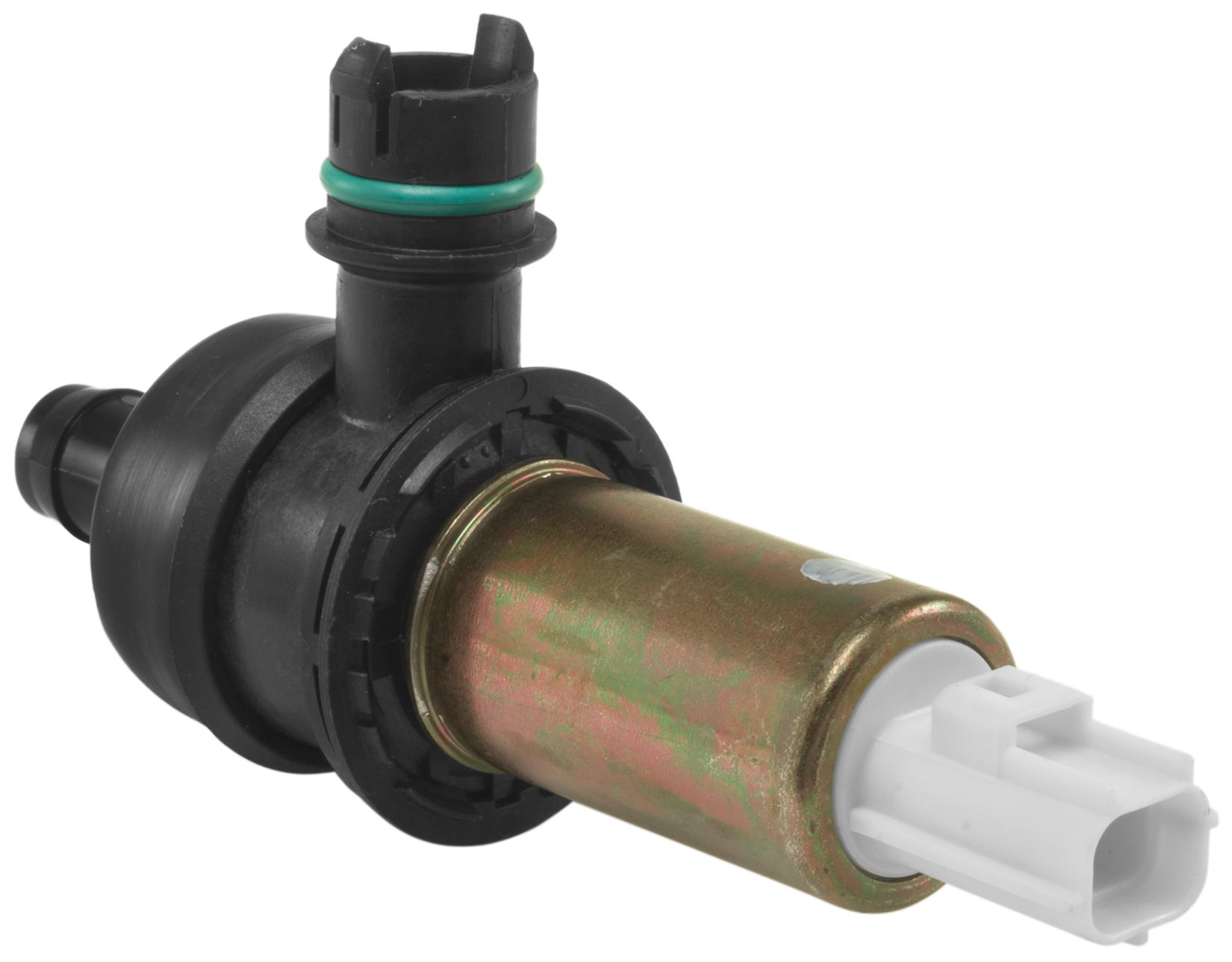
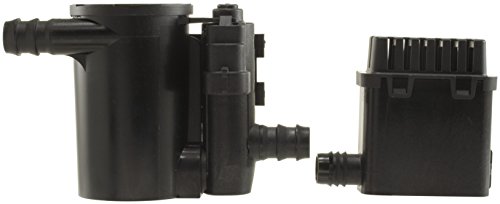
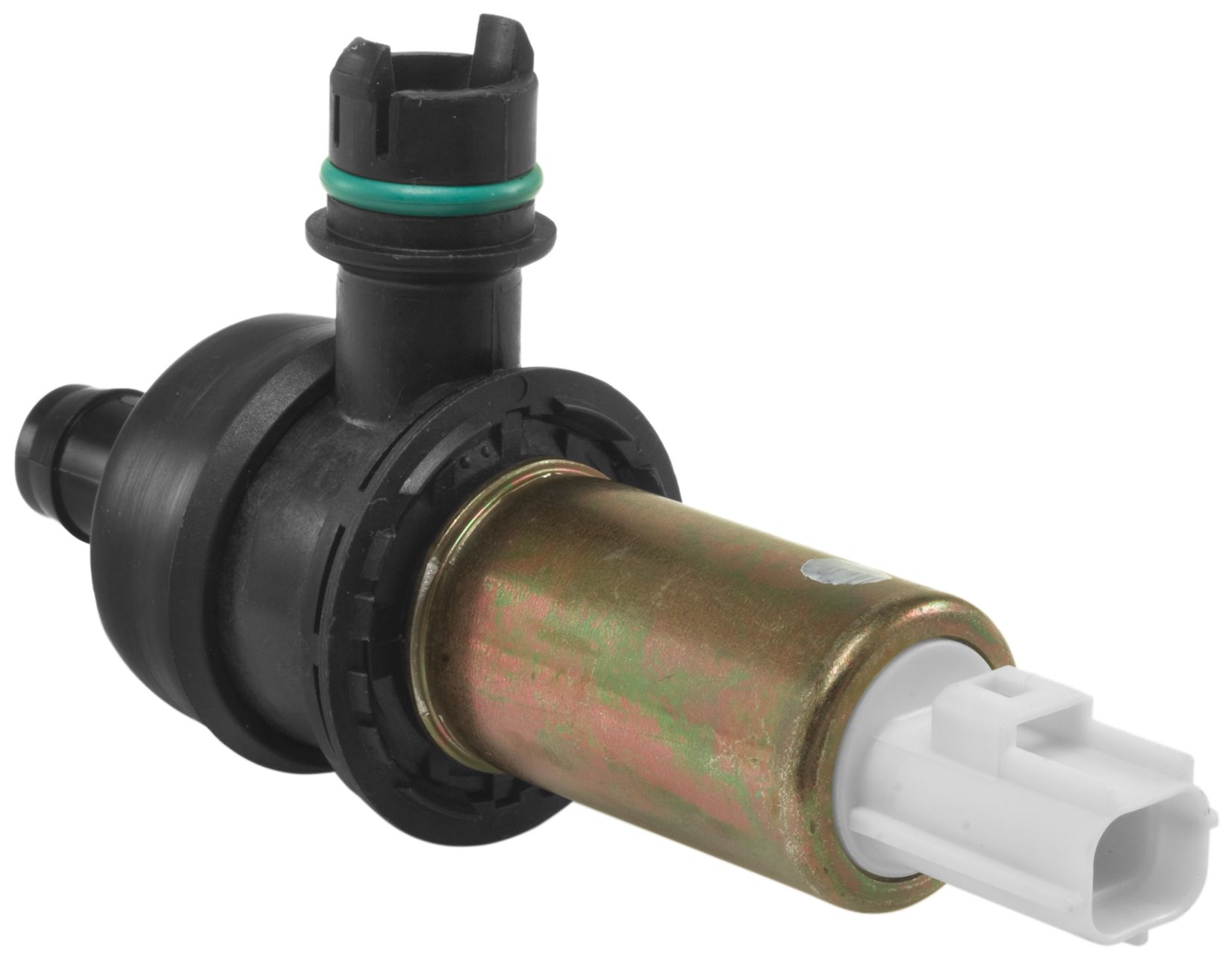
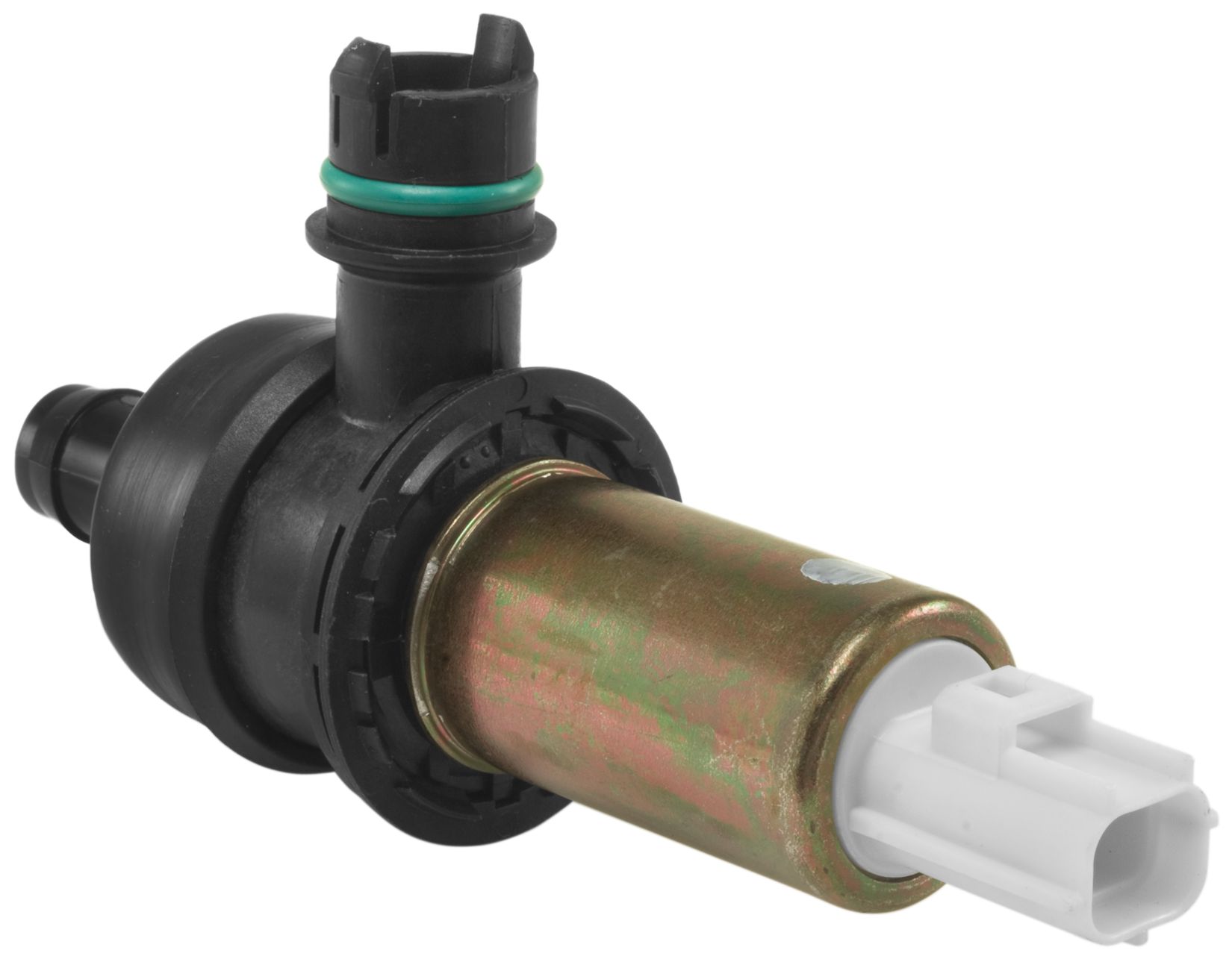
Vapor Canister Vent Solenoid


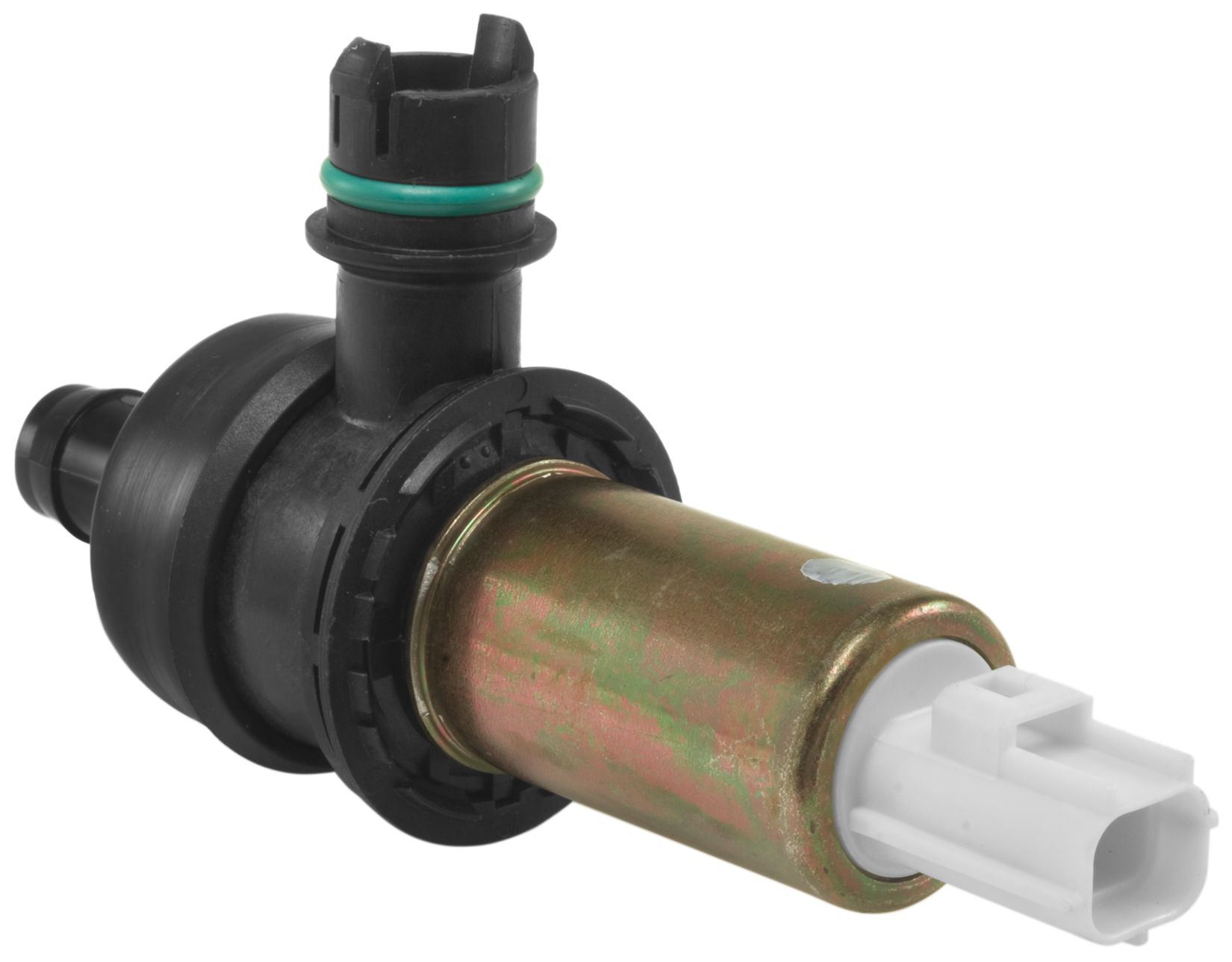 Representative Photo, actual item may vary


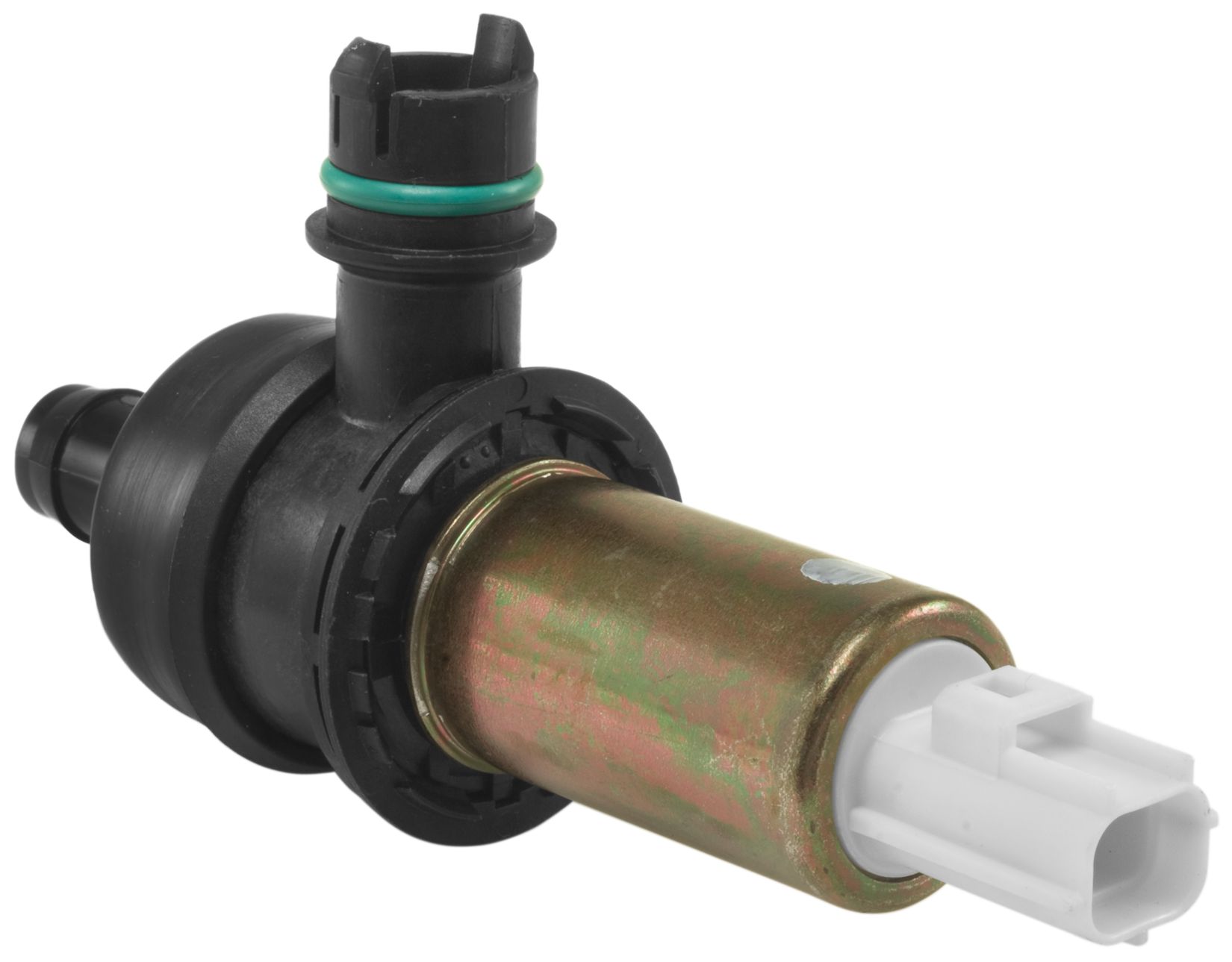 Representative Photo, actual item may vary
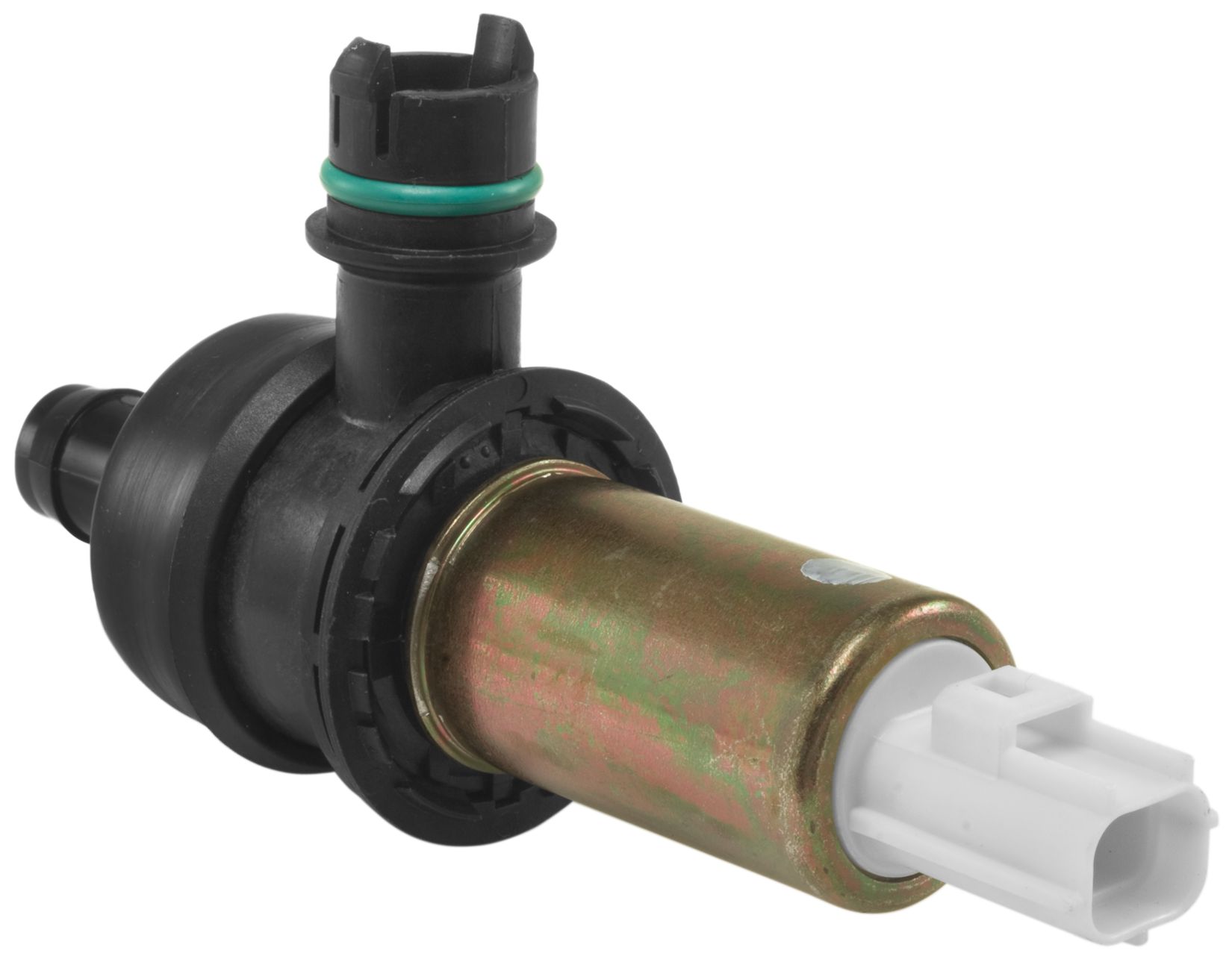 Representative Photo, actual item may vary

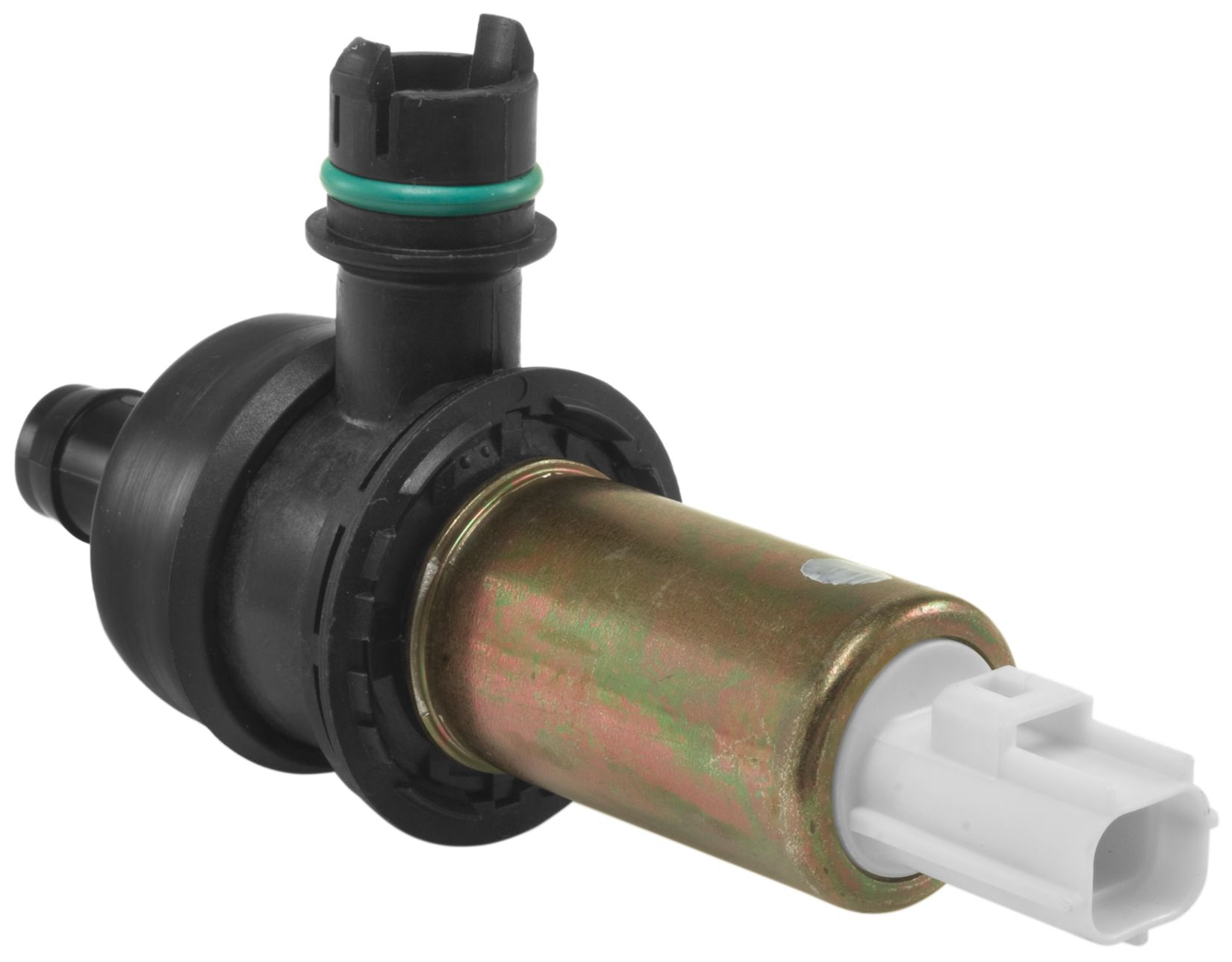 Representative Photo, actual item may vary
 Representative Photo, actual item may vary
 Representative Photo, actual item may vary
 Representative Photo, actual item may vary


 Representative Photo, actual item may vary
 Representative Photo, actual item may vary
 Representative Photo, actual item may vary
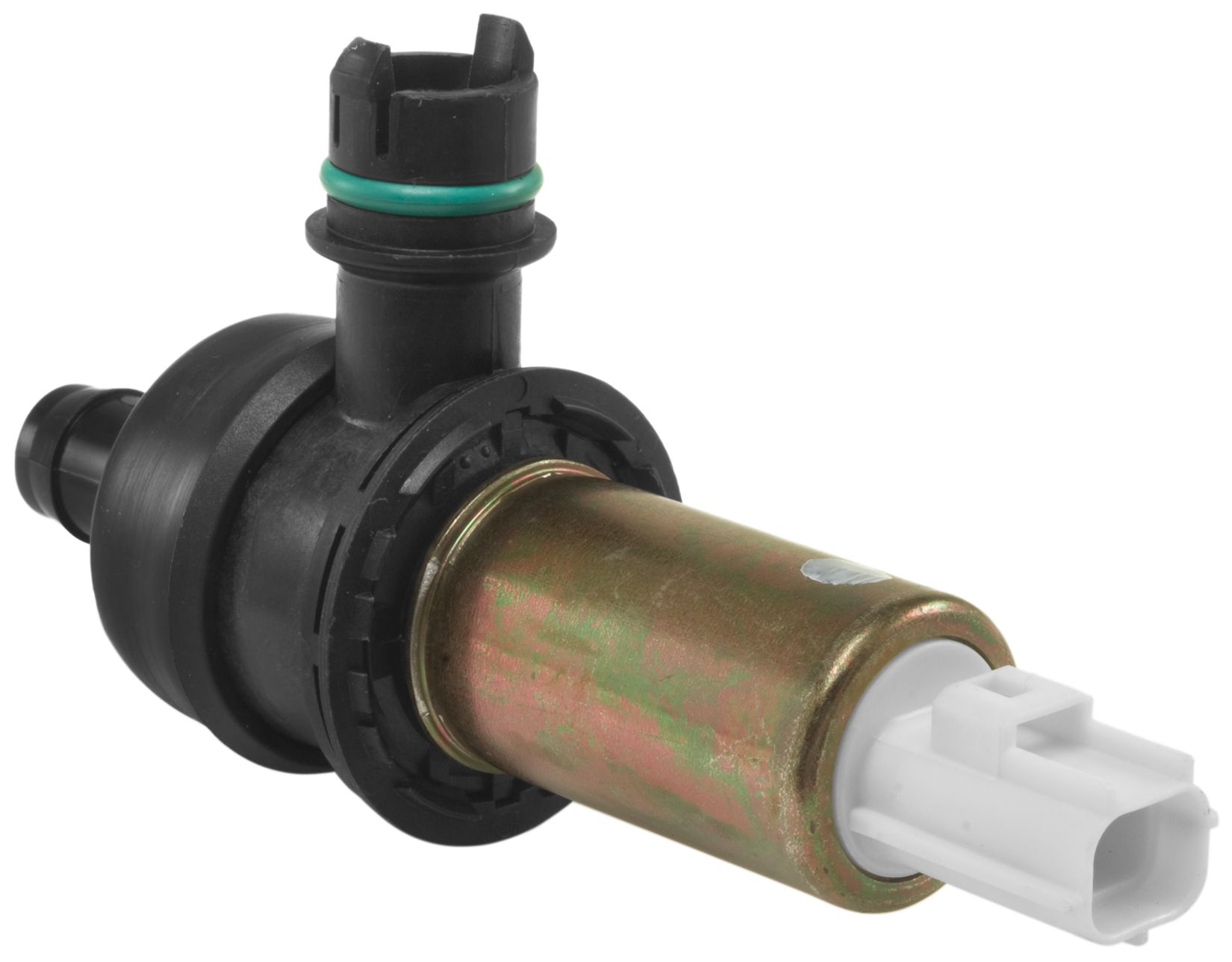 Representative Photo, actual item may vary

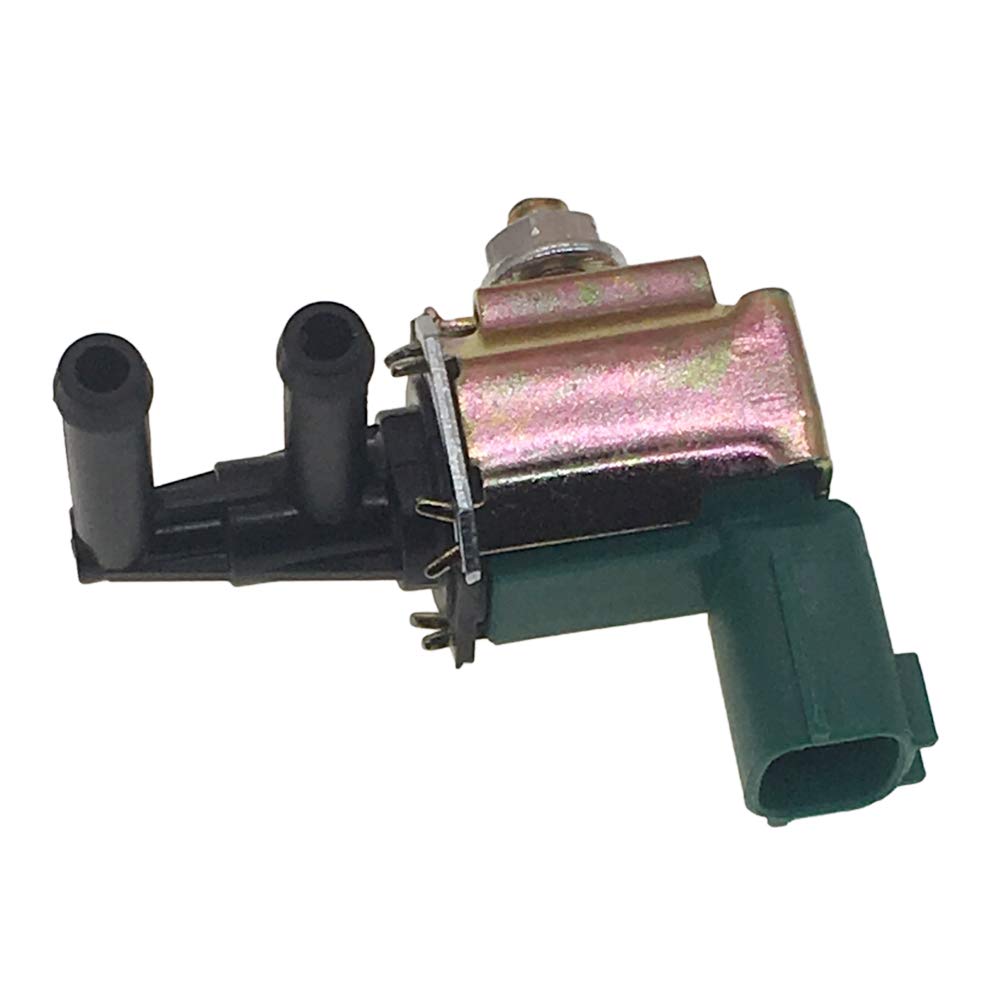 Representative Photo, actual item may vary
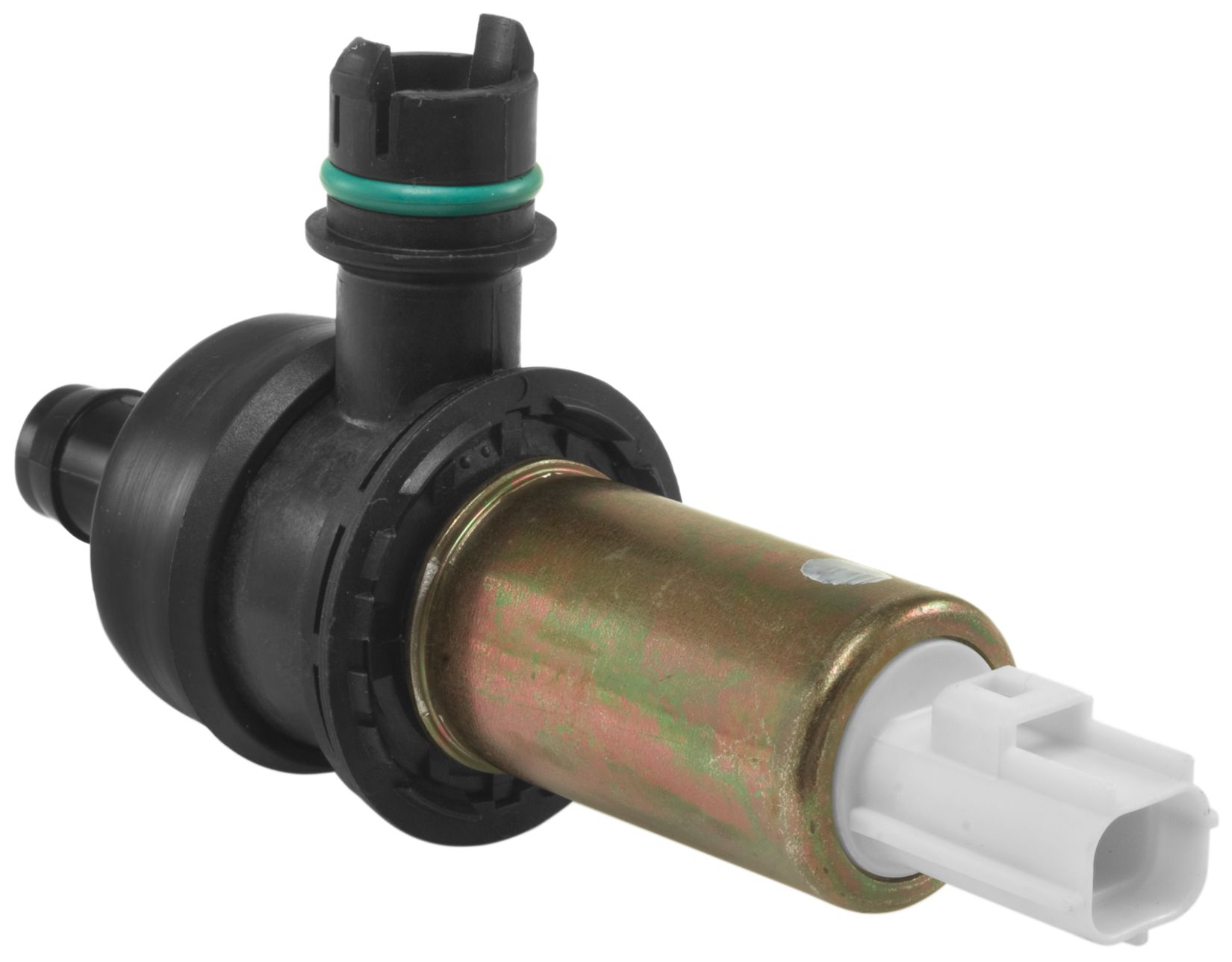 Representative Photo, actual item may vary
Skyward Automotive Products SK911239 Vapor Canister Vent Solenoid with Filter Assembly and Relocation Kit
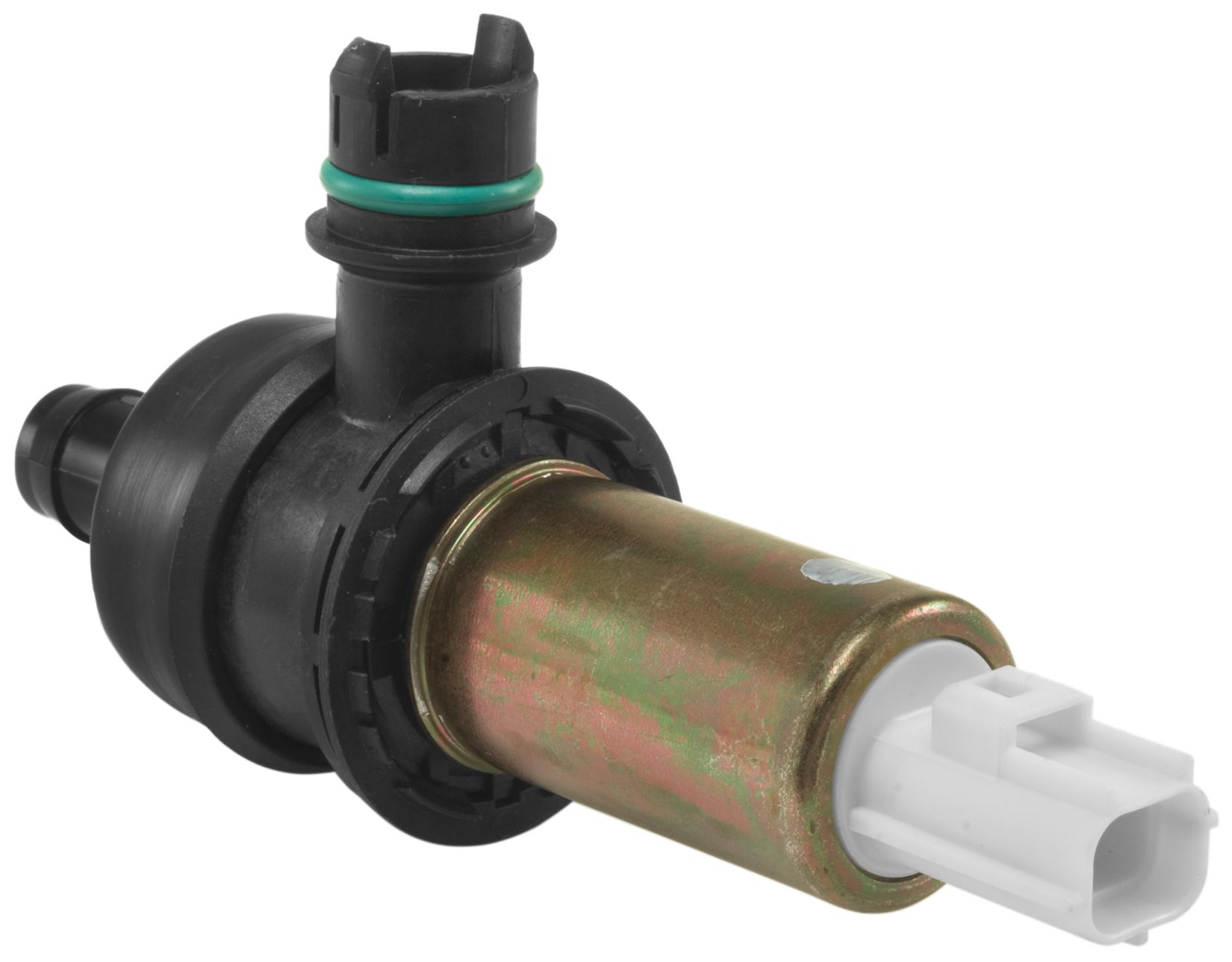 Representative Photo, actual item may vary
 Representative Photo, actual item may vary

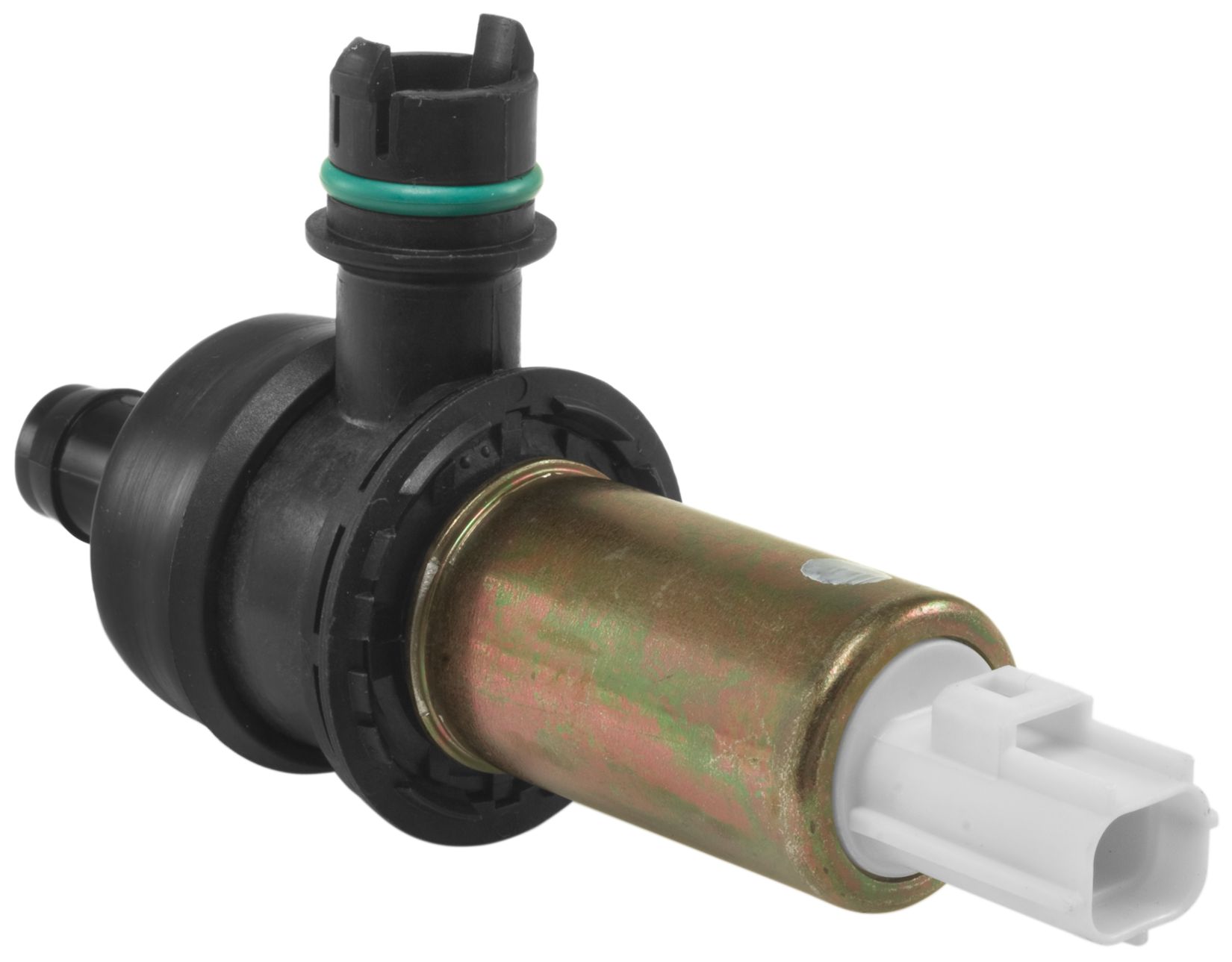 Representative Photo, actual item may vary

Skyward Automotive Products SK911216 Vapor Canister Vent Solenoid EVAP Canister Vent Valve
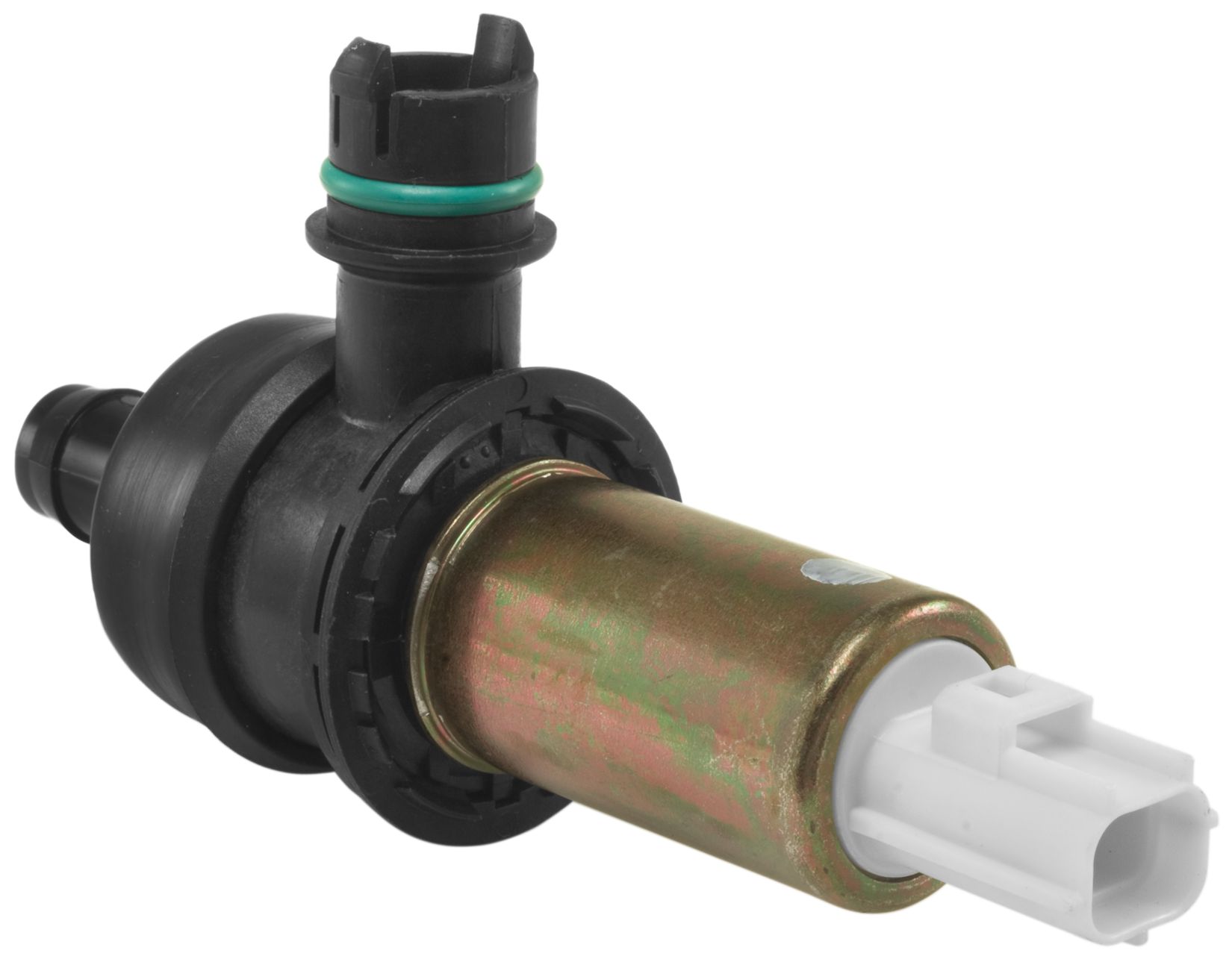 Representative Photo, actual item may vary
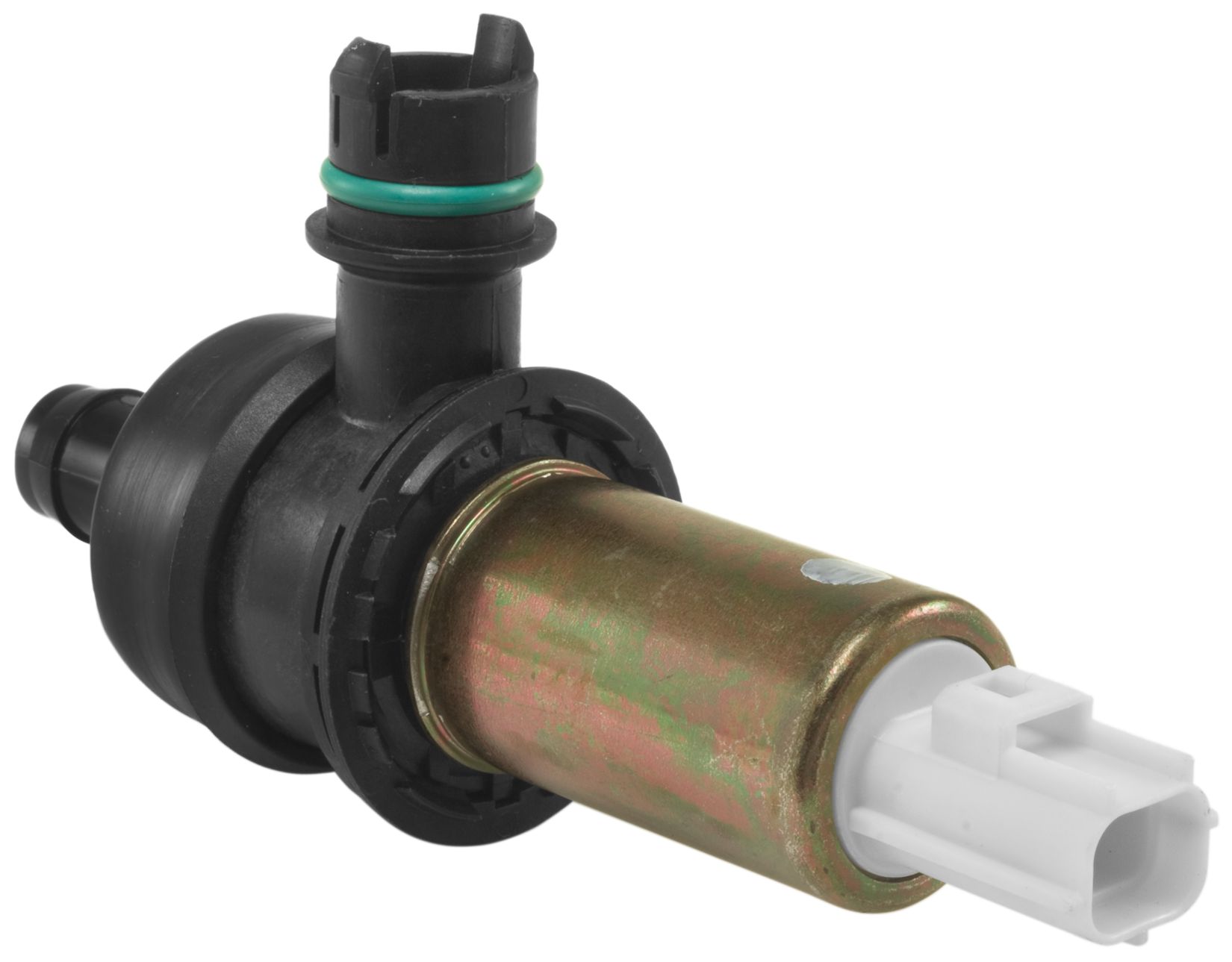 Representative Photo, actual item may vary
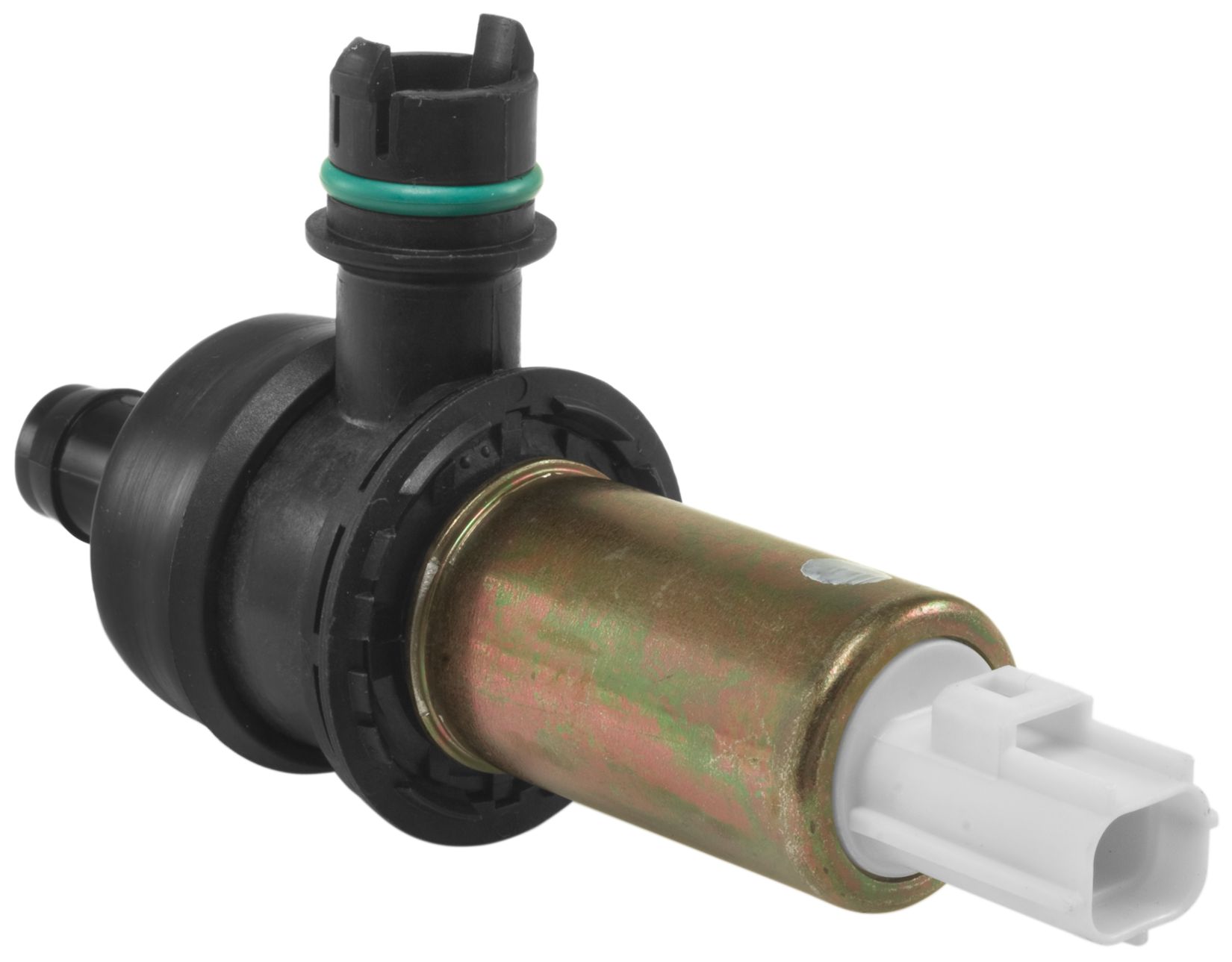 Representative Photo, actual item may vary
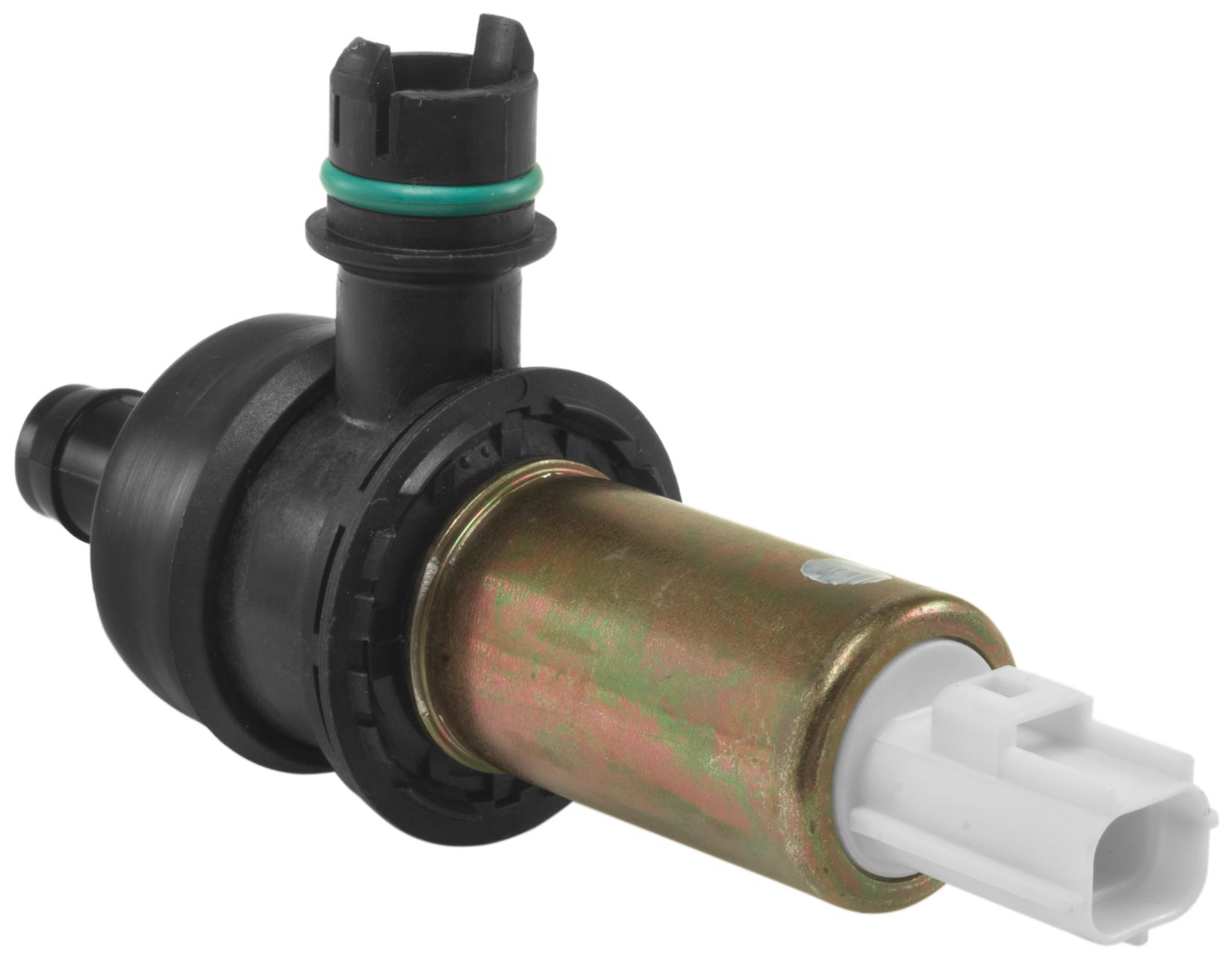 Representative Photo, actual item may vary
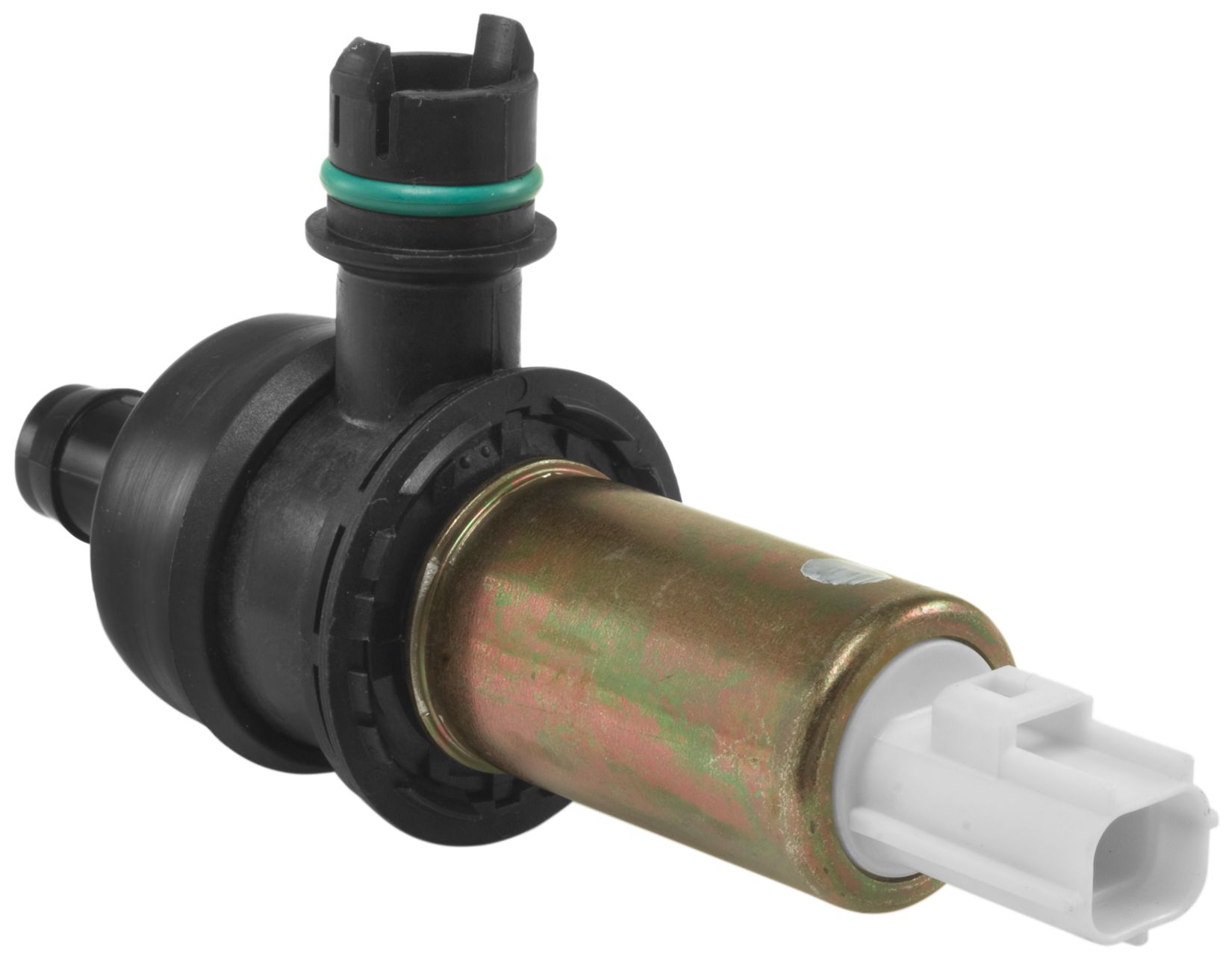 Representative Photo, actual item may vary
Skyward Automotive Products SK911019 Vapor Canister Vent Solenoid EVAP Vent Valve

Skyward Automotive Products SK911111 Vapor Canister Vent Solenoid EVAP Vent Valve
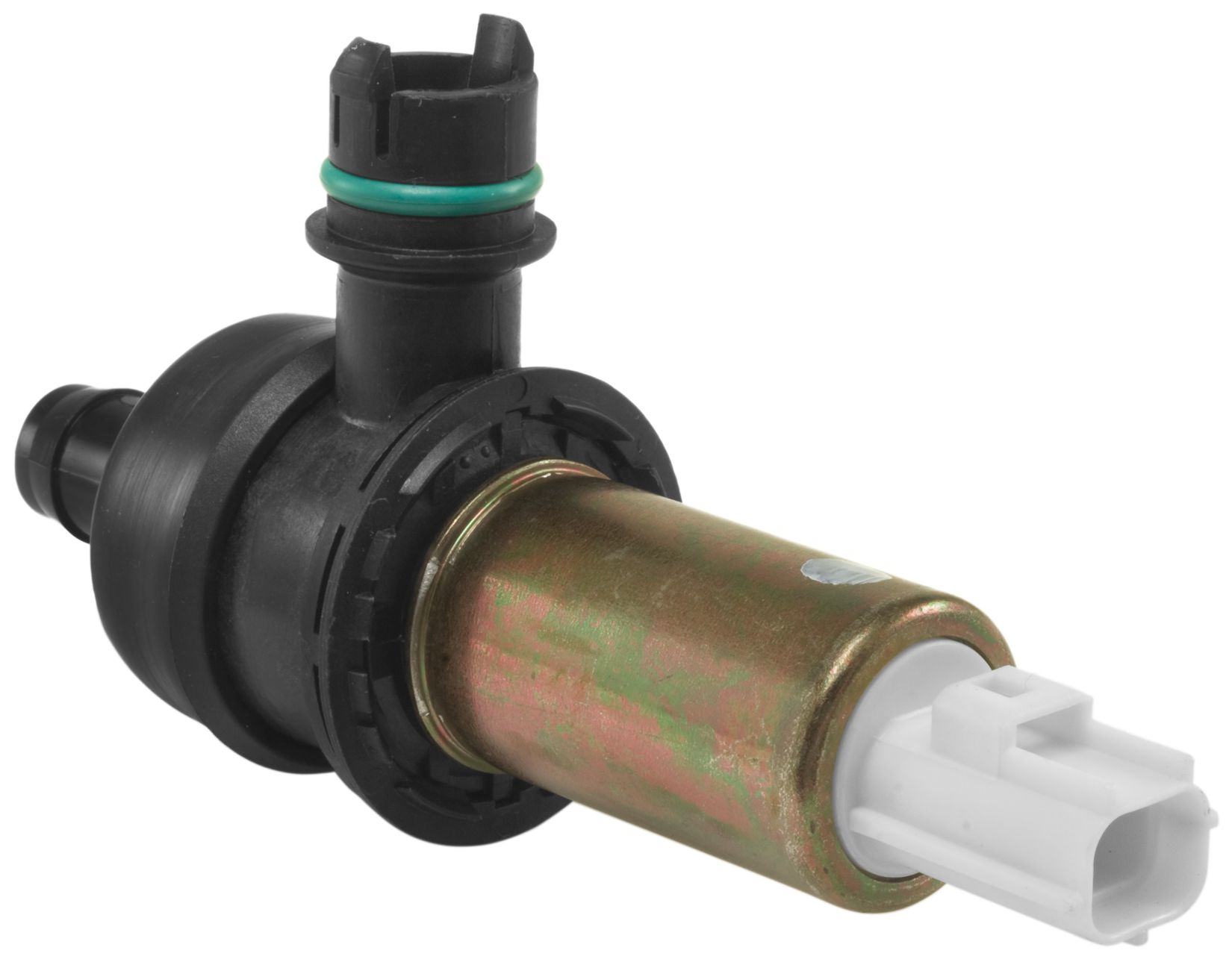 Representative Photo, actual item may vary
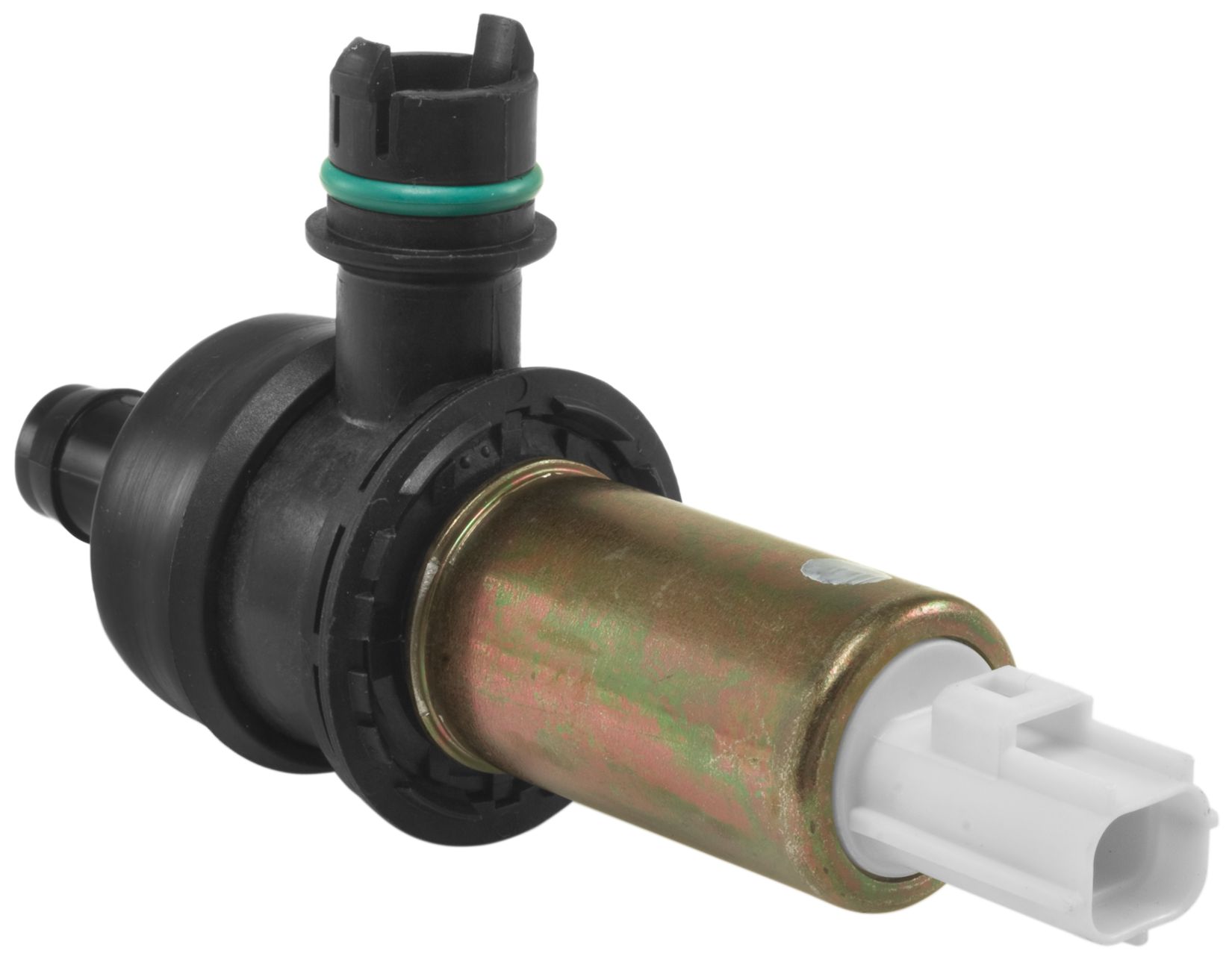 Representative Photo, actual item may vary
Autopart International 2204-511088 Vapor Canister Vent Solenoid EVAP Vent Valve

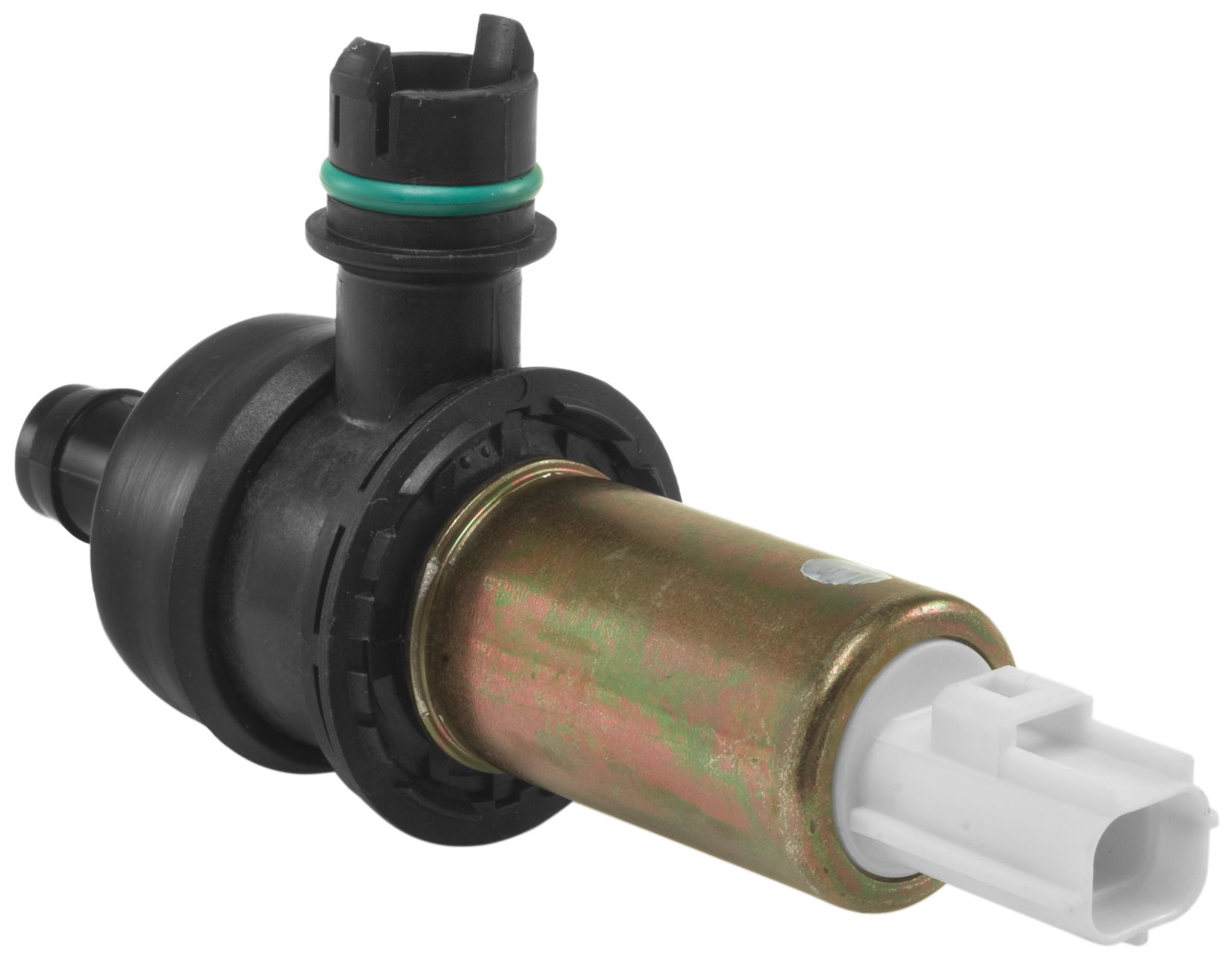 Representative Photo, actual item may vary
Skyward Automotive Products SK911755 Vapor Canister Vent Solenoid EVAP Canister Vent Valve

Dorman 911731 Vapor Canister Vent Solenoid for Evaporative Emission System





Dorman 911-717 Evaporative Emissions Canister Vent Shut-Off Valve
Airtex 2M1435 Vapor Canister Vent Solenoid Emissions EVAP Control


VEMO V30-77-1018 Activated Carbon Filter Valve for Mercedes-Benz SMART MAYBACH


 Representative Photo, actual item may vary
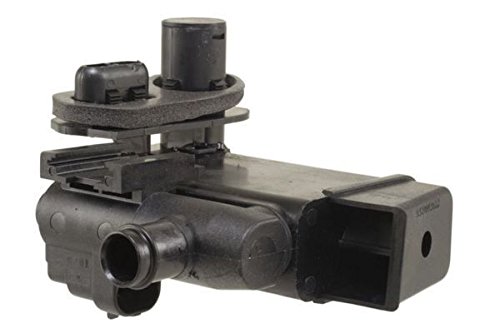 Representative Photo, actual item may vary


 Representative Photo, actual item may vary



 Representative Photo, actual item may vary

Dorman 911-839 Evaporative Emissions Canister Vent Valve Four Way
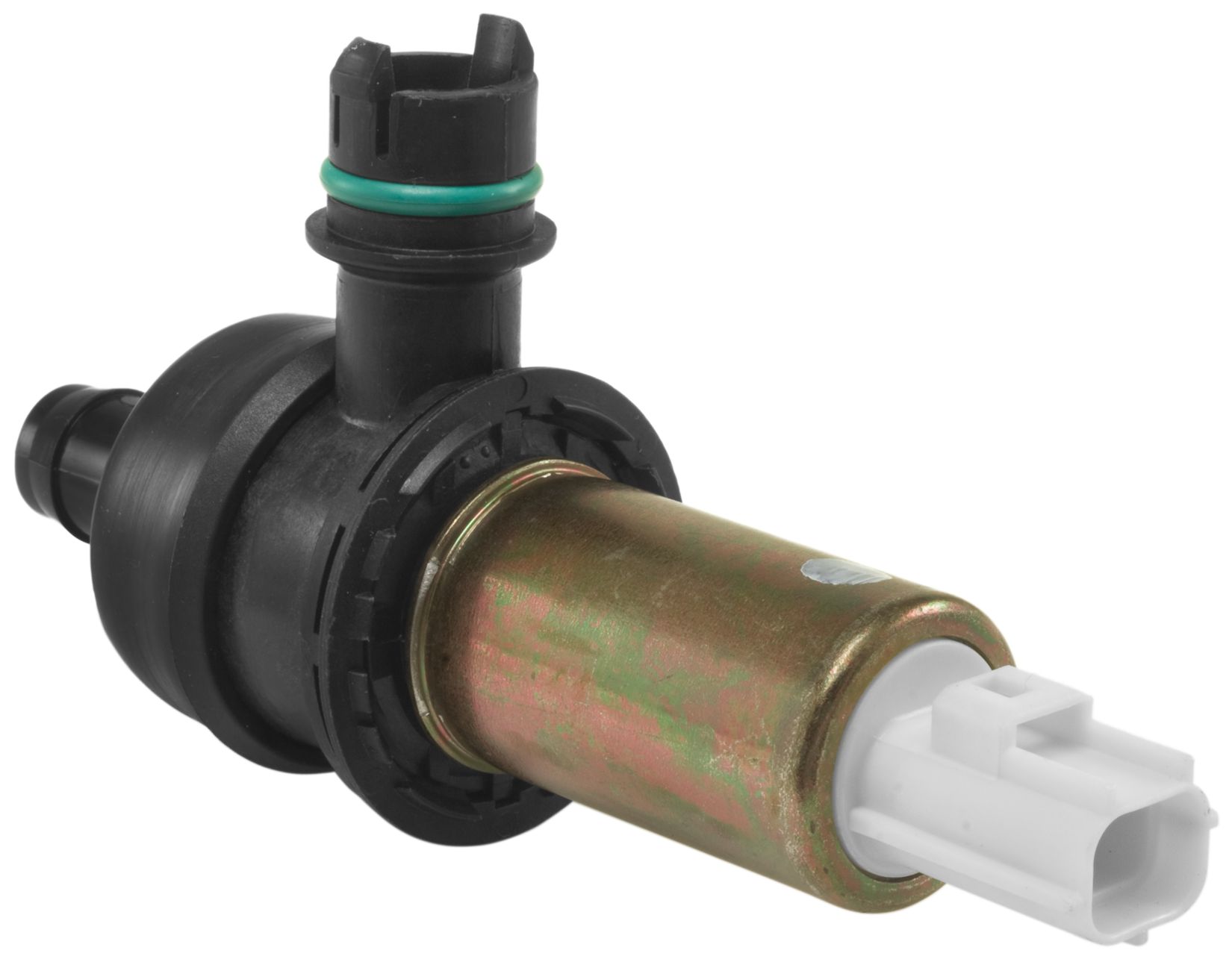 Representative Photo, actual item may vary
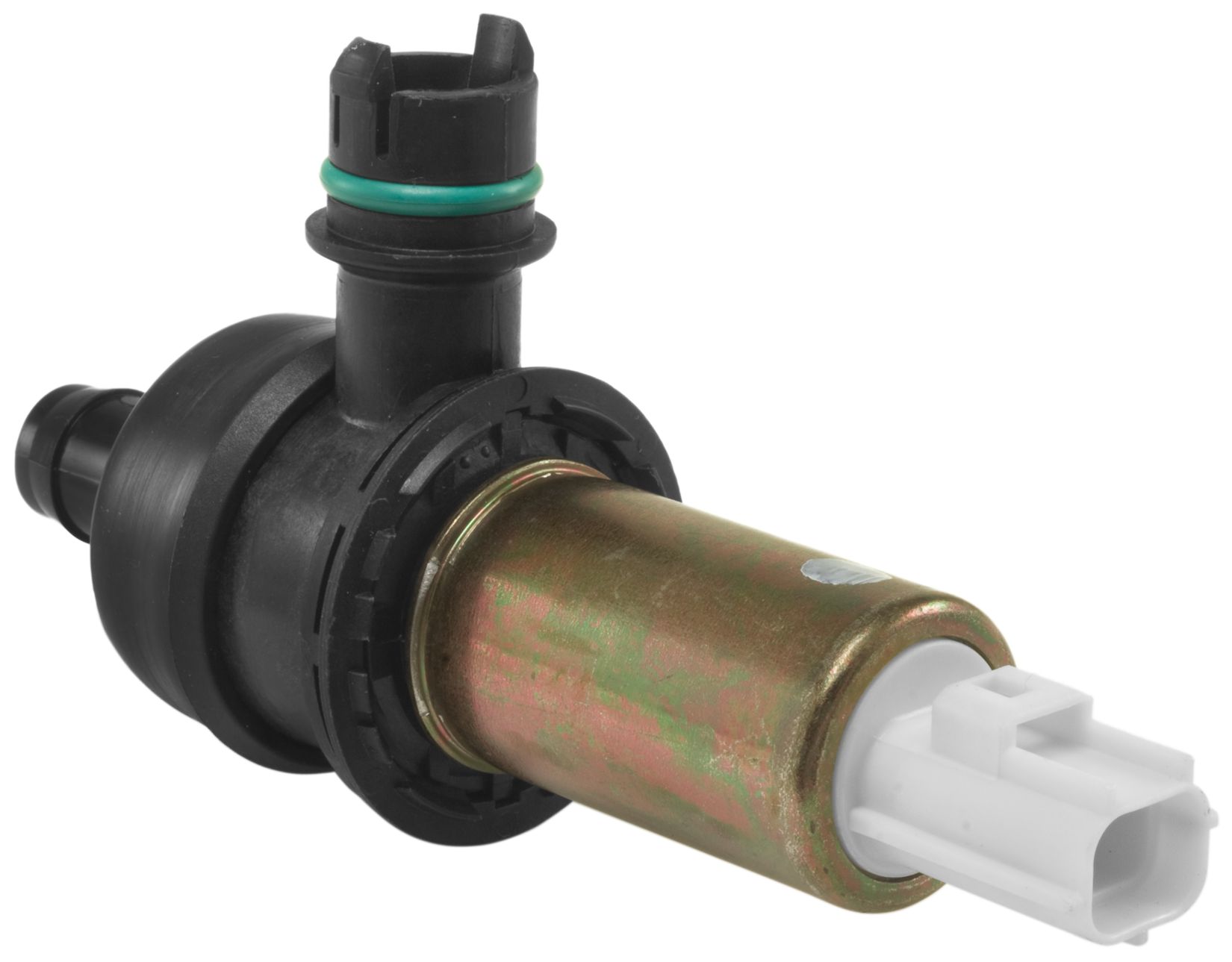 Representative Photo, actual item may vary
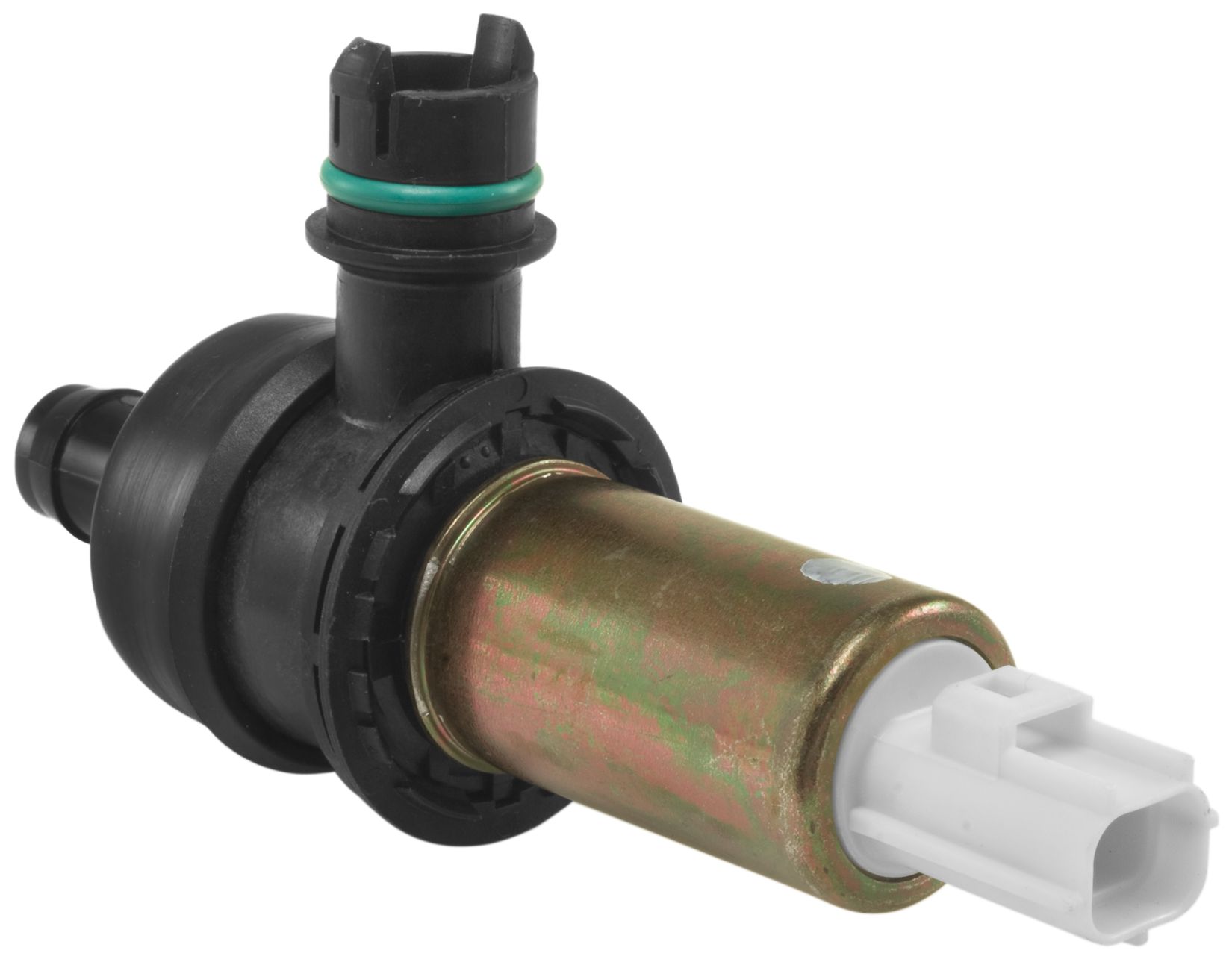 Representative Photo, actual item may vary
What Is a Vapor Canister Vent Solenoid?
The vapor canister vent solenoid is a small but critically important valve that sits at the heart of your vehicle's Evaporative Emission Control (EVAP) system. Vapor canister vent solenoids are electrically operated valves that govern how outside air enters and exits the charcoal-filled vapor canister — the component responsible for capturing fuel vapors before they can escape into the atmosphere.
Here's how it works: when fuel evaporates inside a sealed tank, those hydrocarbon vapors are routed into a charcoal canister for temporary storage. When the engine is running and conditions are right, the powertrain control module (PCM) commands the EVAP purge system to draw those stored vapors back into the intake manifold to be burned during normal combustion. For that purge cycle to work correctly, the vent solenoid must open and allow fresh air to flow through the canister, pushing vapors out toward the engine. The vent solenoid is also energized by the PCM — even when the vehicle is off — to seal the EVAP system and run an automated leak integrity test.
Why It Matters for Your Vehicle
A failing vapor canister vent solenoid can create a cascade of problems. Because it lives beneath the vehicle near the fuel tank, it's especially vulnerable to corrosion and debris ingestion from the vent hose. When the solenoid sticks open or fails entirely, the EVAP system cannot maintain the seal required for leak testing, triggering the Check Engine light and setting diagnostic trouble codes such as P0440, P0442, P0446, or P0455. Beyond the warning light, a malfunctioning solenoid can also cause difficulty filling the gas tank due to excess fuel-tank vapor pressure, and may result in a failed state emissions inspection.
Choosing a quality replacement solenoid matters. Because the PCM relies on precise solenoid response times to run accurate EVAP diagnostics, a part that doesn't match OE electrical and mechanical specifications can lead to recurring fault codes even after installation.
What to Look for When Shopping
- OE fitment: Confirm the solenoid matches your vehicle's connector shape, hose port sizing, and mounting bracket configuration.
- Material quality: Look for high-grade materials capable of withstanding underbody heat cycles, moisture, and road debris.
- Electrical compatibility: Verify coil resistance and connector gender match OE specs to ensure seamless PCM integration.
- Included hardware: Some applications require OE-style brackets or specific wiring connectors — check that these are included.
Top Brands for Vapor Canister Vent Solenoids
Standard Motor Products is the dominant name in this category, and for good reason. With a dedicated line of canister vent solenoids covering an enormous range of domestic and import vehicles — from Ford F-150s and GM trucks to Honda Accords and Mazda pickups — Standard's parts are engineered to meet or exceed OE specifications. Their solenoids undergo rigorous end-of-line testing for durability and are known for precise OE-matched connectors and terminals for a seamless fit.
Autopart International rounds out the selection with a broad catalog of replacement solenoids, offering a value-conscious option for technicians and DIYers who need reliable coverage across a wide range of vehicle applications.
OE Aftermarket provides direct-fit replacements designed to match original equipment standards, making them a straightforward choice for restoring factory EVAP system function without modification.