


Paint Sprayer


 Representative Photo, actual item may vary

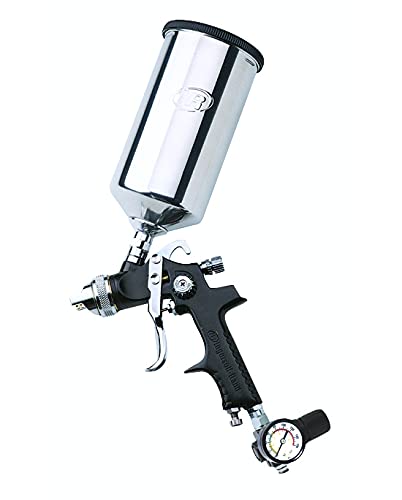 Representative Photo, actual item may vary

What Is an Automotive Paint Sprayer?
An automotive paint sprayer is one of the most essential tools in any body shop or serious DIY garage. Whether you're laying down a full respray, applying primer, or touching up collision damage, the right spray gun determines the quality of the final finish. Unlike a roller or brush, a paint sprayer atomizes coating material into a fine, even mist — delivering smooth, consistent coverage across body panels that would be impossible to achieve by hand.
HVLP vs. LVLP: Understanding the Technology
The two dominant technologies in automotive paint spraying are HVLP (High Volume, Low Pressure) and LVLP (Low Volume, Low Pressure). Paint sprayers built on HVLP technology use a high volume of air at low pressure to atomize paint, which results in less overspray and a smoother, more controlled finish. HVLP guns are well-suited to a wide range of automotive coatings — from primers and basecoats to clearcoats, metallics, and matte finishes.
LVLP guns, on the other hand, operate with a fine-atomized spray that excels at detail work like clear coat application and single-stage enamel painting. They require less air volume, making them compatible with smaller compressors — a practical choice for hobbyists or smaller shop setups. When deciding between the two, consider the type of coatings you'll use, the scale of your projects, and what air supply equipment you already own.
Gravity Feed, Siphon Feed, and Turbine Systems
Beyond pressure technology, the feed system matters too. Gravity-feed guns place the paint cup on top of the gun and are highly maneuverable — a favorite among professional painters for their responsiveness and reduced waste. Siphon-feed guns use a bottom-mounted cup and are continuously pressurized, making them practical for higher-volume work. Turbine-based HVLP systems power the gun with an electric turbine rather than a compressor, offering portability and ease of use — particularly appealing for beginners and DIY enthusiasts who don't want to invest in a full compressor setup.
Key Considerations When Buying a Paint Sprayer
- Coating viscosity: Thicker materials like epoxy primers or urethane basecoats require more powerful setups with higher CFM output.
- Transfer efficiency: HVLP sprayers can achieve transfer rates between 70 and 90 percent, meaning less material wasted to overspray.
- Air supply compatibility: Check whether the gun requires a dedicated compressor and what CFM rating is needed before purchasing.
- Cup size: Gravity-feed cups typically range from 3 oz to 1,000cc — choose based on the size of the job and how frequently you want to refill.
- Ease of cleaning: Most HVLP guns are designed for quick disassembly and cleaning, which is critical when working with fast-cure automotive coatings.
Featured Brand: Duramix
Duramix is a trusted name in the automotive body repair and paint supply world, offering a range of products purpose-built for the collision repair process. Known for an extensive cartridge-based product line that covers adhesives, seam sealers, plastic repair compounds, and related accessories, Duramix products are engineered to support every stage of a professional vehicle repair — from structural bonding through surface preparation and finishing. For shops looking to pair quality spray equipment with reliable body repair materials, Duramix belongs in the conversation.