


1995 Eagle Vision Sensors





Why Automotive Sensors Matter
Modern vehicles rely on a complex network of sensors to keep drivers safe and systems running precisely. Automotive sensors are the eyes and ears of your vehicle's electronic control systems — constantly monitoring wheel speed, brake pressure, pad wear, and hydraulic fluid conditions, then feeding that data to the computers that govern your braking performance and stability control. When a sensor fails or drifts out of specification, the consequences range from a lit dashboard warning light to compromised anti-lock braking response. Understanding the sensor landscape helps you make the right replacement choice the first time.
The Brake Sensor Family
The sensors in this category are primarily focused on braking system health and safety. Each type plays a distinct role:
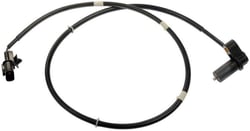
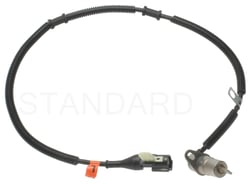
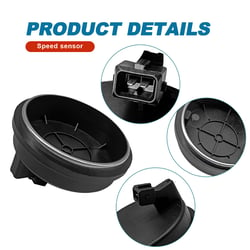
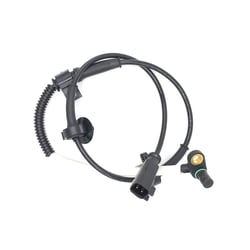
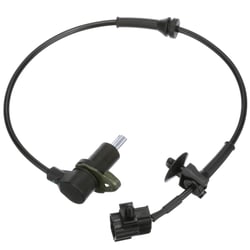
- ABS Wheel Speed Sensors — The most critical sensor in modern braking systems, these monitor the rotational speed of each individual wheel and relay that data to the ABS control module. A failed wheel speed sensor can disable anti-lock braking, traction control, and electronic stability programs entirely.
- Other Brake Sensors & Switches — A broad group that includes brake light switches, stop-lamp switches, and supplemental safety sensors that interface with the vehicle's body control and safety modules.
- Disc Brake Pad Wear Sensors — These embedded sensors alert the driver when brake pad material reaches a minimum safe thickness, preventing metal-on-metal rotor damage and loss of braking effectiveness.
- Brake Pressure Sensors — Mounted in the hydraulic circuit, these sensors measure the pressure generated when you apply the brakes, allowing the ABS and ESC modules to make real-time adjustments.
- Brake Fluid Pressure Sensors — A specialized subset that monitors brake fluid pressure at key points in the hydraulic system, often used in advanced stability control and brake assist applications.
What to Look for When Shopping Sensors
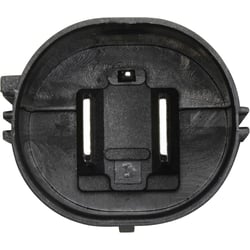
Because sensors communicate directly with your vehicle's safety systems, fit and signal accuracy are non-negotiable. Always verify fitment by year, make, model, and trim. Look for sensors that match OEM connector types and housing materials, since a loose or corroded connection can produce erratic readings just as readily as a faulty sensor itself. Premium units typically feature reinforced plastic housings, weather-sealed connectors, and pre-attached wire harnesses that simplify installation.
Top Brands in Automotive Sensors
Bosch is a global leader in automotive electronics and a major OEM supplier worldwide, bringing factory-level engineering precision to its aftermarket sensor lineup. ACDelco, GM's own parts brand, offers sensors engineered to factory specifications and is a go-to choice for domestic vehicle owners seeking OE-grade replacements. Standard Motor Products brings one of the broadest sensor catalogs in the aftermarket, covering a wide range of domestic, European, and Asian applications with a long track record of quality. Motorcraft, Ford's factory parts division, delivers sensors designed specifically for Ford and Lincoln vehicles, making it the benchmark choice for blue-oval owners who want true OE fit and performance. Holstein Parts has built a focused reputation as a specialist in brake and engine management sensors, blending advanced technological innovation with exacting European craftsmanship built over more than half a century of precision engineering. Holstein backs its sensors with an industry-noted 3-year/36,000-mile warranty , and their ABS speed sensors are direct OE replacements designed to offer perfect fit, form, and function.