


Other Brake Sensors and Switches

















 Representative Photo, actual item may vary

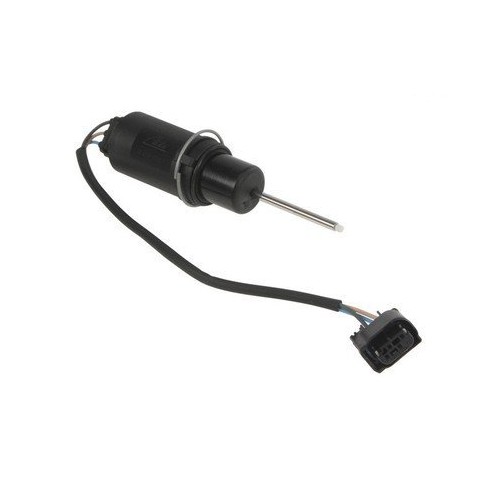 Representative Photo, actual item may vary


Autopart International 1802-304316 Stop Light Switch Other Brake Sensors and Switches
 Representative Photo, actual item may vary
Autopart International 1802-309482 Stop Light Switch Other Brake Sensors and Switches


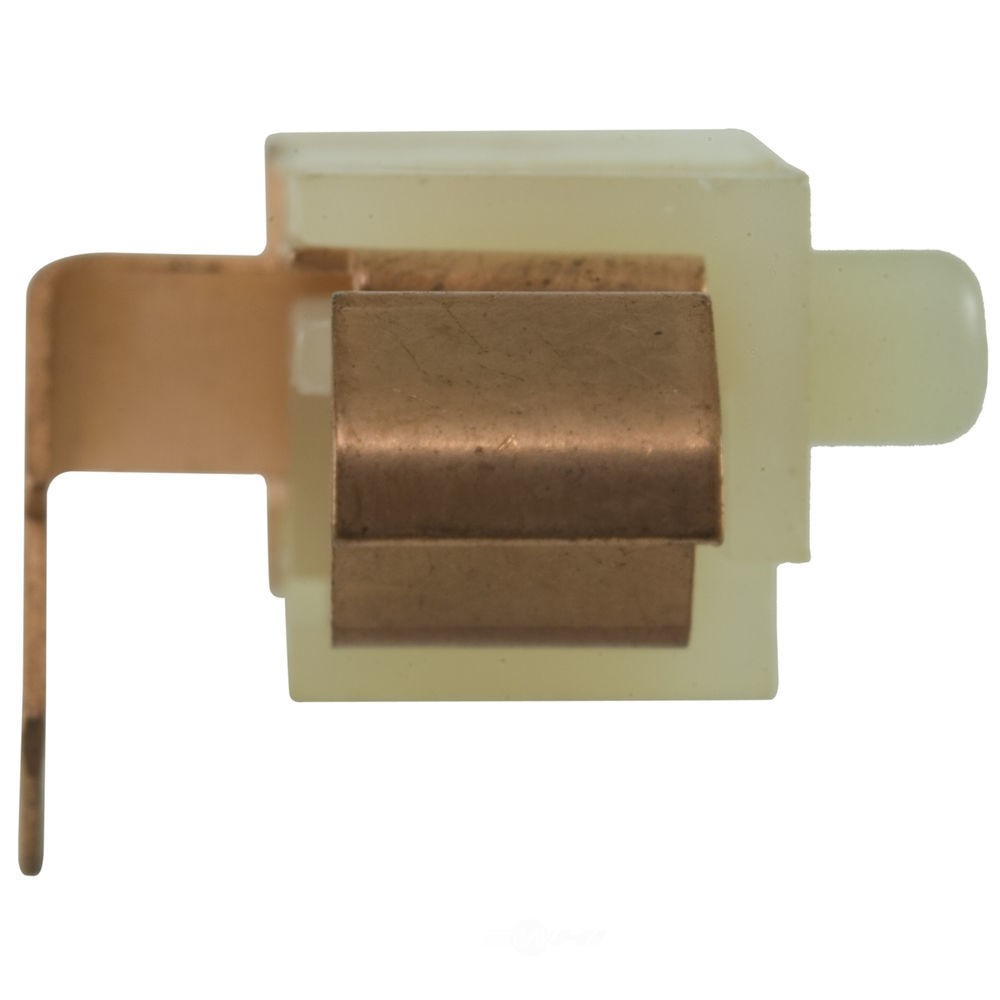 Representative Photo, actual item may vary

 Representative Photo, actual item may vary

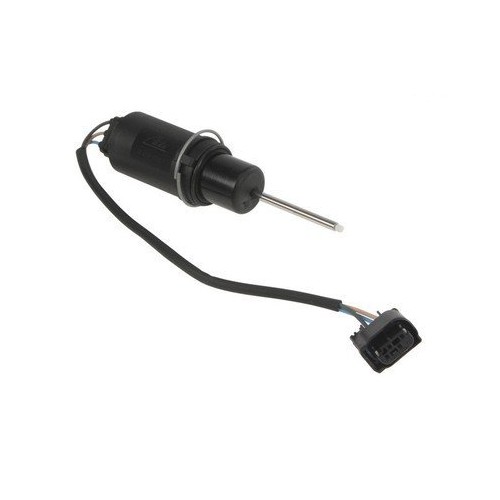 Representative Photo, actual item may vary
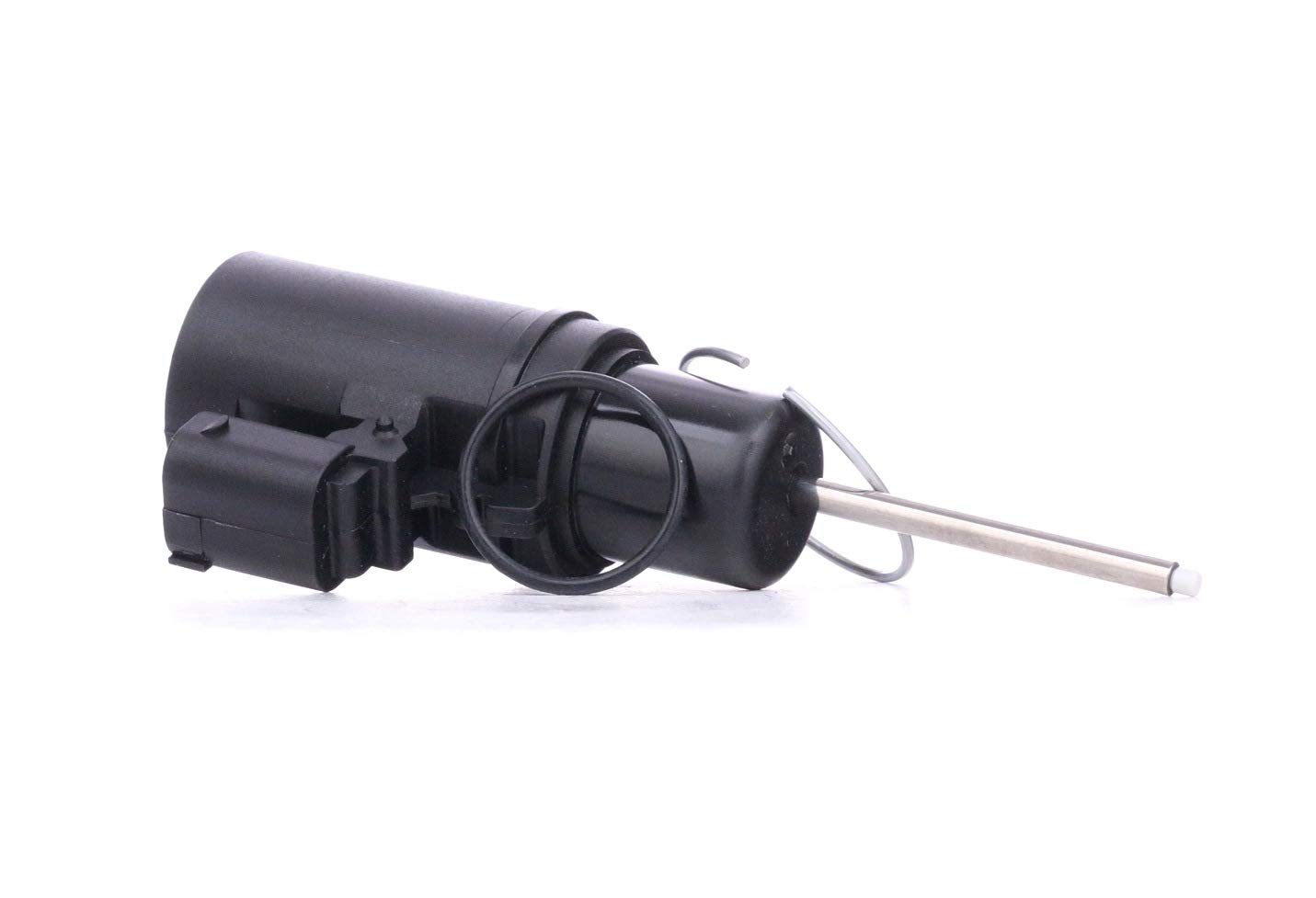 Representative Photo, actual item may vary


 Representative Photo, actual item may vary
 Representative Photo, actual item may vary
 Representative Photo, actual item may vary
 Representative Photo, actual item may vary


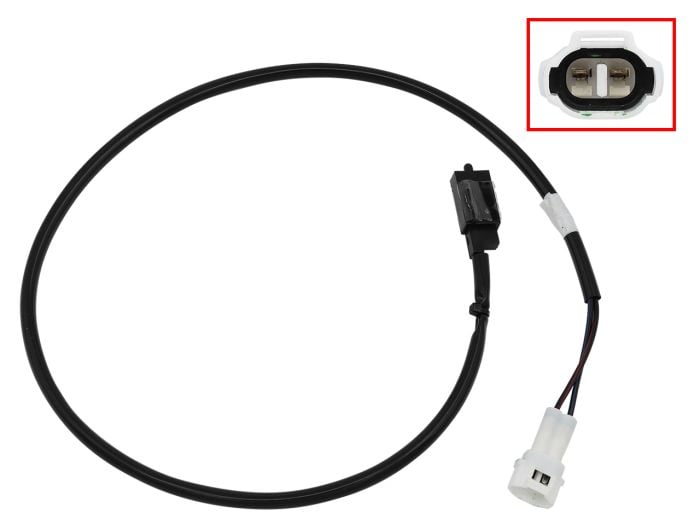
Drag Specialties 2106-0546 Transmission Neutral Switch Harley Sportster Buell

 Representative Photo, actual item may vary


 Representative Photo, actual item may vary

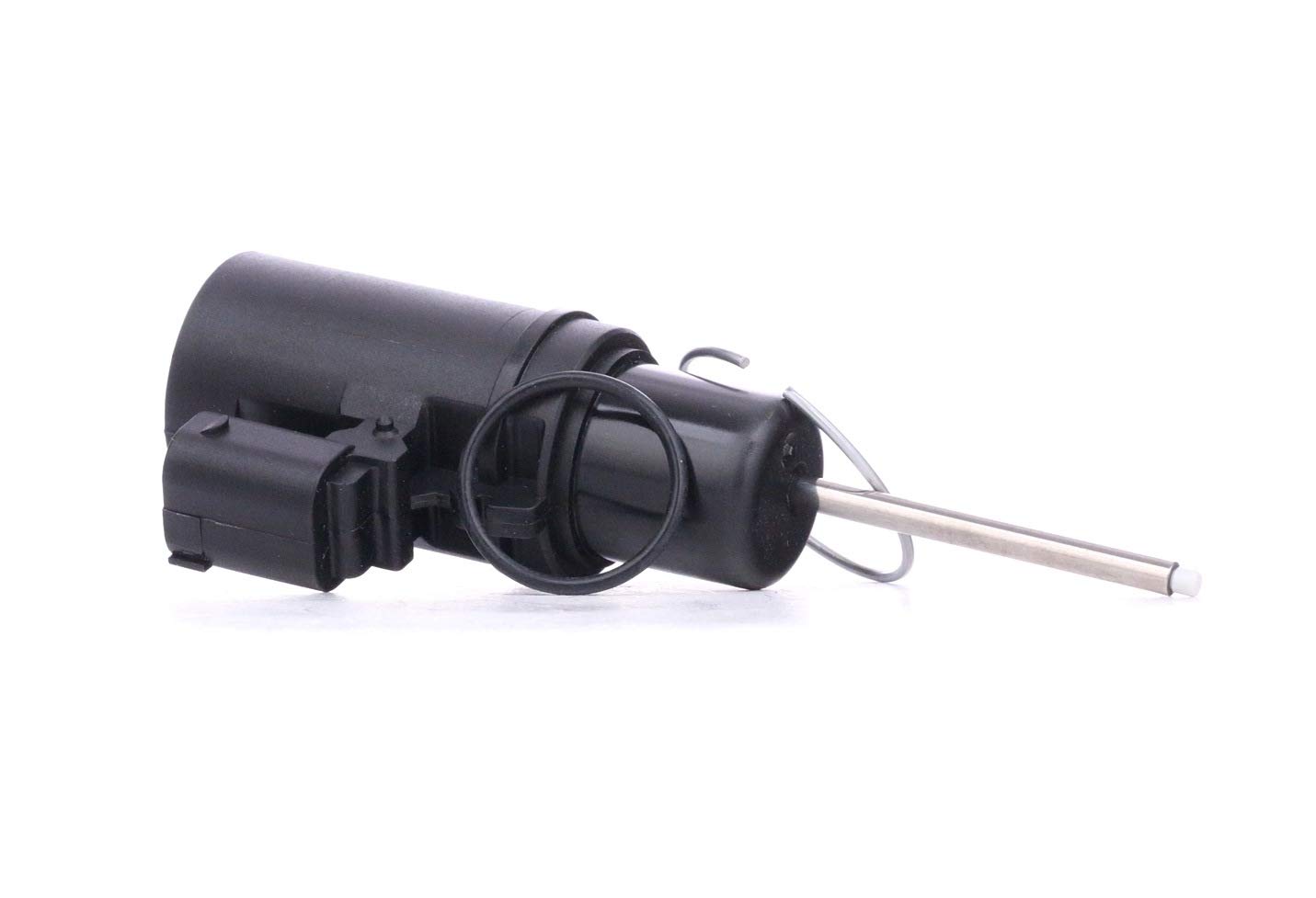
SPI SM-01569 Replacement Brake Light Switch for Arctic Cat & Polaris Snowmobiles

Genuine F3TZ-2C341-A ABS Deceleration Sensor Brake Pressure Differential Warning Switch

Professional Parts SWEDEN 28433669 Brake Pressure Sensor for Volvo Master Cylinder

 Representative Photo, actual item may vary


 Representative Photo, actual item may vary


Mopar Performance 56038969AC Brake Pedal Position Sensor with Stop Lamp Switch
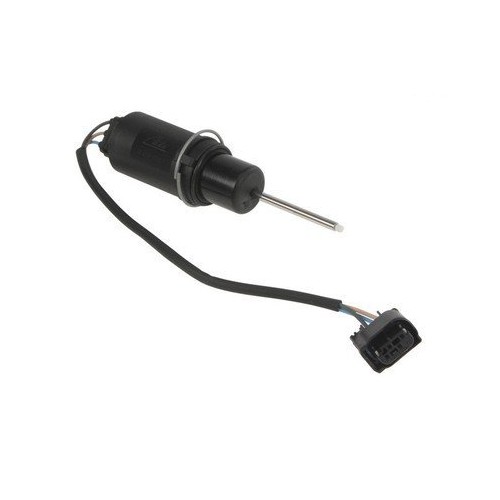 Representative Photo, actual item may vary
 Representative Photo, actual item may vary


 Representative Photo, actual item may vary

- 1
- 2
What Are Brake Sensors and Switches?
Brake sensors and switches are small but mission-critical components that serve as the nervous system of your vehicle's braking setup. Brake switches detect when the brake pedal is depressed and instantly signal downstream systems — activating brake lights, disengaging cruise control, and communicating driver intent to electronic stability and anti-lock braking systems. Meanwhile, brake sensors monitor variables like pedal position, applied force, and hydraulic pressure, giving the vehicle's control modules the real-time data they need to modulate braking force accurately and safely.
Modern vehicles rely on a network of these sensors and switches working in concert. A faulty brake light switch, for example, doesn't just darken your taillights — it can prevent an automatic transmission from shifting out of park, confuse cruise control logic, or trigger warning lights on the dashboard. Pressure sensors in the brake booster circuit help ensure power-assisted braking responds correctly, especially in vehicles equipped with electric vacuum pumps or hybrid drivetrains. Keeping these components in good working order is fundamental to both everyday safety and regulatory compliance.
Types of Brake Sensors and Switches
The "Other Brake Sensors and Switches" category encompasses a range of components that fall outside the more narrowly defined ABS sensor and brake pad wear sensor segments. Common examples include:
- Brake light switches — mounted at the pedal assembly, these toggle brake lamp circuits on and off with each pedal application.
- Brake booster pressure sensors — monitor vacuum or hydraulic pressure in the booster to ensure adequate assist is available.
- Stoplight switch connectors and brackets — ancillary hardware that ensures proper fitment and electrical contact.
- Brake fluid level switches — alert the driver when reservoir fluid drops below a safe threshold.
Because these components span so many vehicle makes and model years, selecting an OE-quality or OE-equivalent replacement is essential for proper system integration and long service life.
Top Brands in Brake Sensors and Switches
Bosch is one of the most recognized names in automotive braking technology worldwide. As a longtime OEM supplier to major vehicle manufacturers, Bosch engineers its brake sensors and switches to meet or exceed original equipment specifications — making their parts a go-to choice for technicians and enthusiasts who demand precise, reliable performance.
VEMO has built a strong reputation as a specialist in automotive sensors, switches, and relays. VEMO is a leading manufacturer of sensors, switches, relays, and air suspension on the aftermarket , making them a natural fit for drivers seeking quality European-market brake components.
Crown Automotive is a trusted name for Jeep and Chrysler platform vehicles, offering factory-correct replacement parts that align closely with OEM specifications — particularly valuable when restoring or maintaining older domestic trucks and SUVs.
Bowa rounds out the category with targeted offerings for specific vehicle applications, providing a cost-effective option for drivers looking to restore proper brake switch function without sacrificing reliability.
Shopping Tips
When replacing a brake sensor or switch, always verify compatibility by vehicle year, make, model, and engine. Many switches look similar across platforms but differ in connector type, thread pitch, or actuation point. When in doubt, cross-reference the OEM part number to ensure a precise fit. Opting for a reputable brand reduces the risk of premature failure and ensures your braking system communicates correctly with the rest of your vehicle's electronics.