


Power Steering Control Valve


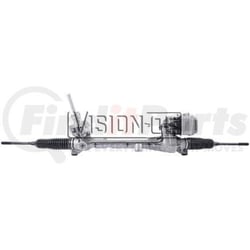


 Representative Photo, actual item may vary



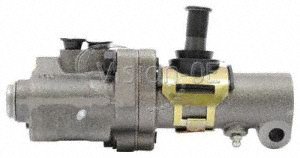 Representative Photo, actual item may vary


 Representative Photo, actual item may vary





 Representative Photo, actual item may vary


 Representative Photo, actual item may vary

 Representative Photo, actual item may vary


What Is a Power Steering Control Valve?
The power steering control valve is one of the most critical — yet often overlooked — components in a hydraulic power steering system. Its core job is to regulate the flow of hydraulic fluid to provide the right amount of steering assist at the right moment. Without a properly functioning control valve, the entire power steering system loses its ability to deliver smooth, predictable steering feel.
At its most fundamental level, the power steering control valve monitors how much force you apply to the steering wheel and responds by adjusting hydraulic pressure accordingly. When you turn the wheel to the left, the valve opens a fluid pathway in that direction; turn right, and it channels fluid the opposite way — all in milliseconds. The more torque applied to the steering wheel, the more fluid the valve allows through, and therefore the greater the assist delivered to the steering gear.
How the Control Valve Works
Most hydraulic power steering systems use a torsion bar at the lower end of the steering column to measure driver input. As the steering wheel rotates, the torsion bar twists in proportion to the applied torque, and that twist directly controls the position of the valve spool inside the housing. The spool slides within a series of internal passages, opening or closing ports to direct pressurized fluid to one side of the power steering cylinder or the other.
On more modern vehicles, electronic variable orifice (EVO) valves take this a step further — using a solenoid and an electronic controller to vary fluid flow based not just on steering input but also on vehicle speed. At low speeds, the valve allows maximum fluid flow for effortless parking maneuvers; at highway speeds, it reduces flow to increase steering effort and improve stability.
Signs of a Failing Power Steering Control Valve
- Heavy or stiff steering — especially at low speeds or when parking
- Wandering or loose steering feel — the vehicle does not track straight
- Uneven assist — the wheel feels harder to turn in one direction than the other
- Fluid leaks around the steering gear or rack, indicating a worn valve seal
- Whining or groaning noises when turning, caused by pressure irregularities
What to Consider When Shopping for a Power Steering Control Valve
When replacing a power steering control valve, fit and pressure rating are the two most important factors. The valve must be compatible with your specific steering gear — whether that is a recirculating-ball steering box or a rack-and-pinion system — and it must be rated for your vehicle's system pressure. For performance builds, hot rods, and custom vehicles, pressure rating and finish options become equally important, as these vehicles often use upgraded pumps that operate at higher PSI than stock.
For builders and enthusiasts working on custom or classic vehicles, Tuff Stuff Performance is a trusted name in the power steering space. Known for crafting high-quality Saginaw and Type II-style power steering components for hot rods, show cars, and race vehicles, Tuff Stuff brings performance-oriented engineering to their control valve and related pump components — available in a range of finishes to complement any engine bay build.
Related Power Steering Components
The control valve does not work in isolation. It is part of a larger hydraulic system that includes the power steering pump, hoses and lines, the steering gear or rack, and the fluid reservoir. When diagnosing steering issues, it is always worth inspecting the entire system, as a worn pump or a cracked hose can mimic the symptoms of a bad control valve. Keeping all related components in good condition ensures consistent, safe steering response for the life of your vehicle.