


A/C Refrigerant Temperature Sensor






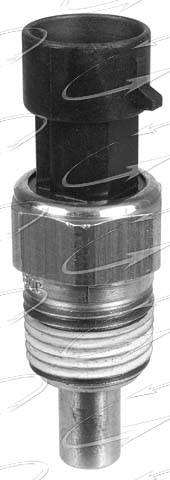 Representative Photo, actual item may vary

 Representative Photo, actual item may vary
 Representative Photo, actual item may vary
 Representative Photo, actual item may vary
 Representative Photo, actual item may vary
 Representative Photo, actual item may vary
 Representative Photo, actual item may vary
 Representative Photo, actual item may vary

Bosch 8733956910 Compressor Discharge Temperature Sensor OEM HVAC Replacement Part

 Representative Photo, actual item may vary


 Representative Photo, actual item may vary

 Representative Photo, actual item may vary
 Representative Photo, actual item may vary

What Is an A/C Refrigerant Temperature Sensor?
The A/C refrigerant temperature sensor is a small but mission-critical component in your vehicle's heating, ventilation, and air conditioning (HVAC) system. A/C refrigerant temperature sensors monitor the temperature of refrigerant flowing through both the high-pressure and low-pressure sides of the A/C circuit. That data is fed directly to the vehicle's climate control module, which uses it to regulate compressor cycling, prevent evaporator freeze-up, and optimize overall system efficiency.
Without an accurate refrigerant temperature signal, the control module loses its ability to fine-tune A/C performance. The result can range from reduced cooling capacity and inconsistent cabin temperatures to compressor damage caused by operating outside safe thermal limits. In modern vehicles with automatic climate control systems, a failing sensor can trigger fault codes, disable the A/C entirely, or cause erratic compressor behavior.
How Does It Work?
Most refrigerant temperature sensors use a thermistor — a resistor whose electrical resistance changes predictably with temperature — to generate a continuous signal. The sensor is typically positioned along the refrigerant line, often downstream of the expansion valve, where it can accurately read real-time refrigerant conditions. The vehicle's HVAC control module interprets this signal and adjusts outputs accordingly, such as engaging or disengaging the compressor clutch to maintain the target evaporator temperature.
In sealed A/C systems, refrigerant pressure and temperature are directly related, so these sensors can work in tandem with pressure sensors to give the control module a complete picture of system health. When one reading falls outside expected parameters, the module can compensate — or alert the driver to a problem before it escalates.
Signs of a Failing A/C Refrigerant Temperature Sensor
- A/C system blowing warm or inconsistent air
- Compressor cycling on and off rapidly or not engaging at all
- Evaporator icing over or frost forming on A/C lines
- Check engine or HVAC-related diagnostic trouble codes (DTCs)
- Automatic climate control unable to maintain set temperature
What to Look for When Shopping
When replacing an A/C refrigerant temperature sensor, precise vehicle fitment is the top priority. Connector type, thread pitch, and sensor body dimensions must match the original equipment specification to ensure a proper seal and accurate readings. Always verify compatibility with your specific year, make, and model before purchasing. OE-equivalent sensors will maintain the signal characteristics the control module expects, avoiding calibration issues that can arise with poorly matched aftermarket parts.
Top Brands for A/C Refrigerant Temperature Sensors
When it comes to HVAC sensors and climate control components, Four Seasons is one of the most recognized names in the aftermarket. A division of Standard Motor Products, Four Seasons is the largest aftermarket automotive climate control parts supplier in the industry and the largest compressor remanufacturer in the world. Their broad catalog spans the full spectrum of HVAC components — from compressors and condensers to electrical sensors — making them a reliable one-stop source for A/C refrigerant temperature sensors across a wide range of domestic and import applications.