


A/C Compressor Control Valve




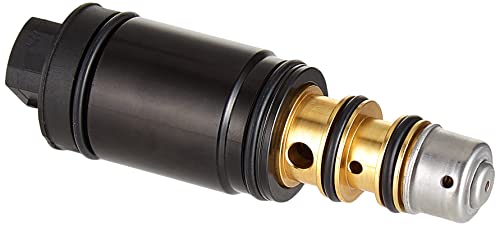 Representative Photo, actual item may vary


gpd 1711752 A/C Compressor Control Valve for 6SEU12, 6SEU16, 7SEU16C Compressors








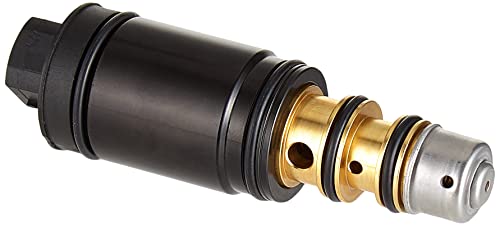 Representative Photo, actual item may vary


 Representative Photo, actual item may vary


GPD 1712329 A/C Compressor Control Valve for 2005-2011 Cadillac STS

 Representative Photo, actual item may vary



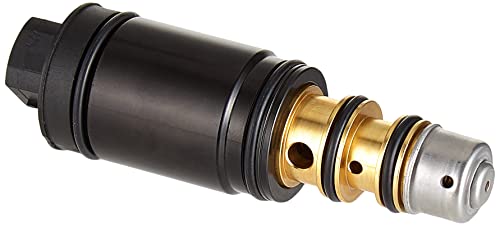 Representative Photo, actual item may vary


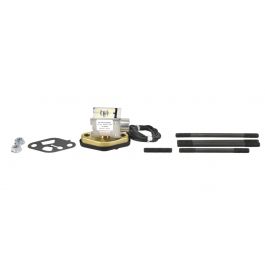 Representative Photo, actual item may vary


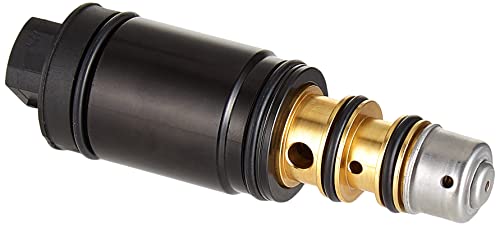 Representative Photo, actual item may vary
- 1
- 2
What Is an A/C Compressor Control Valve?
The A/C compressor control valve is a small but critically important component at the heart of your vehicle's air conditioning system. It plays a critical role in the efficient operation of an automotive A/C system, regulating the flow of refrigerant in the air conditioning compressor to ensure the system delivers optimal cooling performance under varying conditions. While it may be easy to overlook during routine maintenance, a failing control valve is one of the most common causes of inconsistent or failed cabin cooling.
How Does It Work?
Most air conditioning compressors in modern vehicles utilize variable displacement technology, meaning the compressor is always driven by the engine and controlled by the engine control unit (ECU) through the compressor control valve (CCV), allowing for linear control of the compressor from 0% to 100%. This enables the compressor to adapt to current driving conditions and heat load — delivering maximum output on hot days or at engine idle, and reduced output while cruising or on cooler days.
The control valve operates using an electromagnetic solenoid. When an electrical signal is sent to the solenoid, it opens or closes the valve, allowing or restricting the flow of refrigerant to the compressor. By regulating refrigerant flow, the control valve helps maintain optimal operating conditions for the A/C system, ensuring efficient cooling performance and preventing damage to the compressor.
More specifically, the valve adjusts the pressure in the compressor's crankcase, causing a change in the angle of the swashplate, which ultimately controls the amount of refrigerant that is compressed and sent to the condenser for cooling.
Signs of a Failing A/C Compressor Control Valve
Like any mechanical component, A/C compressor control valves can deteriorate over time, and identifying the signs of a failing control valve is crucial to prevent further damage and costly repairs. Common warning signs include:
- Inconsistent cooling: If the A/C system produces variable cooling results or experiences intermittent temperature fluctuations, it could be a sign of control valve malfunction.
- Excessive compressor cycling: Frequent on/off cycling of the A/C compressor may occur when the control valve fails to regulate refrigerant flow properly.
- Complete A/C system failure: In severe cases, a failed control valve can lead to total A/C system failure, resulting in no cooling at all.
- Delayed cooling: The A/C may take 10 to 20 minutes to start cooling but then work fine — a classic symptom of a marginal control valve.
Why Replace the Control Valve Instead of the Whole Compressor?
More often than not, the compressor is replaced when all that was actually needed was a relatively inexpensive control valve replacement. This repair can be done for a fraction of the cost of a compressor replacement. In addition to the extra cost for additional parts when replacing the entire compressor, you also have to recycle or refill the refrigerant, which adds another charge. Replacing the A/C compressor control valve is a much more economical solution.
What to Look for When Shopping for a Replacement
When selecting a replacement A/C compressor control valve, vehicle-specific fitment is paramount. In most cases the electronic control valve can be replaced, but it depends on the specific make and model of the vehicle as well as the type of compressor being used — some compressors have the valve built in and cannot be replaced separately, while others have it as a separate component. Always verify compatibility with your compressor model before purchasing, and consult a qualified HVAC technician for installation, as the A/C system must be properly evacuated and recharged during the repair process.