


Fuel Tank
 Representative Photo, actual item may vary


Transfer Flow 0800116755 75 Gallon In-Bed Auxiliary Fuel Tank System with TRAX 4


 Representative Photo, actual item may vary


Transfer Flow 0800116637 40-Gallon In-Bed Auxiliary Diesel Fuel Tank System with TRAX 4


Keystone TNKF26A 38 Gallon Rear Mount Fuel Tank Without Rollover Valve



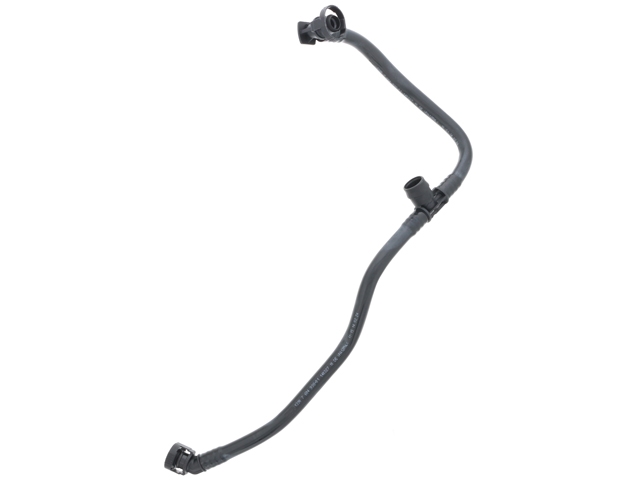
Fairchild D4068 Fuel Tank Vent Hose for 1987-1995 Jeep Wrangler 20 Gallon Tank


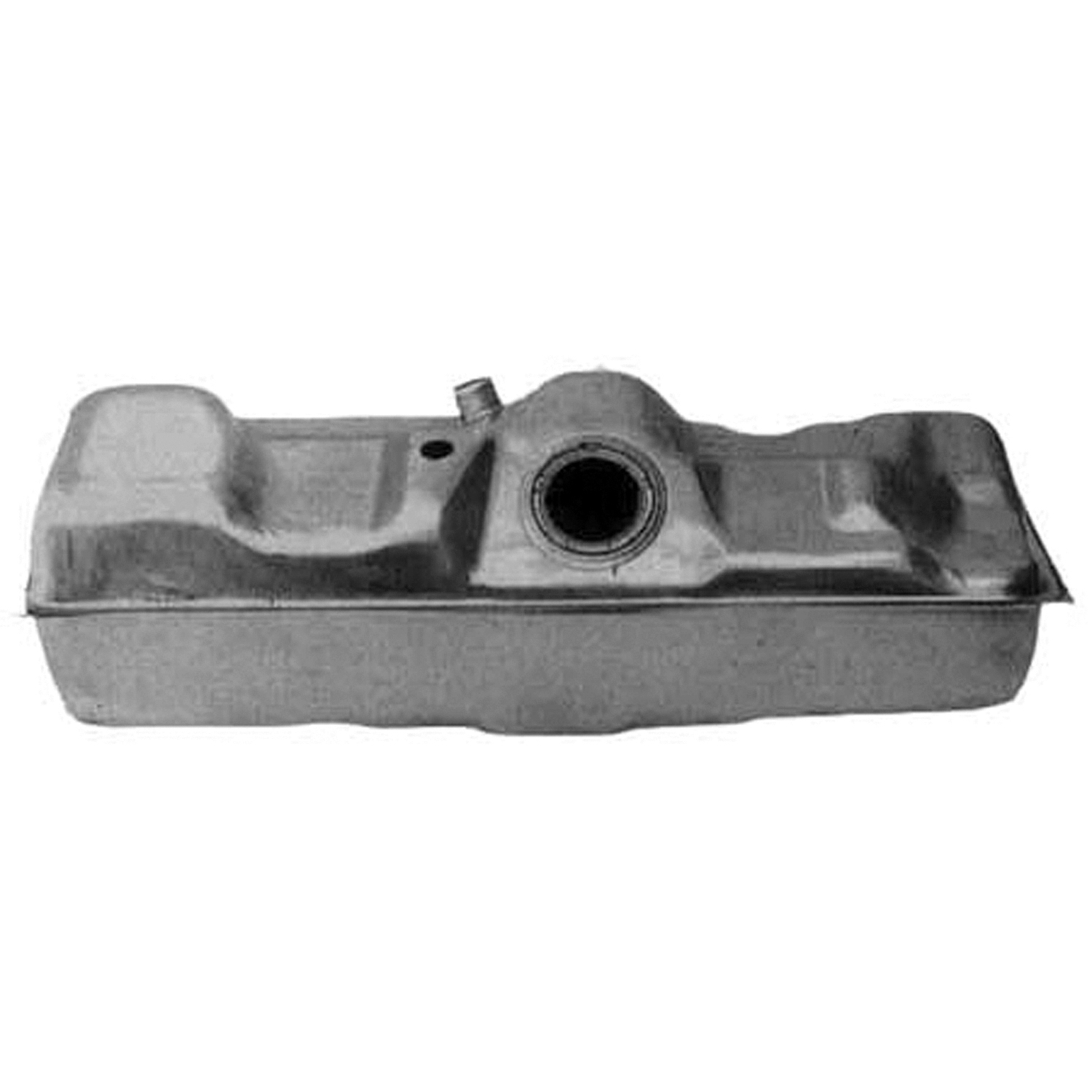 Representative Photo, actual item may vary
Keystone TNKHO14A Fuel Tank for 1998-2002 Honda Accord 17.2 Gallon with Lock Ring Kit
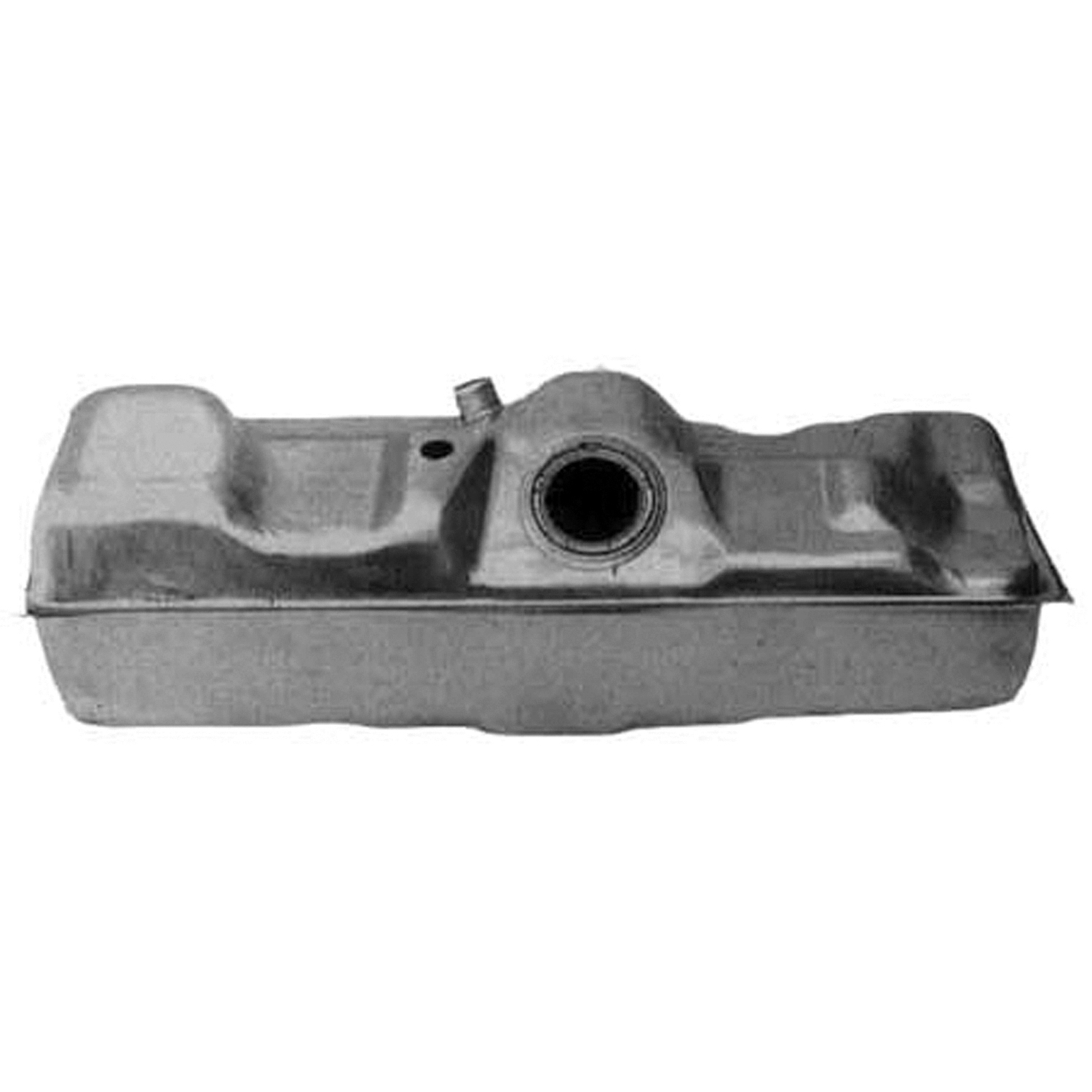 Representative Photo, actual item may vary
Keystone TNKF12B Fuel Tank for 1983-1997 Ford Mustang with Fuel Injection


 Representative Photo, actual item may vary


 Representative Photo, actual item may vary


 Representative Photo, actual item may vary
 Representative Photo, actual item may vary
 Representative Photo, actual item may vary

 Representative Photo, actual item may vary
 Representative Photo, actual item may vary
 Representative Photo, actual item may vary
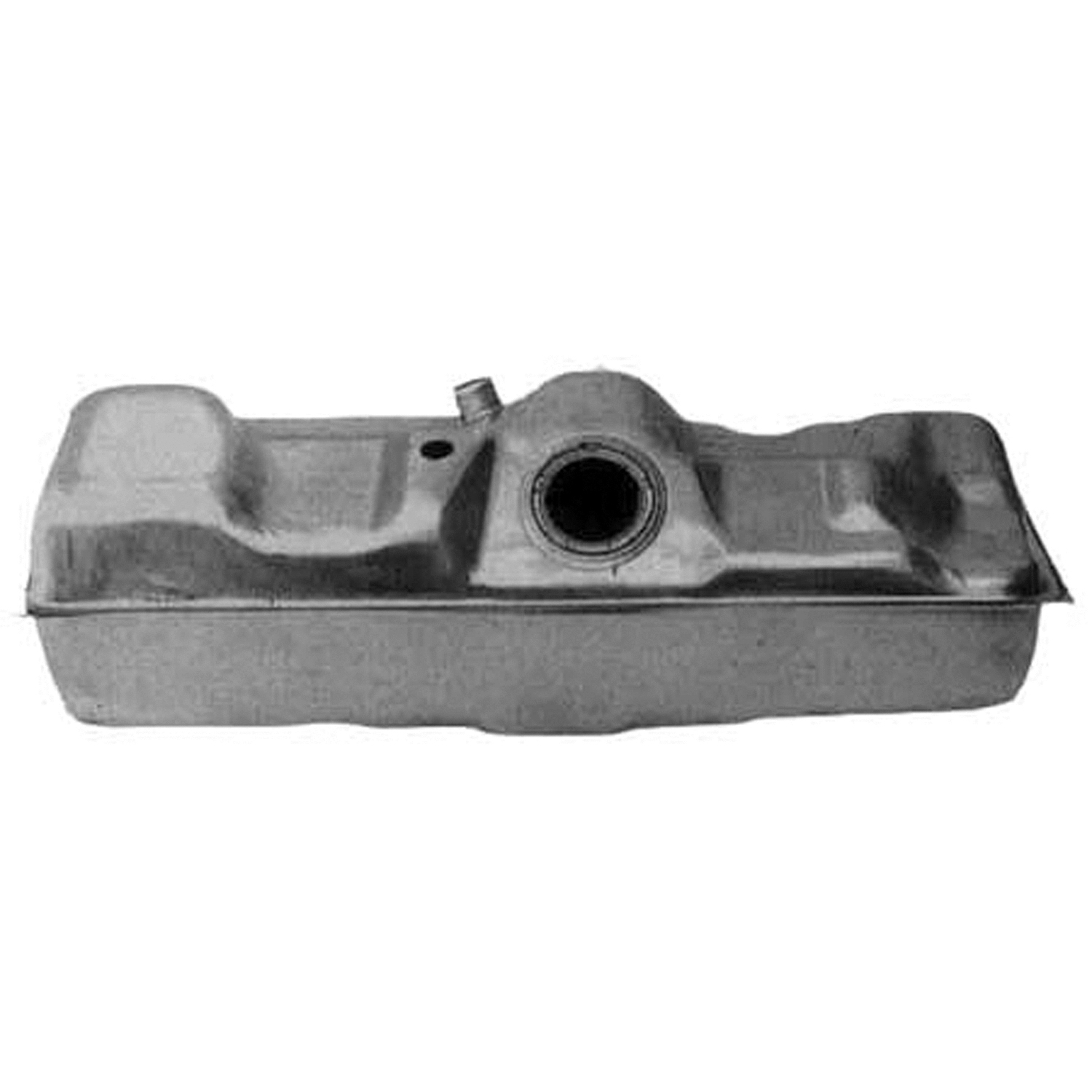 Representative Photo, actual item may vary
Keystone TNKJP2B 20 Gallon Fuel Tank for 86-95 Jeep Cherokee with EFI
 Representative Photo, actual item may vary

Titan Fuel Tanks 7021518 XXL Mid-Ship Replacement Fuel Tank 40 Gallon


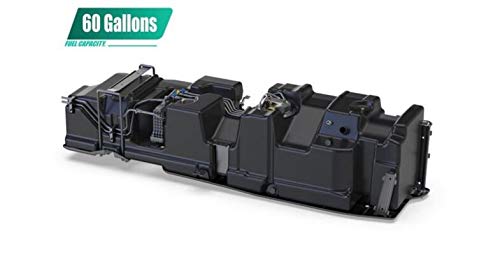 Representative Photo, actual item may vary
 Representative Photo, actual item may vary

Keystone TNKF1B 19-Gallon Rear Fuel Tank for 73-79 Ford F-Series with Rollover Valve

Keystone TNKGM22B1FA 34 Gallon Fuel Tank Assembly for 1988-1995 GM C/K Trucks with 8' Bed

Keystone TNKF6B Fuel Tank 1985-1986 Ford F-Series 19 Gallon Side Mount Replacement

Keystone TNKST44 Fuel Tank Strap Set for 25 Gallon Tank 6-1/2" Bed

Crown Automotive RT22002 Fuel Tank Kit for Jeep Wrangler YJ 20 Gallon


Blemished JP Group Dansk 644-201-001-07 G Fuel Tank 52L Grey Aluminized Steel


 Representative Photo, actual item may vary
 Representative Photo, actual item may vary
 Representative Photo, actual item may vary
Blemished JP Group Dansk 999-152-004-00 Fuel Filler Neck Sleeve Spring Clip




Platinum Pro FTK010056 19 Gallon Fuel Tank with Rollover Valve and Lock Ring Kit





What Is a Fuel Tank and Why Does It Matter?
The fuel tank is one of the most fundamental components in any vehicle or power equipment fuel system. Housed within the chassis of a car, truck, or boat — or bolted to a small engine — the fuel tank safely stores and delivers the fuel your engine needs to run. Over time, tanks can rust from the inside out, develop leaks from impact damage or corrosion, or simply wear out after decades of use. A compromised tank isn't just an inconvenience; a leaking or degraded fuel tank poses a genuine safety risk and can contaminate your fuel system, clogging injectors, damaging fuel pumps, and triggering erratic gauge readings.
Whether you're performing a straightforward OEM replacement on a passenger car, upgrading a diesel pickup for long-haul range, outfitting a marine vessel, or servicing a lawn mower or generator, there's a fuel tank engineered specifically for your application. Understanding what differentiates a quality tank from a subpar one — material construction, sealing method, corrosion protection, and regulatory compliance — makes all the difference in longevity and safety.
Key Considerations When Shopping for a Fuel Tank
- Material: Steel tanks offer rigidity and OEM-like fitment for automotive applications, while cross-linked polyethylene and rotationally molded plastics resist corrosion and are standard for marine and high-capacity truck tanks.
- Fitment: Always match the tank to your specific year, make, model, and engine. OE-fit replacement tanks install without modification; high-capacity upgrades may require minor adjustments.
- Capacity: Stock replacement tanks restore original capacity. Extended or high-capacity tanks dramatically increase range — a critical consideration for diesel truck owners who tow or travel long distances.
- Regulatory Compliance: Marine tanks must meet EPA, CARB, ABYC, NMMA, and USCG standards. Automotive tanks should comply with OE quality frameworks like ISO 9001.
- Ethanol Compatibility: Modern fuels often contain ethanol blends. Verify your tank's ethanol tolerance before purchase.
Top Fuel Tank Brands
Spectra Premium is widely regarded as the gold standard for automotive OEM-replacement fuel tanks. Spectra Premium tanks are crafted from corrosion-resistant steel and are available for the widest range of applications in the aftermarket. Each unit features electrically-welded, reinforced seams and is pressure-tested for leaks before leaving the factory. Manufactured under the ISO 9001/TS 16949 quality framework, their tanks are precision-engineered to meet or exceed OE specifications and are compatible with gasoline containing up to 20% ethanol (E20).
Moeller is the go-to name for marine fuel containment. For more than 25 years, Moeller Marine Products has set the industry standard in fuel system design and construction. Their below-deck permanent tanks are constructed from rotationally molded, cross-linked polyethylene — a material that resists corrosion and pitting in harsh saltwater environments — and their portable topside tanks are manufactured from high-density polyethylene with UV-stabilized resin. Moeller's full lineup is EPA low-perm certified and conforms to ABYC, NMMA, and USCG regulations, making them a trusted OEM-select supplier to boat manufacturers.
Titan Fuel Tanks is America's leading manufacturer of high-capacity aftermarket fuel tanks, built specifically for diesel pickup trucks. Their tanks are constructed from military-grade, cross-linked polyethylene polymer — a material that won't corrode, delaminate, or develop condensation — and are backed by a lifetime warranty. Titan's XXL midship replacement tanks drop directly into the OE tank cavity with no cutting or fabrication required, and they work with your factory sending unit and fuel gauge right out of the box, dramatically extending the range of Ford Power Stroke, GM Duramax, and Ram Cummins diesel trucks.
Dorman is a trusted name in OE-quality replacement parts, offering a broad selection of fuel tanks spanning a wide range of domestic and import vehicle applications. Dorman's engineering-first approach means their tanks are designed as direct-fit replacements engineered to restore factory fit, form, and function — making them a reliable choice for professional technicians and DIY mechanics alike.
Briggs & Stratton rounds out the category with fuel tanks engineered for small engines and outdoor power equipment. As one of the world's largest producers of gasoline engines for outdoor power equipment, Briggs & Stratton replacement tanks are built to OEM specifications for their own engines, ensuring proper fitment and reliable fuel delivery for lawn mowers, generators, pressure washers, and more.