


Engine Valve Seat








Regis Manufacturing High-Speed Steel Piloted Valve Guide Reamer for Cast Iron





 Representative Photo, actual item may vary


 Representative Photo, actual item may vary
COMP Cams 528-1 Intake Valve Seals with Seats for 5.3L/6.0L Thumper Hydraulic Roller Cam



 Representative Photo, actual item may vary
 Representative Photo, actual item may vary
 Representative Photo, actual item may vary

 Representative Photo, actual item may vary


 Representative Photo, actual item may vary




 Representative Photo, actual item may vary
Federal Mogul FP8929127 Intake Valve Seat Insert Standard Detroit Diesel Series 60
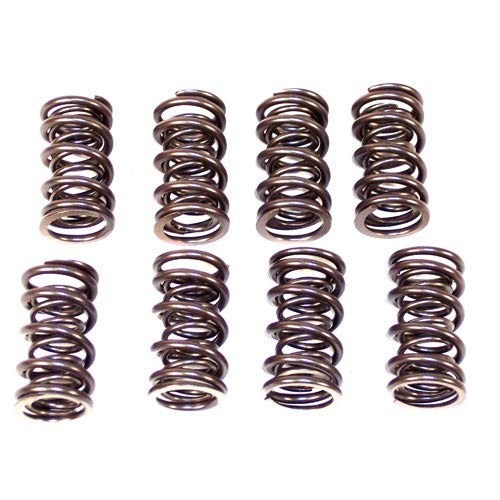 Representative Photo, actual item may vary

 Representative Photo, actual item may vary
 Representative Photo, actual item may vary
 Representative Photo, actual item may vary

Federal Mogul FP5148490 Standard Valve Seat Insert 30-Degree Detroit Diesel 92 Series


Brodix Cylinder Heads P2.4603/8LID Pro Stock Valve Seat 2.460 OD 2.040 ID 0.375 Deep
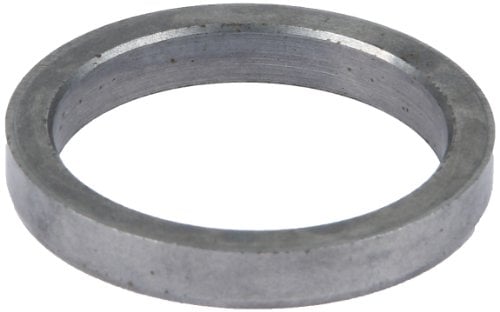 Representative Photo, actual item may vary
 Representative Photo, actual item may vary

 Representative Photo, actual item may vary

 Representative Photo, actual item may vary

 Representative Photo, actual item may vary
What Is an Engine Valve Seat?
Engine valve seats are among the most critical — and most overlooked — components in any cylinder head rebuild. Engine valve seat inserts serve two essential functions: they provide the combustion sealing surface where the valve face contacts to seal the combustion chamber during compression and power strokes, and they act as the primary thermal pathway for cooling the valve. In fact, approximately 70% of the heat absorbed by a valve during combustion exits through the seat contact area into the cylinder head, where the cooling system then dissipates it.
In simple terms, a valve seat is the surface against which an intake or exhaust valve rests when it is closed, creating an airtight seal so air and fuel can enter the combustion chamber — and so exhaust gases can exit — without leaking. When seats are worn, damaged, or improperly fitted, the consequences escalate quickly: poor sealing leads to compression loss, misfires, and eventual valve face burning, while inadequate heat transfer causes valves to run excessively hot, resulting in pre-ignition and detonation damage.
Integral Seats vs. Valve Seat Inserts
There are two main types of valve seats. Integral seats are machined directly into the cylinder head and are common in cast iron heads. Valve seat inserts, on the other hand, are press-fitted cylindrical pieces of hardened metal alloy machined into a cast depression above each valve stem position. With the widespread adoption of aluminum cylinder heads — which cannot resist the corrosion and heat of exhaust gases on their own — hardened seat inserts became essential rather than optional. The transition to unleaded fuel in the 1970s also played a major role: lead additives had previously created compounds that hardened wear surfaces and prevented valve seat recession, so when unleaded fuel became standard, this protective mechanism disappeared and insert demand grew significantly.
Choosing the Right Valve Seat Material
Material selection is the first critical decision in any valve job, as the wrong choice leads to premature failure regardless of installation quality. Common materials include cast iron for light-duty intake applications, alloy steels incorporating chromium, molybdenum, and nickel for enhanced strength and wear resistance, and exotic alloys like Stellite (a cobalt-chromium alloy) for extreme racing and heavy-duty use. Aluminum cylinder heads require materials that can handle higher thermal loads and expansion, while cast iron heads allow for a wider range of seat materials due to their better heat retention and stability. A significant percentage of valve seat failures can be traced back to selecting the wrong valve and seat combination, incorrect valvetrain geometry, or lack of seat-to-guide concentricity — so matching the seat to the application is paramount.
Top Engine Valve Seat Brands
Whether you are rebuilding a stock engine or pushing the limits on a race build, the right brand matters. Dura-Bond is the category leader with the largest selection of inserts, offering their patented powder metal valve seat technology across multiple series including the 30000 (Gold) and 70000 (Diamond) series — engineered with finely dispersed tungsten carbide in a tempered tool steel matrix for excellent machinability and high heat resistance. Kibblewhite brings precision American-crafted valve seats to the powersports and performance world, offering both powdered metal seats compatible with all fuel blends and proprietary bronze alloy seats designed specifically for use with titanium valves. Kwik Change Products rounds out the lineup with focused solutions for engine builders looking for efficient, reliable seat replacement options. For builders working with complete cylinder head assemblies, Brodix Cylinder Heads is a respected name in high-performance head manufacturing whose seat specifications are built around serious horsepower applications. Speedmaster also contributes performance-oriented valve seat options suited for engine builders looking for cost-effective upgrades across a range of applications.
What to Consider When Shopping Valve Seats
- Head material: Aluminum heads demand hardened alloy inserts with compatible thermal expansion rates; cast iron heads offer more flexibility.
- Application: Street/mild-performance engines work well with powdered metal seats, while high-performance and racing applications call for premium alloy or cermet-style inserts.
- Fuel type: Engines running propane, LPG, natural gas, or alcohol fuels require seats with built-in lubrication properties to prevent micro-welding.
- Correct sizing: Always verify outer diameter and interference fit specifications — a loose seat is just as damaging as the wrong material.
- Valve compatibility: Titanium valves require softer bronze alloy seats to prevent galling and premature wear.