


Engine Timing Chain Link

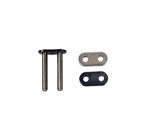 Representative Photo, actual item may vary

 Representative Photo, actual item may vary

 Representative Photo, actual item may vary
What Is an Engine Timing Chain Link?
Engine timing chain links are the individual steel components that form the timing chain — one of the most critical parts inside an internal combustion engine. The timing chain connects the crankshaft to the camshaft, keeping the top and bottom halves of the engine perfectly synchronized. As the crankshaft turns, the chain drives the camshaft so that each cam lobe opens an intake or exhaust valve at precisely the right moment in the piston's cycle. This synchronization prevents pistons from striking open valves and ensures smooth, consistent combustion timing.
Unlike timing belts, which are made of reinforced rubber, timing chains are constructed of metal links — typically hardened steel — making them significantly more durable. In many applications, a well-maintained timing chain can last the life of the engine. Because the chain runs inside the engine and is continuously bathed in engine oil, it relies on clean, properly maintained lubrication to minimize wear on each link, pin, and bushing.
Why Timing Chain Links Matter
Each individual link in a timing chain must meet extremely tight tolerances. Even minor wear or elongation across dozens or hundreds of links adds up to "chain stretch," which causes retarded cam timing, reduced engine performance, and — in severe cases — catastrophic engine damage. Modern engines equipped with variable valve timing (VVT) place even greater demands on the timing chain, as hydraulic pressure is used to actively adjust cam phasing during operation. A worn or failed chain link in these systems can throw off VVT calibration, triggering check engine lights and drivability issues.
When replacing a timing chain, sourcing individual links or a complete chain assembly to OE specifications ensures that pitch, width, and tensile strength all match the original design intent. Mixing components from different manufacturers or quality tiers can introduce inconsistencies that accelerate wear.
Key Considerations When Shopping for Timing Chain Links
- Material and hardness: Look for heat-treated, case-hardened steel links that resist elongation under sustained load and high RPM.
- OE fitment: Chain pitch and roller diameter must match your engine's sprocket specifications exactly.
- Chain type: Common types include roller chains, bush chains, and inverted tooth (silent) chains — confirm which design your engine uses before ordering.
- Complete vs. individual links: For most repair applications, a full replacement chain is recommended over splicing in individual links to maintain consistent tension and wear characteristics.
Top Brands in Engine Timing Chain Links
When it comes to timing chain links, iwis stands in a class of its own. iwis was founded in 1916 by Bavarian businessman Johann Baptist Winklhofer, and the company has grown from its roots in precision bicycle chains into a global technology leader in high-quality automotive and industrial chain systems. The Munich-based manufacturer has been an OE supplier to major automakers — including BMW and GM — since the 1930s, meaning the same engineering that goes into factory-installed chains is available through their aftermarket product line. With iwis timing chain links, the company's stated manufacturing goal is consistent precision across tens of millions of components produced daily. Their aftermarket portfolio spans inverted tooth chains, bush chains, roller chains, and complete timing drive system components, covering a wide range of engine applications worldwide.