


Engine Coolant Fitting




ACDelco 15-33814 HVAC Heater Hose Connector Black Quick-Connect



Gates 28501 Heater Hose Fitting 5/8" x 3/4" Quick-Lock Connector


Victor Reinz GS33312 Engine Coolant Crossover Pipe Mounting Set




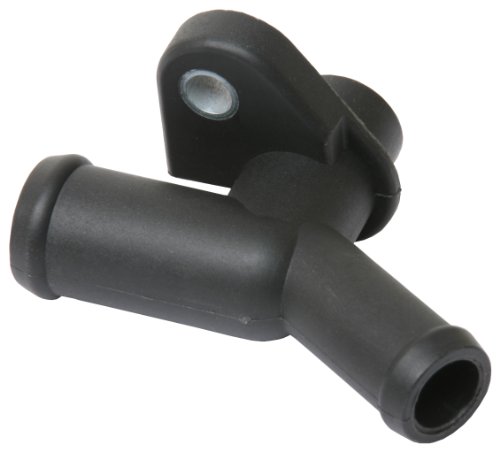 Representative Photo, actual item may vary
URO 11118619408PRM Aircraft-Grade Aluminum Coolant Outlet Flange for BMW B58 3.0L


Ticon 131-05004-2401 2" 90° Silicone Elbow 4-Ply Heavy Duty Hose Coupler

 Representative Photo, actual item may vary
Wehrli Custom Fabrication WCF100647-GM Billet Coolant Heater Core Firewall Fitting


 Representative Photo, actual item may vary
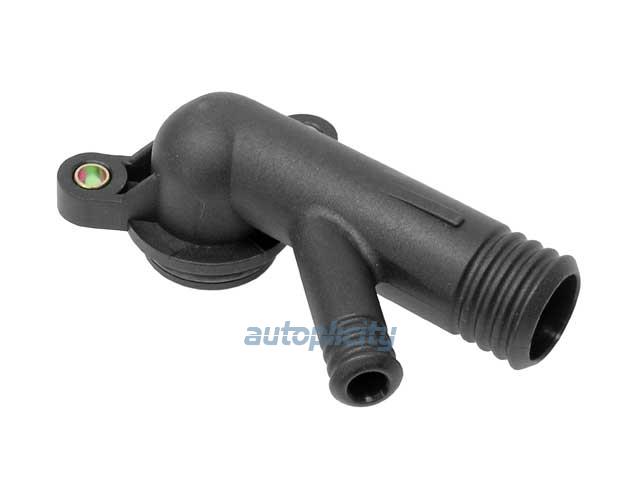 Representative Photo, actual item may vary


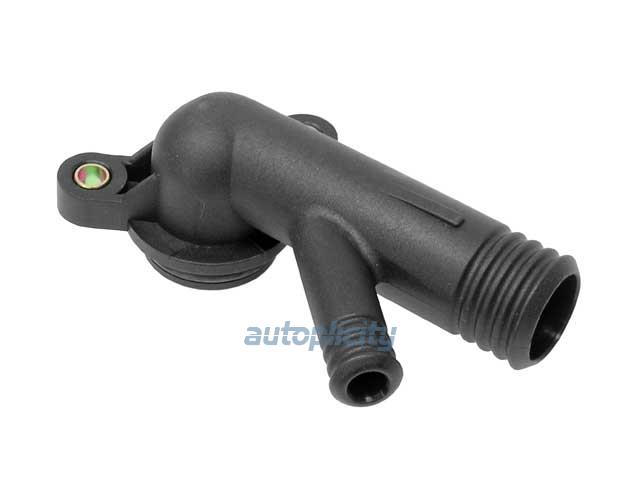 Representative Photo, actual item may vary

Genuine BMW 11-12-1-717-432 Coolant Outlet Flange Cylinder Head




Genuine BMW 17-11-2-248-409 Coolant Water Pipe Connector
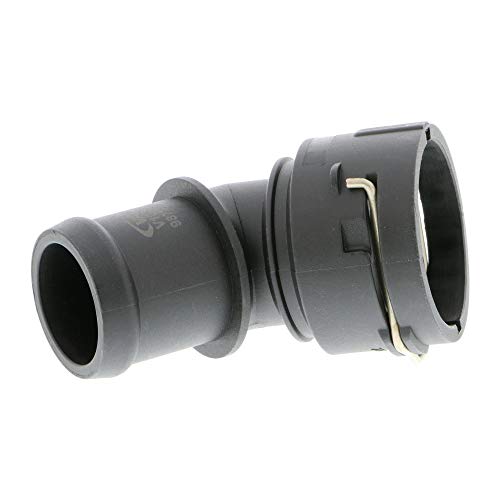 Representative Photo, actual item may vary

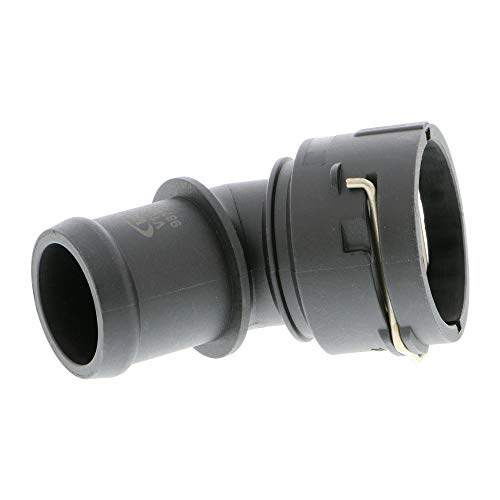 Representative Photo, actual item may vary


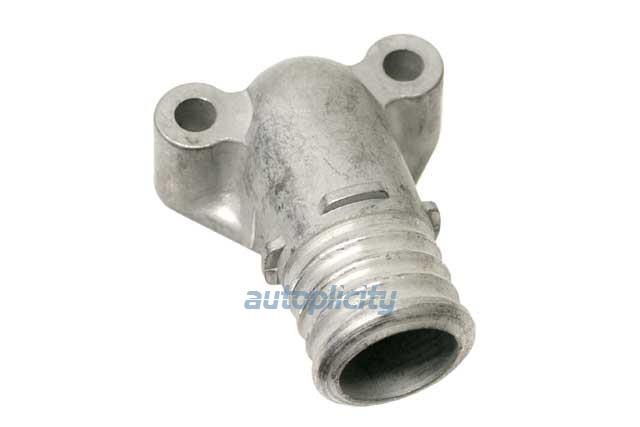 Representative Photo, actual item may vary
Genuine BMW 11-53-1-307-324 Coolant Distribution Piece Water Hose Connector

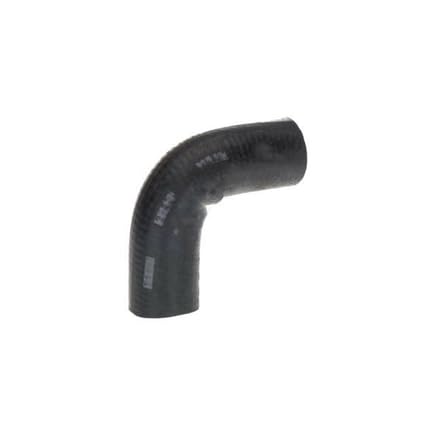 Representative Photo, actual item may vary



Genuine BMW – Mini 17-12-7-515-494 Coolant Water Hose Connector - 4-Way


Fragola Performance Systems 229012-BLRAD #12 Male Radiator 90-Degree Pro-Flow Hose End Black

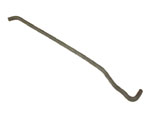 Representative Photo, actual item may vary



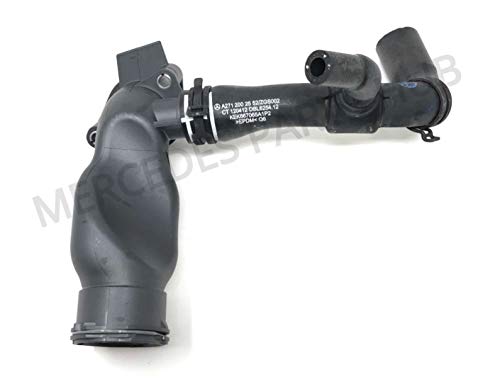 Representative Photo, actual item may vary


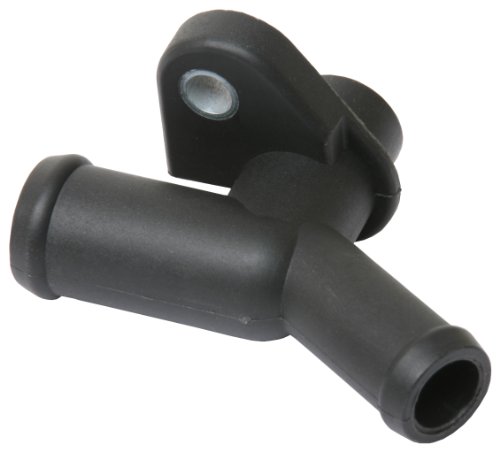 Representative Photo, actual item may vary






What Are Engine Coolant Fittings?
Engine coolant fittings are the connectors, adapters, and pipe unions that link the individual components of your vehicle's cooling system — joining hoses to the engine block, radiator, heater core, water pump, and thermostat housing into one sealed, pressurized circuit. While they may seem like minor hardware, these small parts play an outsized role: a failed or leaking fitting can break the sealed loop that keeps coolant flowing, and a coolant leak means the system can no longer properly regulate engine temperature.
Engine coolant fittings come in several styles to suit different applications. Hose barb fittings grip the inside of a rubber hose and are secured with a clamp, while push-to-connect and compression-style fittings offer tool-light installation and are common on modern vehicles with molded plastic coolant pipes. Quick-connect fittings use an integrated clip or locking collar to snap directly into a port, while threaded unions use NPT or metric threads sealed with a gasket or thread sealant. Understanding which type your vehicle uses is the first step toward a successful repair.
Why Coolant Fittings Matter
The engine cooling system operates under pressure — typically between 13 and 16 PSI on most passenger vehicles — which raises the boiling point of the coolant and allows it to absorb more heat. Every fitting in the system must hold that pressure reliably across a wide temperature range and resist the chemical action of glycol-based antifreeze over years of service. A fitting that seeps coolant, even slightly, leads to low coolant levels, and low coolant levels put your engine at risk of overheating. Overheating can cause serious internal damage, including warped cylinder heads, blown head gaskets, and even engine seizure — all far more costly repairs than replacing a fitting at the first sign of trouble.
Because coolant fittings are exposed to heat cycles, vibration, and the corrosive properties of aged antifreeze, they are a common wear item — especially on higher-mileage vehicles or those that have never had a cooling system flush. When inspecting hoses and pipes, always examine the fittings at each connection point for signs of brittleness, cracking, seepage, or mineral deposits from evaporated coolant.
What to Look for When Shopping
- Fit: Coolant fittings are highly vehicle-specific. Always confirm the part number, diameter, thread pitch, and connection type match your application before purchasing.
- Material: OEM-style nylon and glass-reinforced plastic are standard on modern engines; brass and steel are common in older or commercial applications and offer excellent vibration resistance.
- Temperature and pressure ratings: Make sure the fitting is rated for the operating conditions of your cooling system, especially on turbocharged or high-performance engines that run hotter.
- Seal type: Check whether the design uses an O-ring, thread sealant, or compression sleeve — and have the correct sealing material on hand before you start the job.
Top Brands in Engine Coolant Fittings
ACDelco is a trusted name in GM-vehicle cooling system components. Their OE-grade coolant fittings and connectors are designed, engineered, and tested to meet General Motors specifications, making them a go-to choice for Chevy, GMC, Buick, and Cadillac owners who want factory-correct fit and reliability.
Gates is one of the most recognized brands in automotive fluid power and cooling systems. Their plastic hose connectors are constructed from glass-reinforced nylon engineered to resist coolant additives and extreme temperatures, making Gates a strong aftermarket alternative for a wide range of vehicle makes and models.
Dorman specializes in hard-to-find OE-replacement components, and their coolant fittings are no exception. Dorman engineers direct-fit replacements — including turbocharger coolant line fittings and specialty connectors — designed to match the appearance and function of the factory hardware on specific applications.
Genuine parts are the factory-original components validated by the vehicle manufacturer, ensuring exact dimensional match and compatibility for owners who want a precise OE replacement with no guesswork on fit.
Rein is a specialist in European vehicle cooling and fluid system components. Their coolant fittings are built to the exacting tolerances expected by German and other European automakers, making Rein a reliable choice for BMW, Mercedes-Benz, Audi, and Volkswagen applications.