


Engine Oil Pump Sprocket





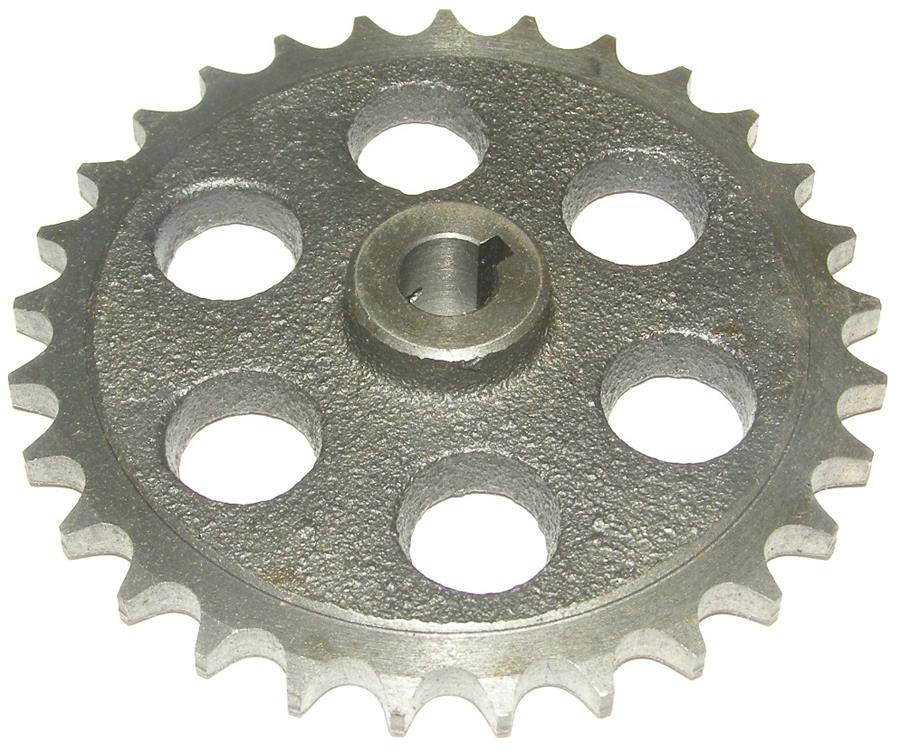 Representative Photo, actual item may vary
What Is an Engine Oil Pump Sprocket?
The engine oil pump sprocket is a small but mission-critical component nestled within your engine's cylinder block. Its job is deceptively simple: transfer rotational power from the crankshaft to the oil pump. Engine oil pump sprockets mesh with the engine's timing chain or gear system, and as the crankshaft turns, the sprocket drives the pump to pressurize and circulate oil throughout every vital passage in the engine.
Without a functioning oil pump sprocket, the lubrication system loses its driving force. Oil pressure drops, friction between moving metal surfaces climbs rapidly, and the result can be catastrophic engine damage in a matter of minutes. Think of the oil pump sprocket as the mechanical link between engine rotation and the lifeblood of lubrication — get it wrong, and the entire system suffers.
Why It Matters: The Role of Oil in Engine Health
Engine oil serves multiple purposes beyond simple lubrication. It cools internal components, helps remove contaminants and impurities, and even provides hydraulic pressure to components like variable valve timing actuators and hydraulic lifters. The oil pump is responsible for all of this — and the sprocket is what keeps the pump spinning in sync with the engine.
The sprocket's teeth must stay in precise alignment with the timing chain at all times. Tooth wear, chain slop, or sprocket failure can cause erratic oil pressure, unusual engine noises such as whining or rattling, and — in severe cases — complete loss of lubrication. Because the oil pump sprocket operates under constant mechanical stress and elevated temperatures, material quality is paramount. Most quality sprockets are manufactured from hardened steel alloys to withstand continuous friction and thermal cycling.
When to Replace an Engine Oil Pump Sprocket
The oil pump sprocket is not a routine maintenance item, but it should always be inspected during a major engine overhaul, timing chain service, or any repair that involves opening the front of the engine. Common replacement scenarios include:
- Timing chain or oil pump replacement (always inspect the sprocket at the same time)
- Engine rebuilds following a spun bearing or other internal failure, as metal debris can accelerate sprocket wear
- When abnormal oil pressure readings or low-pressure warning lights cannot be explained by other causes
- Any time visible tooth wear, chipping, or misalignment is detected
When replacing the sprocket, always verify the correct tooth count and dimensions for your specific engine application — even small differences in sprocket geometry can affect oil pump speed and resulting oil pressure.
Top Brands for Engine Oil Pump Sprockets
Standard Motor Products is the leading name in this category, and for good reason. With decades of experience supplying professional technicians and serious DIYers alike, Standard Motor Products engineers their sprockets to meet or exceed OEM specifications, ensuring a reliable, precise fit across a wide range of domestic and import applications.