


Engine Connecting Rod Bolt

ARP 206-6008 Pro Series Connecting Rod Bolts for BMW Mini Cooper


ARP 134-6006 Connecting Rod Bolt Kit for LS1/LS Series Small Block Chevy
ARP 202-6005 Pro Series Connecting Rod Bolts for Nissan SR20 Engine


ARP 145-6002 High Performance Connecting Rod Bolt Kit for Big Block Chrysler


ARP 134-6001 Connecting Rod Bolts for Small Block Chevy 283-327 and Inline 6

ARP 204-6301 Connecting Rod Bolt Kit ARP2000 Pro Series Cap Screw

ARP 135-6002 Connecting Rod Bolts for Chevy Big Block 396-454

ARP 234-6301 Connecting Rod Bolt Kit ARP2000 Pro Series Cracked Cap Design

ARP 123-6002 Connecting Rod Bolt Kit Cap Screw Pro Series - ARP2000

ARP 201-6305 Pro Series Connecting Rod Bolt Kit BMW Mini Cooper N12/N14/N16/N18 1.6L


Scat Engine Components 4AP1-602-2LU Connecting Rod Bolt ARP 2000 Alloy 7/16-20 Thread 1.602 Inch


ARP 154-6002 Connecting Rod Bolts for Ford 289/302 - Set of 16


ARP 208-6401 Pro Series 2000 Rod Bolt Kit for Honda B-Series Engines


ARP 155-6002 High Performance Connecting Rod Bolt Kit for Ford FE 390-428

ARP 208-6003 Pro Series Connecting Rod Bolts for Honda K20 Engine


ARP 208-6001 High Performance Connecting Rod Bolt Kit 8mm Honda Acura
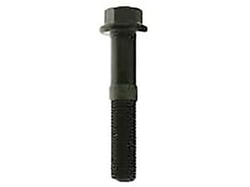


ARP 107-6004 Pro Series Connecting Rod Bolts for Mitsubishi 3.0L V6


ARP 125-6001 Connecting Rod Bolt Kit for Buick 455 430 400 401 425

ARP 150-6004 High Performance Connecting Rod Bolt Kit for Ford Boss 302/351W



ARP 132-6001 High Performance Connecting Rod Bolt Kit for Chevy Inline 6 194


ARP 154-6402 High Performance Connecting Rod Bolt Kit 8740 Chrome Moly Wave-Loc

ARP 151-6005 Pro Series Connecting Rod Bolts for Ford Zetec 2.0L
 Representative Photo, actual item may vary

ARP 154-6022 High Performance Rod Bolt Kit - 8740 Chrome Moly Series (2-Piece)
ARP 208-6002 Pro Series Connecting Rod Bolts for Honda S2000





ARP 202-6001 High Performance Connecting Rod Bolt Kit for Nissan L20 Series
What Are Engine Connecting Rod Bolts?
Engine connecting rod bolts are among the most critically stressed fasteners in any internal combustion engine. Connecting rod bolts secure the rod cap to the big end of the connecting rod, clamping it tightly around the crankshaft journal so the rotating assembly stays intact at every RPM. Despite their small size, these fasteners are exposed to relentless punishment — they must withstand the full force of combustion translated through the pistons, the inertia of the oscillating rod and piston assembly, and the rapid directional reversals that occur dozens of times per second at highway RPM.
Unlike most bolts in an engine, connecting rod bolts experience both compressive and tensile loading with every revolution of the crankshaft. The dynamic forces they carry are proportional to the square of engine speed, meaning that as RPM doubles, the load on the bolt increases fourfold. This is why even a seemingly sound OEM bolt can become the weakest link in a high-performance or high-revving build. A rod bolt failure is not a minor inconvenience — it can cause the connecting rod to break free and damage the engine block catastrophically, resulting in complete engine failure.
OEM Replacement vs. Performance Upgrades
For a standard engine rebuild or factory-spec restoration, direct-replacement connecting rod bolts restore original clamping force and dimensional accuracy. However, for turbocharged, supercharged, or high-compression builds, upgrading to stronger aftermarket rod bolts is widely considered one of the smartest investments in engine reliability. High-performance bolts are typically manufactured from premium alloys such as 8740 chrome moly, ARP2000, or exotic aerospace-grade super-alloys, and their threads are rolled after heat treatment to dramatically increase fatigue strength.
Key Considerations When Shopping
- Material grade: 8740 chrome moly suits most performance builds; ARP2000 and Custom Age 625+ alloys are suited for extreme-duty and racing applications.
- Torque vs. stretch method: The bolt-stretch method of installation is generally considered more accurate than torque alone, as it directly measures the elongation of the bolt and ensures consistent clamping force.
- Application fit: Rod bolts are highly application-specific — always match the bolt to the connecting rod manufacturer's specifications and the engine's power and RPM targets.
- Lubrication: Proper assembly lubricant is critical; using the wrong lube can produce unpredictable preload, increasing the risk of bolt failure or rod damage.
Top Brands in Engine Connecting Rod Bolts
ARP (Automotive Racing Products) is the dominant force in performance connecting rod bolts, trusted by NASCAR, Formula 1, and IRL teams as well as serious street and strip builders. ARP offers a wide range of rod bolt materials — from 8740 chrome moly to ARP2000 alloy and their proprietary Custom Age 625+ super-alloy — with threads rolled after heat treatment for up to ten times greater fatigue strength versus standard fasteners. Their patented Wave-Loc surface design provides superior rod-to-cap alignment and reduces fluctuating stress, and nearly all top-tier aftermarket connecting rod manufacturers spec ARP bolts as standard equipment on their rods.
Pioneer Automotive offers connecting rod bolt options suited for OEM-spec rebuilds and stock replacements, making them a practical choice for restoring engines to factory tolerances without the premium cost of full race-spec hardware.
Scat Engine Components is well known in the engine building community for complete rotating assemblies, and their connecting rod bolt offerings are designed to complement their forged rods and crankshafts — ensuring matched tolerances and consistent performance across the assembled short block.
Speedmaster rounds out the category with competitively priced connecting rod bolt solutions that appeal to budget-conscious builders looking for an accessible upgrade path over stock fasteners.