


Sander Belt


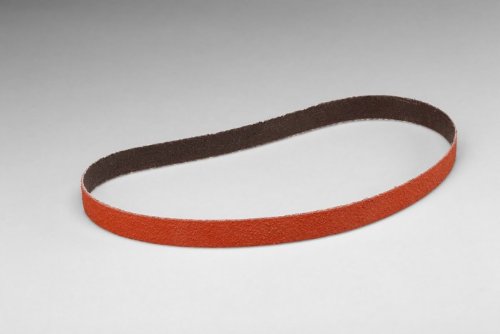 Representative Photo, actual item may vary

 Representative Photo, actual item may vary

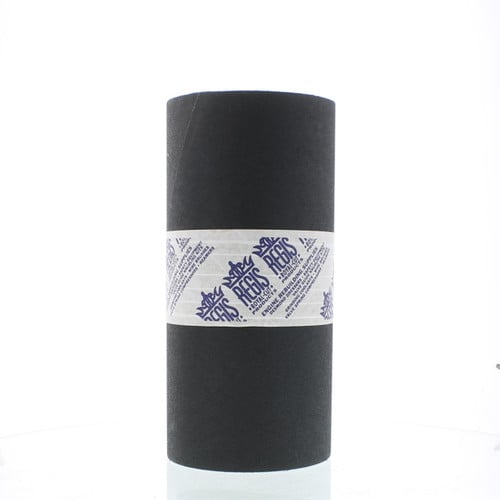 Representative Photo, actual item may vary
What Are Sander Belts and Why Do They Matter?
A sander belt — sometimes called an abrasive belt — is the consumable heart of any belt sanding or belt grinding tool. Without the right belt, even the most powerful tool delivers poor results. These continuous loops of coated abrasive are mounted on a pair of driven drums and move at high speed across a workpiece, making them one of the fastest and most effective methods for material removal, surface preparation, and finishing available to professionals and serious DIYers alike.
Belt sanders and the abrasive belts that feed them are essential across a wide range of trades. In automotive and body shops, they strip paint, blend welds, deburr metal edges, and prep panels for primer. In outdoor power equipment maintenance, specialty abrasive belts sharpen lawn mower blades and garden tool edges with precision that hand files simply cannot match. Whether handheld or bench-mounted, sander belts are sized by width and length — common sizes include 1/2" x 18", 1" x 18", and 1-1/2" x 48" — and are available in a spectrum of grit levels, from aggressive 36-grit for rapid stock removal down to fine 400-grit for polished surface finishing.
Choosing the Right Sander Belt
Selecting the correct abrasive belt involves three key decisions: size, grit, and abrasive mineral type. Always match the belt dimensions precisely to your tool's drive wheel and contact arm specifications. Grit selection depends on your task — coarser grits (36–80) excel at grinding welds and removing material quickly, while medium grits (100–180) blend and smooth, and fine grits (240+) are used for final finishing. Abrasive mineral type also matters: aluminum oxide is a versatile, economical choice for wood and metal, while ceramic abrasives offer longer life and faster cutting on hard materials like high-carbon steel.
Belt material backing (cloth vs. paper) affects durability and flexibility. Cloth-backed belts hold up better under high heat and pressure, making them the preferred choice for metal grinding and power tool use. Non-woven nylon belts are ideal for light blending, cleaning, and surface conditioning without altering dimensions.
Top Brands in Sander Belts
Dynabrade is a name synonymous with professional-grade abrasive belt tooling. Dynabrade has been manufacturing pneumatic abrasive power tools since 1969, and their belts are engineered to pair perfectly with their world-famous Dynafile line — designed for grinding, deburring, blending, polishing, and finishing on metal, plastic, fiberglass, composites, and more.
Oregon OEP brings its deep outdoor power equipment expertise to the sander belt category. Oregon OEP sander belts — including premium ceramic grit options — are specifically suited to equipment maintenance tasks like lawn mower blade sharpening and tool reconditioning, making them a trusted choice for landscape professionals and equipment service technicians.