


Airbrush O-Ring


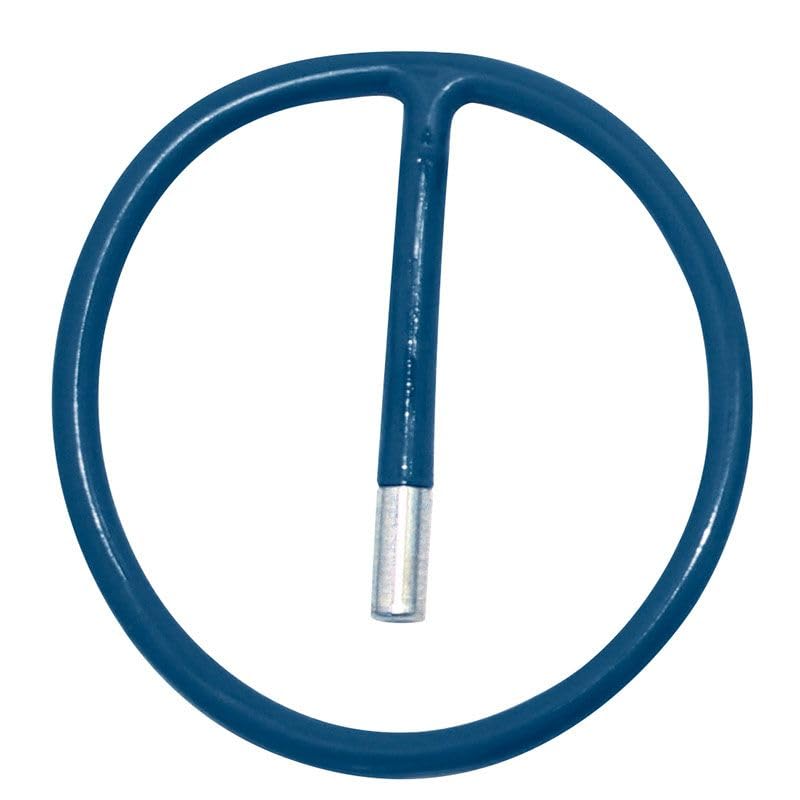 Representative Photo, actual item may vary

 Representative Photo, actual item may vary


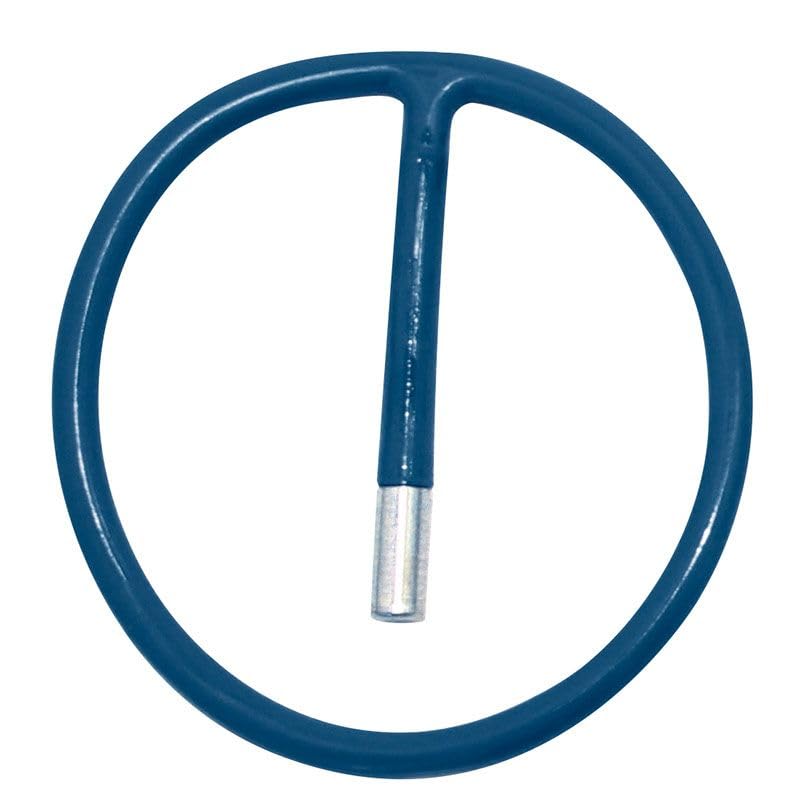 Representative Photo, actual item may vary
 Representative Photo, actual item may vary


 Representative Photo, actual item may vary
 Representative Photo, actual item may vary

 Representative Photo, actual item may vary

 Representative Photo, actual item may vary
 Representative Photo, actual item may vary
 Representative Photo, actual item may vary

 Representative Photo, actual item may vary


 Representative Photo, actual item may vary
 Representative Photo, actual item may vary
 Representative Photo, actual item may vary
What Are Airbrush O-Rings and Why Do They Matter?
At first glance, an airbrush o-ring seems like the most forgettable component in a paint setup — a tiny loop of rubber buried deep inside a precision tool. But ask any seasoned auto body technician or custom painter and they'll tell you: the o-ring is one of the most critical parts in the entire airbrush system. Airbrush o-rings are small circular seals positioned at key connection points inside the airbrush — where the needle passes through the body, at the paint cup connection, and at the air valve. Their job is to create airtight, leak-free seals that keep air pressure stable and paint flowing exactly where it should.
When an o-ring is performing correctly, you'll never think about it. When it fails, the symptoms are hard to ignore: erratic spray patterns, air leaking from the handle, paint seeping into the valve assembly, or a trigger that sticks or drags. Over time, o-rings can dry out, harden, crack, or become deformed — any of which compromises the airbrush's efficiency and accuracy. Exposure to harsh solvents, thinners, and cleaning agents accelerates that wear, making periodic inspection and replacement a standard part of responsible airbrush maintenance.
Materials and Key Specs to Know
Airbrush o-rings are typically manufactured from durable elastomers such as nitrile (BUNA-N), silicone, Viton, or polyurethane, each suited to different chemical environments and temperature ranges. When sourcing replacements, the three most important specifications are inside diameter (ID), outside diameter (OD), and cross-section thickness — even a fraction of a millimeter off can result in leaks or a trigger that binds. Always cross-reference these dimensions against your airbrush's service manual or manufacturer specs before ordering.
Material hardness, measured on the Shore A durometer scale, is also worth considering. Softer compounds conform more readily to seating surfaces and work well at lower pressures, while firmer compounds resist extrusion under higher air pressures. For automotive and body shop applications — where solvent-based paints and lacquers are common — a Viton or fluorocarbon o-ring often outperforms standard rubber in chemical resistance and longevity.
When to Replace Your Airbrush O-Rings
A good rule of thumb is to inspect o-rings during every deep clean and replace them at the first sign of cracking, flattening, or swelling. Keeping a few spare o-rings in your toolbox is an inexpensive form of insurance — a stuck trigger mid-project or an air leak during a detail paint job can cost far more in lost time and materials than a replacement seal ever would.
Top Brands for Airbrush O-Rings
Victor is a well-established name in precision air tools and gas equipment accessories, with a long track record of manufacturing reliable sealing components — including o-rings engineered to meet exacting dimensional tolerances for use with air-handling equipment and spray tools.
Precision Brand brings industrial-grade sealing expertise to the airbrush category. Their o-ring assortments are made from BUNA-N 70 durometer rubber compound and are designed to create tight seals for fluid and gas connections — making them a versatile choice for shops that need a ready supply of correctly sized seals on hand at all times.