


Jig Saw
 Representative Photo, actual item may vary


 Representative Photo, actual item may vary

 Representative Photo, actual item may vary

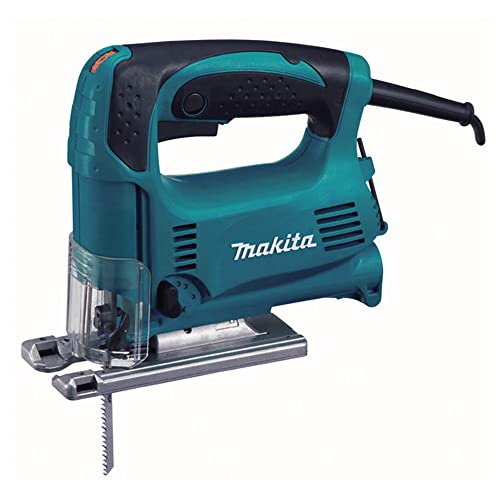 Representative Photo, actual item may vary

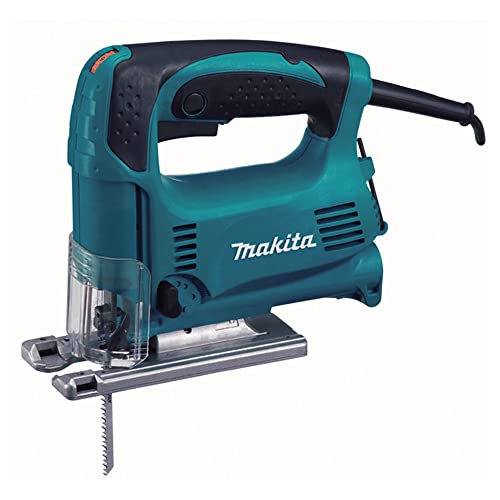 Representative Photo, actual item may vary


 Representative Photo, actual item may vary

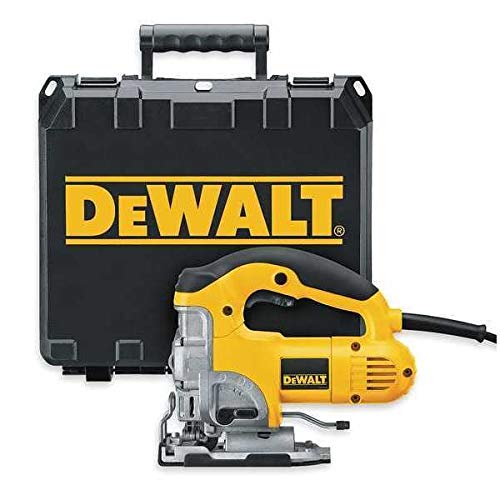 Representative Photo, actual item may vary

 Representative Photo, actual item may vary

What Is a Jig Saw and Why Do You Need One?
Jig saws are among the most versatile cutting tools in any workshop or job site. Jig saws use a thin, vertically oriented reciprocating blade to make curved, straight, and plunge cuts through a wide range of materials — including wood, metal, plastic, laminate, and even fiberglass. Unlike a circular saw or table saw, a jig saw gives you the flexibility and maneuverability to follow intricate patterns, cut tight corners, and work in confined spaces where larger tools simply can't go.
The jig saw's design was inspired by the sewing machine, replacing the needle with a blade — and that up-and-down motion is exactly what makes it so well-suited for controlled, detailed cuts. Whether you're trimming a floorboard, shaping cabinet panels, cutting decorative trim, or making a plunge cut into a countertop, the jig saw handles tasks that no other handheld tool can replicate with the same level of precision.
Key Features to Consider When Shopping for a Jig Saw
Choosing the right jig saw means understanding a few fundamental spec categories. Here's what to evaluate before you buy:
- Corded vs. Cordless: Corded models deliver continuous, uninterrupted power — ideal for cutting hard or dense materials for extended periods. Cordless models offer freedom of movement and are well-suited for light- to medium-duty tasks and remote job sites.
- Variable Speed Control: A variable-speed trigger lets you match cutting pace to the material — slower speeds for metals and plastics, higher speeds for most woodcutting tasks. This adaptability makes the jig saw a genuinely multi-functional tool.
- Orbital Action Settings: Orbital action adds a forward-and-backward motion to the blade's up-and-down stroke. Lower settings provide finer, slower cuts for detailed work, while higher settings deliver more aggressive, faster cuts for rougher tasks.
- Bevel Adjustment: Many jig saws allow the base plate to tilt — typically up to 45 degrees — enabling angled or beveled cuts without needing a separate tool.
- Blade Change System: Tool-free or quick-change blade systems make swapping blades fast and safe, which matters when you're switching between materials mid-project.
- Handle Style: Top-handle (D-handle) designs are comfortable for general use and reduce back strain. Barrel-grip designs allow you to hold the tool closer to the workpiece for enhanced precision on intricate cuts.
- Stroke Rate (SPM): Higher strokes per minute generally mean faster cuts. Most corded jig saws top out in the 2,800–3,100 SPM range. Match SPM to the material and the level of finish quality required.
- Blade Compatibility: Confirm whether the saw accepts T-shank or U-shank blades, and stock up on extras — jig saw blades wear out faster than circular saw blades.
Jig Saw Applications: More Than Just Wood
A common misconception is that jig saws are only useful for woodworking. In reality, they handle a surprisingly diverse range of materials. With the correct blade, a jig saw can cut sheet metal, PVC pipe, ceramic tile, laminate flooring, and composite materials. This cross-material capability makes jig saws indispensable for automotive work, construction, remodeling, and fabrication projects alike — wherever you need precision in places larger saws can't reach.
Top Brands in Jig Saws
When it comes to selecting a reliable jig saw, the brand matters as much as the specs. BOD offers a jig saw option in this category, making it a choice worth exploring for shoppers looking for a practical cutting tool solution.