


Grinding Disc


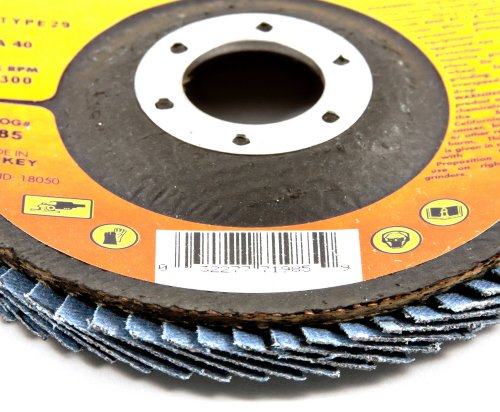 Representative Photo, actual item may vary


 Representative Photo, actual item may vary
Norton 662611-21034 3" Metalite R228 80 Grit Quick Change Sanding Disc 50/Box
 Representative Photo, actual item may vary
 Representative Photo, actual item may vary


Norton 666233-57283 7" x 7/8" 24 Grit Aluminum Oxide Abrasive Disc 25-Pack


Norton 666233-57276 Resin Fiber Disc 5 Inch x 7/8 Inch 24 Grit Aluminum Oxide
 Representative Photo, actual item may vary
Norton 666233-34976 Vortex Rapid Prep 7-Inch Non-Woven Surface Conditioning Disc

Norton 662611-38675 Quick-Change Cloth Disc 3 Inch 24 Grit Zirconia Alumina

Norton 662611-38590 NorZon F826 Zirconia Alumina Fiber Disc 7" x 7/8" 80 Grit

Norton 662611-38562 NorZon F826 Fiber Disc 5" x 7/8" 36 Grit Zirconia Alumina

 Representative Photo, actual item may vary
 Representative Photo, actual item may vary

 Representative Photo, actual item may vary
Performance 1 511016 Abrasive Disc 5" x 7/8" 16 Grit Premium Aluminum Oxide 25-Pack

 Representative Photo, actual item may vary
Performance 1 4511024 Abrasive Disc 4-1/2" x 7/8" 24 Grit Premium Aluminum Oxide 25-Pack


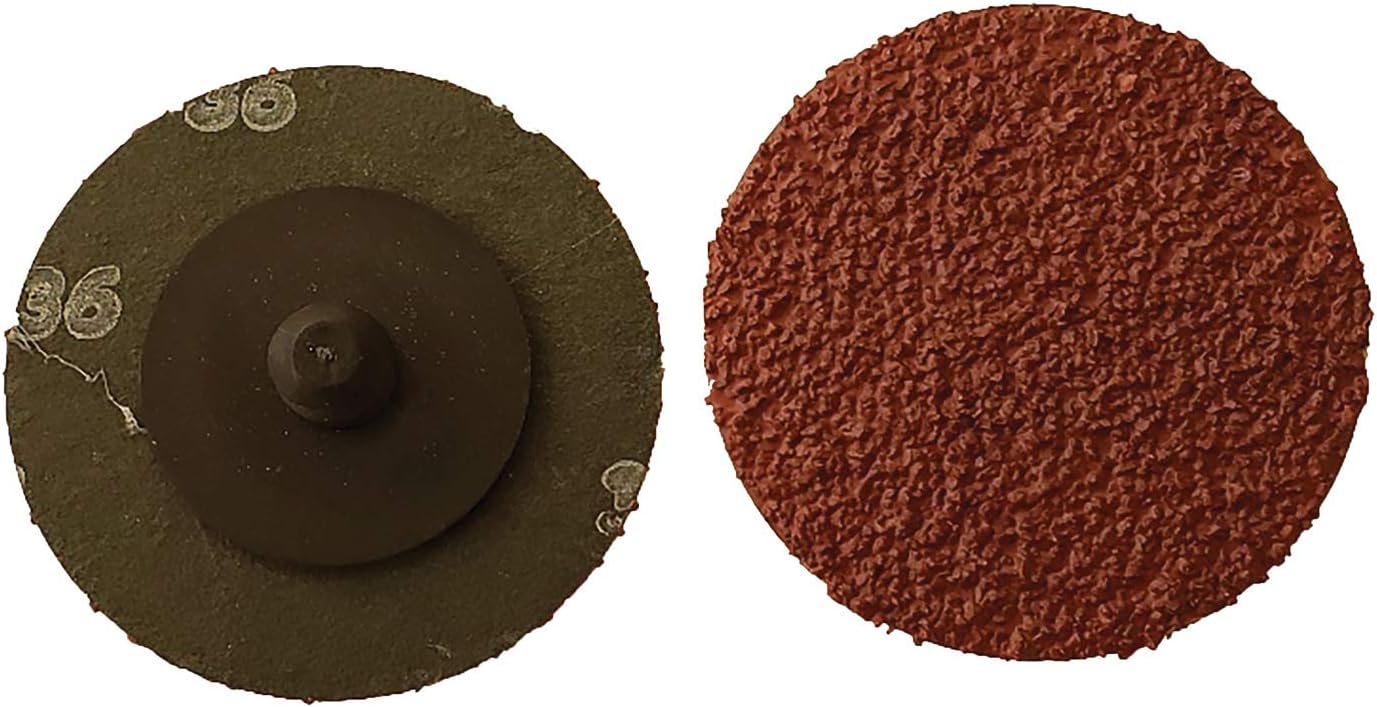 Representative Photo, actual item may vary
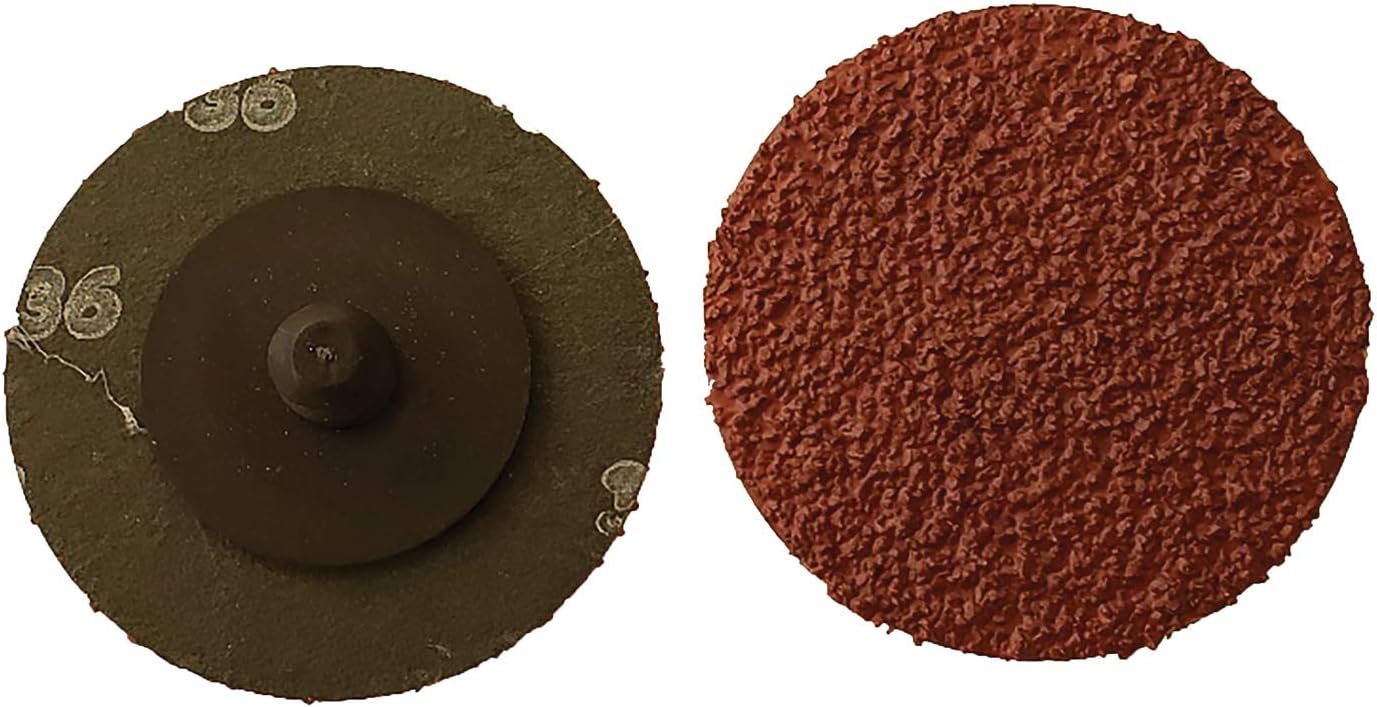 Representative Photo, actual item may vary
Gemtex Abrasives 21220205 Maroon Fine 2 Inch Mini Grinding Disc 024 Grit (50 Pack)
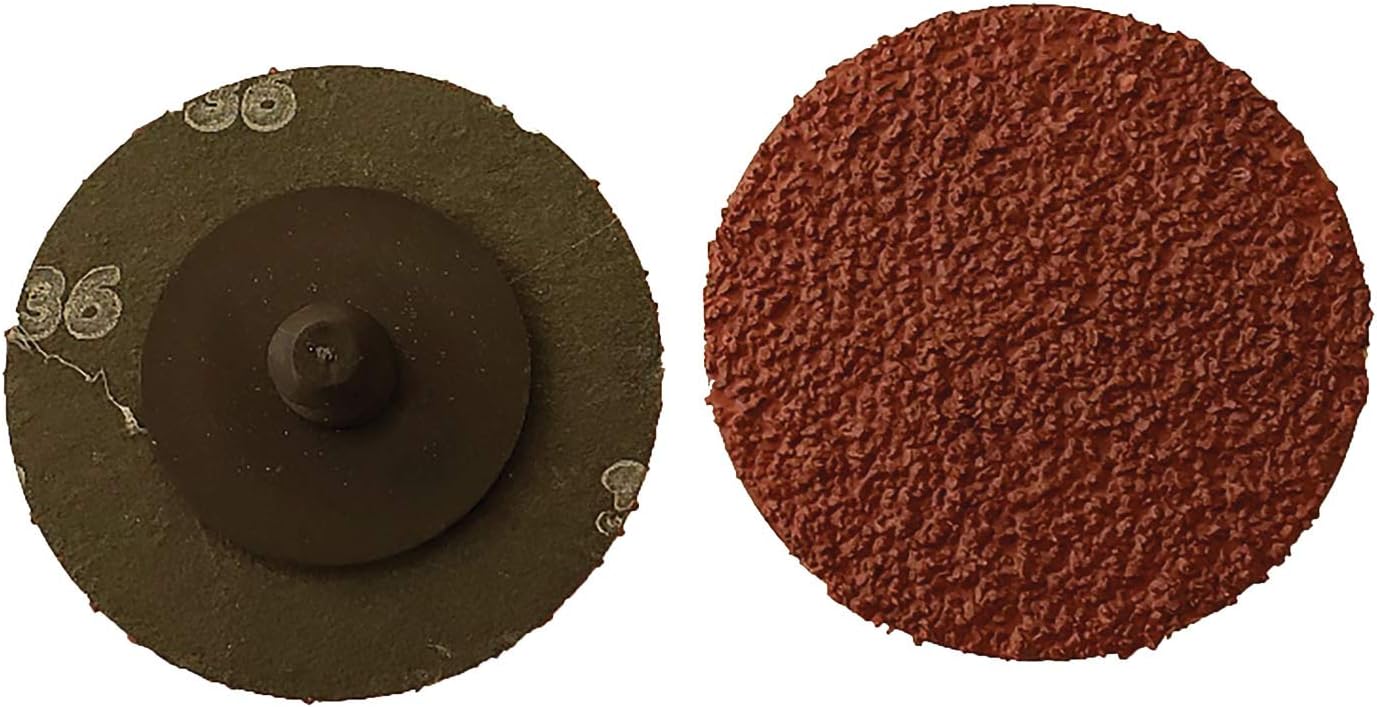 Representative Photo, actual item may vary
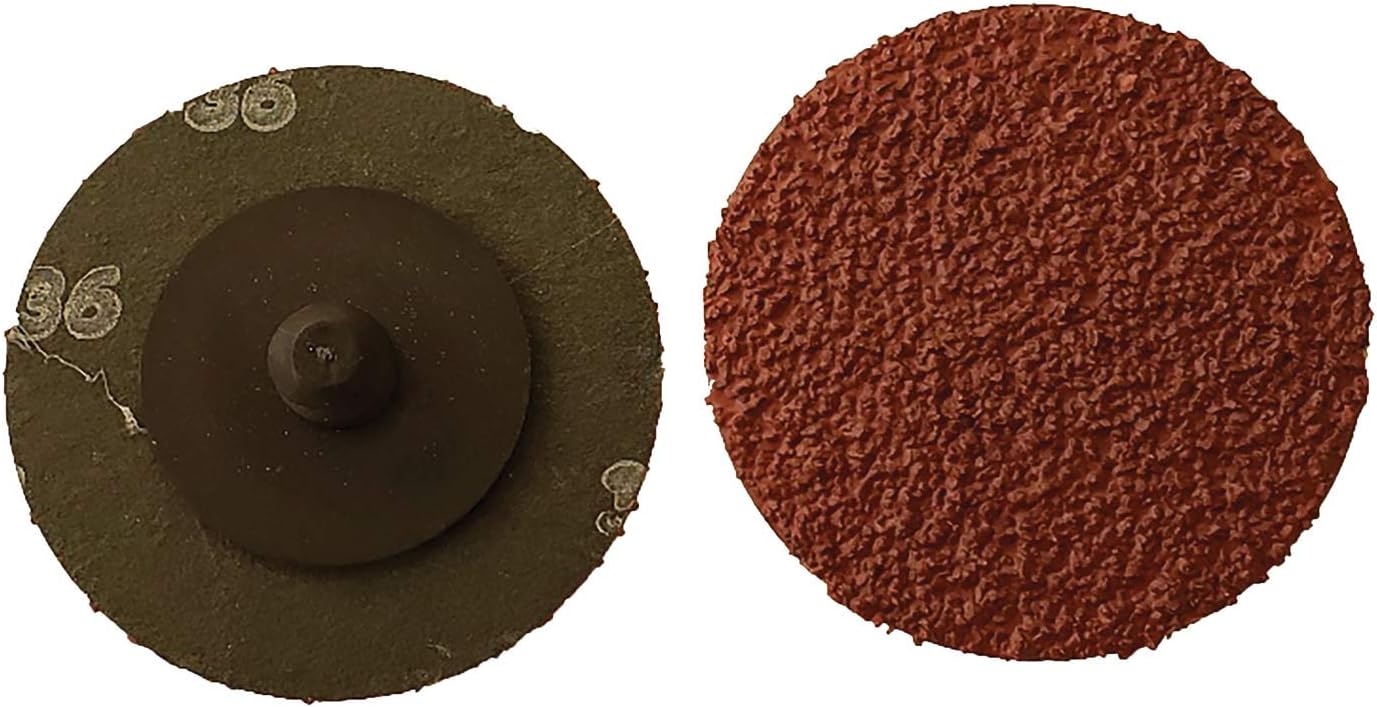 Representative Photo, actual item may vary
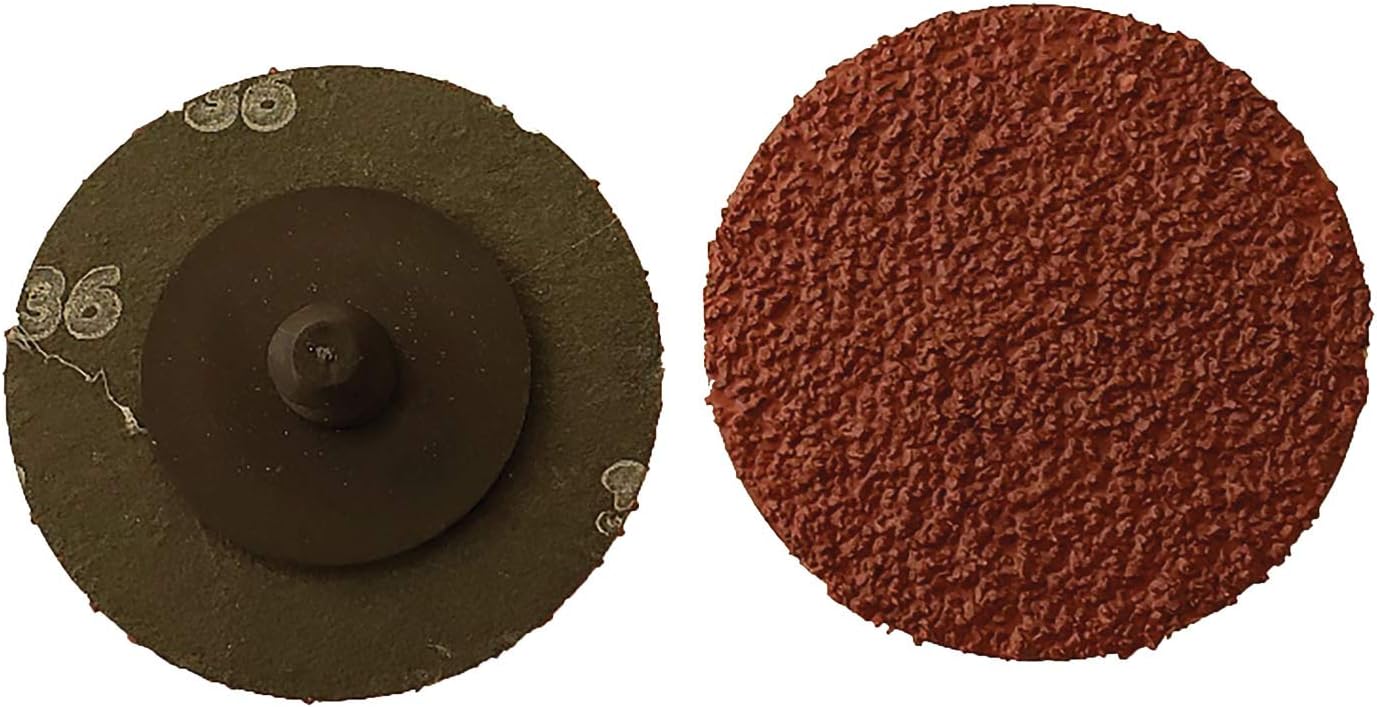 Representative Photo, actual item may vary
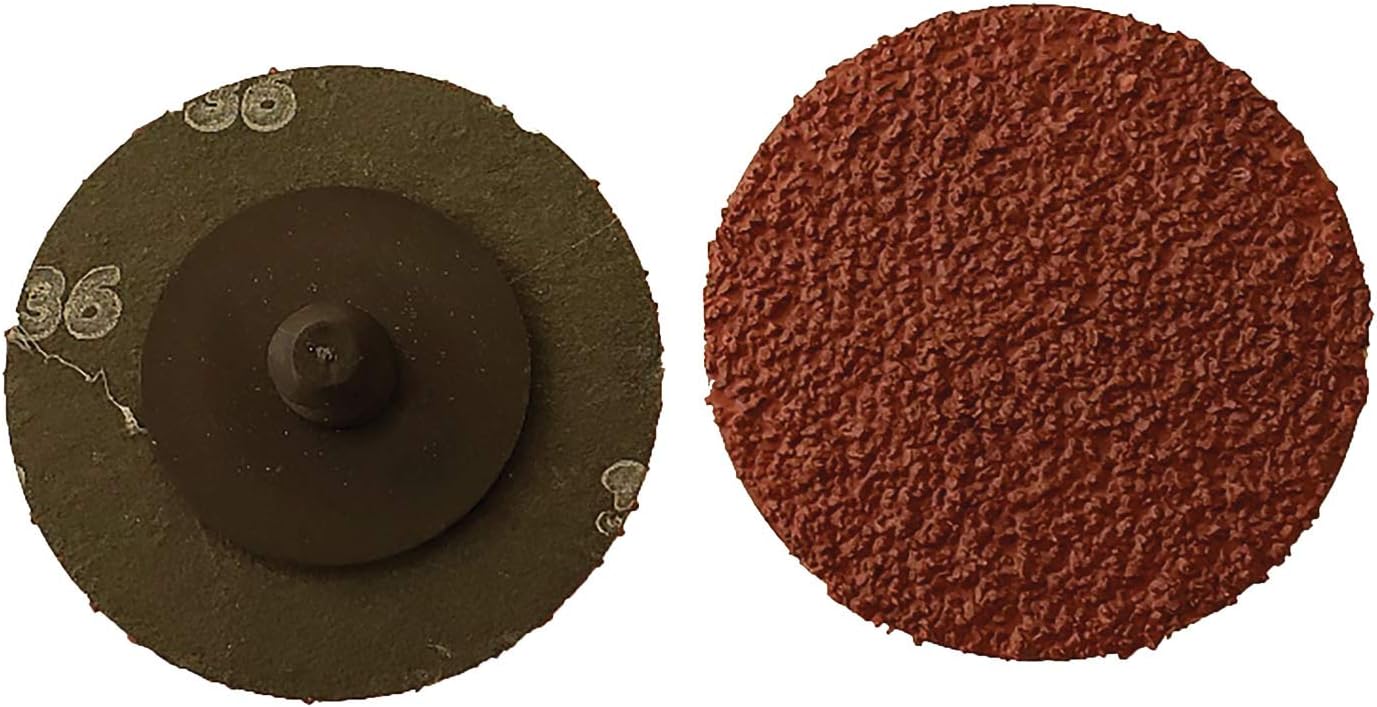 Representative Photo, actual item may vary
Gemtex Abrasives 20150500 5" x 7/8" 60 Grit Fiber Disc Red Aluminum Oxide 25-Pack


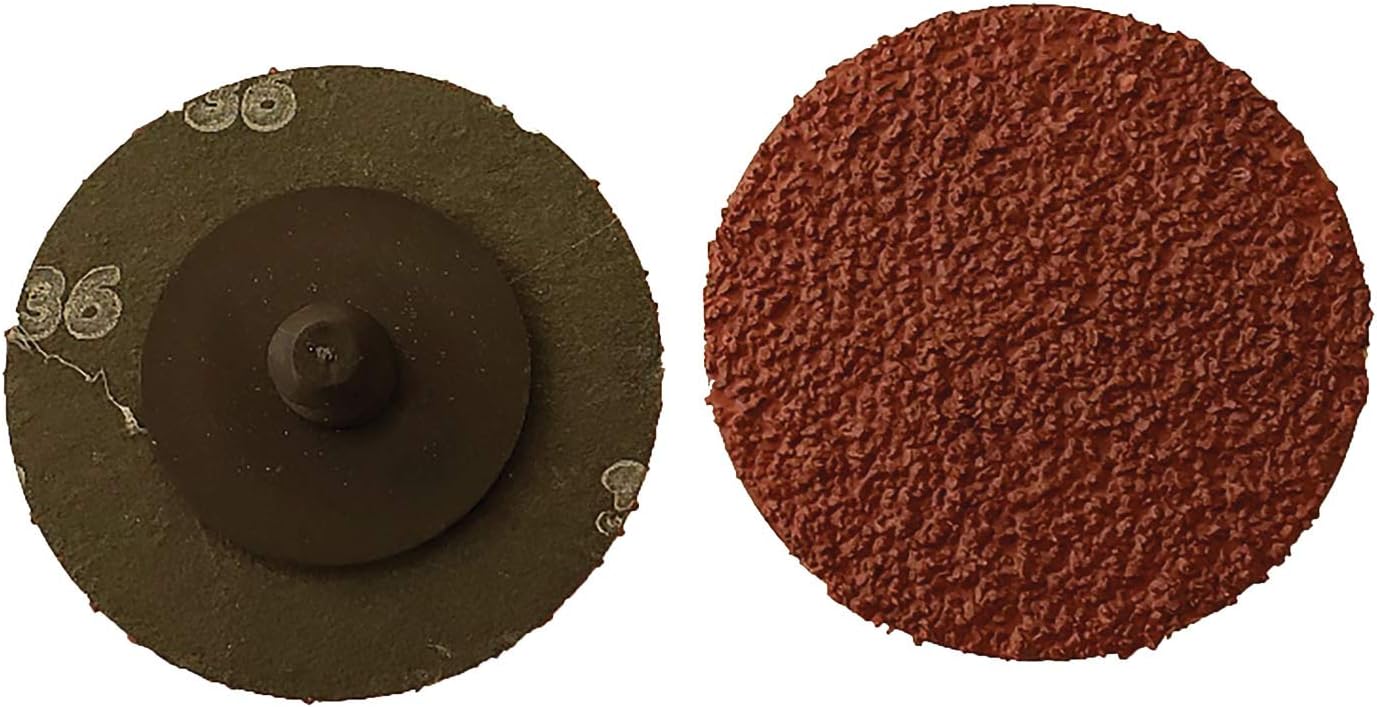 Representative Photo, actual item may vary
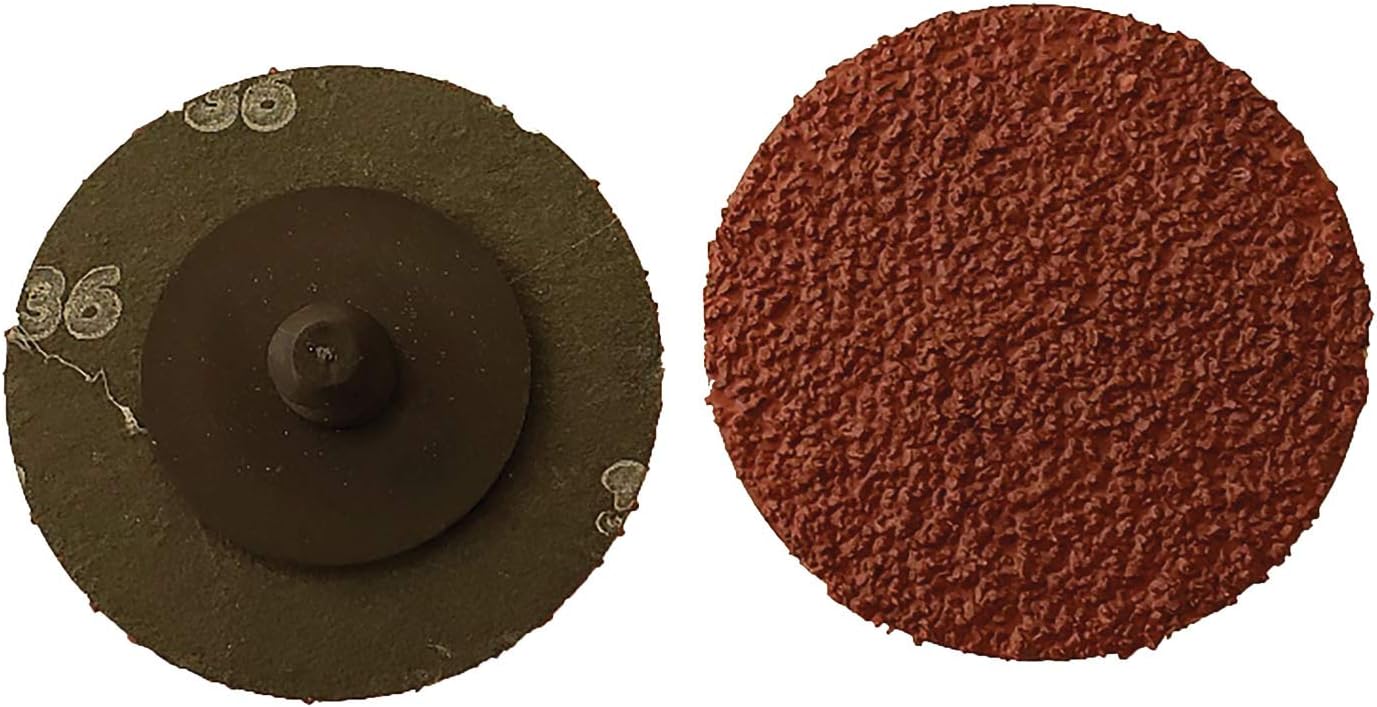 Representative Photo, actual item may vary

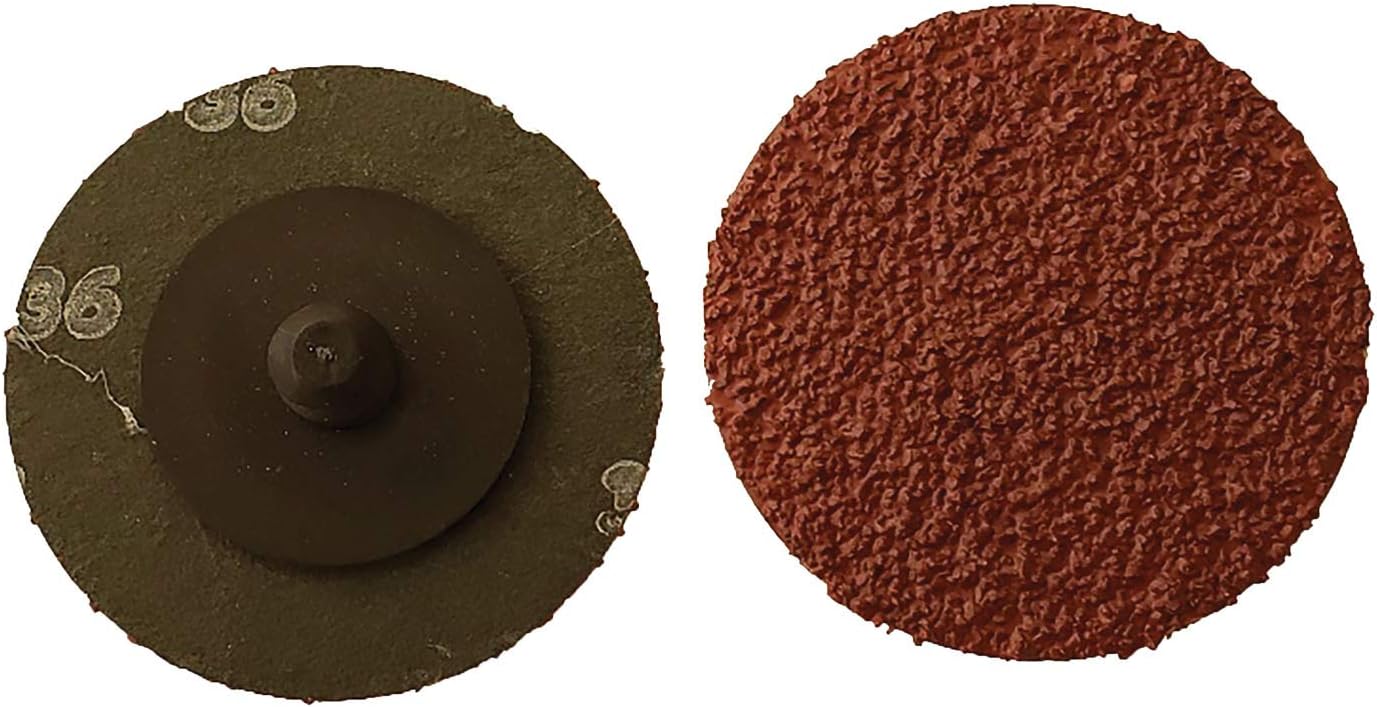 Representative Photo, actual item may vary
Gemtex Abrasives 35889 Surf Prep 7x7/8 Very Fine Gray Surface Conditioning Disc 50-Pack





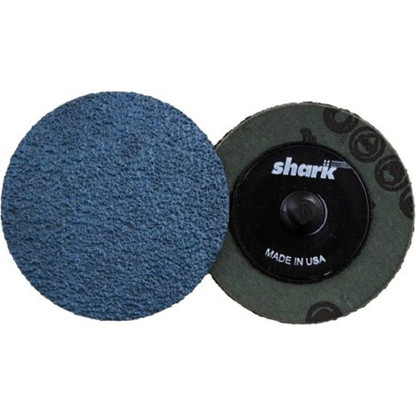 Representative Photo, actual item may vary
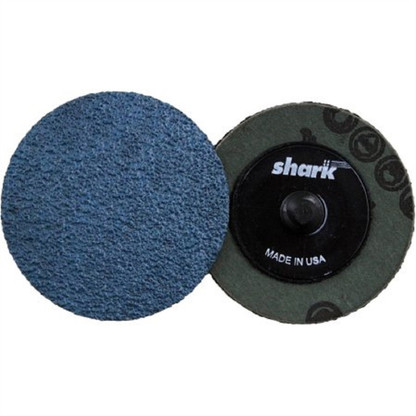 Representative Photo, actual item may vary
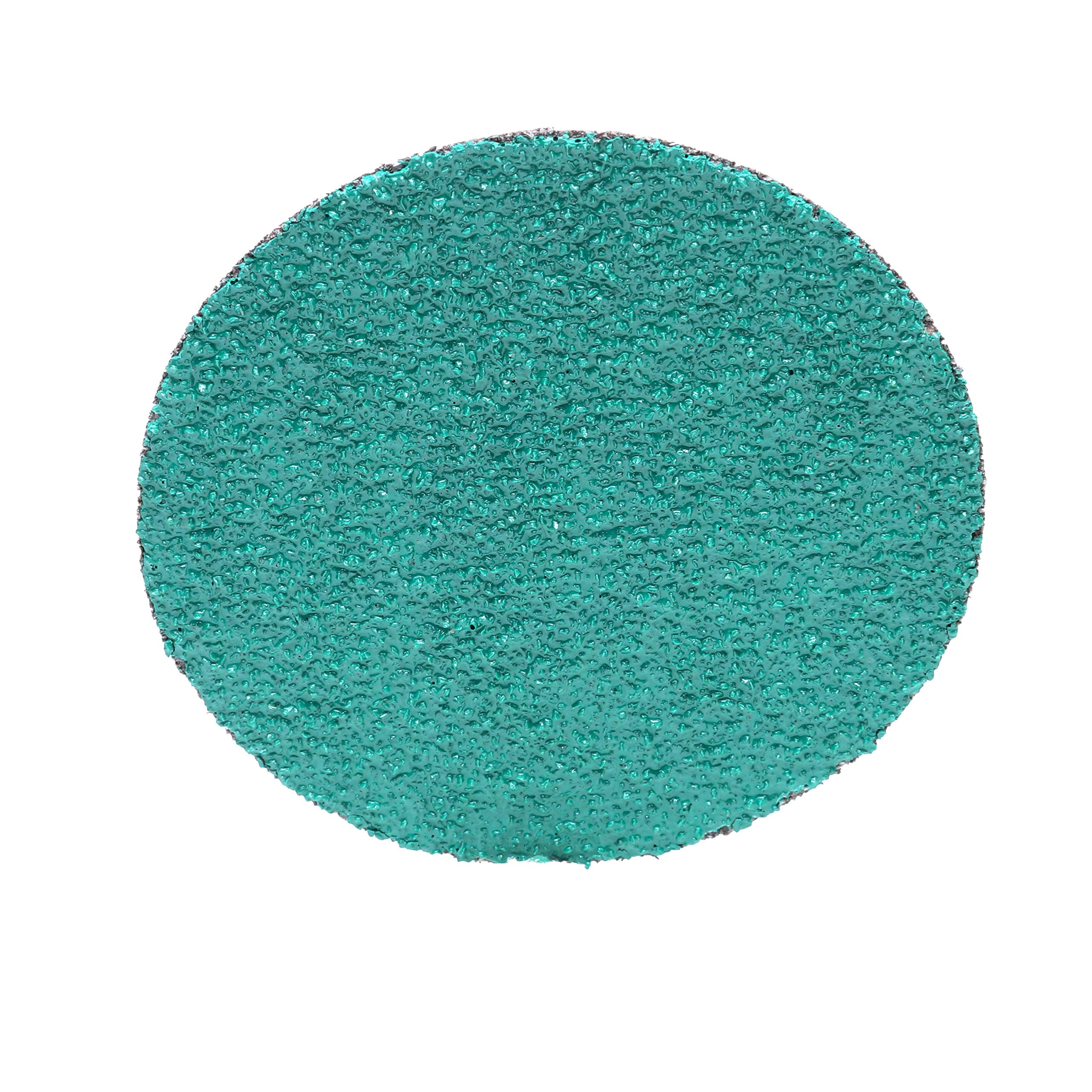 Representative Photo, actual item may vary

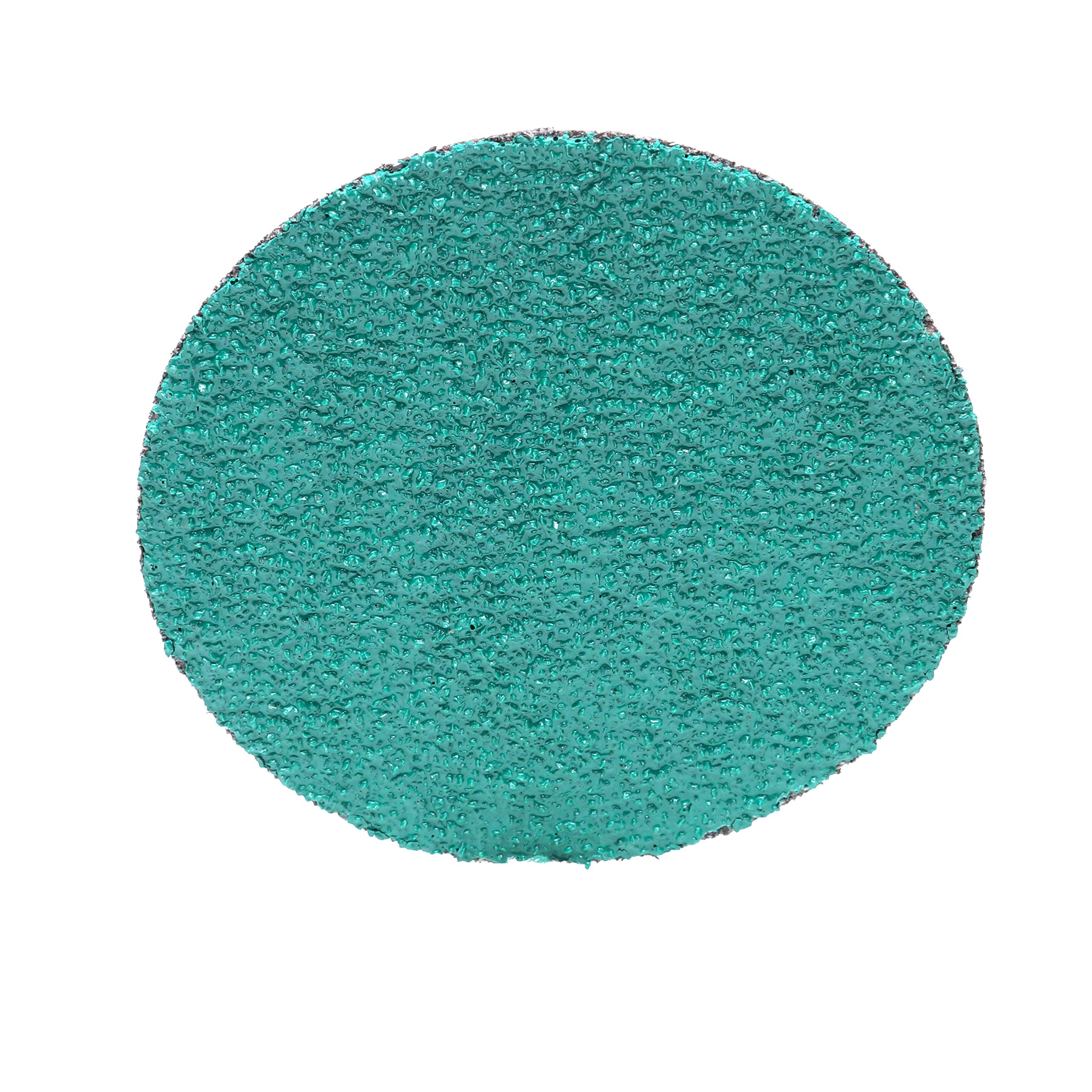 Representative Photo, actual item may vary
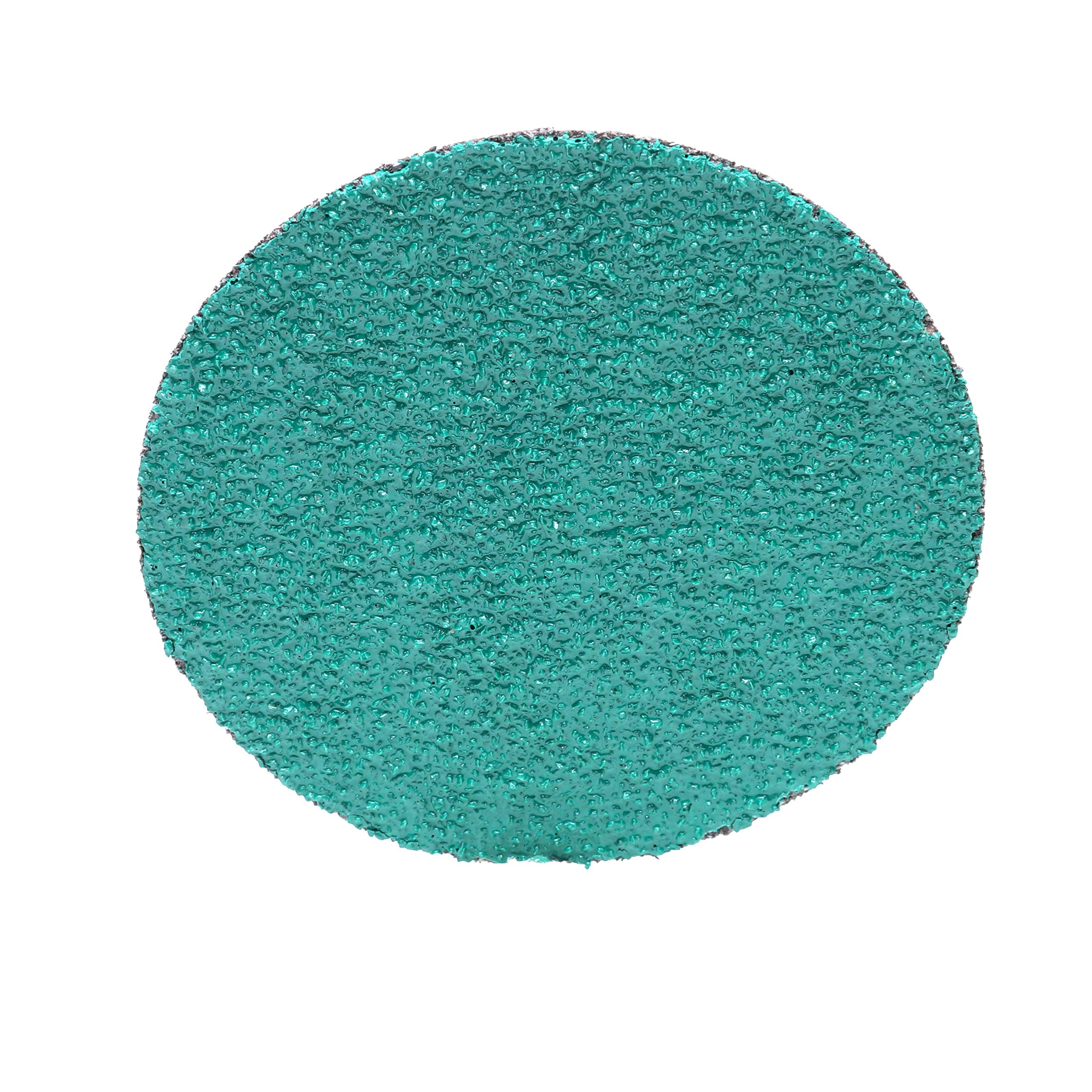 Representative Photo, actual item may vary
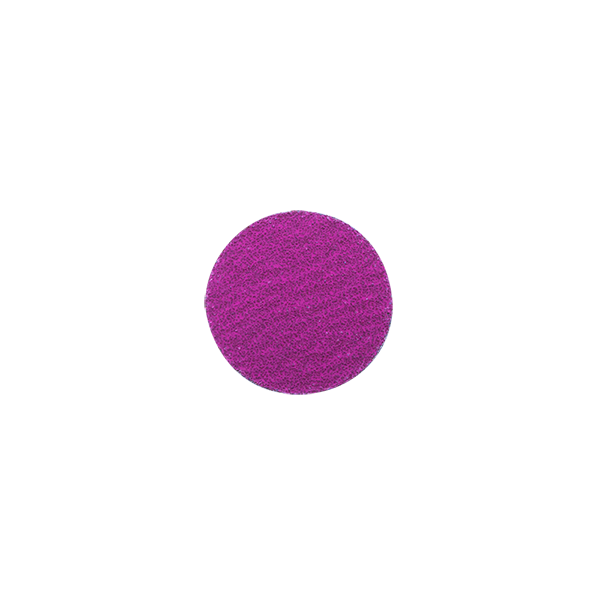 Representative Photo, actual item may vary


 Representative Photo, actual item may vary
What Are Grinding Discs and Why Do They Matter?
Whether you're leveling a weld on a chassis, removing rust from a frame rail, or shaping metal for a custom fabrication project, the right grinding disc separates clean, precise work from slow, frustrating results. Grinding discs are abrasive wheels designed to attach to angle grinders and similar power tools, removing material through controlled abrasion. They come in a wide range of grit levels, grain types, disc profiles, and backing materials — each combination optimized for a different task and substrate.
Grit size is the most fundamental selection factor. Coarser grits (24–40) excel at heavy stock removal, weld leveling, and aggressive shaping, while finer grits (60–120+) are suited to blending, surface finishing, and prepping metal for coating or paint. The grain material matters just as much: aluminum oxide offers reliable everyday performance on carbon steel, zirconia alumina delivers improved cut rates and durability under pressure, and ceramic grain represents the current high-water mark — staying sharper longer, running cooler, and removing material faster than earlier generations of abrasive.
Disc geometry is another key consideration. Type 27 (flat/depressed center) discs are the standard choice for flat surface grinding, while Type 29 (conical) discs allow for more aggressive stock removal at an angle. Resin fiber discs, flap discs, and quick-change discs each serve specific applications — flap discs, for instance, grind and blend in a single pass, saving time on multi-step jobs.
Top Brands in Grinding Discs
Norton is one of the most respected names in the abrasives industry. Founded in 1885 and now a brand of Saint-Gobain, Norton has spent over a century developing abrasives for applications ranging from autobody to aerospace. Their grinding disc lineup includes everything from everyday aluminum oxide depressed center wheels to the advanced RazorStar ceramic fiber disc line, which features engineered shaped ceramic grain designed for cooler cuts and exceptional material removal across carbon steel, stainless steel, aluminum, and nickel alloys.
WEILER is widely regarded as a leader in high-performance abrasive products for demanding metalworking environments. Their Tiger product family — including Tiger Type 27 grinding wheels, Tiger Paw flap discs, and Tiger 3D MAX ceramic resin fiber discs — is engineered for heavy-duty applications like weld removal, pipeline work, and shipbuilding fabrication, where disc life and cut rate directly affect productivity.
Shark Industries offers a practical, value-oriented selection of grinding discs well-suited for shop and garage use. Their discs are a solid go-to choice for general-purpose metalworking, surface preparation, and deburring tasks where consistent performance at an accessible price point is the priority.
CGW Abrasive is a globally established manufacturer with roots going back to 1956. CGW produces a broad range of bonded and coated abrasive products — including depressed center grinding wheels, flap discs, and resin fiber discs — available across a wide variety of grain types (aluminum oxide, zirconia, ceramic) and grit sizes. Their extensive catalog depth makes them a reliable source when you need a specific disc spec for a particular job.
Key Considerations When Choosing a Grinding Disc
- Material compatibility: Match the abrasive grain to your workpiece. Aluminum and stainless steel require contaminant-free, cool-cutting discs to avoid heat discoloration or contamination.
- Grit selection: Start coarser for material removal and step up in grit for finishing and blending.
- Disc type and profile: Choose flat (Type 27) for surface grinding, conical (Type 29) for aggressive angle work, and flap discs when you want to grind and finish in one step.
- Tool compatibility: Always verify the disc's arbor size, maximum RPM rating, and diameter match your angle grinder's specifications.
- Disc life vs. cut rate: Premium ceramic grain discs cost more upfront but often deliver a lower cost-per-use through faster material removal and longer service life.