


Fender Patch Panel

Sherman 579B-59L Left Rear Fender Upper Wheel Arch Panel 2004-2008 Dodge Ram Pickup





Keystone RRP121 Lower Rear Fender Repair Panel Driver Side 12.25 x 12.25 Inch


Sherman 727-36L Left Hand Rear Lower Fender Section 1955 Chevrolet Steel 19 Gauge

Sherman 734-36AR Front Fender Rear Lower Section Patch Panel Right Hand 1964 Chevrolet

Goodmark GMK403219068R Lower Fender Patch Panel Rear Section 1968-1969 Chevelle El Camino

Goodmark GMK4033190702R Front Fender Patch Panel Right Lower 1970-1972 Chevelle
 Representative Photo, actual item may vary

Fortgress Auto Int'l FD92-164R-0R Ford F-Series Rear Fender Patch Panel RH 1987-1998
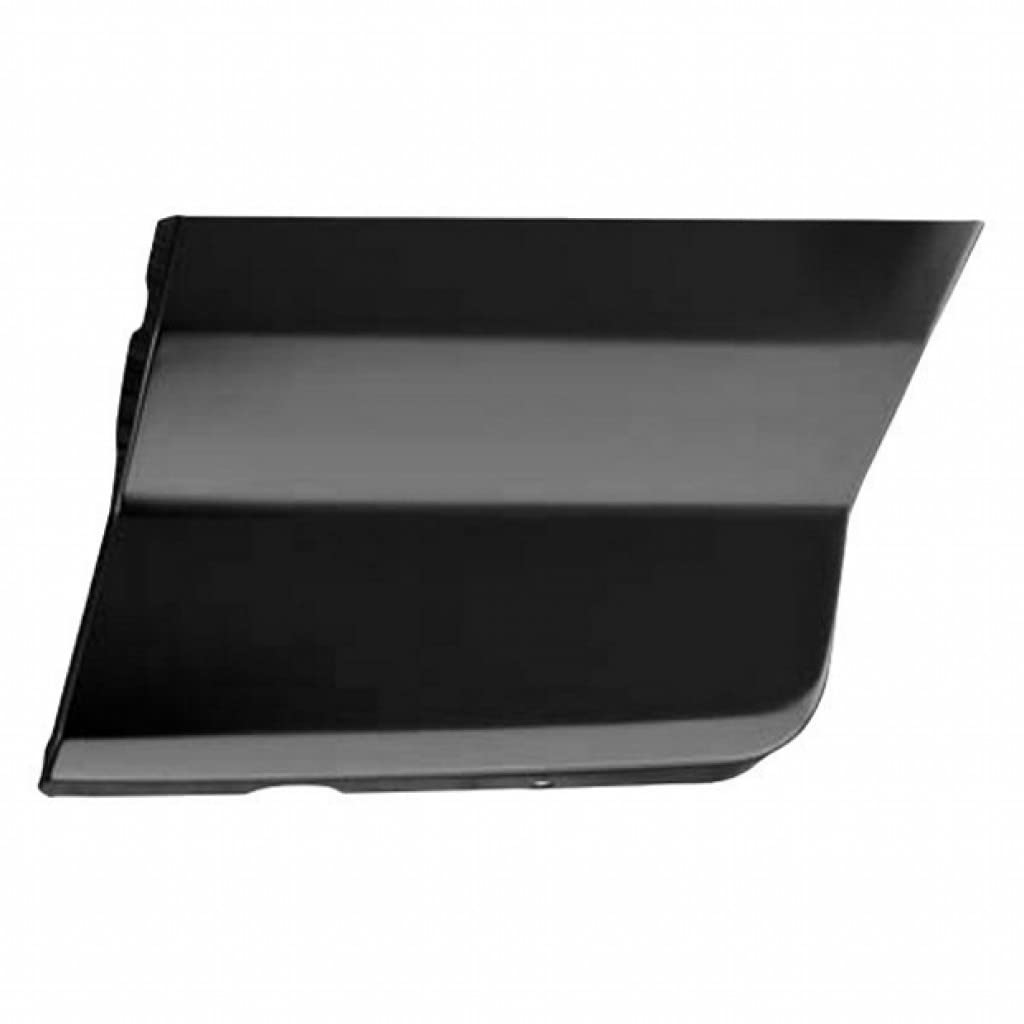 Representative Photo, actual item may vary
Fortgress Auto Int'l CVD0-164R-0L Chevrolet Van Rear Fender Patch Panel Left 1971-1995

Goodmark GMK403319070R Front Fender Lower Rear Patch Panel Section - Passenger Side


Sherman 897-36L Left Hand Front Fender Lower Rear Section for Chevy C/K Pickup & Blazer/Jimmy

Sherman 896-36R Front Fender Lower Rear Section Patch Panel - Right/Passenger Side


Sherman 577-60R Right Rear Fender Panel Lower Section Ford F150 F250 F350

Sherman 674A-24AR Right Rear Fender Section for Cadillac CTS/CTS-V
 Representative Photo, actual item may vary
 Representative Photo, actual item may vary
Replacement KIT-30715-39 Front Fender & Wheel Arch Repair Panel Kit RH & LH 4-Piece
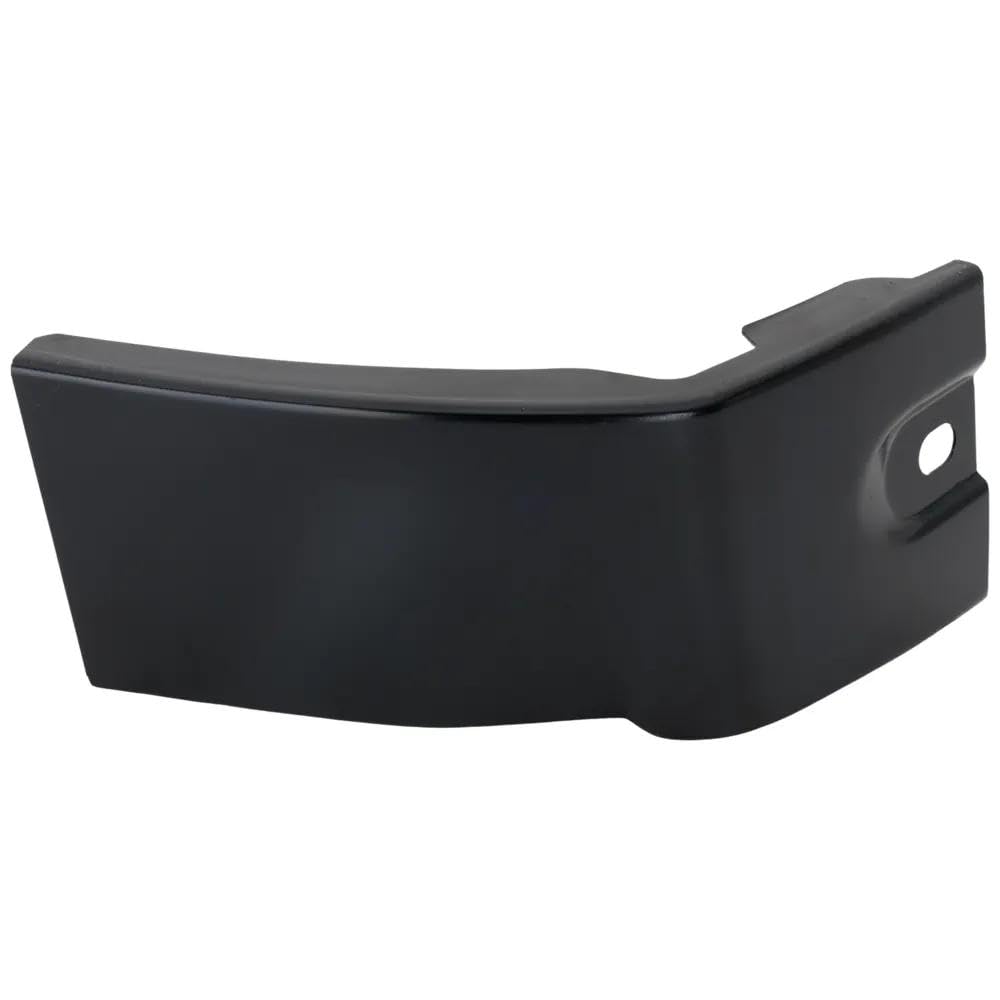 Representative Photo, actual item may vary
J.C. Whitney JC22010012 Rear Fender Patch Panel Lower Rear Section Left Hand
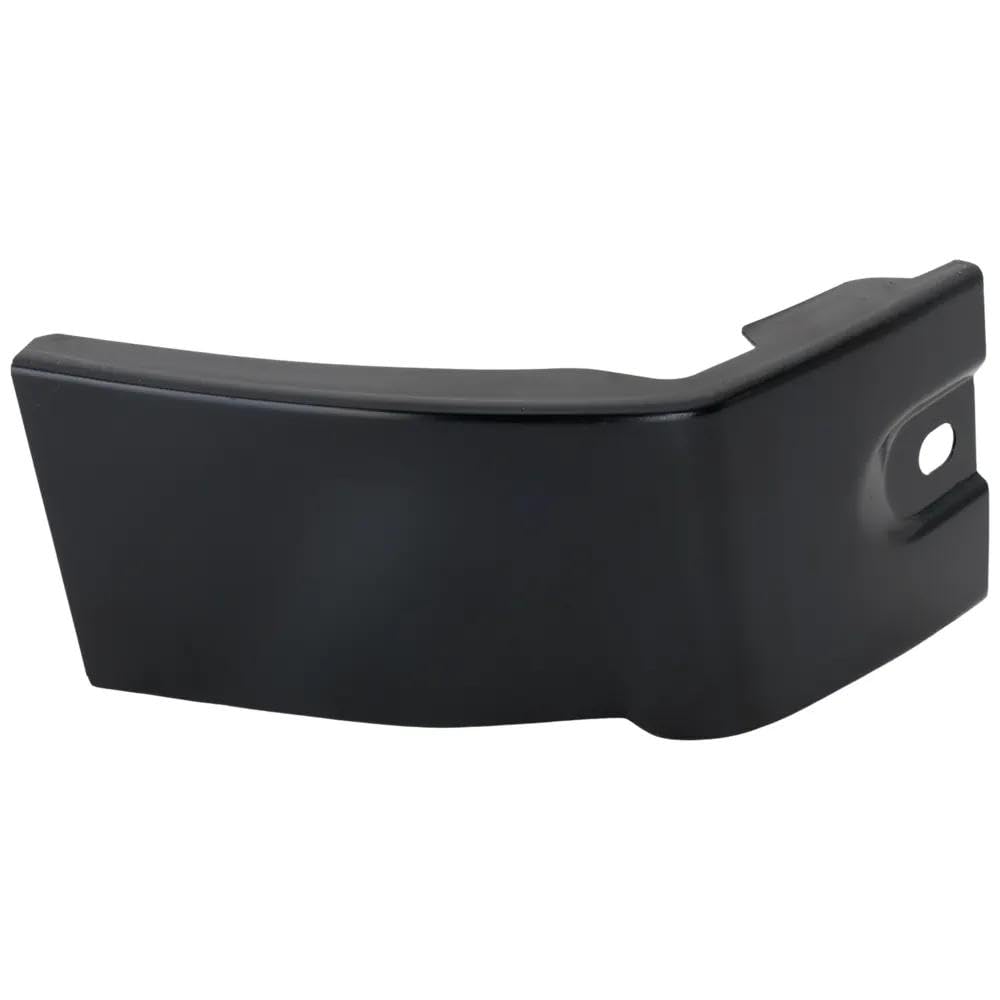 Representative Photo, actual item may vary

J.C. Whitney JC22380001 Front Fender Lower Patch Panel Passenger Side OE Replacement

J.C. Whitney JC22010013 Front Fender Lower Front Repair Patch Panel RH Passenger Side
What Is a Fender Patch Panel?
Fender patch panels are pre-formed steel sections designed to replace only the damaged or rusted portion of a vehicle's fender — without requiring a full panel swap. Rather than replacing the entire fender, a patch panel targets the problem area directly, saving time, money, and unnecessary metalwork. Rust repair panels, as they are also known, are often a small section of a bigger body panel, allowing the most commonly corroded zones — such as wheel arches and lower fender edges — to be replaced selectively.
Why Fender Patch Panels Matter
Fenders are among the most vulnerable body panels on any vehicle. Fender rust and damage are common problems, especially in older vehicles or in regions with harsh winters that rely on road salt. Over time, rust compromises the integrity of the metal, leading to holes and weakened structural components. Patch panels don't just restore looks — they also provide structural integrity, since a vehicle with a weakened body is more susceptible to further damage.
Compared to filling rust with body putty, a welded-in patch panel offers a far more durable, long-term solution. Properly installing a fender patch panel is a reliable way to eliminate rust, strengthen the vehicle's frame, and maintain its aesthetic appeal — and when done correctly, the repaired area is virtually indistinguishable from the original sheetmetal once primed and painted.
How Fender Patch Panels Work
Installation requires basic welding skills and hand tools. The rusted or damaged section is cut away cleanly, the patch panel is fitted and aligned to match the original body contour, then MIG or TIG welded into place. After grinding the welds smooth and applying a thin skim coat of filler, the surface is ready for paint. Pre-formed, vehicle-specific panels make this process far more manageable for both professional body shops and committed DIYers, since they arrive already shaped to match the curves and body lines of your specific make and model.
What to Look for When Shopping Fender Patch Panels
- Vehicle-specific fitment: Always match the patch panel to your exact year, make, and model to minimize trimming and fitting time.
- Steel gauge and quality: Look for stamped steel panels made to OEM thickness specifications for proper weld strength and durability.
- Pre-formed contours: Panels contoured to match the original fender curvature reduce installation time and produce cleaner results.
- Corrosion protection: Some panels feature EDP (electrodeposition) coatings or primer-ready finishes that help resist future rust.
Top Brands in Fender Patch Panels
When it comes to fender patch panels, Sherman stands out as a go-to name for both restorers and collision repair professionals. Founded in 1981, Sherman has become a trusted name in the collision-repair and restoration world, supplying everything from fenders to floor pans — all with OEM-level fit and quality. Their fender patch panels are manufactured by experienced automotive stampers, many of whom also supply OEM parts, and are engineered for a precise fit and factory-correct finish across a wide range of vehicles spanning models from as far back as 1949 through current production years.