


Engine Valve Lifter Guide
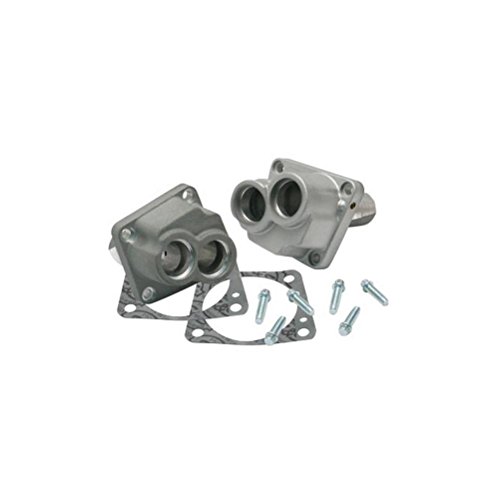 Representative Photo, actual item may vary
S&S Cycle 106-5428 Chrome Billet Tappet Guides for V-Series and SA Crankcases


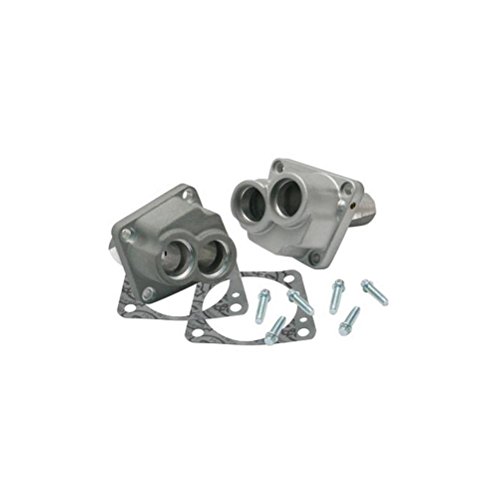 Representative Photo, actual item may vary


 Representative Photo, actual item may vary


S&S Cycle 33-5301 Natural Cast Tappet Guides for V-Series Stock & Super Stock Crankcases
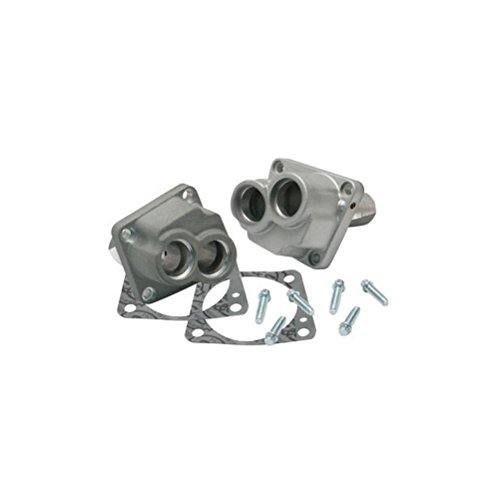 Representative Photo, actual item may vary
S&S Cycle 106-3005 Billet Tappet Guide Set Chrome Special Application Crankcase 1984-1999 Big Twin
 Representative Photo, actual item may vary
 Representative Photo, actual item may vary
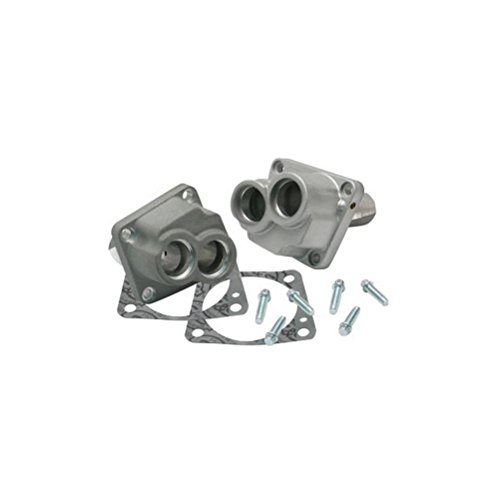 Representative Photo, actual item may vary
 Representative Photo, actual item may vary

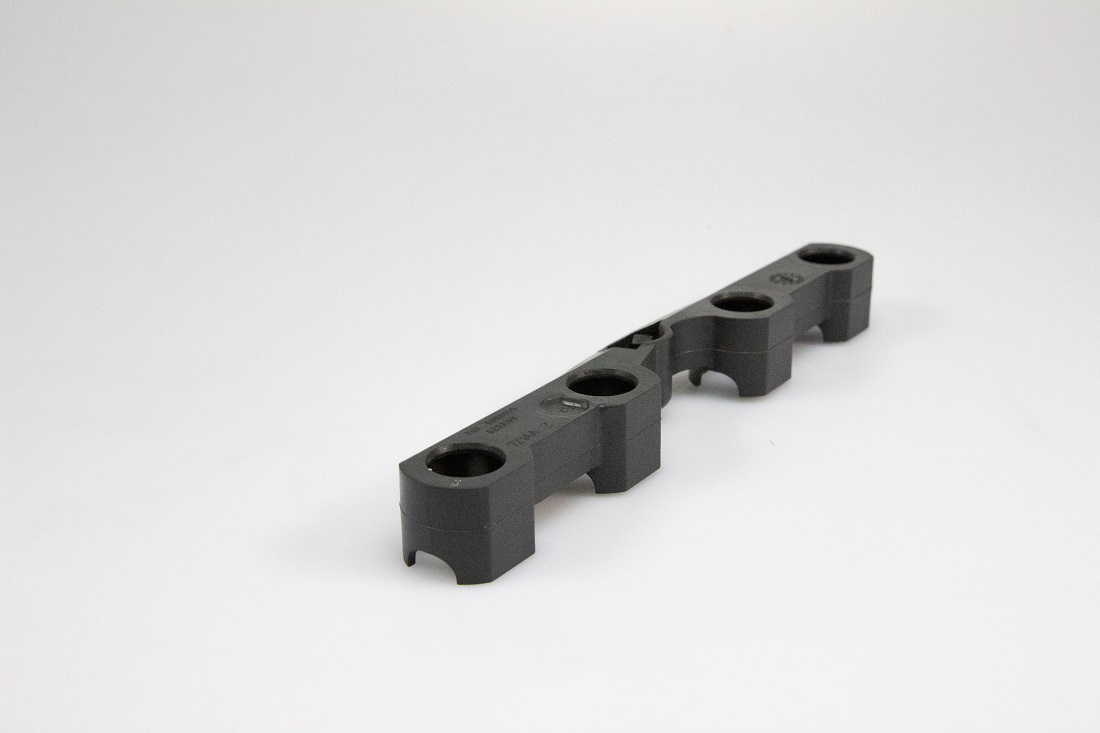 Representative Photo, actual item may vary


GM Performance 12551397 Hydraulic Roller Lifter Guide for Big Block Chevy 7.4L/8.2L





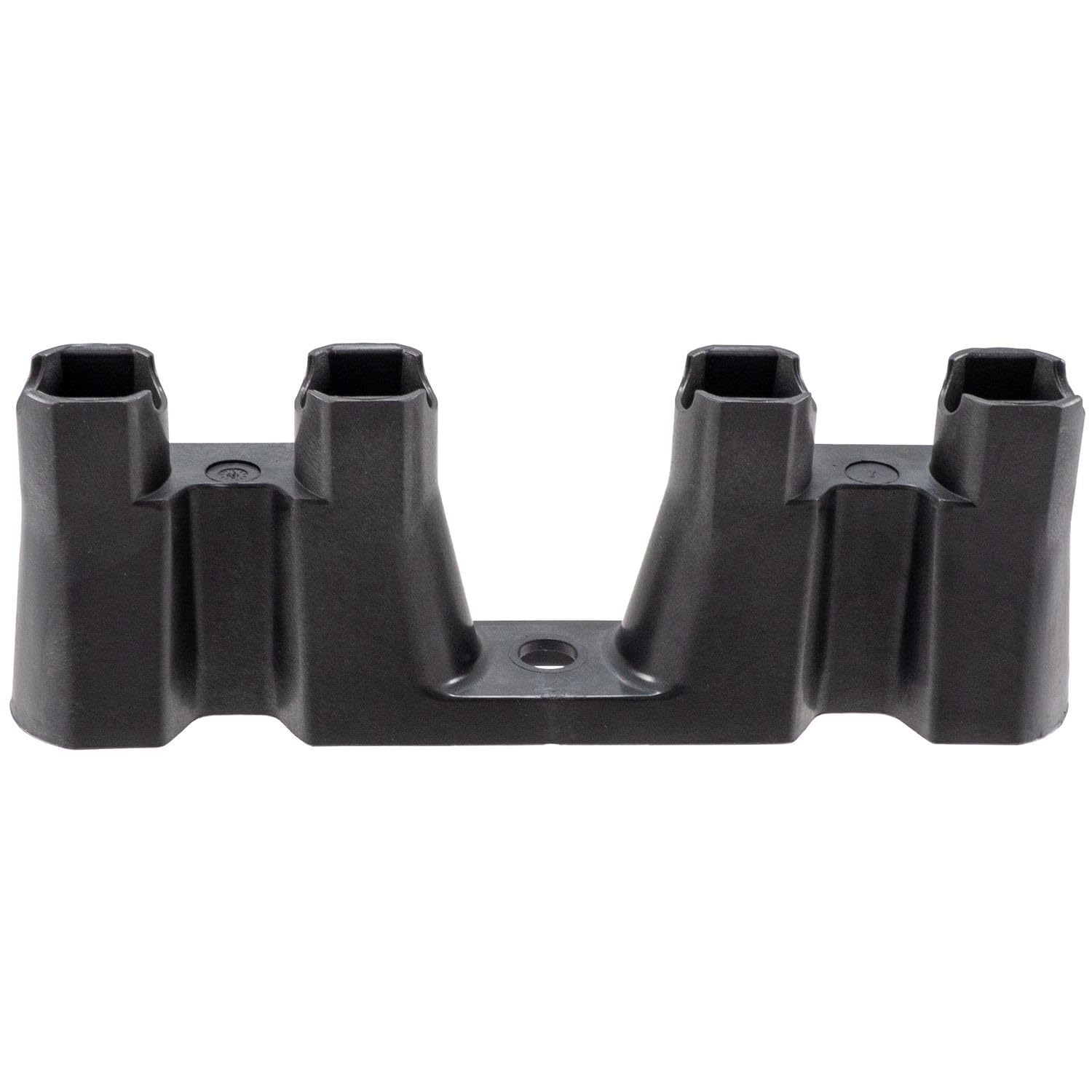 Representative Photo, actual item may vary
 Representative Photo, actual item may vary


 Representative Photo, actual item may vary


 Representative Photo, actual item may vary

What Is an Engine Valve Lifter Guide?
Deep inside a pushrod engine's block, valve lifters do critical work on every firing stroke. Engine valve lifter guides are the retaining components that keep those lifters properly oriented and aligned within their bores. Without a functioning lifter guide, individual lifters can rotate out of position — a problem that becomes especially serious with roller lifters, where the roller must stay in precise contact with the camshaft lobe to avoid catastrophic wear.
Engine valve lifter guides are found in the lifter valley of the engine block, holding each lifter in a fixed rotational position. This is particularly important because, as noted by engine builders, the lifter-to-cam interface is one of the highest-stress contact points in the engine, with the lobed camshaft rhythmically pressing against each lifter to transfer motion up through the pushrods and rocker arms to open and close the valves. Any misalignment at that contact point accelerates wear on both the lifter face and the cam lobe.
Why Lifter Guides Matter for Engine Health
Valve lifters help control the combustion process by ensuring intake and exhaust valves open and close at precisely the right moments. Proper valve timing is critical for efficient combustion, directly affecting power output, fuel efficiency, and emissions. A worn or broken lifter guide can allow a lifter to spin or walk sideways in its bore, destroying the carefully engineered contact geometry between the lifter and cam lobe.
This issue is amplified in engines equipped with Active Fuel Management (AFM) or Multi-Displacement System (MDS) cylinder deactivation technology, where special collapsing lifters must cycle in and out of operation on demand. In these applications, lifter guides serve the additional role of keeping deactivating lifters indexed to their oil passages and solenoid actuators — making a quality replacement guide essential any time the valve train is serviced.
When to Replace Your Valve Lifter Guide
Lifter guides should always be inspected whenever the valve train is accessed for a cam swap, lifter replacement, or engine rebuild. Signs of a failed lifter guide include rhythmic ticking or tapping synchronized with engine RPM, uneven cam lobe wear, or visible damage to the guide itself when the valley cover is removed. Because the lifter-to-cam break-in wear pattern is established in the first moments of operation, installing new lifters with a worn or broken guide risks ruining both components immediately.
- Inspect guides any time lifters are removed or replaced
- Replace guides showing cracks, deformation, or excessive wear at the lifter bores
- Always replace guides when upgrading to a roller cam and lifter set
- On AFM/MDS engines, confirm guide integrity before reinstalling deactivation lifters
Top Brands for Engine Valve Lifter Guides
When it comes to valve train components, few names carry more weight than Melling. As a longtime OEM supplier and aftermarket specialist, Melling engineers their valve lifter guide offerings — such as the MLG100, MLG101, and MLG102 — to meet or exceed original equipment specifications for a wide range of domestic applications. Their lifter guides are manufactured to tight tolerances, ensuring proper lifter retention and alignment whether you're doing a stock rebuild or stepping up to a performance camshaft.