


Alternator Bearing


Timken Bearings 203F Deep Groove Ball Bearing with Seal, 0.67" Bore x 1.57" OD





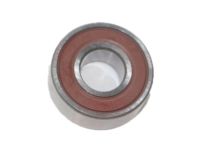 Representative Photo, actual item may vary


What Is an Alternator Bearing and Why Does It Matter?
Alternator bearings are precision-engineered components that sit at the heart of your vehicle's charging system. Alternator bearings are critical components that facilitate the smooth transmission of mechanical energy while minimizing friction, ensuring the efficient operation of the alternator as it converts mechanical energy into electrical power for the vehicle's battery and electrical systems. Without a healthy bearing, the rotor shaft cannot spin freely — and without a spinning rotor, your alternator cannot generate the electricity your car depends on for everything from headlights to the ignition itself.
Drive End and Non-Drive End: Two Bearings, One Mission
Most alternators rely on two deep groove ball bearings mounted on the rotor shaft. The bearing on the drive end (the pulley side) absorbs the load from serpentine belt tension and high rotational speeds, while the bearing on the non-drive end, or commutator end, supports the opposite side of the rotor. Both positions must be functioning correctly for the alternator to operate efficiently. These bearings are engineered to withstand demanding conditions — high variable loads from belt tension, rotational speeds up to 20,000 RPM, ambient temperatures exceeding 120°C, and cold starts as low as -40°C.
Signs of a Failing Alternator Bearing
Because alternator bearings operate in a harsh environment, they do wear over time. Catching failure early can save you from a much larger repair bill. Common warning signs include:
- A persistent whining or grinding noise from the engine bay, especially under electrical load
- Flickering or dimming headlights and dashboard warning lights
- A discharged or underperforming battery
- Reduced alternator output voltage (a healthy alternator typically produces 13.5–14.5 volts at idle)
A faulty bearing can also damage the alternator, serpentine belt, and other components, resulting in costly repairs — so addressing the issue promptly is always the smarter move.
Choosing the Right Alternator Bearing
Not all bearings are created equal. Selecting a high-quality replacement bearing matters enormously for longevity, noise reduction, and charging system reliability. Two of the most trusted names in this space are SKF and Timken Bearings.
SKF is a Swedish bearing manufacturer founded in 1907 and one of the world's foremost authorities on bearing design and engineering. SKF has invested heavily in alternator-specific bearing development, including a proprietary bearing steel alloy (SKF 3M) with added molybdenum for improved structural strength, wear resistance, and dimensional stability under the vibration and variable loads unique to alternator applications. Their alternator bearings are available for on- and off-road use, designed for all weather conditions, and engineered to meet or exceed OE manufacturer standards.
Timken Bearings, with more than a century of engineering heritage, brings precision tolerances and proprietary internal geometries to its alternator bearing lineup. Timken offers an extensive catalog of alternator replacement bearings — including deep groove ball bearing designs with double seals for superior contamination protection — covering a wide range of domestic and import vehicles. Their bearings are a trusted choice for DIY rebuilders and professional technicians alike who need OE-level reliability and broad vehicle coverage.
DIY Replacement: What to Know
Replacing alternator bearings is a viable option for the dedicated home mechanic. The process involves disassembling the alternator housing, pressing out the old bearings using appropriate tools, and pressing in the new ones. While in there, it's also worth inspecting the brushes and voltage regulator, as these components share the same service interval. Using a quality, name-brand bearing is key — the precision and material quality of the replacement bearing directly determines how long your rebuilt alternator will last.