


Multi Purpose Sensor
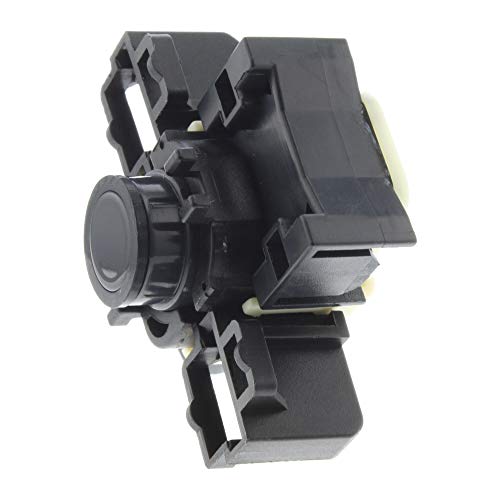 Representative Photo, actual item may vary

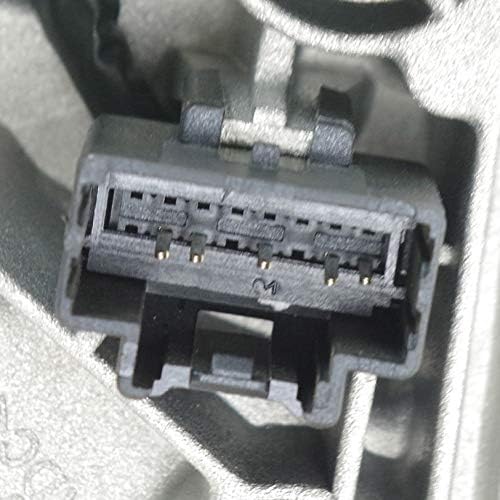 Representative Photo, actual item may vary


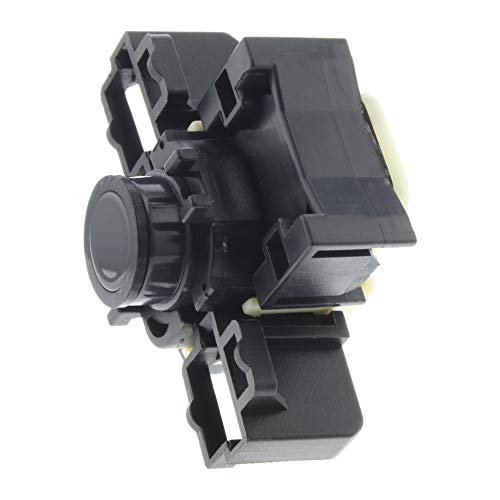 Representative Photo, actual item may vary
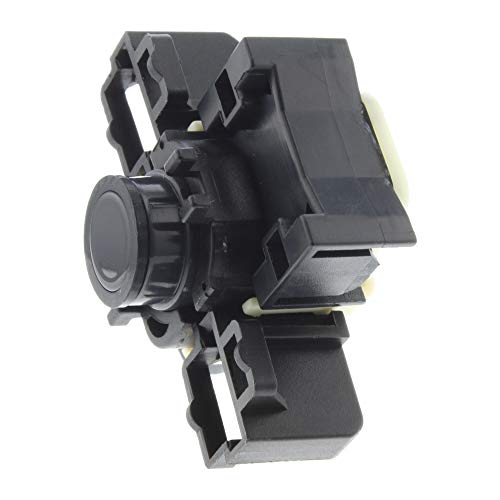 Representative Photo, actual item may vary
 Representative Photo, actual item may vary


 Representative Photo, actual item may vary
What Are Multi Purpose Sensors?
Modern vehicles rely on a dense network of sensors to monitor, regulate, and communicate conditions across nearly every system — from the engine and transmission to the body and safety electronics. Multi purpose sensors occupy a unique place in this ecosystem: rather than serving a single, narrowly defined role, they are designed to monitor multiple parameters or serve across several vehicle systems, consolidating functionality and reducing the complexity of a vehicle's electrical architecture.
These sensors sit within the broader Sensors category under Electrical, Lighting, and Body, and they're called upon when a vehicle needs a single component to do the work of several. Depending on the application, a multi purpose sensor may simultaneously track temperature, pressure, position, or electrical signal states — relaying that data to the vehicle's ECU or other control modules so the powertrain, fuel system, or safety systems can respond accordingly.
Why Multi Purpose Sensors Matter
Automotive sensors are used for many different purposes, such as regulating air-fuel mix, measuring tire pressure, or deploying airbags in the event of a crash. As vehicles have grown more complex, the expectation placed on individual components has grown too. In recent years, new automotive features have required use of additional sensors, such as adaptive cruise control and lane departure warnings. Multi purpose sensors help manage this expanding demand without multiplying the number of separate components that need to be installed, diagnosed, or replaced.
When a multi purpose sensor fails, it can trigger a cascade of seemingly unrelated symptoms — a check engine light, erratic idle, poor fuel economy, or failed emissions tests. Because these sensors serve cross-system roles, diagnosing and replacing them promptly is critical to restoring proper vehicle operation. Choosing a quality replacement part is equally important: a sensor that doesn't meet OEM specifications can introduce new problems or leave the root issue unresolved.
What to Consider When Shopping Multi Purpose Sensors
- Vehicle compatibility: Always verify the sensor is designed for your specific year, make, model, and engine configuration.
- OEM vs. remanufactured: Remanufactured sensors from reputable brands are tested to OEM specifications and offer a cost-effective, environmentally responsible alternative to new OEM parts.
- Connector and fitment: Multi purpose sensors often feature unique connector configurations — confirm the harness connector matches your application before purchase.
- Warranty coverage: Look for brands that back their sensors with a clear warranty, which signals confidence in their remanufacturing or manufacturing process.
Top Brands in Multi Purpose Sensors
GB Remanufacturing is the leading name in this category. GB Remanufacturing, Inc. is a market leader in remanufacturing and distributing premium gasoline and diesel fuel injection products, founded in 1986 by Bill and Michael Kitching. Their engineering and electronics remanufacturing process aims to identify the primary causes of common failures and enhance the original equipment (OE) design to prevent future issues. For multi purpose sensors specifically, GB Reman's rigorous testing protocols and commitment to OE-level performance make them a trusted choice for professional technicians and serious DIYers alike.