


Engine Crankcase Pressure Sensor


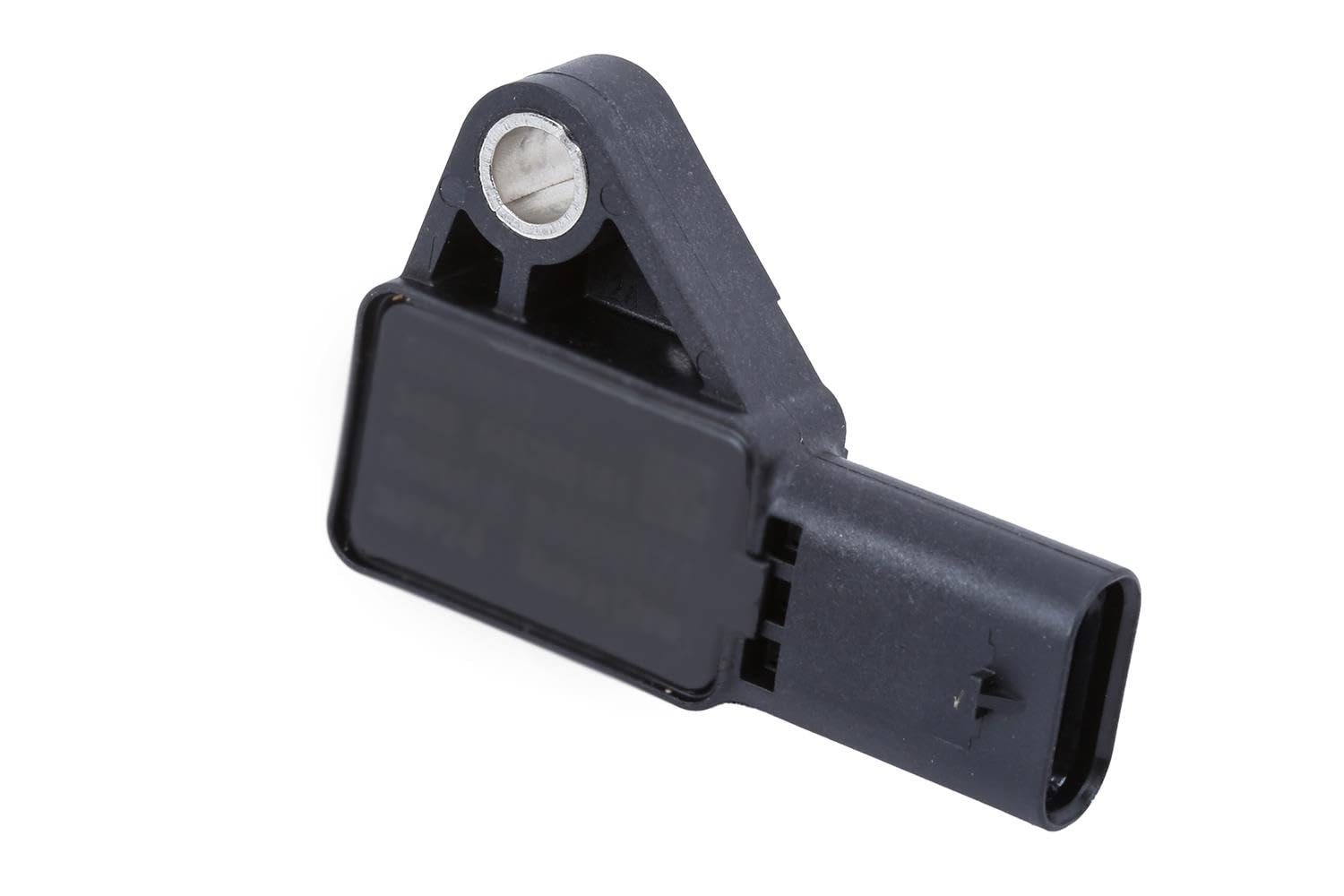 Representative Photo, actual item may vary

What Is an Engine Crankcase Pressure Sensor?
An engine crankcase pressure sensor measures the pressure within the crankcase of an internal combustion engine — a reading that directly indicates the condition of engine compression and piston ring integrity. It is a key component within the broader Crankcase Ventilation System, which works to manage the harmful gases and vapors that accumulate inside the engine block during normal operation.
How Does It Work?
The crankcase ventilation pressure sensor detects the pressure difference between the inside of the crankcase and the atmosphere. More specifically, the crankcase pressure sensor measures the vacuum in the positive crankcase ventilation (PCV) system. The sensor detects whether the crankcase ventilation hose is connected properly to the intake by monitoring the pressure in the tube and ensuring it stays within an appropriate range.
Fuel vapor generated during combustion — also called blow-by — can enter the crankcase through the pistons. Rather than allowing this to escape into the atmosphere uncontrolled, the crankcase ventilation system re-introduces these vapors into the combustion process while also controlling negative pressure within the crankcase. The pressure sensor is what makes closed-loop monitoring of this process possible.
Why Does It Matter?
By detecting pressure inside the crankcase, the sensor monitors for leakage of piston rings and cylinder blocks, and helps control gas recovery to prevent oil vapors from polluting the atmosphere. When this sensor is working correctly, the powertrain control module (PCM) can maintain safe operating conditions throughout the engine.
If the PCM is unable to determine accurate pressure within the crankcase, pressure can build up too high — potentially damaging seals and gaskets, as well as negatively impacting the vehicle's ability to recycle combustible fumes back into the engine.
Signs of a Failing Crankcase Pressure Sensor
A faulty sensor will typically trigger a check engine light and set a diagnostic trouble code. Common symptoms include an illuminated check engine light, reduced fuel economy, a strong smell of fuel through the exhaust, black smoke or soot from the exhaust, rough engine idle, and engine oil that appears sludgy.
Causes can range from an electrical issue within the sensor itself, to physical or electrical damage to the PCV valve, clogs within the PCV system, or even water intrusion in the crankcase. One of the more straightforward causes is an engine overfilled with oil, which can clog the system until corrected.
What to Look for When Shopping
Because the crankcase pressure sensor is a precision electronic component integrated into the emissions and engine management systems, fit and compatibility are critical. Keep the following in mind when selecting a replacement:
- Vehicle-specific fitment: These sensors are highly application-specific. Always verify compatibility with your year, make, model, and engine before purchasing.
- OEM vs. aftermarket: OEM-equivalent sensors are generally recommended to ensure accurate PCM readings and avoid false diagnostic codes.
- Connector and hose assembly: The crankcase pressure sensor is located in the PCV system hose between the intake air system air cleaner and the engine crankcase PCV inlet — so confirm whether your application requires the sensor alone or a complete hose-and-sensor assembly.
- Diagnostic codes: A change in PCV system vacuum greater than a calibrated threshold indicates the PCV system is disconnected and will set a DTC — making prompt replacement important to avoid cascading issues.
Keeping your crankcase pressure sensor in good working order is a straightforward but impactful part of long-term engine health and emissions compliance.