


Brake Clevis

Automann 179.SB3030SW225 Spring Brake Welded Clevis for Heavy-Duty Air Brake Systems


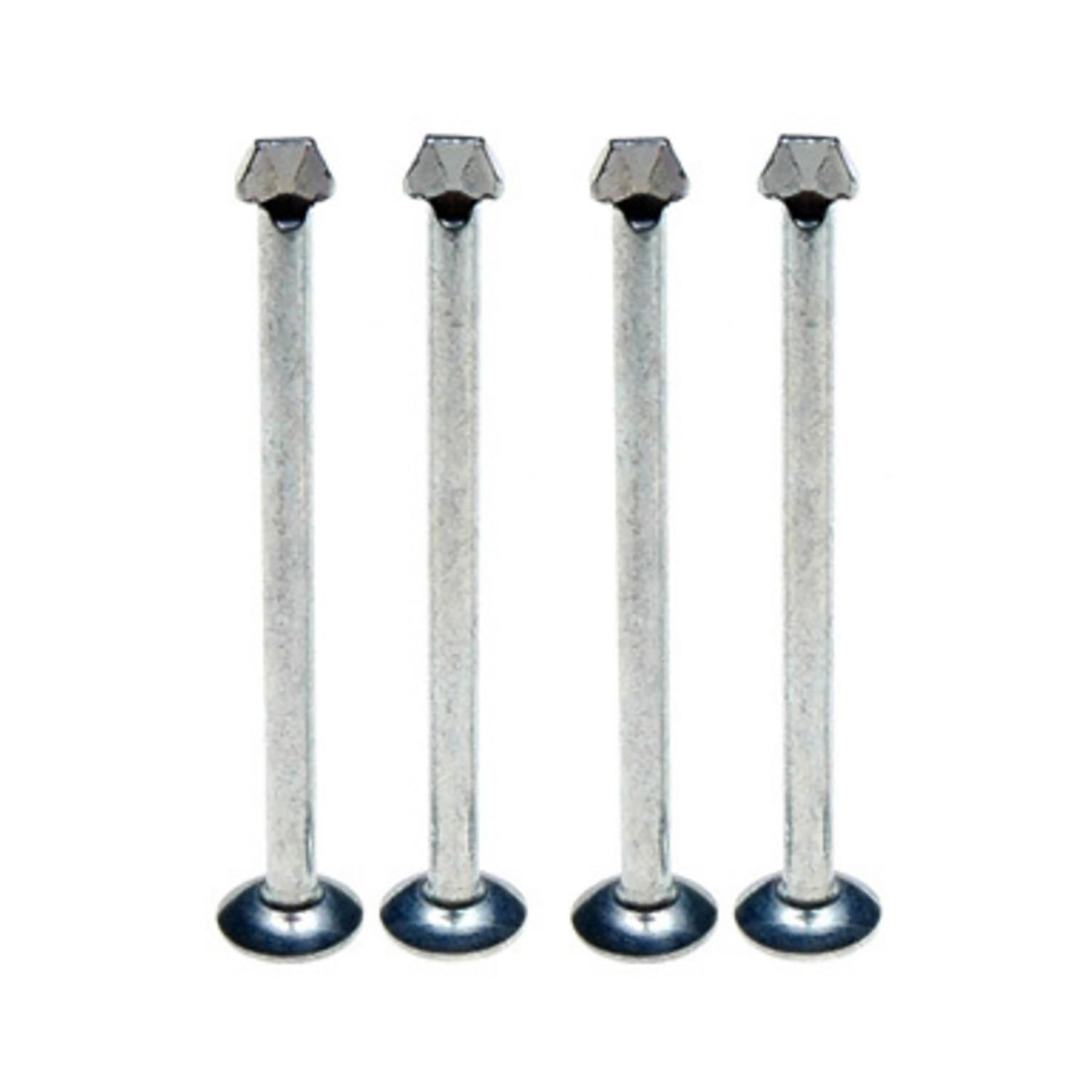 Representative Photo, actual item may vary
BBP Drum Brake Return Spring








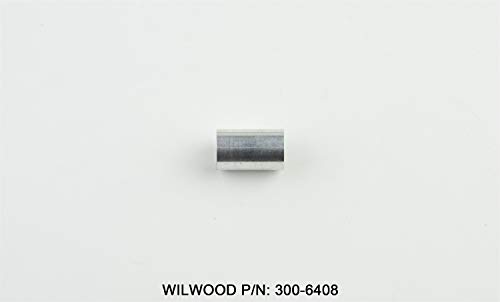 Representative Photo, actual item may vary


American Shifter Company ASCCV01 Ford Rear Disc Brake Clevis Kit Pair Stainless Steel


 Representative Photo, actual item may vary


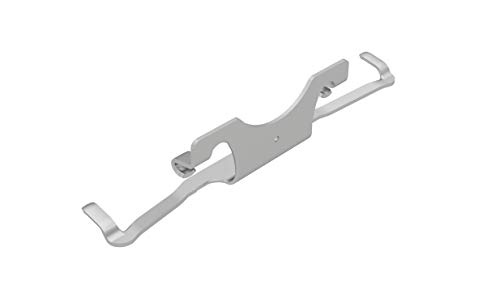 Representative Photo, actual item may vary

 Representative Photo, actual item may vary
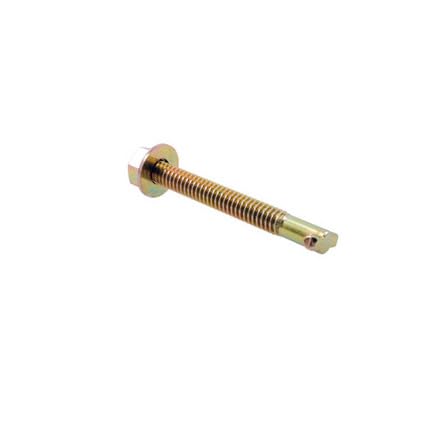 Representative Photo, actual item may vary


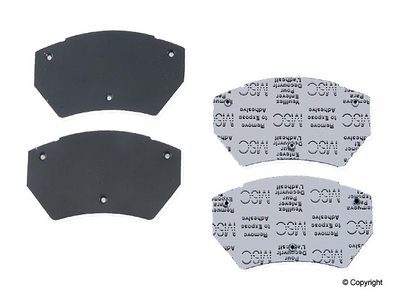 Representative Photo, actual item may vary
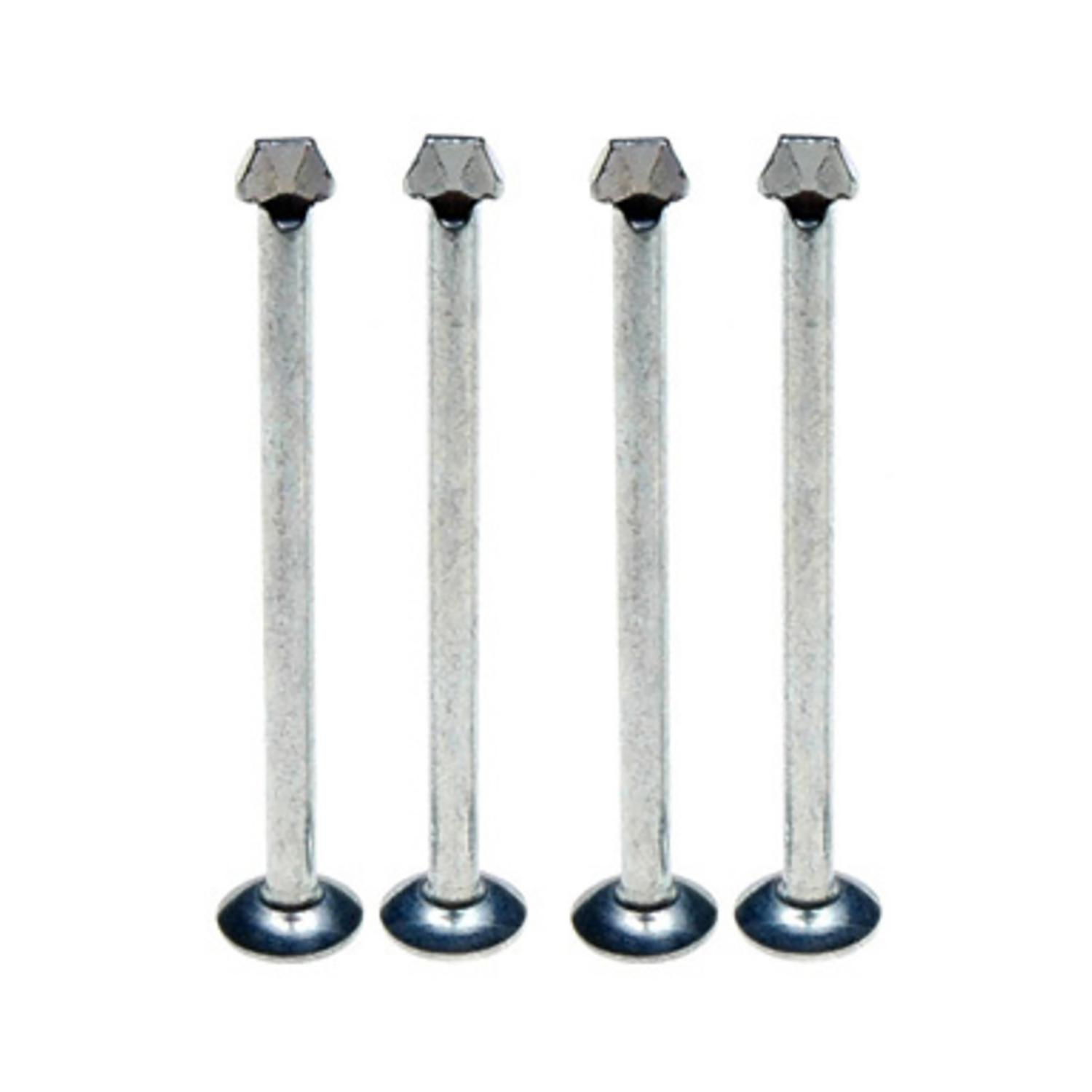 Representative Photo, actual item may vary
 Representative Photo, actual item may vary
OEM 901-424-569-02 Genuine Porsche Parking Brake Cable Clevis Turnbuckle
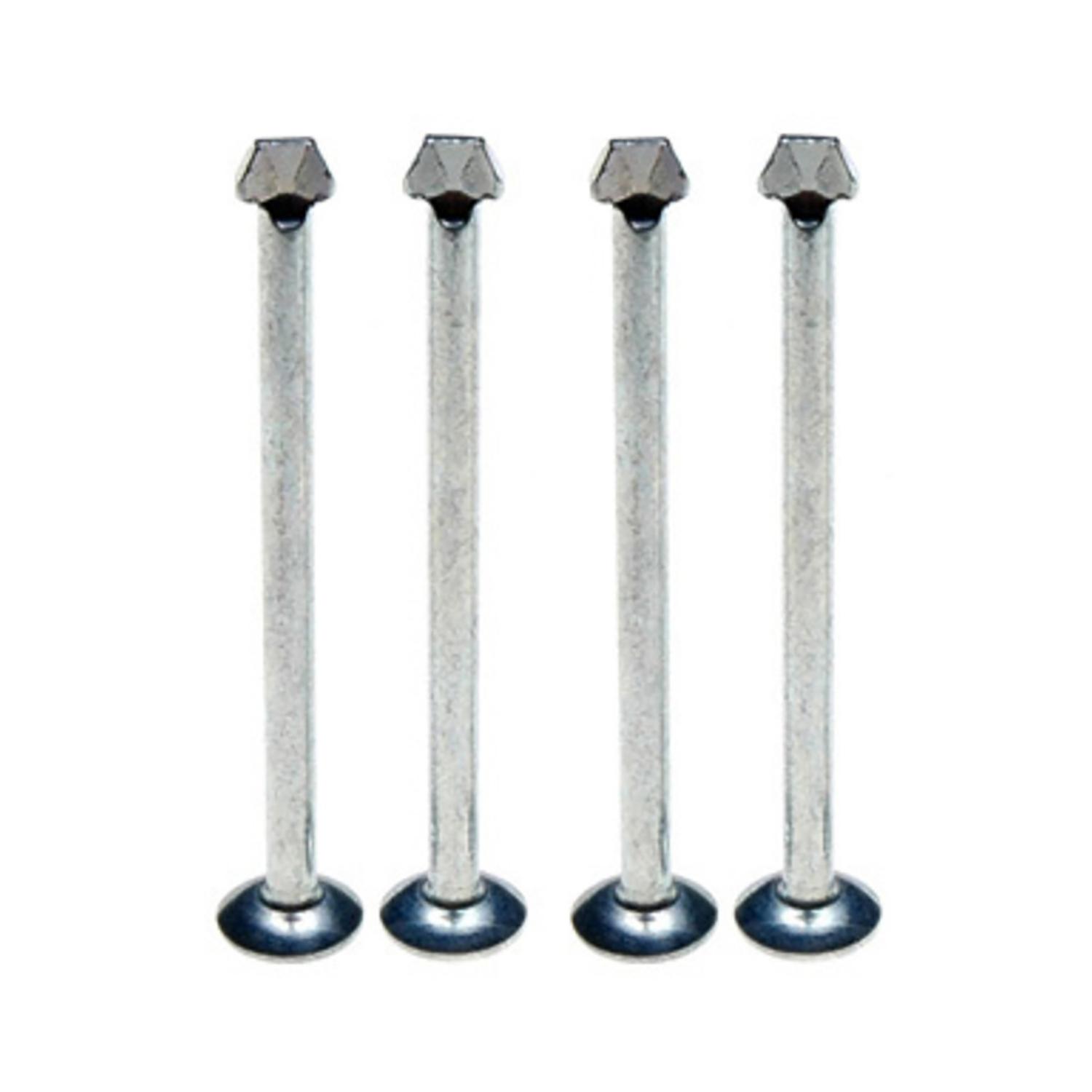 Representative Photo, actual item may vary




URO 911-423-300 KIT Pedal Bushing Set for Porsche 911 912 914 930

 Representative Photo, actual item may vary


 Representative Photo, actual item may vary


Genuine Mercedes 1804210132 Brake Shoe Adjustment Friction Washer

What Is a Brake Clevis?
A brake clevis is a small but critically important piece of brake hardware — a U-shaped or fork-shaped connector that links the brake pushrod to the brake pedal arm, master cylinder, or slack adjuster. When you press the brake pedal, the clevis translates that mechanical force through the linkage, ultimately engaging friction at the wheel to slow or stop the vehicle. Without a properly functioning clevis, the connection between your foot and your brakes becomes loose, imprecise, or fails entirely.
While modest in size, the clevis is a precision component. Brake clevis hardware must maintain tight tolerances to eliminate unwanted play in the pedal feel. Even small amounts of slop in this connection can cause a spongy pedal, delayed brake response, and inconsistent stopping distances — all safety concerns that make routine inspection and timely replacement essential.
Where Brake Clevises Are Used
Brake clevises appear across a wide range of vehicle types. On passenger cars and light trucks, a clevis typically connects the brake booster pushrod to the master cylinder or the brake pedal assembly. On commercial trucks and heavy equipment, clevises are found at the slack adjuster — the point where the air brake chamber's pushrod meets the brake actuation system. On motorcycles and ATVs, rear brake clevises connect the brake pedal to the master cylinder and are subject to the same wear concerns as their four-wheeled counterparts.
Because clevises operate in a constant cycle of compression and tension every time the brakes are applied, they can wear at the pivot pin bore over time. A worn or corroded clevis can introduce looseness into the brake pedal, causing inconsistent modulation and reduced confidence under hard braking. Inspecting the clevis pin, the clevis body, and any associated cotter pins or retaining clips during brake service intervals is a smart preventive step.
What to Look for When Buying a Brake Clevis
- Application fit: Clevises are not universal. Thread pitch, bore diameter, and overall length must match your specific vehicle or equipment to ensure proper engagement and correct brake geometry.
- Material: Quality clevises are made from steel or billet aluminum. Steel offers high strength for heavy-duty and commercial applications, while billet aluminum is lighter for performance or motorsport use.
- OEM vs. aftermarket: For classic or vintage vehicles, sourcing an OEM-spec clevis is often critical to maintaining original brake feel and fitment.
- Pin and retaining hardware: Always confirm whether the clevis pin and cotter pin or retaining clip are included, as these are consumable wear items that should be replaced together with the clevis body.
Top Brands in Brake Clevis Hardware
Vintage Parts is a trusted source for hard-to-find OEM brake clevis hardware for classic and vintage vehicles. Vintage Parts, Inc. works directly with major original equipment manufacturers to supply genuine OEM obsolete and slow-moving service parts — meaning the clevis you receive is a true factory-original component, not a reproduction. For restorers and collectors who demand period-correct fitment and factory specifications, Vintage Parts is an invaluable resource for sourcing brake linkage hardware that is no longer available through standard dealer channels.