


Diverter Valve

GFB T9380 DV+ Performance Diverter Valve with Integrated Solenoid


GFB T9381 DV+ Performance Diverter Valve Low-Profile Turbo Blow-Off Valve

GFB - Go Fast Bits T9384 DV+ Performance Diverter Valve with Solenoid

GFB Go Fast Bits T9383 DV+ Performance Diverter Valve with Integrated Solenoid

GFB T9388 DV+ Diverter Valve with Integrated Low-Profile Solenoid

Standard Motor Products DV177 Diverter Valve for Turbo Boost Pressure Control


Standard Motor Products DV144 EGR Vacuum Solenoid Valve Emission Control
 Representative Photo, actual item may vary



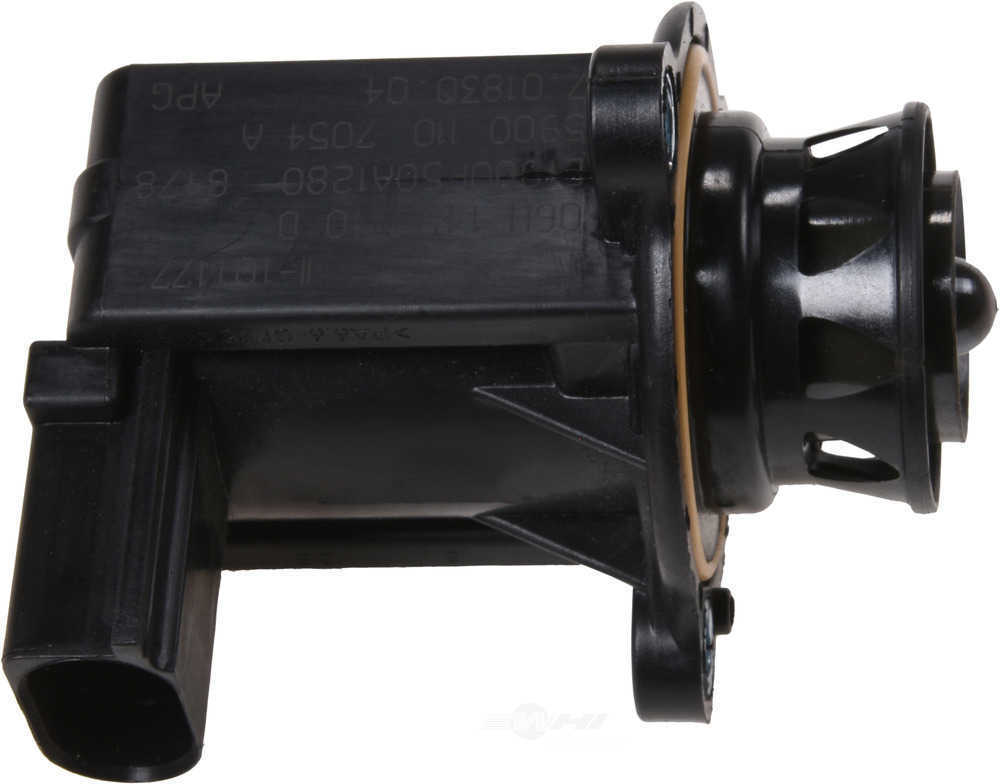 Representative Photo, actual item may vary

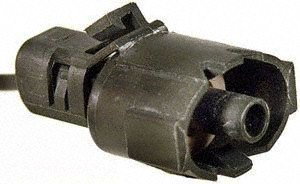 Representative Photo, actual item may vary

 Representative Photo, actual item may vary
What Is a Diverter Valve?
A diverter valve is a critical component in the vacuum and emission control system of turbocharged vehicles. When you lift off the throttle, the turbocharger is still spinning and building pressure, but the throttle plate suddenly closes. Without a diverter valve to redirect that pressurized air, it would surge backward through the intake tract — a phenomenon called compressor surge — which creates stress on the turbocharger bearings and can shorten its lifespan significantly.
The diverter valve opens at the moment of throttle lift to vent or recirculate the pressurized charge air, protecting the turbo and maintaining smooth engine operation. On most modern vehicles, ECU-controlled solenoid-type diverter valves manage this process electronically, allowing the valve to react faster than older pneumatic designs and only open precisely when needed.
Why Diverter Valves Wear Out
Factory diverter valves are typically constructed with plastic housings and rubber diaphragms. Over time — and especially on modified or tuned engines running elevated boost levels — these materials are prone to failure. Diverter valve diaphragms can rupture, plastic seats can warp, and boost leaks can develop. Even small leaks in a factory diverter valve force the ECU to compensate by driving the turbocharger harder, which increases exhaust backpressure, raises compressor outlet temperatures, and robs the engine of efficiency and response.
Whether you're dealing with a failed OEM unit or looking to upgrade ahead of a tune, replacing your diverter valve is a straightforward maintenance step with meaningful benefits for turbo reliability and throttle feel.
What to Look for When Shopping Diverter Valves
- Material quality: Upgraded valves with billet aluminium housings and brass or steel internals outperform factory plastic components, especially under high-boost conditions.
- ECU compatibility: Many performance diverter valves retain the factory solenoid for seamless integration with the vehicle's engine management system — no additional tuning required.
- Direct-fit vs. universal: Direct-fit replacements are model-specific and require no modifications, while universal kits may need adapters but offer broader compatibility.
- OEM vs. performance replacement: If your goal is a factory-correct repair, an OEM-spec unit restores original function. If you're running increased boost, a performance-grade valve is worth the investment.
Top Diverter Valve Brands
GFB – Go Fast Bits is an Australian performance brand and the category leader in aftermarket diverter valves. Their flagship DV+ line takes a smart approach: retaining the factory ECU solenoid while replacing the weak plastic valve internals with precision-machined billet aluminium and brass components. The result is a direct-fit performance upgrade backed by worldwide PCT patents and coverage for a wide range of VAG, Ford EcoBoost, BMW, FIAT, and other turbocharged platforms.
Standard Motor Products is a trusted name in OEM-quality emission and vacuum system components with decades of experience supplying the professional service market. Their diverter valves are engineered to meet or exceed original equipment specifications, making them an ideal choice for straightforward, reliable factory-spec replacements.
Autopart International rounds out the lineup with a broad catalog of replacement parts designed for everyday repair applications, offering solid value for technicians and DIYers looking for dependable diverter valve replacements across a range of makes and models.