


Fuel Stabilizer
 Representative Photo, actual item may vary


Star Brite 14312 Star Tron Enzyme Fuel Treatment Small Engine Formula Shooter - 1 oz


 Representative Photo, actual item may vary


 Representative Photo, actual item may vary


 Representative Photo, actual item may vary

 Representative Photo, actual item may vary


 Representative Photo, actual item may vary


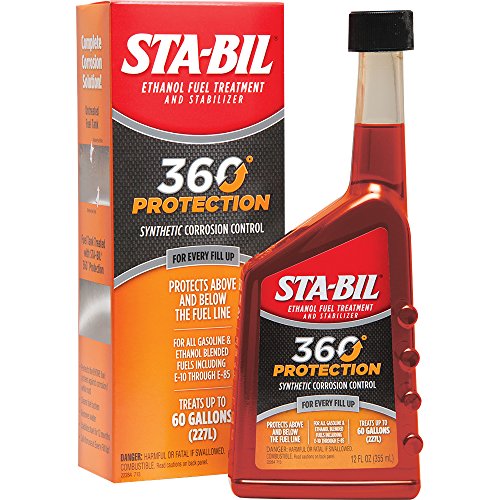 Representative Photo, actual item may vary



 Representative Photo, actual item may vary


- 1
- 2
What Is Fuel Stabilizer and Why Does It Matter?
Fuel stabilizer is one of the simplest, most cost-effective forms of engine insurance available to any vehicle or equipment owner. Fuel stabilizers are chemical additives that slow — and in many cases stop — the natural breakdown of gasoline during extended periods of storage. Whether you're winterizing a motorcycle, putting a classic car to bed for the season, or storing a lawn mower, snow blower, generator, or marine craft, treating the fuel before storage can mean the difference between a clean first start and an expensive carburetor cleaning bill.
How Fuel Degrades Without a Stabilizer
Gasoline is not a stable commodity. Untreated fuel can begin to degrade in as little as 30 days, especially when exposed to oxygen and atmospheric moisture inside a non-airtight fuel system. Over time, gasoline changes, leaving behind gums, varnish, and other solids that foul the fuel system and can prevent the engine from starting altogether. The problem is compounded by ethanol, which is blended into most pump gasoline today. Ethanol is hygroscopic, meaning it actively attracts and absorbs water from the air. When enough moisture is absorbed, phase separation occurs — the ethanol-water mixture permanently separates from the gasoline — creating a corrosive cocktail that can damage fuel tanks, fuel lines, injectors, and carburetors.
What a Fuel Stabilizer Does
A quality fuel stabilizer works on multiple fronts. On a chemical level, stabilizer is a mixture of antioxidants and lubricants designed to repel water and limit evaporation. It disrupts the oxidation chain reaction that causes fuel to form varnish and gum deposits. Many modern formulas also include dedicated ethanol-protection chemistry that separates water from ethanol-blended fuel, and corrosion inhibitors that guard metal fuel system components from rust. The result is fuel that stays usable for months — or in some cases years — with no performance compromise when you're ready to fire the engine back up.
How to Use Fuel Stabilizer
Application is straightforward: always add stabilizer to fresh gasoline before the fuel has had a chance to degrade. Pour the correct measured dose into the tank, top off with fuel to minimize air exposure, then run the engine for five to ten minutes to circulate the treated fuel through the entire fuel system — including the carburetor or fuel injectors. You cannot turn bad fuel into good fuel with a stabilizer, so timing matters. Treat early, before storage begins.
Who Needs Fuel Stabilizer?
- Classic car and collector vehicle owners storing vehicles seasonally
- Motorcycle and powersports riders during off-season months
- Boaters and personal watercraft owners winterizing marine engines
- Homeowners with lawn mowers, snow blowers, chainsaws, and string trimmers
- Anyone storing gasoline in cans or portable containers for backup generators
Top Fuel Stabilizer Brands
VP Racing brings its decades of motorsport fuel chemistry expertise to the consumer stabilizer market, offering formulas built for real-world conditions. VP's fuel stabilizer lineup is engineered for both 2-cycle and 4-cycle engines and features dedicated ethanol-armor chemistry alongside A-rated corrosion inhibitors to protect every component in the fuel system.