


Carburetor Choke Rod


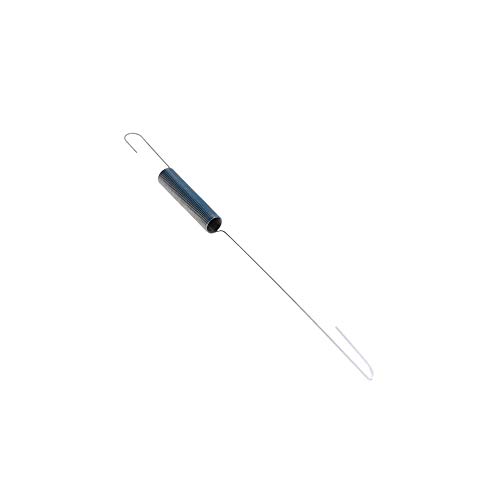 Representative Photo, actual item may vary
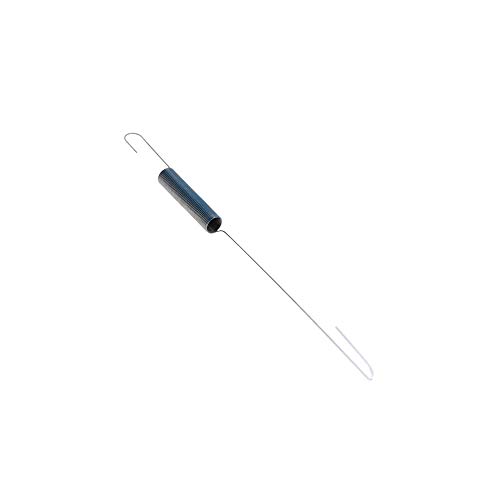 Representative Photo, actual item may vary

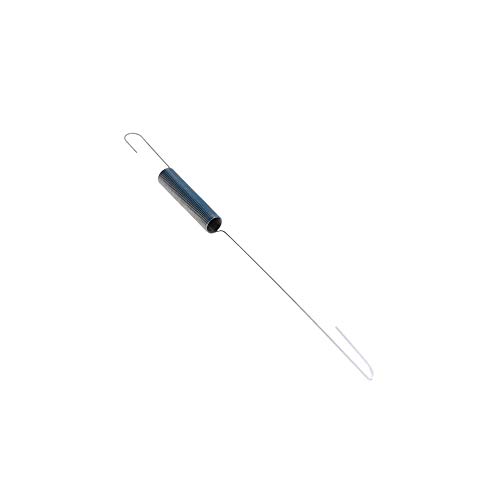 Representative Photo, actual item may vary





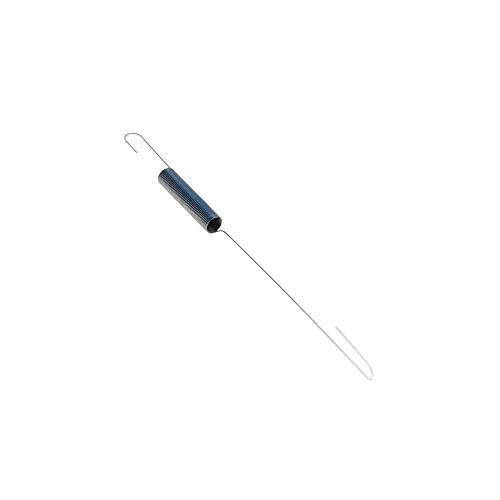 Representative Photo, actual item may vary
What Is a Carburetor Choke Rod?
If your small engine struggles to start in cold weather, the carburetor choke system is the first place to look. The choke rod is a small but critical piece of linkage that physically connects the choke lever or thermostat to the choke plate inside the carburetor. When you engage the choke — whether manually or through an automatic mechanism — it is the choke rod that translates that input into action at the choke plate, restricting airflow and enriching the air-fuel mixture for a reliable cold start.
How the Choke System Works
Carburetor choke rods sit at the heart of the cold-start enrichment process. When an engine is cold, it requires a richer air-to-fuel mixture to ignite properly. The choke plate closes off a portion of the air intake, which draws in more fuel relative to air and allows combustion to occur even when fuel vaporization is poor in low temperatures. The choke rod is the mechanical link that opens and closes this plate.
In a divorced choke setup — common on many older and small engines — the thermostatic spring is mounted separately from the carburetor, and a rod runs from the spring directly to the choke valve assembly. As the engine warms up, the spring expands and pushes the choke rod, gradually opening the choke plate. In automatic choke designs, once the engine reaches operating temperature, the choke circuit ceases its function entirely, and the engine runs on a normal air-fuel mixture.
Why a Worn or Damaged Choke Rod Matters
A bent, corroded, or broken choke rod can cause a range of frustrating symptoms. If the rod fails to fully close the choke plate, cold starts become difficult or impossible — the engine may crank repeatedly without firing. Conversely, a rod that is stuck or jammed can hold the choke closed too long, flooding the engine with an overly rich mixture, causing rough running, excessive fuel consumption, and elevated exhaust emissions. Inspecting and replacing the choke rod as part of routine carburetor maintenance keeps the entire choke linkage operating as designed.
Choke rods are precision-formed components, usually bent to a specific shape and length to match the geometry of a particular engine's carburetor and linkage bracket. This means correct part fitment is essential — a universal rod may not position the choke plate accurately, leading to the same starting and running issues you were trying to fix. Always verify your engine model number before ordering a replacement.
Common Applications
Carburetor choke rods are found across a wide range of carbureted small engines, including those powering:
- Riding and walk-behind lawn mowers
- Portable and standby generators
- Pressure washers
- Snow blowers
- Tillers and cultivators
- Air compressors with small-engine drives
Because these engines power equipment that is often stored for extended periods and then started in cool or cold conditions, a properly functioning choke system — and an intact choke rod — is especially important for dependable operation season after season.
Top Brands for Carburetor Choke Rods
When it comes to small-engine choke linkage, Briggs & Stratton is the dominant name in the category. As one of the world's largest manufacturers of small engines for outdoor power equipment — powering everything from lawn mowers and generators to pressure washers and snow blowers — Briggs & Stratton produces a comprehensive line of genuine OEM choke rods engineered to exact factory specifications. Choosing a genuine Briggs & Stratton choke rod ensures a precise fit and reliable choke plate actuation every time you start your equipment.