


Engine Oil Cooler Core Assembly




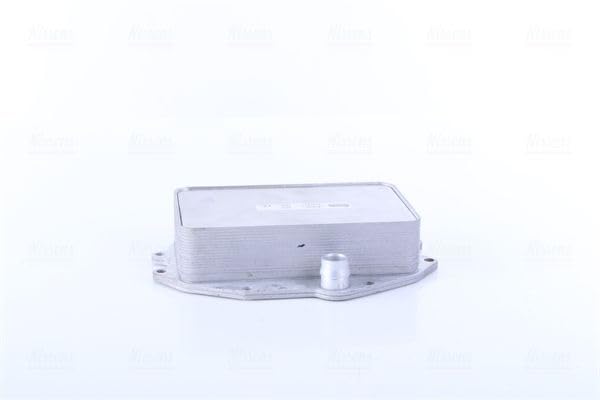 Representative Photo, actual item may vary


What Is an Engine Oil Cooler Core Assembly?
The engine oil cooler core assembly is one of the most important—and most overlooked—components in your vehicle's thermal management system. Engine oil cooler core assemblies serve as dedicated heat exchangers engineered to remove excess heat from engine oil before it returns to lubricate critical internal components. While the radiator handles coolant temperature, the oil cooler core handles a separate but equally vital job: keeping your oil at the right temperature so it can keep doing its job.
How it works: As oil circulates through a hard-working engine, it absorbs a massive amount of heat from components like the pistons, crankshaft, and turbocharger. That hot oil is then diverted to the oil cooler core, where heat is removed before the oil returns to lubricate the engine. Depending on the design, the cooler may transfer heat into engine coolant or directly into the surrounding air. In water-to-oil designs, oil is pumped into the core of the cooler while coolant flows through surrounding passageways, removing heat and transferring it back to the radiator.
Why the Oil Cooler Core Matters
Oil temperature has a direct impact on viscosity—and viscosity determines how well oil can protect moving parts. As temperature increases, oil grows thinner with lower viscosity, and its lubrication performance degrades accordingly. Maintaining proper oil temperature is not just about engine comfort; it is about engine survival.
- Extends engine life: By maintaining proper oil viscosity, oil cooler cores reduce wear on internal engine components like bearings, camshafts, and pistons.
- Prevents thermal breakdown: Every 20°F of excess heat above optimal operating range can dramatically accelerate the degradation of engine oil.
- Critical for demanding applications: Vehicles used for towing, racing, or off-road driving benefit greatly from additional oil cooling capacity. Semi-trucks, heavy-duty pickups, and turbocharged engines are especially reliant on a properly functioning oil cooler core.
- Protects the entire cooling system: A failed core can allow oil and coolant to cross-contaminate, damaging water pump seals, heater cores, and radiator passages.
Signs Your Oil Cooler Core Assembly Needs Replacement
An oil cooler core can fail in several ways, and recognizing the symptoms early is key to preventing expensive engine damage. Common warning signs include:
- Milky or frothy oil on the dipstick — a telltale sign that coolant has contaminated the oil.
- Thick, sludgy substance in the coolant reservoir — indicating oil has been forced into the cooling system.
- External oil or coolant leaks near the oil cooler housing or fittings.
- Engine overheating, especially under load, when the cooler can no longer regulate oil temperature effectively.
- Low or fluctuating oil pressure caused by blocked passages or internal leaks.
Gasket and O-ring failure is among the most frequent causes of oil cooler core breakdown. Over time, the constant cycle of heating and cooling makes rubber seals hard and brittle, eventually leading to leaks. Physical damage from road debris or vibration and internal corrosion from poorly maintained coolant can also compromise core integrity.
Choosing the Right Engine Oil Cooler Core Assembly
When shopping for a replacement oil cooler core, fit and construction quality are the top priorities. High-quality cores are typically made from aluminum due to its excellent thermal conductivity and lightweight properties. Larger cores provide more surface area, making them ideal for performance and heavy-duty applications. Always ensure the replacement matches your vehicle's OEM specifications for port size, core dimensions, and mounting configuration to avoid installation issues or pressure problems after the repair.