


Secondary Air Injection Control Valve




Pierburg 7.01510.31.0 Secondary Air Injection Check Valve


Genuine Porsche 99311324501 Secondary Air Injection Cut-Off Valve


Pierburg 7.02256.37.0 Air Injection System Change-Over Valve


 Representative Photo, actual item may vary



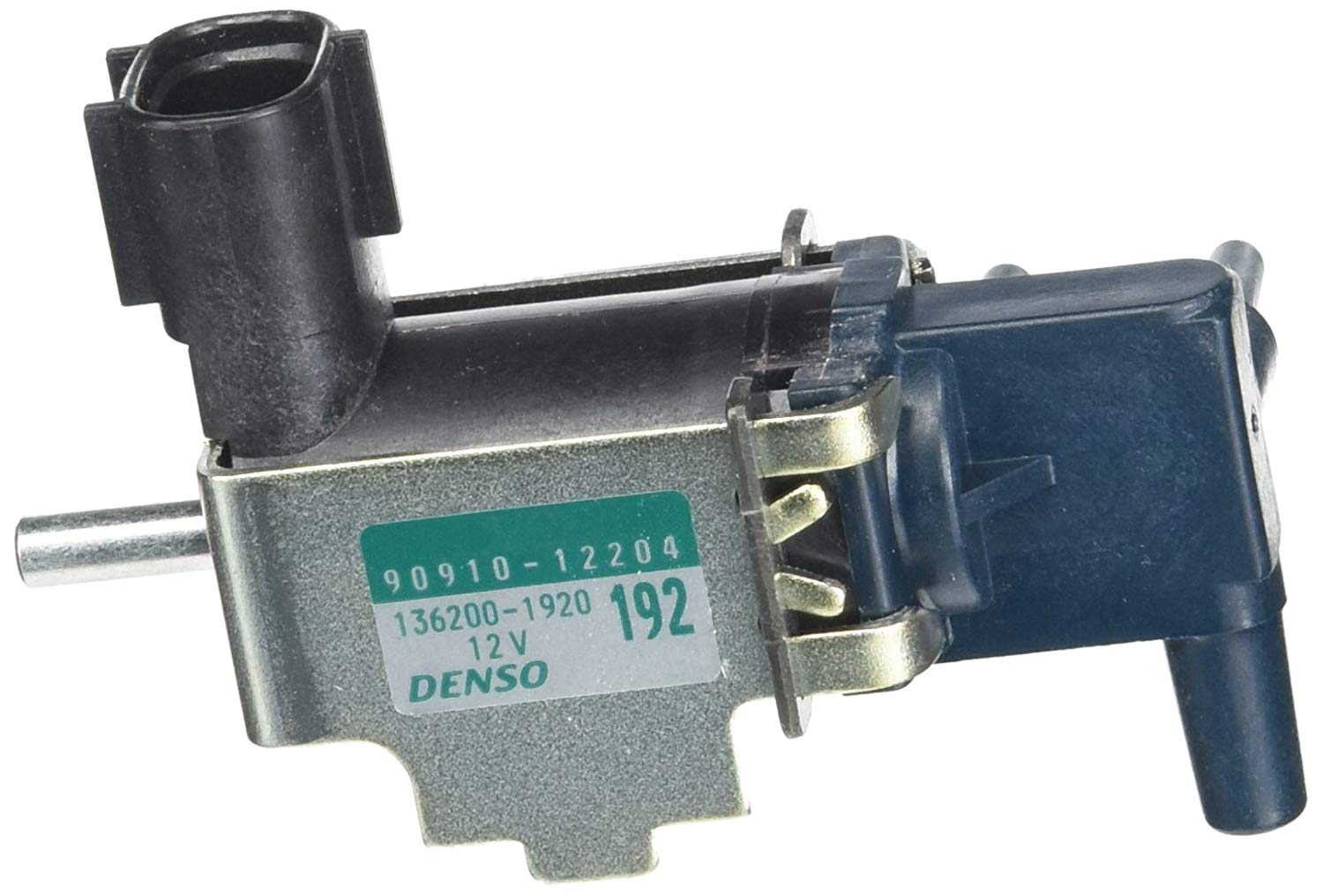
 Representative Photo, actual item may vary


Pierburg 7.01510.85.0 Secondary Air Injection Control Valve


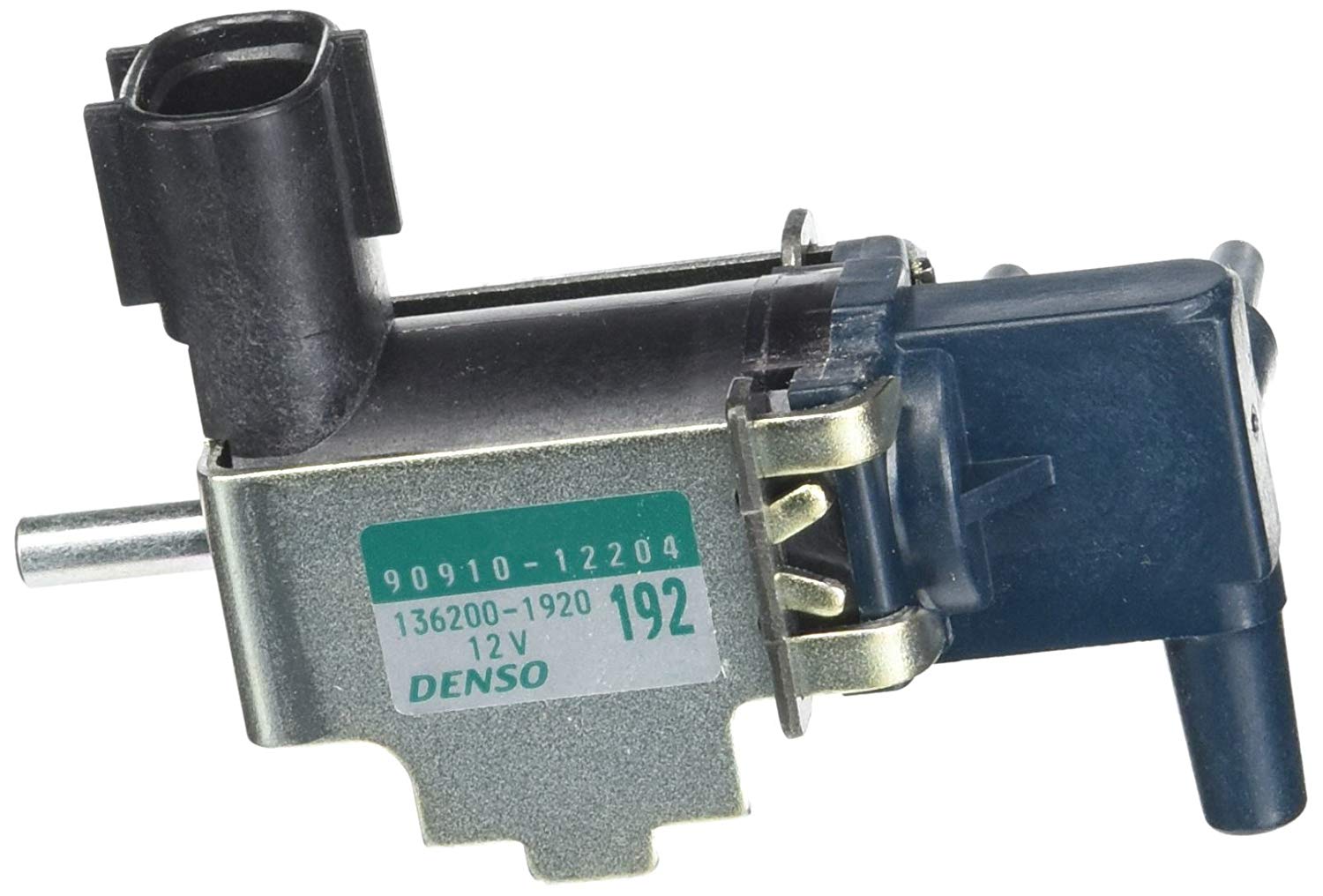
 Representative Photo, actual item may vary
Genuine 9A7 906 283 Electronic Changeover Valve for Secondary Air Injection System

 Representative Photo, actual item may vary


Hella 7.22295.66.0 Secondary Air Injection Shut-Off Valve

 Representative Photo, actual item may vary


 Representative Photo, actual item may vary

Replacement REPB963301 Secondary Air Injection Control Valve BMW E46 3-Series
 Representative Photo, actual item may vary

Hella 7.28238.61.0 Secondary Air Injection Valve with Gasket for BMW


Hella 7.28238.58.0 Secondary Air Injection Pump Check Valve with Gasket

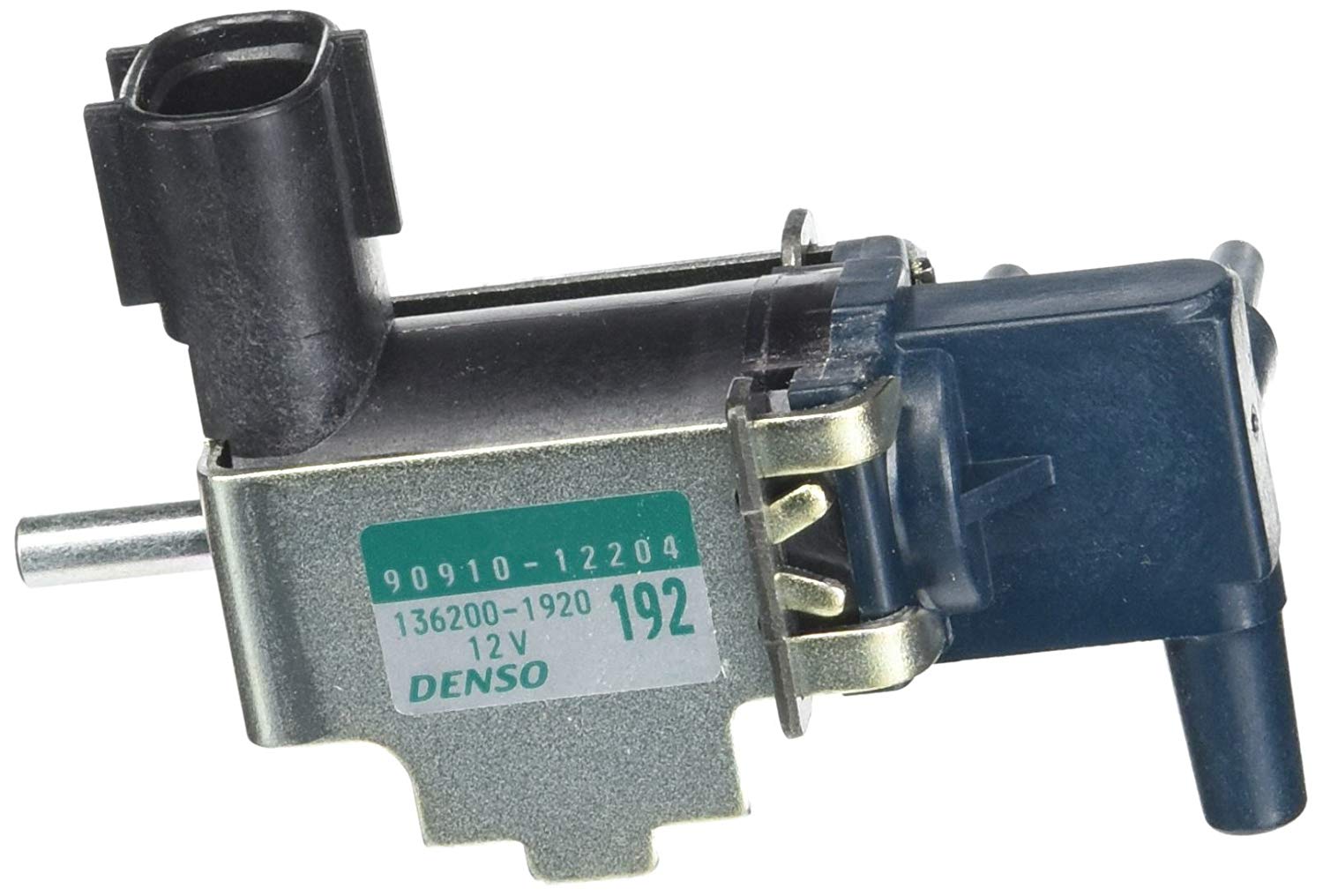
 Representative Photo, actual item may vary


Pierburg 7.22286.26.0 Secondary Air Injection Combination Valve


Pierburg 7.28238.61.0 Secondary Air Injection Control Valve

Pierburg 7.01318.20.0 Secondary Air Injection Control Valve


 Representative Photo, actual item may vary

Pierburg 7.22295.70.0 Secondary Air Injection Cut-Off Valve

Pierburg 7.00018.50.0 Secondary Air Injection Control Valve


 Representative Photo, actual item may vary
What Is a Secondary Air Injection Control Valve?
The secondary air injection control valve is a critical gatekeeper in your vehicle's emission control system. Its core job is to regulate the flow of fresh, oxygen-rich air into the exhaust stream — but only when the engine and conditions demand it. Understanding what this valve does, and why it matters, can save you from a cascade of costly repairs down the road.
Secondary air injection itself is an emissions control strategy that dates back to 1966. It works by introducing fresh air into the exhaust manifold during the cold-start phase, when a cold engine runs rich — meaning the fuel-air mixture contains excess fuel. During this window, large quantities of carbon monoxide and unburned hydrocarbons escape into the exhaust stream before the catalytic converter has reached its operating temperature. By injecting ambient air downstream of the exhaust valves, the system promotes a secondary combustion reaction that converts these pollutants into CO₂ and water vapor, while simultaneously generating heat that brings the catalytic converter up to operating temperature much faster.
The secondary air injection control valve sits between the air pump and the exhaust manifold, directing airflow precisely when commanded by the engine control unit (ECU). In active systems, the ECU triggers both the electric pump and the control valve simultaneously. Once the oxygen sensor comes online and the catalytic converter reaches operating temperature — typically within about 100 seconds on a cold start — the system shuts down and the control valve closes, sealing off the exhaust path and protecting the pump and related components from damaging backflow.
Types of Secondary Air Injection Control Valves
These valves come in several designs depending on the era and make of the vehicle:
- Vacuum-controlled shut-off valves: Operated by engine vacuum, routed through a solenoid switching valve, and common in vehicles from the mid-1990s onward.
- Pressure-controlled combination valves (Kombi valves): Combine shut-off and non-return functions in a single housing; they open in response to air pump pressure.
- Electric solenoid valves: Found on newer platforms, these are directly activated by a 12V signal from the ECU for precise, electronically managed control.
Why a Failing Valve Matters
A faulty secondary air injection control valve triggers a chain of problems. If the valve sticks open, hot exhaust gases can flow backward into the air pump, causing rapid pump failure. If it sticks closed, unburned fuel remains in the exhaust stream and the catalytic converter takes longer to warm up — often triggering OBD-II diagnostic trouble codes like P0410 or P0411 and illuminating the check engine light. A vehicle with a compromised SAI system will also fail emissions inspections in states with mandatory smog testing.
Top Brands for Secondary Air Injection Control Valves
When replacing this component, selecting a quality part matched to your vehicle's OEM specifications is essential. Hella is a globally recognized OE-level supplier whose secondary air injection valves are designed in cooperation with original equipment manufacturers to exact standards — making them a top choice for European applications including BMW and Audi platforms. Pierburg is a specialist in automotive air management and emission control components, with deep expertise in solenoid and combination valves engineered to meet or exceed OEM specifications for Audi, Volkswagen, Mercedes-Benz, and other European marques. Dorman rounds out the category with its OE Solutions line, offering cast aluminum valves with diaphragm and reed designs backed by a limited lifetime warranty — ideal for domestic and import applications alike. OEM parts provide exact factory-specification replacements for drivers who want a direct match to what came on their vehicle from the factory.